Gum pain is a signal of a specific process under the tissue, most often plaque-driven inflammation, infection, mechanical trauma, or a tooth problem radiating outward. The severe end of that spectrum is not rare: a meta-regression of 72 studies covering 291,170 people aged 15 and over made severe periodontitis the sixth most prevalent condition worldwide, at an age-standardised prevalence of 11.2 percent, with incidence peaking around the age of 38 (PubMed 25261053). Gingivitis is fully reversible with treatment, while periodontitis causes structural damage that can be halted but not undone.
- 01Gingivitis and periodontitis differ in reversibility, not just severity: gingivitis resolves completely with plaque control, periodontitis leaves structural damage that treatment can halt but not reverse.
- 02Severe periodontitis is the sixth most prevalent condition worldwide at 11.2 percent age-standardised prevalence, from 72 studies covering 291,170 people in 37 countries (PubMed 25261053).
- 03Incidence peaks around the age of 38, after a steep rise between the third and fourth decades of life (PubMed 25261053).
- 04Periodontal probing depth measured at multiple points around every tooth, not visual inspection, is the measure that grades disease severity.
- 05Treatment choice follows pocket depth: in a meta-analysis of six randomized trials, open flap surgery gave 0.6 mm more pocket depth reduction than scaling and root planing in pockets deeper than 6 mm, while scaling and root planing gave 0.4 mm more attachment gain in 4 to 6 mm pockets (PubMed 12787211).
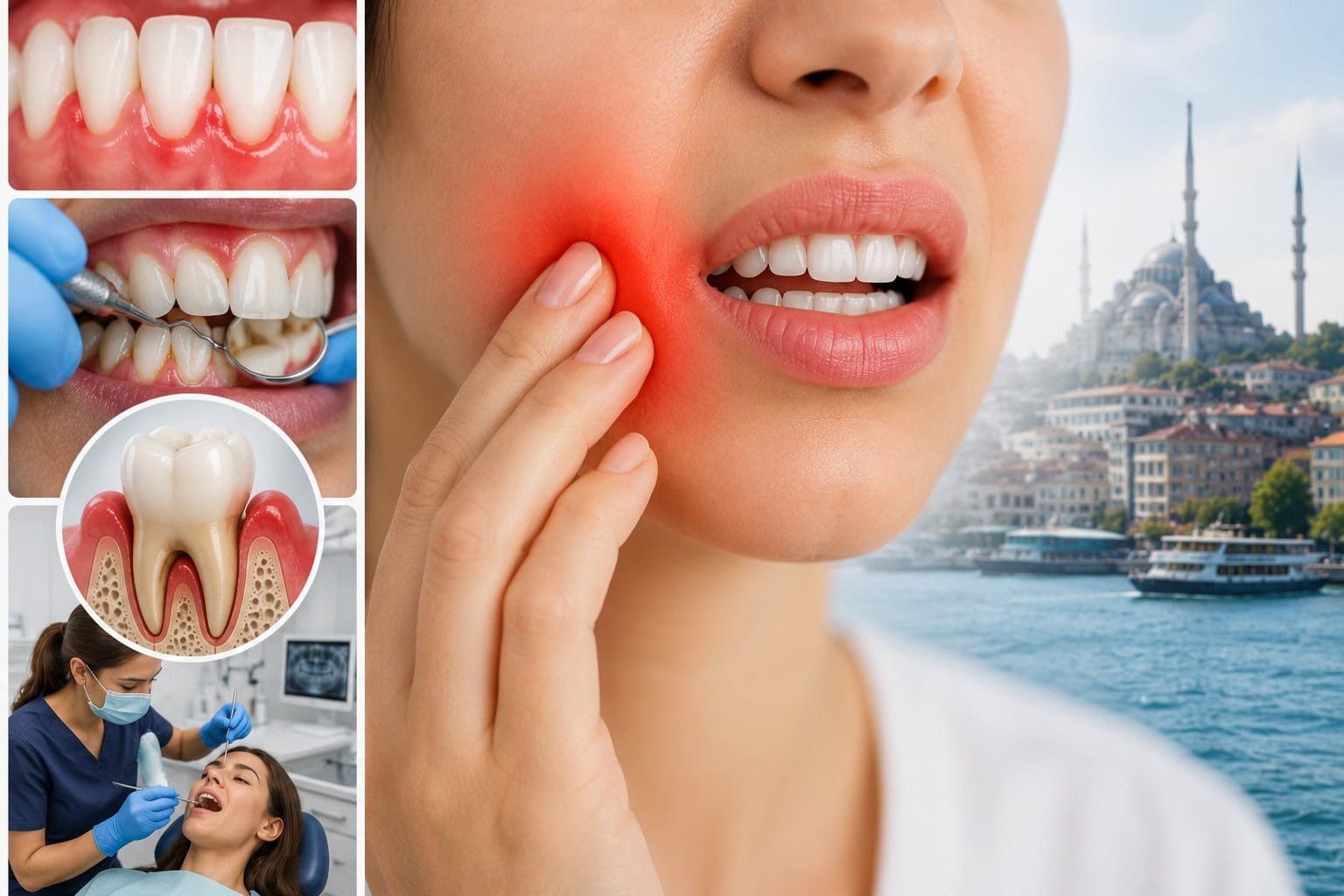
Gum pain is one of those symptoms people tend to dismiss a little soreness while brushing, a twinge when eating something hot, a fleeting ache that seems to come and go. But gum pain is rarely random. In most cases, it is your body's way of signalling that something specific is happening beneath the surface: inflammation, infection, mechanical irritation, or in some cases, an issue with a tooth that is radiating discomfort into the surrounding tissue.
Understanding what painful gums are actually telling you and when the discomfort warrants a professional evaluation rather than home remedies can make the difference between a simple, early intervention and a more complex treatment down the line.
At Mosdent Dental Hospital in Istanbul, our periodontology team evaluates gum pain as a clinical signal first, not a symptom to simply mask. In this guide, we walk through the most common causes of gum pain, the warning signs that matter, and what expert periodontal treatment in Turkey actually involves.
/ What Does Gum Pain Actually Feel Like?
Gum pain presents differently depending on its underlying cause, and recognising the specific character of your discomfort is often the first clue to what's happening.
Common presentations include:
- A dull, persistent ache localised to one area
- Sharp pain when brushing or flossing a specific spot
- Throbbing pain, particularly if it worsens at night
- Tenderness and swelling around one or more teeth
- Burning or tingling sensation across wider areas of gum tissue
- Pain accompanied by bleeding during brushing
The location, timing, and character of the pain all provide diagnostic clues which is why a proper clinical evaluation, rather than self-diagnosis, is the most reliable path to effective treatment.
/ The Most Common Causes of Painful Gums
1. Gingivitis, The Earliest Stage of Gum Disease
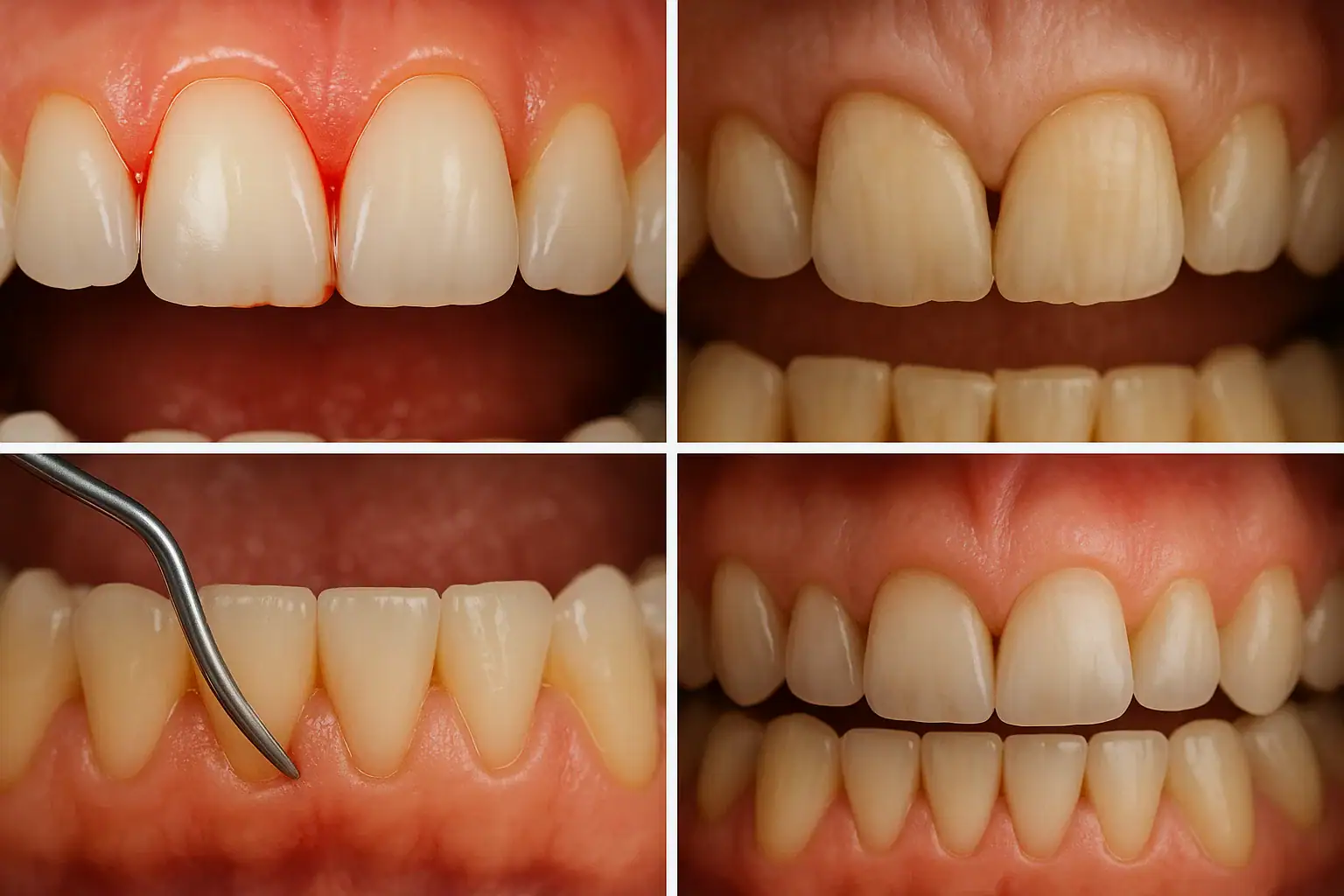
Gingivitis is the mildest and most common form of gum disease, caused by plaque accumulation along the gumline. Bacteria in plaque trigger an inflammatory response, leading to redness, swelling, tenderness, and bleeding, particularly during brushing.
The encouraging news about gingivitis is that it is fully reversible with proper treatment and improved oral hygiene, without any permanent damage to the supporting bone or tissue. Left untreated, however, it progresses to a more serious and irreversible condition.
2. Periodontitis, Advanced Gum Disease
When gingivitis is not addressed, the inflammation can progress to periodontitis a more severe form of gum disease that affects the deeper supporting structures of the teeth, including bone. Periodontitis often presents with deeper, more persistent pain, gum recession, and in advanced cases, tooth mobility.
Unlike gingivitis, periodontitis causes structural damage that cannot fully reverse on its own though with appropriate treatment, its progression can be halted and the condition managed effectively long-term.
3. Abscess Formation
A dental or periodontal abscess a localised pocket of infection produces some of the most intense gum pain patients experience. Abscesses typically present as throbbing pain, visible swelling, and sometimes a small bump on the gum that may release fluid. Fever and facial swelling can occur in more advanced cases.
Abscesses require prompt professional treatment. They do not resolve on their own and can spread if left untreated.
4. Aggressive Brushing or Flossing Technique
Mechanical trauma from brushing too hard, using a hard-bristled toothbrush, or flossing incorrectly can cause localised gum irritation and pain without any underlying infection. This is one of the more easily corrected causes, though it should still be evaluated to rule out other contributing factors.
5. Hormonal Changes
Pregnancy, menstruation, and menopause all involve hormonal shifts that can increase gum sensitivity and inflammation, a phenomenon sometimes called \"pregnancy gingivitis\" in expectant patients. Hormonal gum sensitivity typically responds well to professional cleaning and careful home hygiene.
6. Ill-Fitting Dental Work
Crowns, fillings, or dentures that don't fit precisely can create persistent pressure points or trap food and bacteria against the gum tissue, leading to localised pain and inflammation. This is a common but often overlooked cause, particularly in patients who have had restorative work completed elsewhere.
7. Vitamin Deficiencies
Vitamin C deficiency in particular has a well-documented association with gum bleeding and tenderness historically recognised as scurvy in its extreme form, though mild deficiency-related gum sensitivity is more common and far less dramatic.
8. Canker Sores and Oral Lesions
Small ulcers or canker sores on the gum tissue can cause sharp, localised pain, particularly when eating acidic or spicy foods. These typically resolve within one to two weeks but recurring lesions warrant professional evaluation.
9. Teeth Grinding (Bruxism)
Chronic teeth grinding, often occurring during sleep, places excessive force on teeth and the surrounding gum and bone tissue. This can manifest as generalised gum soreness, particularly upon waking, alongside jaw tension and tooth wear.
10. Tooth-Related Issues Radiating to the Gum
Sometimes gum pain isn't actually originating in the gum at all a deep cavity, cracked tooth, or tooth requiring root canal treatment can cause pain that radiates into the surrounding gum tissue, making the gum itself appear to be the source.
/ Warning Signs That Warrant Prompt Professional Evaluation
While mild, occasional gum tenderness is common and often resolves with improved hygiene, certain signs indicate the need for prompt professional assessment:
- Persistent pain lasting more than a week despite good oral hygiene
- Visible swelling, particularly if it is increasing
- Pus or discharge from the gum tissue
- Fever accompanying gum pain or swelling
- Loose teeth or a changing bite
- Receding gums exposing tooth roots
- Bleeding that occurs without any mechanical trigger
- Persistent bad breath alongside gum discomfort
These signs suggest a process more advanced than simple irritation, and delaying evaluation allows underlying conditions like periodontitis or an abscess to progress further.
/ How Gum Pain Is Diagnosed
A proper periodontal evaluation goes well beyond a visual inspection. At Mosdent's periodontology department, the diagnostic process typically includes:
Clinical examination: Visual inspection of gum colour, texture, and any visible swelling, recession, or lesions.
Periodontal probing: Measuring the depth of the space (pocket) between the tooth and gum at multiple points around each tooth a key indicator of periodontal disease severity.
Dental X-rays: Identifying bone loss, abscesses, or dental issues not visible to the naked eye.
Assessment of contributing factors: Reviewing oral hygiene habits, existing dental work, medical history, and any medications that might contribute to gum sensitivity.
This comprehensive approach ensures that treatment addresses the actual underlying cause rather than simply managing the symptom.
/ Treatment Options for Painful Gums
Treatment is entirely dependent on the underlying cause there is no single universal solution for gum pain.
Professional Dental Cleaning (Scaling)
For gingivitis and early-stage gum inflammation, professional removal of plaque and tartar buildup is often sufficient to resolve pain and inflammation within one to two weeks, combined with improved home hygiene technique.
Scaling and Root Planing (Deep Cleaning)
For more established periodontal disease, scaling and root planing removes plaque and tartar from below the gumline and smooths the tooth root surface, helping gum tissue reattach and heal. This is typically performed under local anaesthesia for patient comfort.
Periodontal Flap Surgery
In cases of advanced periodontitis where deep pockets persist despite non-surgical treatment, periodontal flap surgery allows direct access to clean the root surfaces and, where necessary, reshape the underlying bone to reduce pocket depth and facilitate healing.
Gum Surgery for Recession or Recontouring
When gum recession has occurred, or when gum tissue requires reshaping for both health and aesthetic reasons, gum surgery procedures can restore healthy gum architecture and protect exposed root surfaces.
Abscess Drainage and Treatment
A dental or periodontal abscess requires drainage of the infected material, followed by appropriate treatment of the underlying cause which may involve root canal therapy, scaling, or in some cases, extraction of a severely compromised tooth.
Addressing Ill-Fitting Restorations
If a poorly fitted crown, filling, or denture is identified as the cause, replacement or adjustment of the restoration resolves the mechanical source of irritation.
Bite Guard for Bruxism-Related Pain
For patients whose gum pain stems from teeth grinding, a custom night guard reduces the mechanical stress placed on teeth and surrounding tissue during sleep.
/ What Happens If Gum Pain Is Left Untreated?
This is the question patients should take most seriously. Untreated gum disease doesn't simply remain stable it progresses.
Gingivitis left unaddressed advances to periodontitis. Periodontitis, left unaddressed, leads to progressive loss of the bone supporting your teeth. This bone loss is largely irreversible and, in advanced cases, leads to tooth mobility and eventual tooth loss.
There is also a broader health consideration: a substantial body of research has identified associations between untreated periodontal disease and systemic conditions including cardiovascular disease and complications in diabetes management. While the exact mechanisms are still being studied, the established correlation reinforces that gum health is not a cosmetic or isolated concern, it is connected to overall health.
/ Gum Health and Cosmetic or Restorative Dental Work
A point that is often underappreciated: gum health is a prerequisite for nearly every other dental treatment, not a separate concern.
Patients planning veneers, crowns, dental implants, or a comprehensive smile makeover must have healthy, stable gum tissue before restorative or cosmetic work begins. Restorations placed on inflamed or diseased gum tissue have significantly higher failure rates, regardless of the quality of the restoration itself.
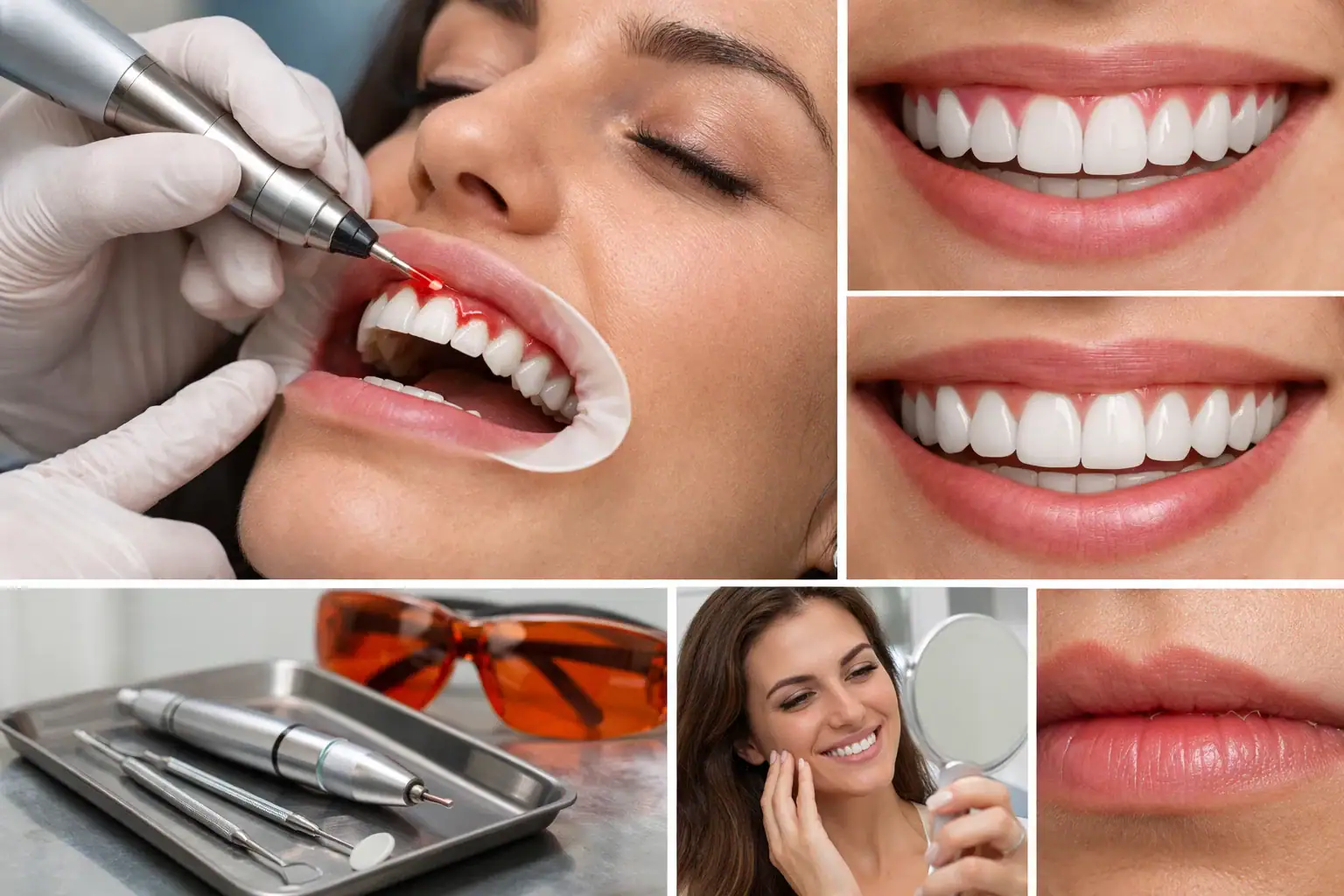
This is why Mosdent's treatment planning process always includes a periodontal assessment as a foundational step whether the patient's primary concern is pain, function, or aesthetics. For patients pursuing Hollywood smile design, pink dental aesthetics procedures may also be incorporated to ensure the gum line itself is healthy, symmetrical, and aesthetically harmonious with the new restoration.
/ Why Choose Turkey for Periodontal Treatment?
Istanbul has become a significant destination for international patients seeking high-quality, affordable periodontal and general dental care. Mosdent Dental Hospital, operating since 1992, combines internationally trained specialists with digital diagnostic technology and a dedicated periodontology department.
International patients benefit from:
- Treatment costs significantly lower than equivalent care in the UK, Germany, or the United States
- Multilingual patient coordinators managing the entire treatment journey
- Comprehensive treatment planning that addresses gum health alongside any restorative or cosmetic goals
- A long-established clinical history with international patient infrastructure
For patients combining gum treatment with other dental work implants, crowns, or a full smile makeover treatment is typically coordinated within a single visit window wherever clinically appropriate.
/ Frequently Asked Questions
Why do my gums hurt when I brush my teeth? The most common cause is gingivitis inflammation caused by plaque buildup along the gumline. Aggressive brushing technique or a hard-bristled toothbrush can also cause this. A dental evaluation can distinguish between these causes.
Can stress cause gum pain? Stress doesn't directly cause gum disease, but it can weaken immune response and is associated with increased teeth grinding (bruxism), both of which can contribute to gum sensitivity and pain.
How long does gum pain from gingivitis take to heal? With professional cleaning and improved home hygiene, gingivitis-related pain and inflammation typically resolves within one to two weeks.
Is gum pain always a sign of gum disease? No. While gum disease is a common cause, gum pain can also result from mechanical irritation, hormonal changes, ill-fitting dental work, vitamin deficiencies, or issues originating in an adjacent tooth. A proper evaluation identifies the actual cause.
When should I see a dentist for gum pain? If pain persists beyond a week despite good hygiene, or if you notice swelling, pus, fever, loose teeth, or bleeding without an obvious trigger, seek a professional evaluation promptly rather than waiting.
/ Take Gum Pain Seriously, Early Evaluation Matters
Gum pain is your body's signal that something needs attention. In its earliest stages, the underlying cause is often simple to treat and fully reversible. Left unaddressed, the same symptom can progress toward more complex, less reversible conditions.
If you're experiencing persistent or worsening gum pain, Mosdent Dental Hospital's periodontology team is ready to provide a thorough evaluation and a treatment plan tailored to your specific cause. Contact us to arrange a consultation.
Let’s plan the right treatment together.
Free Assessment→- 1.Kassebaum NJ, Bernabé E, Dahiya M, Bhandari B, Murray CJ, Marcenes W. Global burden of severe periodontitis in 1990-2010: a systematic review and meta-regression. J Dent Res. 2014;93(11):1045-1053. doi:10.1177/0022034514552491
- 2.Heitz-Mayfield LJ, Trombelli L, Heitz F, Needleman I, Moles D. A systematic review of the effect of surgical debridement vs non-surgical debridement for the treatment of chronic periodontitis. J Clin Periodontol. 2002;29 Suppl 3:92-102. doi:10.1034/j.1600-051x.29.s3.5.x