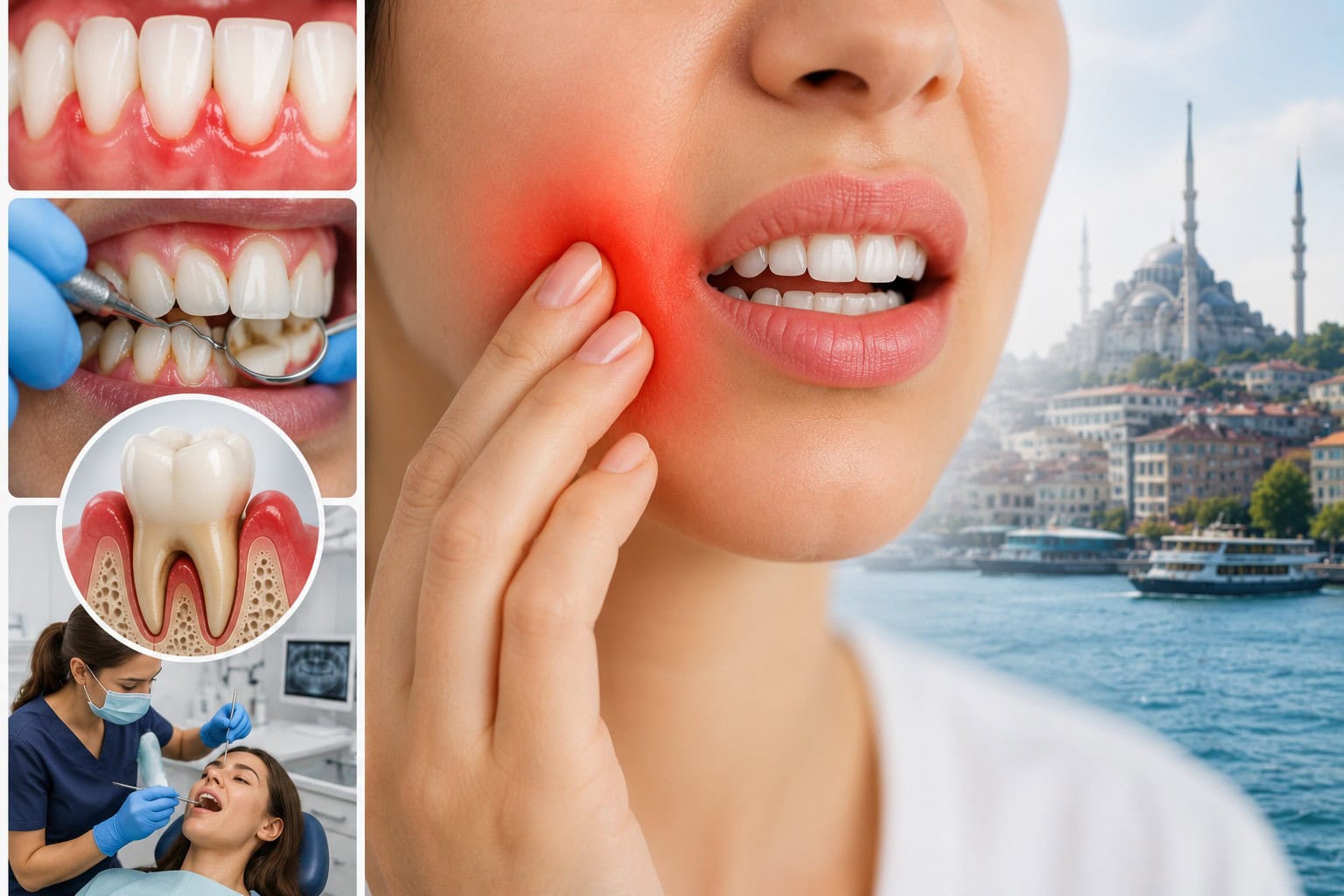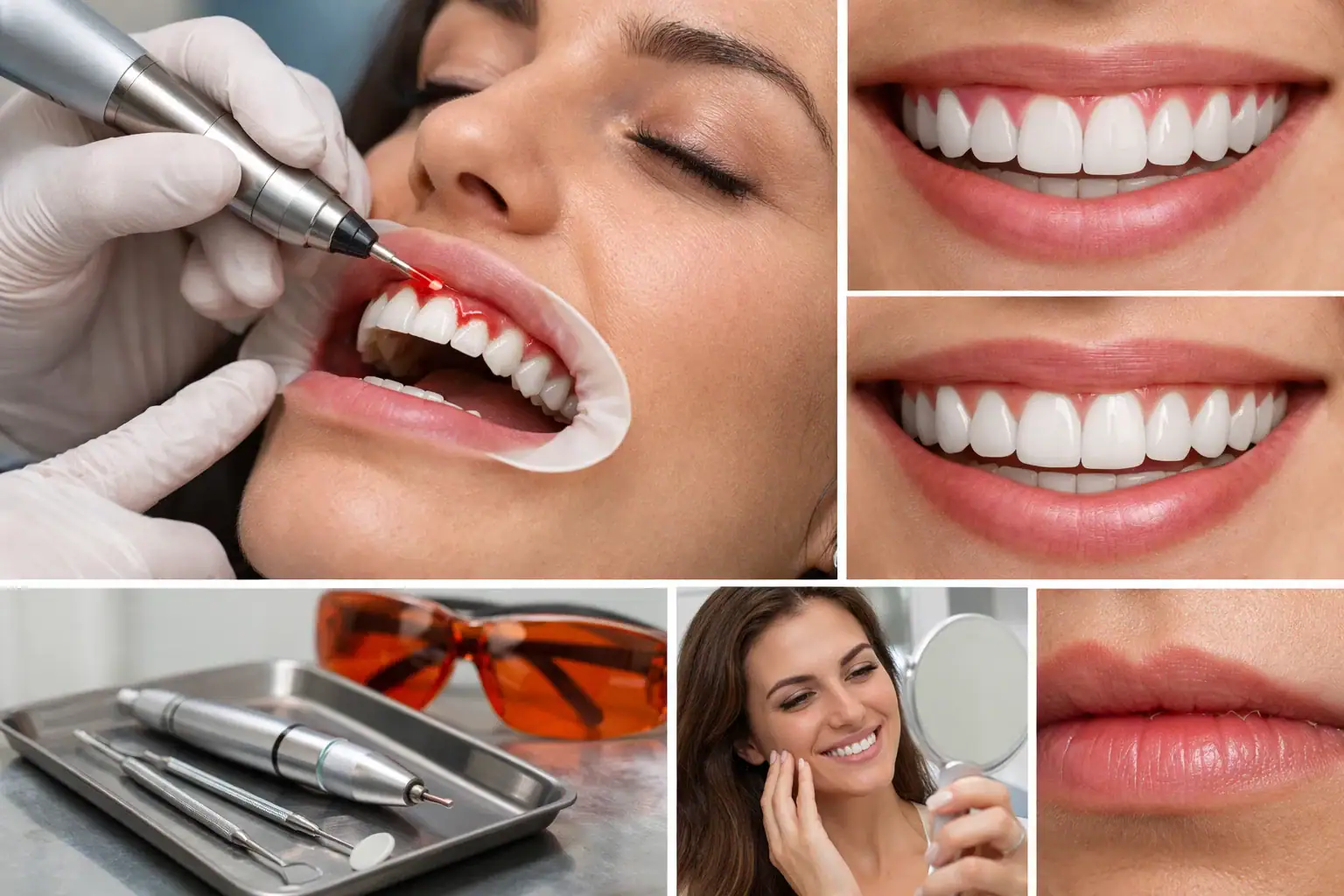
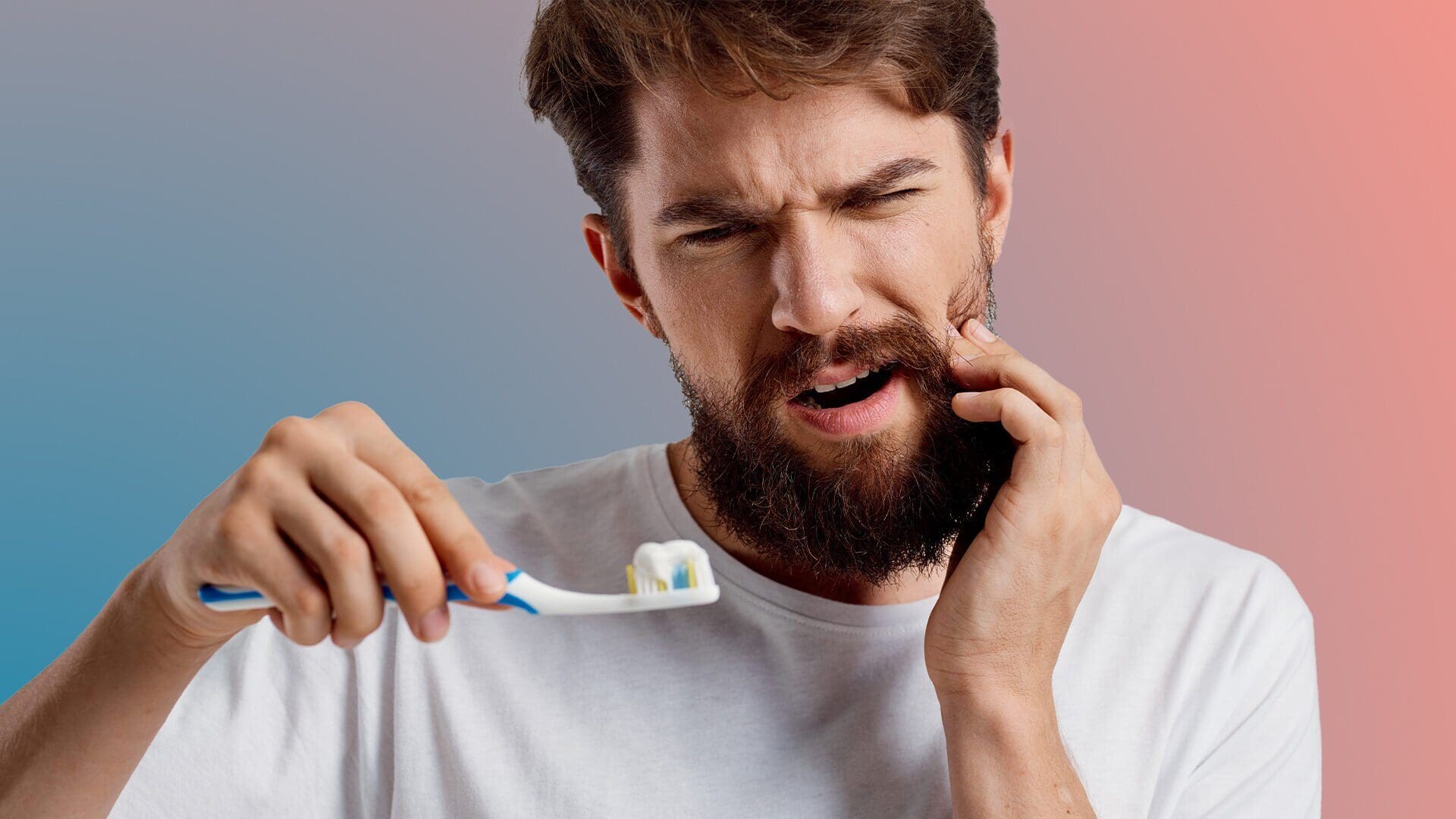
Bleeding gums are the earliest visible sign of gum inflammation, usually gingivitis caused by plaque and tartar accumulating along the gum line, and untreated gingivitis can progress to periodontitis with gum and bone loss. Other contributors are over-hard brushing, vitamin C and K deficiency, diabetes, hormonal change during pregnancy, puberty and menopause, smoking, and a weakened immune system. The scale is not small: severe periodontitis had a global age-standardised prevalence of 11.2% across 72 studies covering 291,170 people, making it the sixth most prevalent condition in the world (PubMed 25261053).
- 01Bleeding is a symptom rather than a diagnosis: it signals gingivitis from plaque and tartar, which becomes periodontitis with gum and bone loss if it is left untreated.
- 02Severe periodontitis was the sixth most prevalent condition worldwide, with a global age-standardised prevalence of 11.2% across 72 studies covering 291,170 people in 37 countries (PubMed 25261053).
- 03Prevalence climbs steeply between the third and fourth decades of life, driven by an incidence peak at around age 38 (PubMed 25261053).
- 04Interdental cleaning added to brushing may reduce gingivitis: flossing showed a gingival index reduction at one month (SMD -0.58, 8 trials, 585 participants) on low-certainty evidence (PubMed 30968949).
- 05Systemic factors change the picture: diabetes, pregnancy, puberty, menopause, vitamin C and K deficiency, smoking and immune suppression all raise bleeding risk independently of brushing technique.
Bleeding gums are an oral health problem that many people experience but often neglect. If you notice bleeding while brushing or flossing your teeth, there may be serious underlying causes. So, what are the causes of bleeding gums and how can they be prevented? Taking conscious steps to prevent and treat bleeding gums can help you maintain your oral health.
/ Causes of Bleeding Gums
There can be many different causes of bleeding gums. Understanding these causes is very important in determining the right treatment method. Here are the main causes of bleeding gums:
Gum Inflammation (Gingivitis)
Plaque and tartar buildup can cause gum inflammation, which can cause bleeding. If left untreated, gingivitis can lead to more serious gum disease.
Periodontitis
If left untreated, gingivitis can develop into a serious infection that causes gum and bone loss, which can lead to tooth loss.
Wrong Brushing Techniques
Brushing your teeth too hard or using an unsuitable toothbrush can damage your gums. It is important to brush your teeth gently using soft-bristled brushes.
Vitamin Deficiency
Vitamin C and K deficiencies can negatively affect gum health. Vitamin C deficiency in particular can increase gum bleeding.
Diabetes and Other Systemic Diseases
Chronic diseases such as diabetes can affect gum health. Diabetic patients need to take extra care with their oral care.
Hormonal Changes
The risk of bleeding gums may increase during pregnancy, puberty, and menopause. Hormonal changes can make gums more sensitive.
Smoking and Alcohol Use
It can negatively affect oral health and lead to gum disease. Gum disease is more common in smokers.
Immune System Weakness
Stress, malnutrition and chronic diseases can weaken the immune system, leading to the development of gum disease.
Improper or Incomplete Dental Care
Not brushing your teeth regularly, not flossing, and avoiding antiseptic mouthwashes can increase bleeding gums.
/ Bleeding Gums in Daily Life and Treatment Options
The Relationship Between Bleeding Gums and Stress
Stress can weaken the immune system and cause gum disease. The stress hormone cortisol can suppress the body's defense mechanism and increase gum inflammation. Therefore, stress management and regular oral care are important for maintaining gum health.
Is Bleeding Gums More Common in Children and the Elderly?
In children, inadequate dental care, incorrect brushing techniques and consumption of sugary foods can cause bleeding gums. In the elderly, bleeding can be more common due to receding gums and weakened gum tissue. Regular dentist check-ups and proper oral hygiene habits are of great importance in these age groups.
The Connection Between Bleeding Gums and Bad Breath
Gum disease is often associated with bad breath. Gum inflammation can cause bacteria to multiply in the mouth, causing bad breath. Regular dental cleaning and the use of antiseptic mouthwash can prevent this problem.
Herbal and Natural Solutions for Bleeding Gums
- Salt Water Gargle: It can relieve gum inflammation with its antiseptic effect.
- Sage and Chamomile Tea Gargle: It has natural antiseptic properties and soothes the gums.
- Aloe Vera Gel: It can soothe inflammation by applying it directly to the gums.
- Turmeric Paste: It can strengthen the gums with its antibacterial properties.
How to Treat Bleeding Gums?
The following methods can be applied to treat bleeding gums:
- Proper Brushing and Flossing
- Dentist Checkups
- Diet
- Using Mouthwashes
- Quitting Smoking and Alcohol
- Balanced and Healthy Nutrition
/ Frequently Asked Questions
Is bleeding gums a serious health problem?
Bleeding gums are usually a sign of gum disease and should not be ignored.
How to stop bleeding gums?
Bleeding gums can be prevented with regular tooth brushing, flossing and dentist checkups.
What can I do at home to stop bleeding gums?
Natural solutions such as salt water gargle, aloe vera gel, and turmeric paste can be applied.
Which vitamin deficiency causes bleeding gums?
Vitamin C and K deficiencies can cause bleeding gums.
What diseases can bleeding gums be a symptom of?
Diabetes, leukemia and immune system diseases can cause bleeding gums.
Pay attention to your oral hygiene for healthy smiles!
Let’s plan the right treatment together.
Free Assessment→- 1.Kassebaum NJ, Bernabé E, Dahiya M, Bhandari B, Murray CJ, Marcenes W. Global burden of severe periodontitis in 1990-2010: a systematic review and meta-regression. J Dent Res. 2014;93(11):1045-1053. PMID 25261053
- 2.Worthington HV, MacDonald L, Poklepovic Pericic T, et al. Home use of interdental cleaning devices, in addition to toothbrushing, for preventing and controlling periodontal diseases and dental caries. Cochrane Database Syst Rev. 2019;4:CD012018. PMID 30968949