
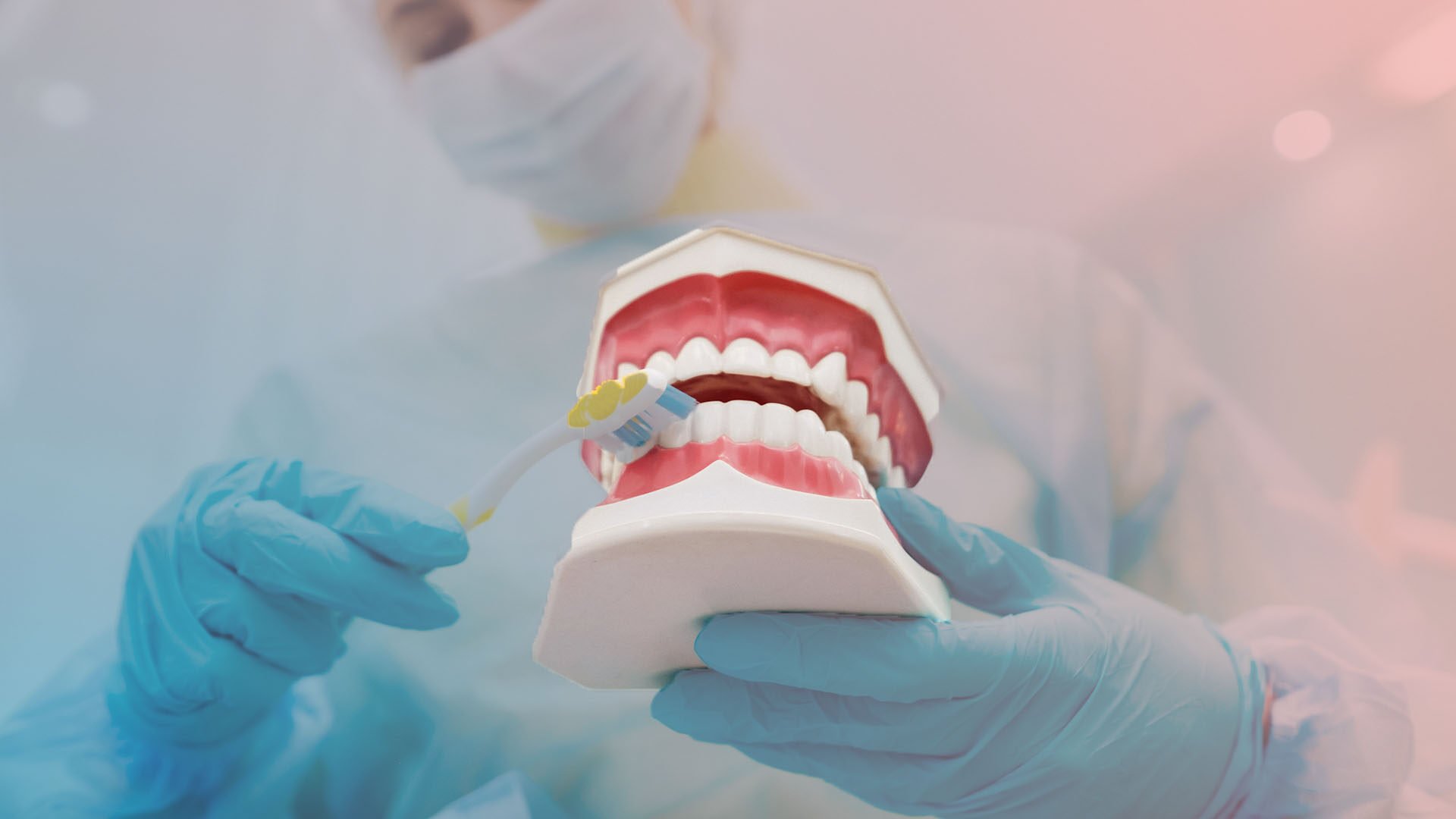
Basic oral care rests on three daily habits and one routine: brushing twice a day for at least two minutes with a fluoride toothpaste, cleaning between the teeth every day, cleaning the tongue, and a dental check-up roughly every six months. The European workshop consensus on preventing gingivitis supports the first of those directly, recommending that everyone brush twice daily for at least two minutes with a fluoridated dentifrice, and that patients with gingivitis clean interdentally once a day (PubMed 25639826). Sugary and acidic foods, smoking, alcohol, dry mouth and night-time clenching are the everyday factors that undo the routine fastest.
- 01Brushing twice a day for at least two minutes with fluoridated toothpaste is the consensus baseline, and expert opinion in the same document notes that two minutes is likely insufficient for periodontitis patients (PubMed 25639826).
- 02Fluoride concentration matters: a Cochrane review of 96 studies found that both 1,000 to 1,250 ppm and 1,450 to 1,500 ppm toothpastes reduce caries increment against non-fluoride toothpaste, with standardised mean differences of -0.28 and -0.36 (PubMed 30829399).
- 03Interdental cleaning is a separate job from brushing: once-daily interdental cleaning is recommended for patients with gingivitis, and interdental brushes are the device of choice wherever they pass without trauma (PubMed 25639826).
- 04Severe periodontitis affects over 11 percent of adults and is a major cause of tooth loss, which is why bleeding gums are treated as a signal rather than a nuisance (PubMed 25639826).
- 05Replace a toothbrush every 3 months or sooner if the bristles wear, and keep a dental check-up and professional cleaning roughly every 6 months.
Oral and dental health is an integral part of our overall health. A healthy mouth gives you a good smile and supports many body functions such as the digestive system and immune system. So, what should we pay attention to in order to maintain oral and dental health? Here is what you need to know about basic oral and dental health!
/ Importance of Oral and Dental Health
Teeth and gums are one of the most sensitive areas of our body. An unhealthy mouth can cause many serious health problems, from bad breath to tooth loss, from heart disease to diabetes. Therefore, regular dental care plays a critical role for an aesthetic smile and for overall health.
/ Basic Oral and Dental Health Habits
Correct Tooth Brushing Techniques
- Brush your teeth at least twice a day.
- Use toothpaste that contains fluoride.
- Hold the brush at a 45-degree angle to the gums and brush gently.
- Brushing should last at least 2 minutes.
Why is dental floss important?
- Brushing your teeth alone is not enough, flossing cleans bacteria and plaque between your teeth.
- Daily flossing helps prevent cavities and gum disease .
- Be gentle when using it to avoid damaging your gums.
Use of Mouthwash
- Reduces bacteria in the mouth and keeps breath fresh.
- Alcohol-free antiseptic mouthwashes help protect gum health.
Tongue Cleaning and Its Importance
- Bacteria buildup on the surface of the tongue can cause bad breath.
- Special tongue brushes or scrapers can be used to clean the tongue.
Gum Diseases and Prevention Methods
- Bleeding gums and sensitivity should be taken seriously.
- Daily care habits protect gum health.
- Early intervention can prevent gum recession.
Methods to Prevent Tooth Decay
- Reduce sugary and acidic foods.
- Ensure early diagnosis with regular dental check-ups.
- Consume enough calcium and minerals to protect tooth enamel.
Teeth Clenching and Grinding Problem
- This situation, which can occur due to stress, can damage tooth enamel.
- You can protect your teeth by using a night plate.
Dry Mouth and Its Causes
- Inadequate saliva production can negatively affect oral health.
- Drinking plenty of water and chewing sugar-free gum can increase saliva production.
Dentist Checkups
- Visit your dentist every 6 months for a professional check-up and cleaning.
- Regular check-ups are very important for early detection of gum disease or cavities.
Factors Affecting Oral and Dental Health
Smoking and Alcohol Use
- Smoking can cause gum disease and yellowing of teeth.
- Alcohol causes dry mouth, which accelerates bacterial growth.
Stress and Oral Health
- Stress can cause problems such as teeth clenching and grinding.
- Clenching teeth can cause tooth enamel wear and tooth sensitivity.
Oral Health During Pregnancy
- Hormonal changes during pregnancy can increase gum sensitivity.
- During this period, you should be more careful about gum disease and not skip your dentist check-ups.
Oral and Dental Health in Children
- Regular care should be done when the first tooth starts to appear.
- Children should be taught the correct tooth brushing habit at an early age.
Dental Health in the Elderly
- As we age, gum recession and tooth loss may occur.
- Regular checks should be provided regarding prosthesis and implant care.
The Relationship Between Nutrition and Oral Health
- Sugary foods should be avoided.
- Foods containing calcium, vitamin D and phosphorus should be consumed.
- Water consumption supports oral health.
/ Frequently Asked Questions
- How often should I change my toothbrush?
You should change your toothbrush every 3 months or when the bristles wear out.
- What happens if I don't floss?
Not flossing can cause plaque and bacteria to build up between your teeth, which can lead to tooth decay and gum disease.
- How can I prevent bad breath?
Regular brushing, flossing, mouthwash, and drinking plenty of water can prevent bad breath.
- Is teeth whitening harmful?
Teeth whitening performed using methods recommended by your dentist is generally safe. However, excessive whitening can damage tooth enamel.
- When should children start brushing their teeth?
When babies' first teeth start to appear, they should be cleaned with a soft cloth or a child's toothbrush.
- How can dry mouth be relieved?
Drinking plenty of water, chewing sugar-free gum, and consuming foods that increase saliva production can help prevent dry mouth.
Don't neglect your oral care for healthy and happy smiles!
Let’s plan the right treatment together.
Free Assessment→- 1.Chapple IL, Van der Weijden F, Doerfer C, Herrera D, Shapira L, Polak D, et al. Primary prevention of periodontitis: managing gingivitis. J Clin Periodontol 2015;42 Suppl 16:S71-6. PubMed 25639826
- 2.Walsh T, Worthington HV, Glenny AM, Marinho VC, Jeroncic A. Fluoride toothpastes of different concentrations for preventing dental caries. Cochrane Database Syst Rev 2019;3:CD007868. PubMed 30829399