
Bonding
Bonding adds tooth-coloured resin composite to the tooth in layers and light-cures it, correcting small fractures, gaps and shape faults in one session.
- Single-session
- No tooth preparation
- Ideal for minor aesthetic corrections
First consultation free · same-day reply · no price pressure
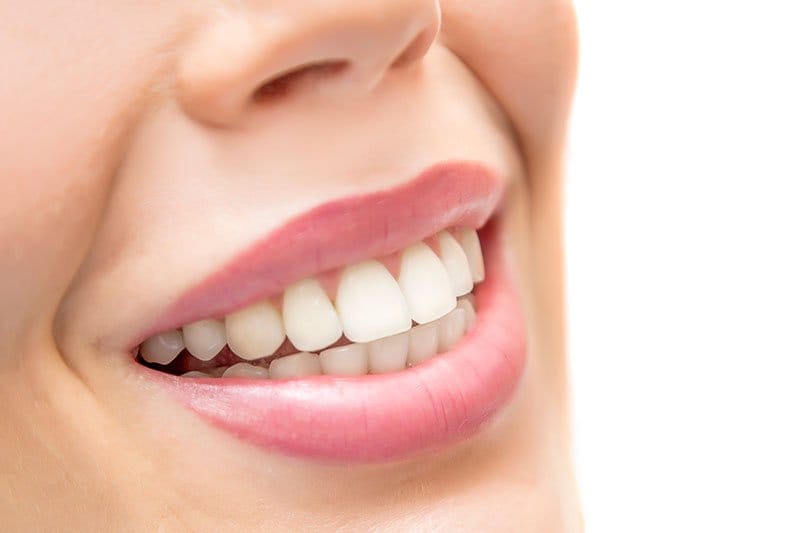
Bonding is a technique in which tooth-coloured resin composite is added to the tooth in increments and light-cured in the same appointment to correct shape, close a gap or repair a small fracture, with no laboratory stage and, in most cases, no enamel removed. Pooled across randomised controlled trials, composite laminate veneers survived at 88% (95% CI 81-94) with follow-up from 24 to 97 months, and the same review found higher survival for veneers built directly in the mouth than for those made in a laboratory and bonded on (PubMed 38035903). The commonest complaints were surface roughness, colour mismatch and marginal discoloration, most of them judged clinically acceptable.
- 01The long-term picture for anterior composite is a wide band rather than a single number. A systematic review of 17 clinical studies covering 1,821 restorations reported a total failure rate of 24.1%, annual failure rates from 0% to 4.1% and survival from 53.4% to 100%, with fracture of tooth or restoration the commonest reason for failure (PubMed 26303655).
- 02Why the restoration was placed changes how it fails. In the same review, restorations placed for caries or fracture failed mostly by fracture, while restorations placed for esthetic reasons failed more often on colour, anatomical form and surface staining (PubMed 26303655). For a patient travelling for appearance, that is the outcome to ask about at review.
- 03Repairability is the practical advantage and it has been measured: repairing a defective direct restoration showed no detectable difference in failure risk against replacing it (RR 1.21, 95% CI 0.51-2.83), although risk of bias was high and certainty of evidence very low (PubMed 35362754). A chip on bonded composite can usually be handled chairside, which matters when the treating clinic is in another country.
- 04Restorations that include the incisal edge are the harder case. Across 21 clinical trials, estimated median success at 10 years was 95% for Class III and 90% for Class IV restorations, with bulk fracture the main reason Class IV restorations were replaced and those fractures significantly more frequent with microfilled composites than with hybrid or macrofilled ones (PubMed 25773188).
- 05Moving from bonding to ceramic veneers changes the governing variable. There, outcome tracks how much enamel is left: across 580 veneers, survival was 99% where the preparation stayed inside enamel against 86% overall, and veneers bonded into dentine were roughly ten times more likely to fail (PubMed 23342345). A written plan described as bonding should not involve preparation all around the tooth.
/ Bonding Treatment
Bonding is one of the most commonly used dental procedures to restore tooth integrity. Bonding treatment is applied to restore dental aesthetics. In addition to changing the color, shape and size of the teeth, bonding can also be used to eliminate various dental defects that detract from the aesthetic appearance.
Bonding treatment is also known as aesthetic filling or composite laminate. An important advantage of the procedure is that there is no need to remove tissue from the tooth surface during the application. It is applied by adding bonding material or composite resin compatible with the natural color of the tooth to the area to be treated. The application is usually completed in one session. In this way, an aesthetic tooth appearance can be achieved without removing tooth tissue.
The aesthetic dentistry procedure applied by applying a tooth-colored composite material to the tooth, shaping, hardening and polishing it is called bonding. It is an ideal method that is often preferred in small-scale aesthetic dentistry applications to fix broken or chipped teeth for any reason or to eliminate small gaps between teeth.
Thanks to bonding, the overall appearance of the teeth can be improved comfortably and quickly. The main purpose of bonding treatment is to optimize dental aesthetics by repairing, reshaping, lightening or straightening the teeth. The procedure is planned and performed individually for the patient. By using an artificial resin material that has the ability to imitate a real tooth color, shape and volume are added to the tooth. Thus, an aesthetic tooth appearance can be achieved in a short time and at affordable costs.
| At a glance | |
|---|---|
| Duration | 1 session |
| Sessions | 1 |
| Warranty | 2 years |
| Materials Used | Composite resin |
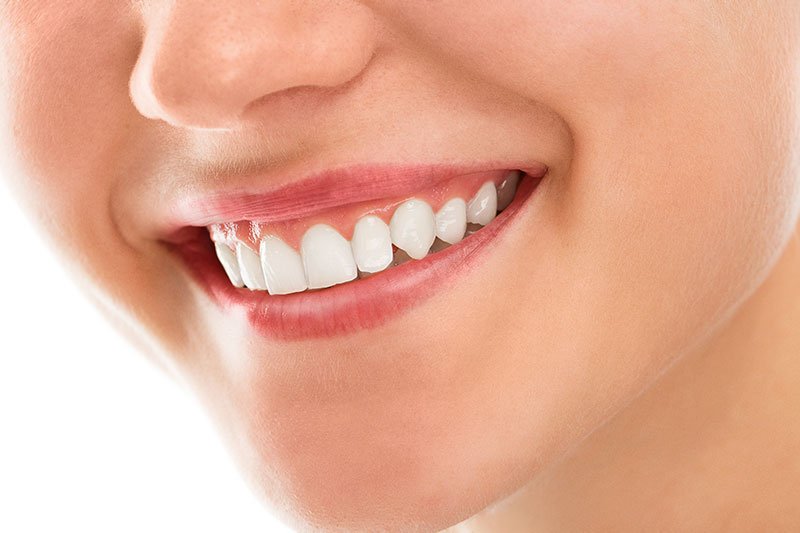
/ How is Bonding Application Performed?
In order to apply bonding, the tooth to be treated is first prepared. If there is no decay in the tooth, bonding can be performed without anesthesia. The composite filling color that will best match the natural color of the tooth to be treated is selected. For this, a color guide is used and then the treatment is started.
The surface of the tooth to be treated is roughened, then a conditioning fluid is applied to the surface. This step is applied to ensure that the adhesive bonds better to the tooth. The tooth-colored adhesive material is applied to the tooth and shaped. This should be done before the material hardens. After shaping, the bonding material is hardened with a laser or bright light. The dentist can shape or cut if necessary. The final step is a polishing to match the shade and brightness of the tooth surface, thus supporting the natural appearance.
Bonding is usually completed within 30 to 60 minutes. This time may vary depending on the current condition of the tooth, how many teeth will be treated, the expertise of the dentist, the quality of the material used and similar factors.
It is usually possible to complete the bonding application in a single session. However, depending on the scope of the procedure, more than one session may be required for each patient.
Treatment Process
- 01Consultation: Initial examination and needs assessment; imaging where required.
- 02Treatment: Surface prep, composite application, shaping, polishing.
- 03Follow-up: Outcome review and aftercare guidance.
/ Bonding Advantages and Longevity
Bonding is an effective method that can be applied not only to treat tooth fractures, but also to give perfect-looking teeth and a successful smile design. Bonding is more affordable than other aesthetic dentistry procedures. In addition, a tooth that has undergone bonding treatment can be re-bonded if needed.
Bonding is an application in the form of natural teeth, so it is not noticeable from the outside. It is a dental procedure that increases the resistance of teeth against staining. Anesthesia is usually not required for bonding application.
The application is done with the least possible tooth loss. Thanks to bonding treatment, which helps to increase the patient's comfort and self-confidence, tooth wear can be removed quickly.
How Long Does Bonding Last?
It is possible to get permanent and durable results if bonding is applied by specialized and experienced dentists with quality materials and correct techniques. Of course, for long-term and healthy use, attention should be paid to important points such as following the dentist's recommendations after bonding treatment and not neglecting oral and dental care. If the necessary care is taken in all these matters and routine dental examinations are not neglected, bonding treatment provides permanent results for 7 to 10 years.
/ Bonding Indications and Dental Care
Bonding indications and dental care are related to the treated teeth and post-treatment routine.
Bonding;
- It can be applied to teeth with gaps called "Diastema" between them. - Bonding treatment can be applied to teeth that need shape changes such as lengthening or teeth whose colour needs to be changed. No cuts are made on the teeth during bonding treatment. Therefore, it is an extremely advantageous dental procedure for people who want to have aesthetic looking teeth. The closest treatment to bonding treatment is porcelain laminate treatment. However, in this treatment, teeth are cut. In addition, both the construction process is longer and the material used is more expensive. Therefore, bonding treatment stands out as a more advantageous procedure for those who want to achieve fast and quality results in an economical way.
How Should Bonding Dental Care Be?
In order to maintain oral and dental health, individuals should be attentive not only after bonding treatment but also at all times, and should fulfill their oral and dental care routine regularly. However, the fact that dental care becomes more important after any dental procedure, especially bonding, should not be ignored.
Especially in the first 2 days after the bonding application, the consumption of foods and beverages that may cause discoloration and staining of the teeth should be avoided. Making mistakes in nutrition can cause staining and yellowing of the teeth and reduce the benefit of bonding treatment. In particular, consuming tea, coffee, cigarettes and other tobacco products can have negative effects on tooth color. Although it is possible to prevent possible deformations with polishing, the number of additional sessions can be reduced with the right care, saving both time and cost.
/ Considerations After Bonding Application
The things to be considered after bonding application can be listed as follows:
- For the first 48 hours following the bonding treatment, foods and drinks that may cause discoloration of the teeth should not be consumed. In this way, it is possible to protect the treated tooth from possible discoloration and staining. There is a risk of discoloration of the resin material due to tea, coffee, cigarettes, caramel, tomato paste, cherry juice and similar substances.
- Maximum attention should be paid to oral and dental hygiene after bonding. Brushing and flossing should become integral parts of the daily oral and dental care routine.
- Routine dental examinations should not be neglected after bonding.
- Care should be taken not to bite hard objects such as pencils, hairpins and ice.
- Care should be taken when consuming foods that may cause strain, especially hard and shelled nuts.
- People who have the habit of biting their nails should give up this habit.
- High salt consumption should not be started immediately after bonding treatment.
- In cases of excessive consumption of sweets, gargle and/or brush your teeth immediately.
Bonding Prices
Bonding prices may vary depending on the patient. When determining bonding prices, different factors such as how many teeth the treatment will be applied to, whether different dentistry procedures are required and the quality of the material to be used are evaluated. In addition, the expertise and experience of the dentist who will apply the bonding treatment and the price policy of the clinic where the application will be performed are also factors that affect bonding prices.
The prices of the bonding method, which is a dentistry procedure based on the application of designs planned according to tooth fractures or gaps, are more affordable than other aesthetic dentistry procedures.
- 1.Lim TW, Tan SK, Li KY, Burrow MF. SURVIVAL AND COMPLICATION RATES OF RESIN COMPOSITE LAMINATE VENEERS: A SYSTEMATIC REVIEW AND META-ANALYSIS. J Evid Based Dent Pract 2023;23:101911. PubMed 38035903
- 2.Demarco FF, Collares K, Coelho-de-Souza FH, Correa MB, Cenci MS, Moraes RR, et al. Anterior composite restorations: A systematic review on long-term survival and reasons for failure. Dent Mater 2015;31:1214-24. PubMed 26303655
- 3.Mendes LT, Pedrotti D, Casagrande L, Lenzi TL. Risk of failure of repaired versus replaced defective direct restorations in permanent teeth: a systematic review and meta-analysis. Clin Oral Investig 2022;26:4917-4927. PubMed 35362754
- 4.Heintze SD, Rousson V, Hickel R. Clinical effectiveness of direct anterior restorations--a meta-analysis. Dent Mater 2015;31:481-95. PubMed 25773188
- 5.Gurel G, Sesma N, Calamita MA, Coachman C, Morimoto S. Influence of enamel preservation on failure rates of porcelain laminate veneers. Int J Periodontics Restorative Dent 2013;33:31-9. PubMed 23342345

Who is this treatment for?
- Small tooth fractures or chipped teeth
- Small gaps between teeth
- Shape irregularities or deformities in the teeth
- Teeth that need their length increased
- Teeth whose color needs to be changed
- Dental defects that detract from an aesthetic appearance
Doctors specialising in this treatment




Frequently asked
01Can bonding be completed in a single visit?+
Yes. Bonding is typically finished in one clinical appointment. No laboratory stage is needed and tooth preparation is minimal or none. Bonding is a procedure in which composite resin is shaped directly on the tooth and set with light.
02How long does dental bonding last?+
A meta-analysis pooling randomised trials put survival of composite veneers at 88% (95% CI 81-94) over follow-up of 24 to 97 months (PubMed 38035903). A review of 17 clinical studies of anterior composite restorations found annual failure rates ranging from 0% to 4.1%, with tooth or restoration fracture the commonest cause (PubMed 26303655). Avoiding hard objects and attending regular check-ups keeps the result at the upper end.
03Is composite bonding the same as composite veneers?+
They overlap, but they are not always exactly the same. Composite bonding usually means tooth-coloured resin added directly to the tooth in layers and cured with light in the same appointment; a composite veneer or composite laminate may be built directly in the mouth or fabricated in a laboratory and bonded on afterwards. In the same meta-analysis, veneers built directly in the mouth showed higher survival than those fabricated in a laboratory and bonded on afterwards (PubMed 38035903).
Restorative & General
Composite Filling
A composite filling restores tooth lost to decay or fracture with tooth-coloured resin composite, layered and light-cured in one session, with no mercury.
Explore→02Dental Radiology
Dental radiology images the roots, bone and impacted teeth an examination cannot show; periapical, panoramic or CBCT imaging follows the clinical question.
Explore→03Aesthetic Filling
An aesthetic filling restores tooth lost to decay or fracture with tooth-coloured composite resin, layered and light-cured, usually in a single session.
Explore→Speak with your doctor about this treatment.
Not sure which treatment fits? Tell us what’s wrong →