
Zirconium Crown
Zirconia crowns and bridges: metal-free full-coverage restorations, custom-made per tooth from a digital impression and milled in-house.
- Metal-free zirconia, no dark gum margin
- Natural translucence
- Single crowns and multi-unit bridges
- Digital impression, CAD/CAM milled
First consultation free · same-day reply · no price pressure
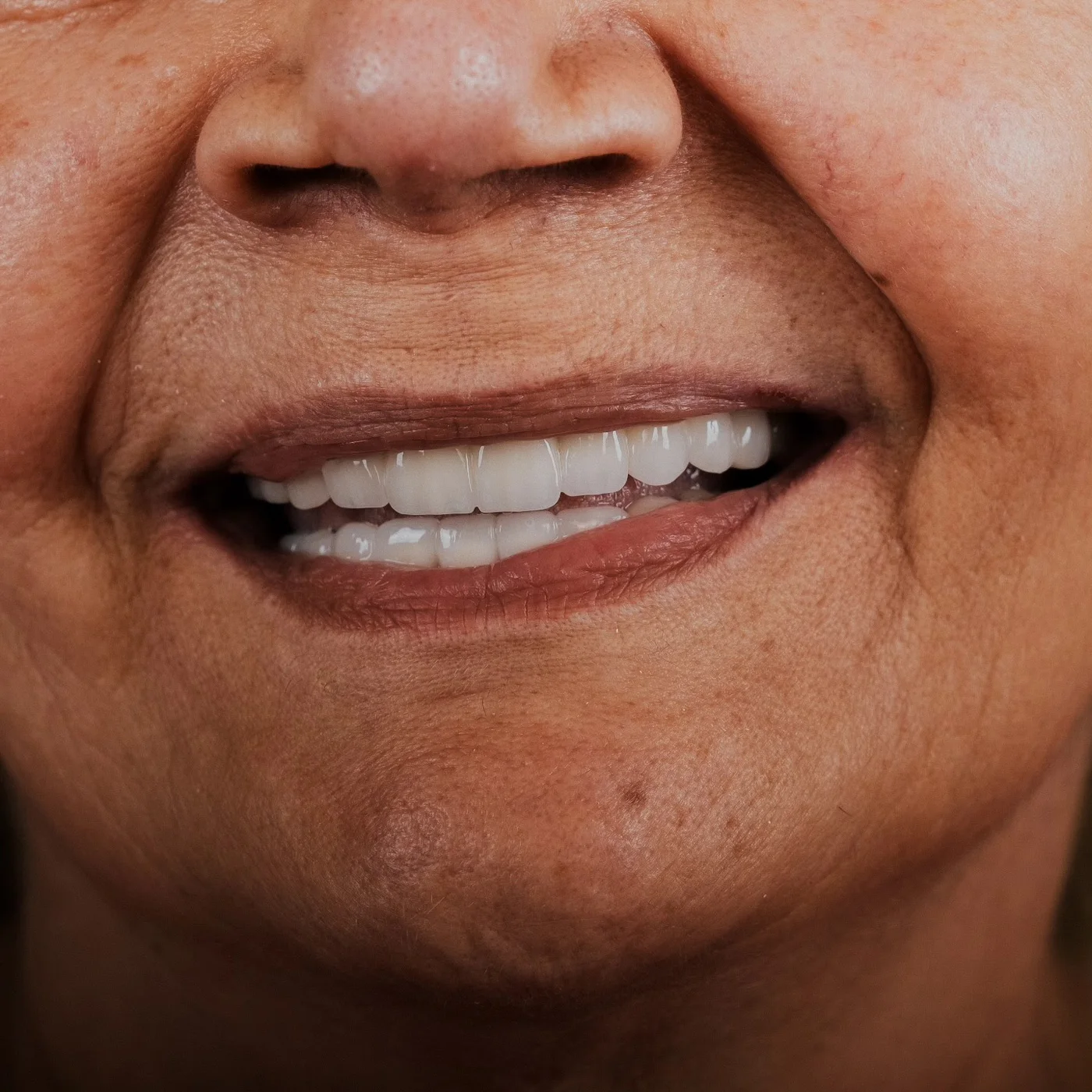
A zirconia crown is a full-coverage restoration milled from zirconium dioxide (ZrO₂), a high-strength ceramic with no metal substructure, and fitting one requires irreversible preparation of the tooth all the way around. Pooling 64 clinical studies covering 3,509 metal-ceramic and 8,051 all-ceramic single crowns, monolithic zirconia recorded 96.8% five-year survival, against 97.1% for metal-ceramic and 98.5% for monolithic lithium disilicate (PubMed 41489982). Before comparing two written quotes, ask which zirconia grade the crown uses and whether it is monolithic or layered, because both constructions are sold under the same word.
- 01Zirconia is a family of materials separated by yttria content. Across 78 laboratory studies, mean flexural strength was 803 ± 233 MPa for 4Y-PSZ against 570 ± 116 MPa for 5Y-PSZ (P = 0.005), so translucency is bought with strength (PubMed 40738693).
- 02Monolithic and layered zirconia sit close on survival (96.8% and 97.3% at five years) and separate on technical complications, with monolithic designs showing significantly fewer ceramic fractures and less chipping in the same meta-analysis (PubMed 41489982).
- 03Bridges change the ranking. Across 41 studies of multiple-unit fixed dental prostheses, five-year survival was 92.9% for layered zirconia, 91.3% for metal-ceramic and 87.9% for monolithic zirconia, so a per-unit price quoted for a bridge is not the same product as a price quoted for single crowns (PubMed 41650383).
- 04Over 24 months, monolithic zirconia produced 40.1 µm more vertical enamel loss on the opposing natural tooth than a natural-tooth antagonist, against 82.5 µm for metal-ceramic and 5.0 µm for lithium disilicate (PubMed 38211687, 261 crowns in 177 subjects).
- 05A crown and a veneer are separate interventions. Laminate veneers whose preparation stayed inside enamel survived at 99% over up to 12 years, while those bonded into dentine were roughly ten times more likely to fail (PubMed 23342345). Ask any written plan to state the restoration type, because a plan described as veneers that involves cutting all around each tooth is a crown plan.
/ Zirconium Dental Crown Definition
Over time, various factors such as tooth decay, tooth fractures, and the loss of durability and whiteness of teeth can compromise the health of the oral and dental structure. Aesthetic dentistry procedures come into play at this stage to help restore the teeth to their former appearance and health.
Before the advancements in aesthetic dentistry procedures, the only way to repair various damages or deficiencies in teeth was through dental prostheses. However, dental prosthetics could be considered a costly and exhausting treatment process. Dental veneer treatment, an effective and comfortable alternative offered by aesthetic dentistry, provides a much easier, faster, practical, and economical way to achieve healthy and aesthetically pleasing teeth.
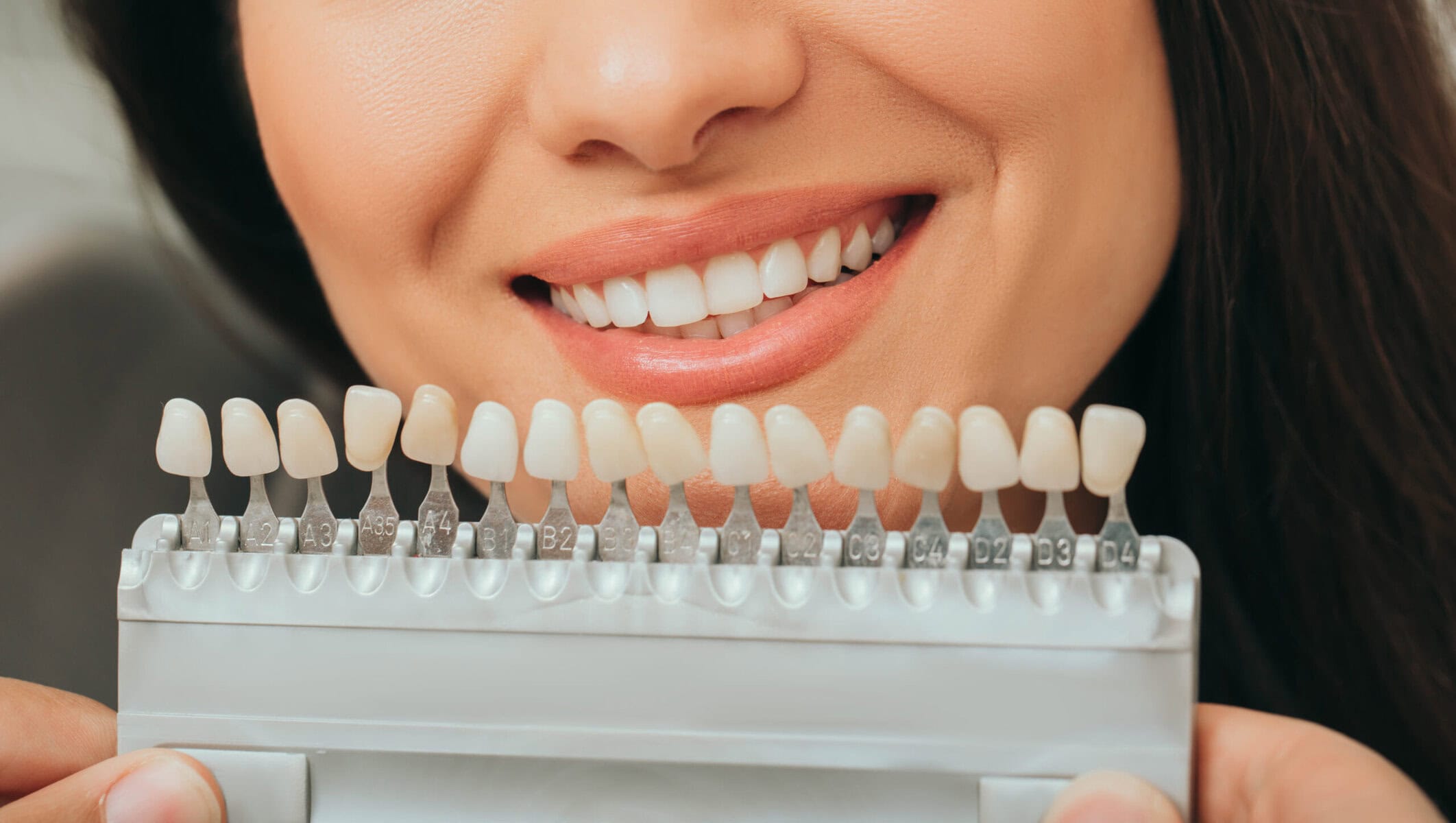
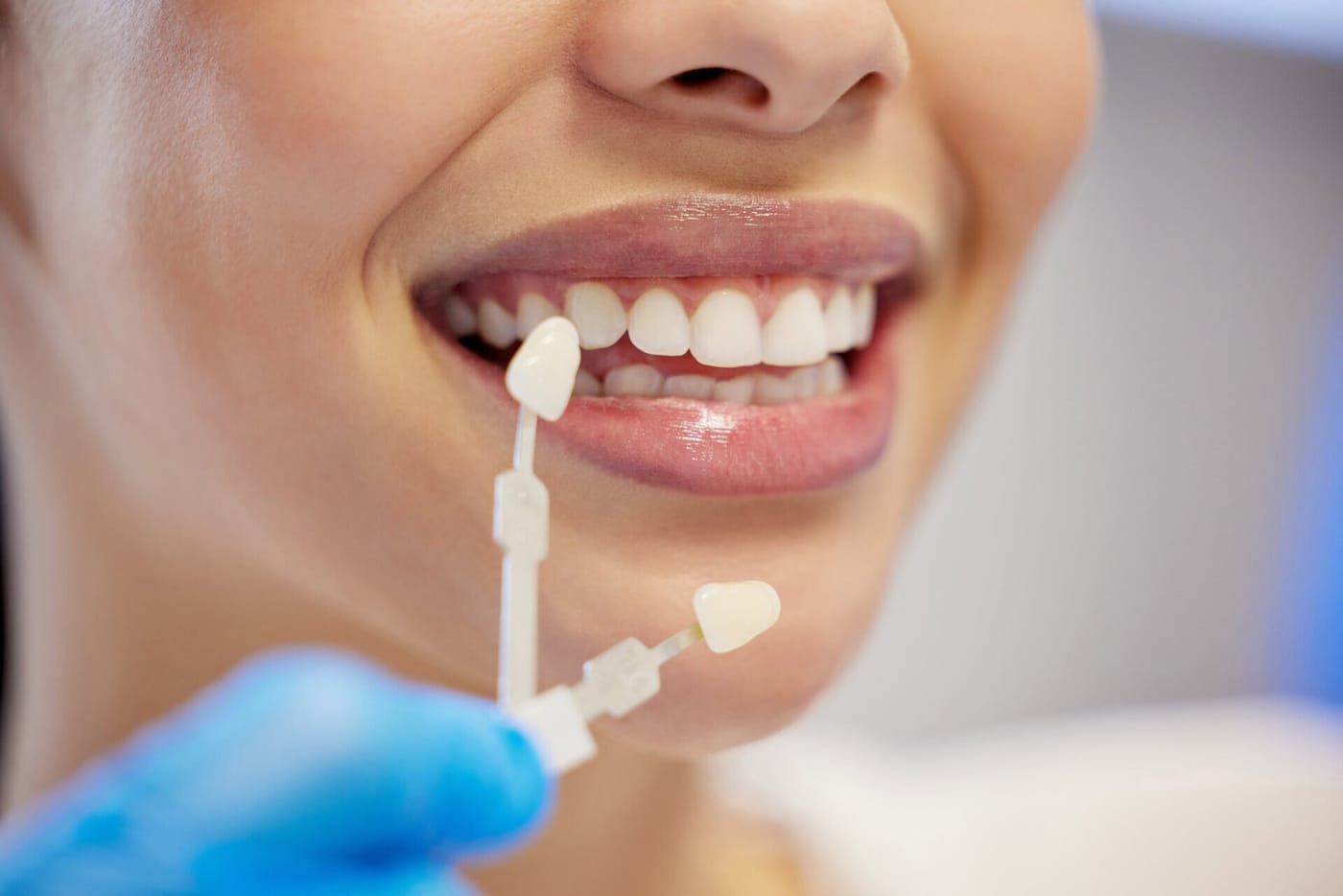
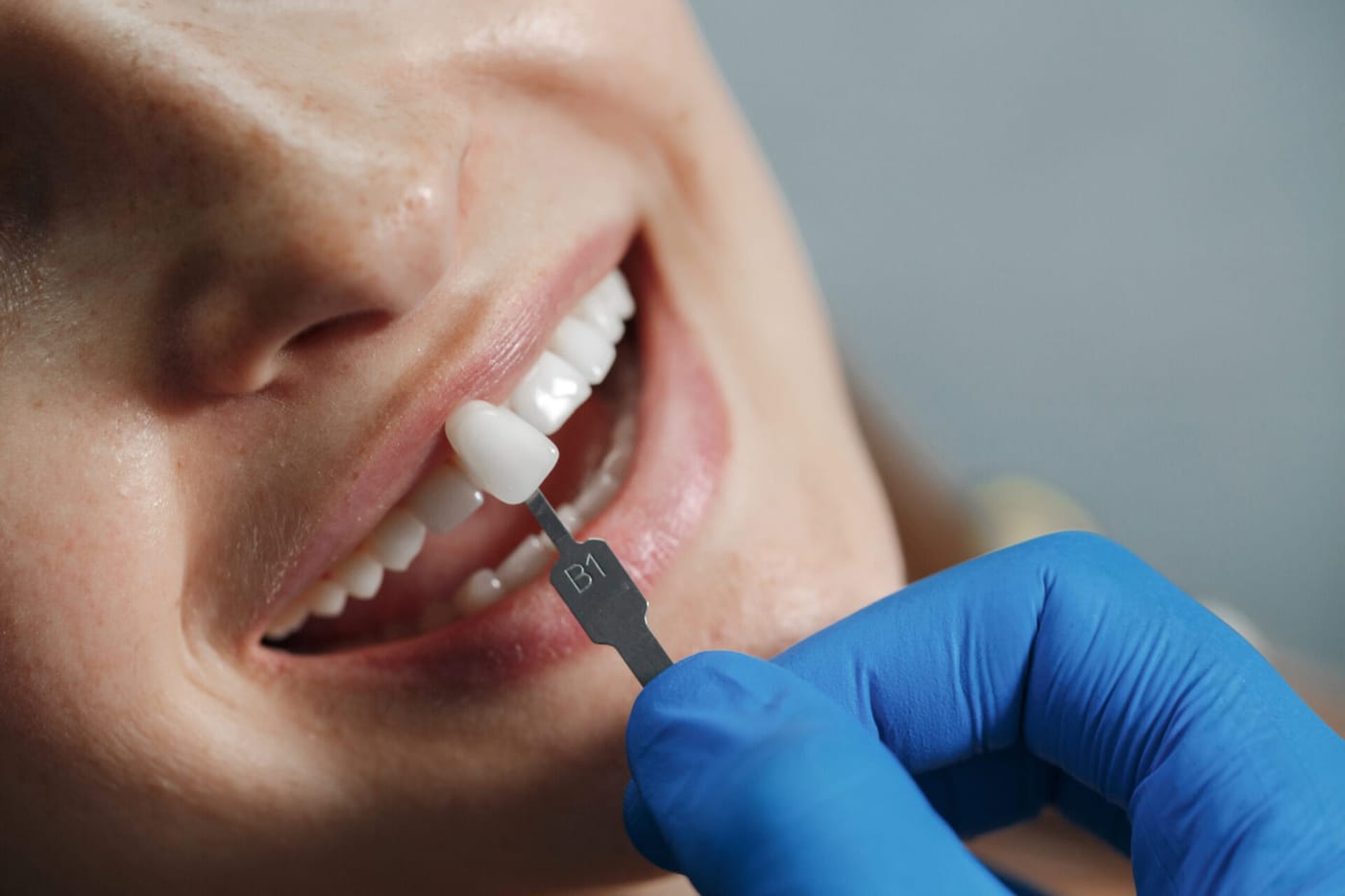
In the context of dental veneer treatment, it is possible to cover the surface of teeth that have experienced excessive substance loss due to various reasons and have deviated from their aesthetic appearance with materials resembling the shape of teeth. One of the most commonly used materials in dental veneer procedures is zirconium. Zirconium, as a strong and aesthetically supportive material, enhances the success of dental veneer treatments for teeth that have been damaged or deviated from their aesthetic appearance. The process of covering teeth with zirconium is referred to as zirconium dental veneer.
| At a glance | |
|---|---|
| Duration | 5-7 days |
| Sessions | 2 |
| Warranty | 5 years |
| Materials Used | Zirkonzahn Prettau (Italy) |
/ How is Zirconium Veneer Done?
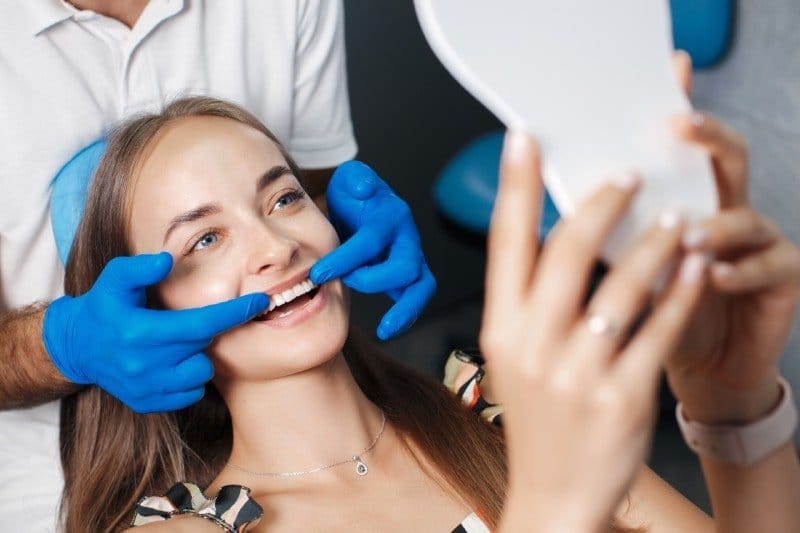
The decision to apply zirconium dental veneer treatment is made based on evaluations conducted for each individual patient. For zirconium dental veneer treatment to provide satisfactory results both in terms of health and aesthetics, the patient should not have any issues with their gum health. If a gum problem is identified, a treatment specifically targeting this issue should be applied first, and the healing process should be completed.
After evaluating the results of gum treatment from an aesthetic perspective, the smile line is examined. In cases where the smile line is high, if deemed necessary by the dentist, procedures are performed to adjust the gum levels, achieving a more aesthetic appearance.
Following the necessary adjustments to the teeth, impressions are taken using special impression materials. Teeth are cut according to these impressions. Subsequently, the three-dimensional structure of the teeth is transferred to a digital environment using special scanners.
Using a system called CAD/CAM, zirconia blocks are prepared, forming the framework for zirconium dental veneers. The teeth transferred onto the zirconia block are given their final shape, and then the firing stage begins. Once the firing stage is completed, porcelain materials in suitable colors are added to the frameworks, and zirconium crowns are completed. If no issues are identified during the framework try-in, final adjustments are made. The zirconium veneers, with their polished and smooth surfaces, are then cemented and fixed onto the teeth.
Additionally, it is necessary to cut and reduce the size of the teeth during the zirconium dental veneer treatment. However, this process is performed under local anesthesia. Therefore, patients do not feel any pain or discomfort. Furthermore, since no pain or discomfort is felt during the processes of taking measurements and scanning the mouth, it can be stated that zirconium dental veneer treatment is extremely comfortable
Treatment Process
- 01Preparation: Precise preparation of tooth surface.
- 02Impression: Digital scanning for exact fit.
- 03Fabrication: CAD/CAM production in our laboratory.
- 04Bonding: Precision adaptation and final adjustments.
/ Features of Zirconium Dental Veneers
- Zirconium is an extremely durable material used in dental veneer treatments, providing suitable resistance for chewing and other dental functions.
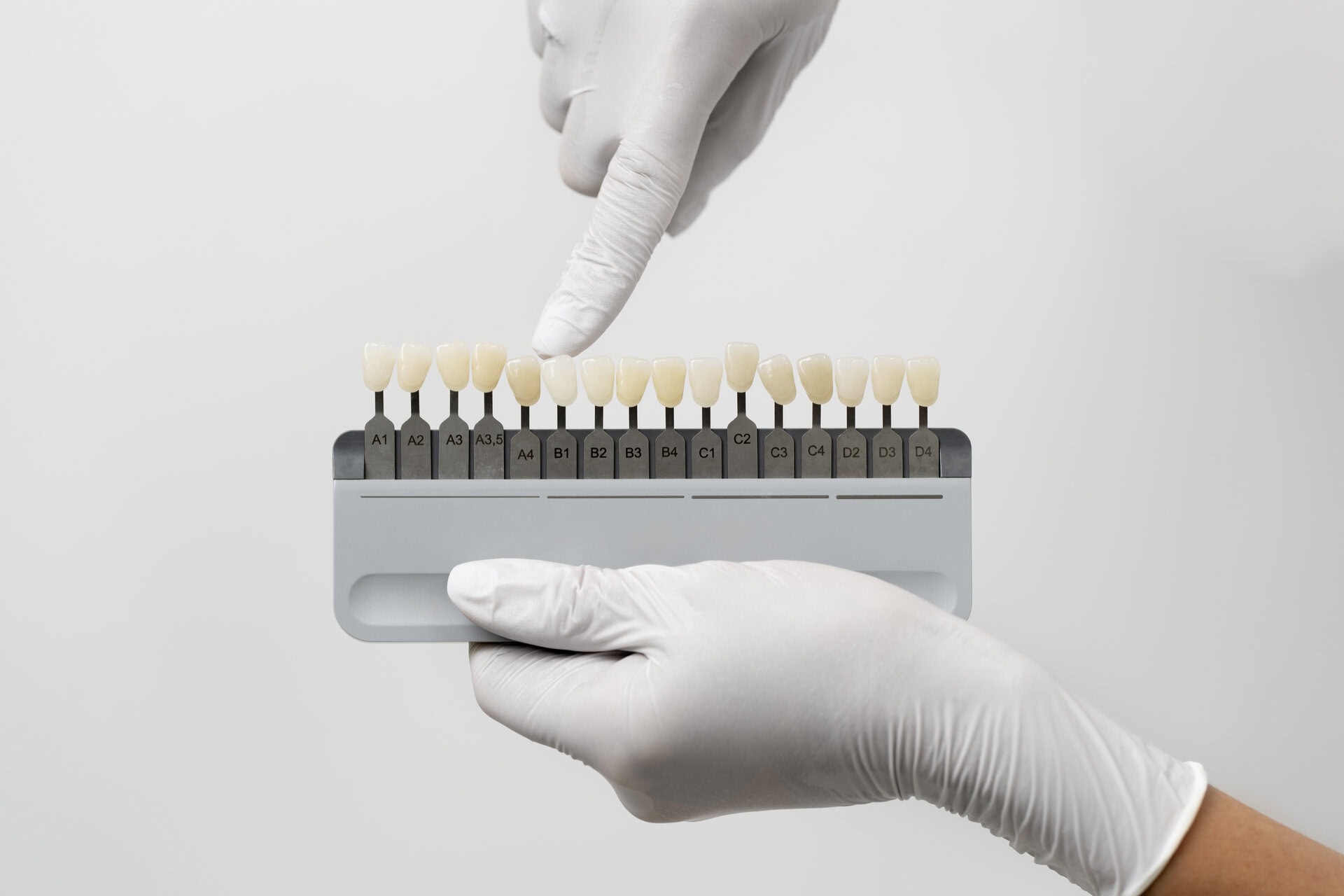
- Zirconium dental veneers, which transmit light with a translucency similar to natural teeth, offer a natural and harmonious appearance with tooth color from an aesthetic perspective.
- As zirconium is a biocompatible material, it generally does not cause allergic reactions within the human body.
- Thin and lightweight zirconium dental veneers mimic the natural structure of the teeth, resulting in natural and successful outcomes.
- Zirconium dental veneers are resistant to potential color changes over time, making them a preferable option for long-term aesthetic performance due to their stable color.
- Zirconium dental veneers, produced with high precision through digital tooth design and manufacturing technologies, provide an excellent fit with the teeth.
- With proper and regular care, zirconium dental veneers offer a safe and comfortable usage experience for many years.
- The absence of metal in zirconium dental veneers reduces the risk of allergic reactions, providing an aesthetically advantageous solution.
Those Who Choose Zirconium Veneers
Dental aesthetics play an important role in oral health as well as in appearance. Zirconium dental veneers offer a unique solution that perfectly meets these needs. Manufactured from a special ceramic material that mimics the natural appearance of teeth, zirconium dental veneers provide individuals with healthy, natural, and aesthetic-looking teeth. Color harmony and translucency features distinguish zirconium veneers from other alternatives.
Zirconium, known for its durability, ensures that individuals who choose zirconium veneers enjoy a safe and durable solution for daily chewing processes and other dental functions. This feature also makes zirconium veneers a long-lasting option.
Zirconium dental veneers offer a satisfying option both aesthetically and health-wise. Those who prefer this innovative solution can benefit from high standards in terms of natural appearance, durability, and biocompatibility.
/ Zirconium Dental Models, Lifespan and Age Limit
Full zirconium crowns are used to cover the entire teeth and stand out with their high-performance level in meeting aesthetic expectations. They provide a natural appearance during smiles due to a translucency similar to natural teeth. Simultaneously, their durable structure ensures a long lifespan.
Zirconium porcelain dental veneers are excellent solutions that combine aesthetics and durability. The natural appearance of zirconium, combined with the aesthetic features of porcelain, results in homogeneous color and shape on the teeth.
In cases of tooth loss, zirconium bridges can become an aesthetic solution, completing missing teeth by attaching to neighboring teeth and providing a natural appearance.
Zirconium is also frequently used in implant-supported dental prostheses. These models, fixed onto implants, offer a feel and appearance similar to natural teeth. Being biocompatible provides a comfortable usage experience.
The lifespan of zirconium dental veneers cannot be given as a single number of years for every patient. The necessary attention to oral and dental health and regular dental check-ups help them last longer.
Age Limit for Zirconium Veneers
There is no specific age limit for the use of zirconium dental veneers. In other words, zirconium dental veneers can be used in individuals of different age groups. However, the decision for treatment suitability is made based on factors such as general health condition, tooth structure, oral hygiene habits, and aesthetic expectations, considering each patient individually. Additionally, since zirconium dental veneer is a fixed dental procedure, it can be applied to individuals who have completed tooth and jaw growth and development. It is not recommended to perform the application until the age of 18 to 20, considering that the development period continues until this age, and gaps may occur due to jaw growth.
/ Zirconium Veneer Treatment Duration and Advantages
Zirconium dental veneer treatment is usually completed in 2 to 3 sessions. However, this duration can vary based on numerous factors. The current condition of the patient's teeth, specific requirements, expectations, and the scope of the treatment to be applied can affect how long the zirconium veneer treatment will take.
Advantages of Zirconium Veneers
- Zirconium veneers are comfortable and functional for individuals with metal allergies since they do not contain metal.
- Zirconium crowns, made from high-quality materials, have a durable and strong structure.
- They enhance the color and appearance of teeth, contributing to a more aesthetic look.
- Zirconium veneers can be applied to resolve diastema, the spacing problem between teeth.
- Due to their perfect color match with the natural tooth, zirconium veneers are indistinguishable from natural teeth.
- Being resistant to color changes over time, zirconium veneers maintain their aesthetic appearance for an extended period.
- As they are made from a biocompatible material, there is no risk of causing allergic reactions.
- Zirconium veneer treatment involves minimal intervention in tooth tissues. With minimal abrasion, teeth are preserved, achieving a visually satisfying appearance.
Zirconium Veneer Prices
The prices for zirconium veneers, a dental procedure that provides highly healthy and aesthetic results, cannot be specified with a standard price since they are planned and applied individually. It would be more accurate to obtain a pricing after a dental examination. Various factors such as the number of teeth to be treated with zirconium, the quality of the materials to be used, whether the patient needs different dental or gum treatments, the pricing policy of the clinic where the application will be made, and many other different factors can be listed among the determinative factors affecting zirconium dental veneer prices.
- 1.Pjetursson BE, Pitta J, Balet A, Bjarnadottir GR, Sailer I, Romandini P. A Systematic Review and Meta-analysis Evaluating the Survival, Failure, and Complication Rates of Metal-Ceramic, Veneered, and Monolithic All-Ceramic Tooth-Supported Single Crowns-Part 1. Int J Prosthodont 2026;39:308-324. PubMed 41489982
- 2.Romandini P, Pjetursson BE, Pitta J, Balet A, Ikumi R, Sailer I. A Systematic Review and Meta-analysis Evaluating the Survival, Failure, and Complication Rates of Metal-Ceramic, Veneered, and Monolithic All-Ceramic Tooth-Supported Multiple-Unit Fixed Dental Prostheses (FDPs)-Part 2. Int J Prosthodont 2026;39:444-462. PubMed 41650383
- 3.Bernauer SA, Lirgg NM, Ioannidis A, Zitzmann NU, Rohr N. Flexural strength of translucent zirconia for single crowns and fixed dental prostheses-A systematic review. J Prosthodont Res 2026;70:173-182. PubMed 40738693
- 4.Mao Z, Beuer F, Hey J, Schmidt F, Sorensen JA, Prause E. Antagonist enamel tooth wear produced by different dental ceramic systems: A systematic review and network meta-analysis of controlled clinical trials. J Dent 2024;142:104832. PubMed 38211687
- 5.Gurel G, Sesma N, Calamita MA, Coachman C, Morimoto S. Influence of enamel preservation on failure rates of porcelain laminate veneers. Int J Periodontics Restorative Dent 2013;33:31-9. PubMed 23342345

Which one suits you?
E-max
High esthetics, full ceramic (lithium disilicate)
- Naturalness / Esthetics
- ★★★★★
- 10-year survival*
- ~96%
- Tooth reduction
- Low (0.5–1.5 mm)
- Metal-free
- Yes
- Sessions
- 2
- Cost tier
- $$$$$
- Evidence source
- PubMed 24674802
- Best for
- Anterior esthetics and naturalness
Zirkonyum
Maximum strength, metal-free
- Naturalness / Esthetics
- ★★★★☆
- 10-year survival*
- ~95%
- Tooth reduction
- Low (0.6–1 mm)
- Metal-free
- Yes
- Sessions
- 2
- Cost tier
- $$$$$
- Evidence source
- PubMed 41489982
- Best for
- Bridges, posterior teeth, bruxism
Metal-Destekli Porselen
Proven durability, economical
- Naturalness / Esthetics
- ★★★☆☆
- 10-year survival*
- ~95%
- Tooth reduction
- Standard (1.2–2 mm)
- Metal-free
- No
- Sessions
- 2
- Cost tier
- $$$$$
- Evidence source
- PubMed 17594372
- Best for
- Durability priority; back teeth and bridges
Kompozit
Single visit, economical, reversible
- Naturalness / Esthetics
- ★★★★☆
- 10-year survival*
- ~90%
- Tooth reduction
- None (no reduction)
- Metal-free
- Yes
- Sessions
- 1
- Cost tier
- $$$$$
- Evidence source
- PubMed 39122602
- Best for
- Minor shape/color corrections
Akrilik
Provisional / economical acrylic (PMMA)
- Naturalness / Esthetics
- ★★★☆☆
- 10-year survival*
- Provisional · ~90% (16 mo)
- Tooth reduction
- Standard
- Metal-free
- Yes
- Sessions
- 1
- Cost tier
- $$$$$
- Evidence source
- PubMed 25898895
- Best for
- Temporary protection and a short-term, economical solution
* Survival rates are estimates from systematic reviews and meta-analyses; they do not promise an individual outcome. Sources: E-max (lithium disilicate) single crown 10-year ~96.7% (PubMed 24674802) · Monolithic zirconia single crown 5-year ~96.8% (PubMed 41489982) · Metal-ceramic (PFM) single crown 5-year ~95.6% (PubMed 17594372) · Composite (direct) annual failure 0–5.4% (PubMed 39122602). Acrylic (PMMA) is not a permanent crown material but a long-term provisional; fixed prostheses showed ~90.4% survival at ~16 months (PubMed 25898895), with no 10-year data. The cost tier is a relative indicator; the exact price is set at examination. The right material for you is decided together at consultation, based on your smile, bite load and tooth position.
Who is this treatment for?
- Tooth decay or fractured teeth
- Excessive loss of tooth structure
- Loss of tooth strength or whiteness
- Damaged teeth with an unaesthetic appearance
- Spacing between the teeth
- Missing teeth requiring a bridge fixed to neighboring teeth
- People with a metal allergy
Doctors specialising in this treatment

Frequently asked
01What is the difference between zirconium and porcelain crowns?+
What patients call zirconium crowns are zirconia, a metal-free ceramic, giving them light transmission close to a natural tooth. Porcelain crowns may be all-ceramic or porcelain-fused-to-metal; porcelain-fused-to-metal crowns are durable but have lower translucence and may occasionally show a dark metal margin at the gum over time. The numbers: monolithic zirconia records 96.8% five-year survival as a single crown and layered zirconia 97.3%.
02How long does a zirconium crown last?+
Published data sits at the five-year mark. In a systematic review and meta-analysis of 64 studies, five-year survival of tooth-supported monolithic zirconia single crowns was 96.8%, against 97.1% for metal-ceramic and 98.5% for monolithic lithium disilicate (PubMed 41489982). Mosdent provides a 5-year guarantee on the clinical work. There is no reliable meta-analytic figure beyond that horizon for single crowns.
03What is a zirconia crown?+
A zirconia crown is a full-coverage cap milled from zirconium dioxide ceramic and cemented over a prepared tooth, with no metal substructure underneath. It restores a tooth that has lost too much structure for a filling or a veneer. Zirconia is not one material but a family graded by yttria content: across 78 laboratory studies, mean flexural strength was 803 ± 233 MPa for 4Y-PSZ and 570 ± 116 MPa for 5Y-PSZ, so translucence rises as strength falls (PubMed 40738693).
04Is a zirconia tooth cap the same as a zirconia crown?+
Yes. Cap is the everyday word, crown is the clinical one, and both describe the same restoration: a shell that covers the whole prepared tooth. What does differ is crown versus veneer. A crown wraps the tooth on all sides, a laminate veneer stays on one surface. In veneers followed up to 12 years, survival was 99% where the preparation stayed within enamel and failure was roughly 10 times likelier once it reached dentine (PubMed 23342345).
05How does a zirconia bridge compare with other bridge materials?+
The ranking changes once you move from single crowns to bridges. In a meta-analysis of 41 studies, five-year survival of multi-unit fixed prostheses was 92.9% for layered zirconia, 91.3% for metal-ceramic, 87.9% for monolithic zirconia and 82.5% for lithium disilicate; only the lithium disilicate difference reached statistical significance (PubMed 41650383). Span length, abutment condition and bite forces drive the choice more than the material label does.
06What determines the cost of a dental bridge?+
A bridge is priced per unit, so the span decides most of it: a three-unit bridge covering one gap sits above a single crown and below a longer span. After that the material moves the figure, and so does the preparatory work, since abutment teeth sometimes need root canal treatment or build-ups before they can carry the bridge. The number of visits matters too if you are travelling. We issue an itemised plan after the clinical examination with the unit count and material written on it, because a bridge quoted as one lump sum cannot be compared with another quote.
07Does zirconia wear down the opposing natural tooth?+
Measured wear is lower than for metal-ceramic. Across 261 crowns in 177 patients followed up to 24 months, additional vertical enamel loss on the opposing natural tooth was 40.1 µm for monolithic zirconia, 82.5 µm for metal-ceramic and 5.0 µm for lithium disilicate (PubMed 38211687). Polishing rather than glazing the contact surfaces, and correcting a heavy bite, keep that figure at the low end.
Prosthodontics & Crowns
Porcelain Crown
A porcelain crown in its classic form is metal-ceramic, with porcelain fired in layers over an alloy coping; it is a common choice for posterior bridges.
Explore→02E-max Restoration
E-max veneers and crowns: lithium disilicate glass-ceramic with enamel-like translucence, placed as a veneer, a full crown or an onlay.
Explore→03Laminate Veneer
A laminate veneer is a thin ceramic layer bonded to the front surface of the tooth after 0.3-0.5 mm preparation, used to correct colour, shape and gaps.
Explore→04Prepless Veneer
No-prep veneers: 0.2-0.3 mm porcelain bonded straight onto enamel, with no tooth structure removed and nothing to undo later.
Explore→Speak with your doctor about this treatment.
Not sure which treatment fits? Tell us what’s wrong →