
Porcelain Crowns (PFM) in Turkey
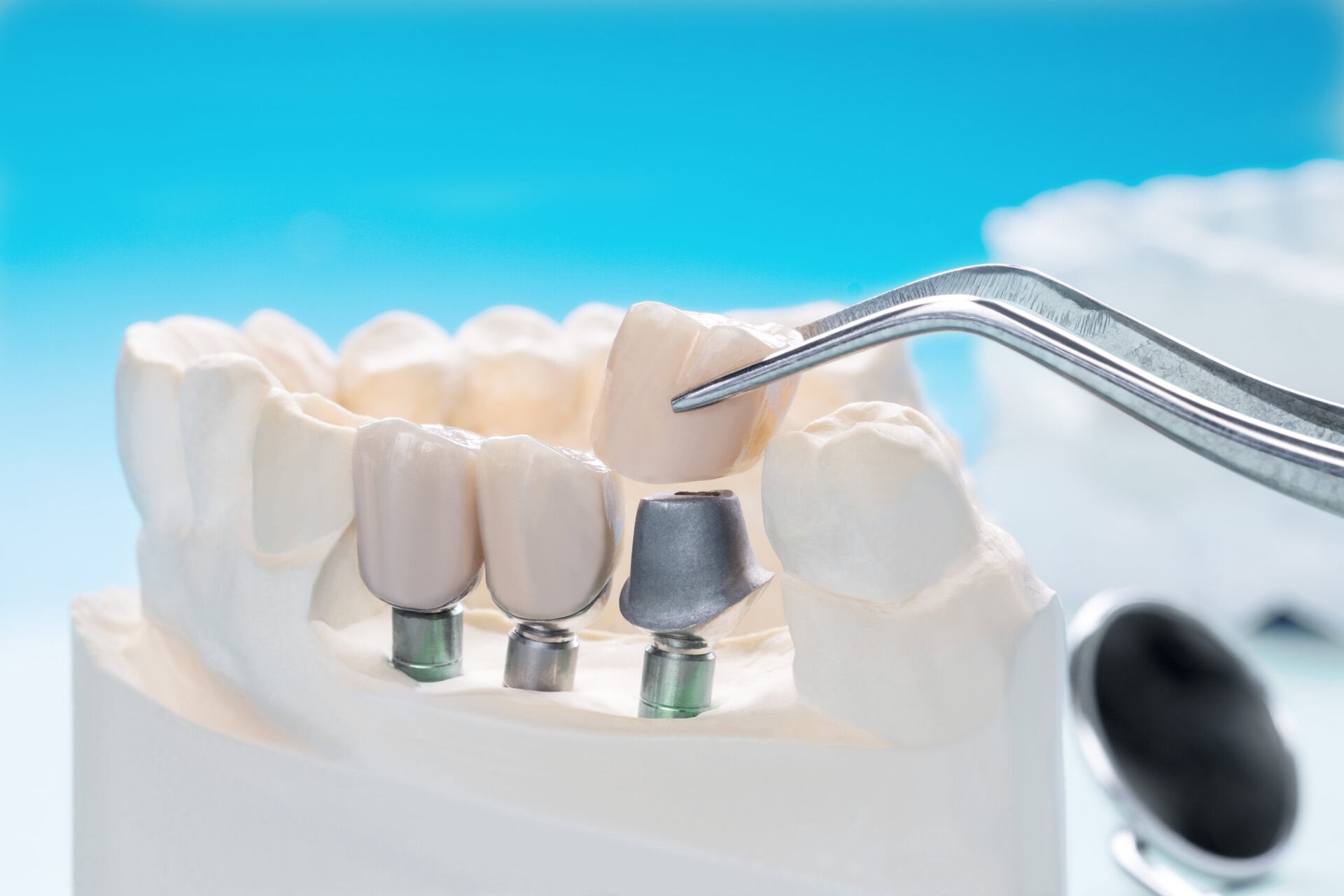
A porcelain crown in its classic form is metal-ceramic, with porcelain fired in layers over an alloy coping; it is a common choice for posterior bridges.
- Clinically proven durability
- Ideal for bridge work
- Cost-effective aesthetics
First consultation free · same-day reply · no price pressure
Written by: Dr Alaaddin Kılıçaslan, PhD · Medically reviewed by: Dr Hakan Kaval
A porcelain crown in its classic form is a metal-ceramic crown: porcelain fired in layers over a chromium-cobalt or nickel-bearing alloy coping, covering the tooth all the way around. Pooled across 64 clinical studies, metal-ceramic single crowns recorded 97.1% five-year survival (PubMed 41489982), and across 41 studies of multiple-unit bridges 91.3% (PubMed 41650383). The same word is also used for all-ceramic crowns that contain no metal at all, so the coping material, the ceramic and the number of units decide which of these figures applies to a given plan.
- 01In multiple-unit bridges, five-year survival was 91.3% for metal-ceramic against 92.9% for layered zirconia, 87.9% for monolithic zirconia and 82.5% for lithium disilicate, and all-ceramic bridges recorded more marginal caries and more loss of retention than metal-ceramic, with 71% of prostheses complication-free at five years (PubMed 41650383).
- 02Under the single word porcelain, the same meta-analysis separates restorations ranging from 90.4% five-year survival for feldspathic or silica-based ceramic to 98.5% for monolithic lithium disilicate, with metal-ceramic at 97.1% (PubMed 41489982). Any quote you receive names a price, not a position in that range, unless it names the ceramic.
- 03Over 24 months, metal-ceramic produced 82.5 µm more vertical enamel loss on the opposing natural tooth than a natural-tooth antagonist, against 40.1 µm for monolithic zirconia and 5.0 µm for lithium disilicate (PubMed 38211687, 261 crowns in 177 subjects).
- 04The porcelain in a metal-ceramic crown is hand-layered over the alloy coping, and that interface is where chipping originates. A 2015 review of 67 studies found densely sintered zirconia crowns lost more often to veneering ceramic fracture and loss of retention than metal-ceramic (PubMed 25842099); the 2026 review found monolithic designs fractured and chipped less than layered ones (PubMed 41489982).
- 05The coping alloy can contain nickel or cobalt. In a multicentre analysis of 169,834 patch-tested people, allergic contact stomatitis to dental materials was rare; among the 444 women in whom it was confirmed, the highest sensitisation rates were nickel 28.6%, palladium 21.4% and amalgam 10.9% (PubMed 38123140). Those figures describe that diagnosed group, not the general population.
What is a porcelain crown?
A porcelain crown, also called a porcelain-fused-to-metal (PFM) or metal-ceramic crown, is a cap that covers the whole visible part of a tooth. It has two layers: a thin metal frame that fits over the prepared tooth, and tooth-coloured porcelain fired on top of it in several layers.
It is different from a veneer. A veneer is a thin shell bonded only to the front of a tooth; a crown covers the tooth on every side. If you are looking for thin porcelain shells for front teeth, see Laminate Veneers.
| At a glance | |
|---|---|
| Duration | 5-7 days |
| Sessions | 2 |
| Warranty | 5 years |
| Materials Used | Vita VMK Master · Noritake |
When is a porcelain crown a good choice?
Porcelain crowns have been used for decades and are best suited to back teeth, where chewing forces are highest and appearance matters less. They are a common choice for:
- Molars and premolars that are heavily filled, cracked or broken
- Teeth after root canal treatment that need full coverage
- Bridges that replace one or more missing back teeth
- Patients looking for a durable, more affordable alternative to all-ceramic crowns
For front teeth, a metal-free crown such as zirconia or E-max usually looks more natural, because it lets light through the way enamel does.
How is a porcelain crown made and fitted?
Treatment usually takes 2 sessions over 5 to 7 days.
- 01Examination and planning. Your dentist checks the tooth and the gum, and takes X-rays where needed.
- 02Tooth preparation. Under local anaesthesia, the tooth is reshaped evenly on all sides to make room for the metal frame and the porcelain.
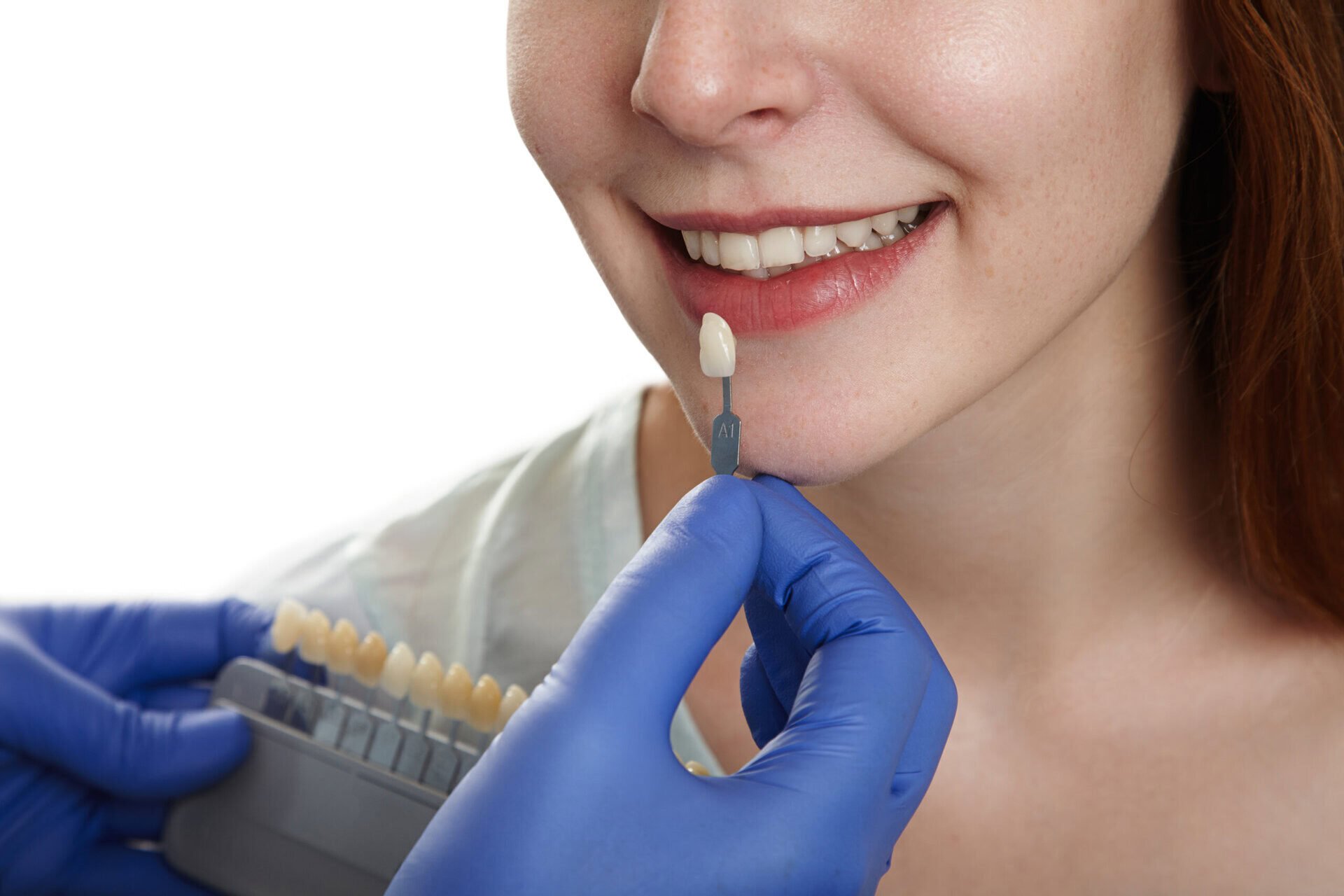
- 03Impression or digital scan. An exact copy of the prepared tooth and its neighbours is sent to the laboratory, together with the chosen shade.
- 04Temporary crown. A temporary crown protects the tooth while the permanent one is made.
- 05Laboratory work. The metal frame is made first; porcelain is then fired over it layer by layer.
- 06Try-in and cementation. Fit, bite and colour are checked in the mouth before the crown is permanently cemented.
- 07Follow-up. A check-up confirms that the gum around the crown is healthy.
Treatment Process
- 01Consultation: Initial examination and needs assessment; imaging where required.
- 02Treatment: Tooth preparation, impression, temporary crown placement.
- 03Follow-up: Outcome review and aftercare guidance.
How does it compare with zirconia and E-max crowns?
| Porcelain (PFM) | Zirconia | E-max | |
|---|---|---|---|
| Structure | Metal frame + porcelain | Metal-free ceramic | Metal-free glass-ceramic |
| Light transmission | Low (metal blocks light) | Medium | High |
| Best suited to | Back teeth, bridges | Back and front teeth | Front teeth |
| Metal margin at the gum line | Can become visible if the gum recedes | No | No |
| Relative cost | Lower | Higher | Higher |
In a 2026 meta-analysis of 64 clinical studies, metal-ceramic single crowns showed 97.1% survival at five years, similar to monolithic zirconia and lithium disilicate crowns (1).
What are the drawbacks?
- Appearance at the gum line. If the gum recedes over time, the metal edge can show as a dark line.
- Less natural translucency. Because the metal blocks light, a porcelain crown can look more opaque than a natural front tooth.
- More tooth reduction. Space is needed for both the metal and the porcelain layer.
- Metal sensitivity. Contact allergy to dental materials, including alloys, has been documented (5). Tell your dentist about any known metal allergy; a metal-free crown is the alternative.
How long does a porcelain crown last?
Porcelain crowns have one of the longest track records in dentistry. A practice-based study that followed metal-ceramic crowns for 20 years reported 78.8% survival for single crowns on back teeth (6). Mosdent gives a 5-year warranty on porcelain crowns.
How long your crown lasts depends mostly on the health of the tooth and gum underneath, your daily cleaning, and whether you grind your teeth.
How do I look after a porcelain crown?
- Brush twice a day and clean between your teeth every day. Under a bridge, use a floss threader or an interdental brush.
- Mild sensitivity to hot and cold is common in the first days and usually settles.
- Avoid biting very hard objects such as ice or nut shells.
- If you clench or grind your teeth, wear a night guard.
- Keep your regular check-ups, so the gum margin can be monitored.
What affects the cost of a porcelain crown?
The final cost depends on the number of teeth, whether a bridge is needed, any treatment required before the crown (such as a root canal or gum treatment), and the alloy used for the frame. Your dentist gives you a written, itemised plan after the examination.
- 1.Pjetursson BE, Pitta J, Balet A, Bjarnadottir GR, Sailer I, Romandini P. A Systematic Review and Meta-analysis Evaluating the Survival, Failure, and Complication Rates of Metal-Ceramic, Veneered, and Monolithic All-Ceramic Tooth-Supported Single Crowns-Part 1. Int J Prosthodont 2026;39:308-324. PubMed 41489982
- 2.Romandini P, Pjetursson BE, Pitta J, Balet A, Ikumi R, Sailer I. A Systematic Review and Meta-analysis Evaluating the Survival, Failure, and Complication Rates of Metal-Ceramic, Veneered, and Monolithic All-Ceramic Tooth-Supported Multiple-Unit Fixed Dental Prostheses (FDPs)-Part 2. Int J Prosthodont 2026;39:444-462. PubMed 41650383
- 3.Sailer I, Makarov NA, Thoma DS, Zwahlen M, Pjetursson BE. All-ceramic or metal-ceramic tooth-supported fixed dental prostheses (FDPs)? A systematic review of the survival and complication rates. Part I: Single crowns (SCs). Dent Mater 2015;31:603-23. PubMed 25842099
- 4.Mao Z, Beuer F, Hey J, Schmidt F, Sorensen JA, Prause E. Antagonist enamel tooth wear produced by different dental ceramic systems: A systematic review and network meta-analysis of controlled clinical trials. J Dent 2024;142:104832. PubMed 38211687
- 5.Forkel S, Schubert S, Corvin L, Heine G, Lang CCV, Oppel E, et al. Contact allergies to dental materials in patients. Br J Dermatol 2024;190:895-903. PubMed 38123140
- 6.Reitemeier B, Hänsel K, Range U, Walter MH. Prospective study on metal ceramic crowns in private practice settings: 20-year results. Clin Oral Investig 2019;23:1823-1828. PubMed 30209575

Which one suits you?
E-max
High esthetics, full ceramic (lithium disilicate)
- Naturalness / Esthetics
- ★★★★★
- 10-year survival*
- ~96%
- Tooth reduction
- Low (0.5–1.5 mm)
- Metal-free
- Yes
- Sessions
- 2
- Cost tier
- $$$$$
- Evidence source
- PubMed 24674802
- Best for
- Anterior esthetics and naturalness
Zirconia
Maximum strength, metal-free
- Naturalness / Esthetics
- ★★★★☆
- 10-year survival*
- ~95%
- Tooth reduction
- Low (0.6–1 mm)
- Metal-free
- Yes
- Sessions
- 2
- Cost tier
- $$$$$
- Evidence source
- PubMed 41489982
- Best for
- Bridges, posterior teeth, bruxism
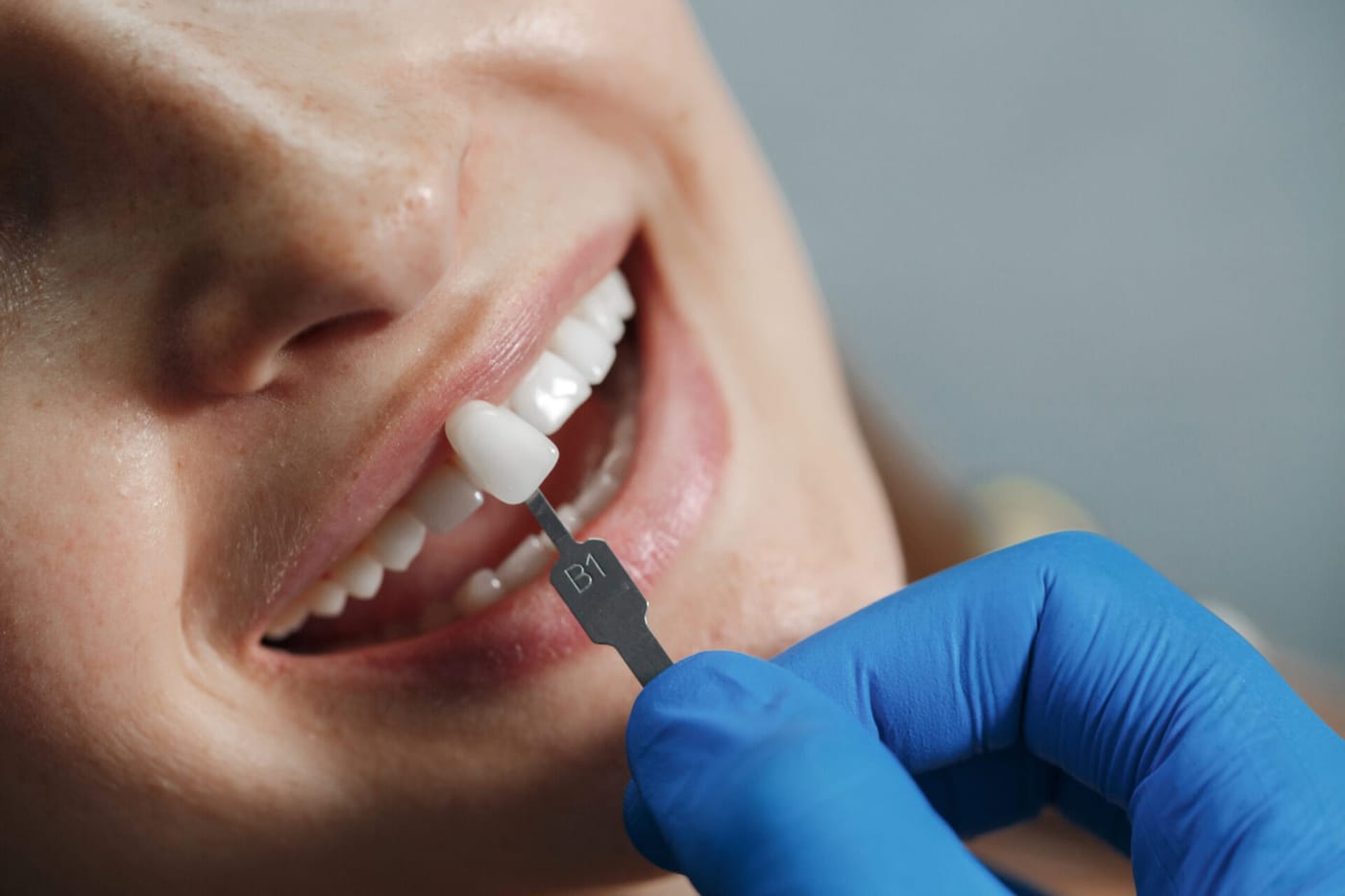
Metal-Ceramic (PFM)
Proven durability, economical
- Naturalness / Esthetics
- ★★★☆☆
- 10-year survival*
- ~95%
- Tooth reduction
- Standard (1.2–2 mm)
- Metal-free
- No
- Sessions
- 2
- Cost tier
- $$$$$
- Evidence source
- PubMed 17594372
- Best for
- Durability priority; back teeth and bridges
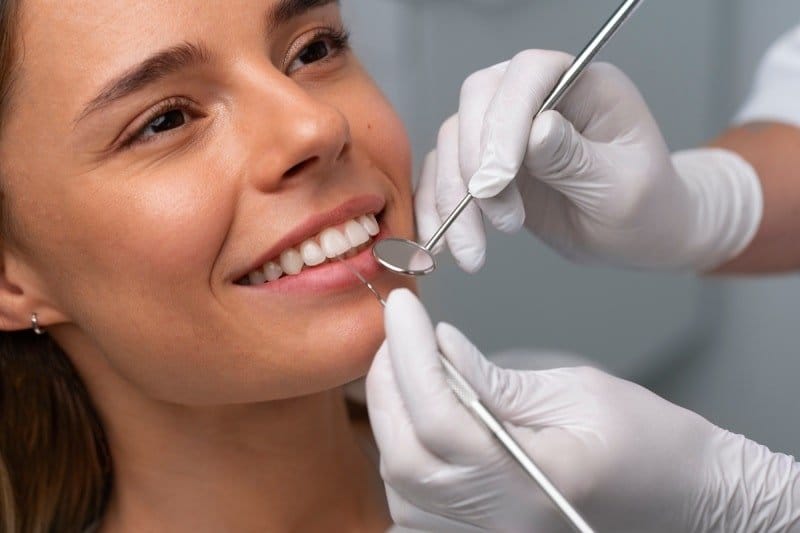
Composite
Single visit, economical, reversible
- Naturalness / Esthetics
- ★★★★☆
- 10-year survival*
- ~90%
- Tooth reduction
- None (no reduction)
- Metal-free
- Yes
- Sessions
- 1
- Cost tier
- $$$$$
- Evidence source
- PubMed 39122602
- Best for
- Minor shape/color corrections
Acrylic
Provisional / economical acrylic (PMMA)
- Naturalness / Esthetics
- ★★★☆☆
- 10-year survival*
- Provisional · ~90% (16 mo)
- Tooth reduction
- Standard
- Metal-free
- Yes
- Sessions
- 1
- Cost tier
- $$$$$
- Evidence source
- PubMed 25898895
- Best for
- Temporary protection and a short-term, economical solution
* Survival rates are estimates from systematic reviews and meta-analyses; they do not promise an individual outcome. Sources: E-max (lithium disilicate) single crown 10-year ~96.7% (PubMed 24674802) · Monolithic zirconia single crown 5-year ~96.8% (PubMed 41489982) · Metal-ceramic (PFM) single crown 5-year ~95.6% (PubMed 17594372) · Composite (direct) annual failure 0–5.4% (PubMed 39122602). Acrylic (PMMA) is not a permanent crown material but a long-term provisional; fixed prostheses showed ~90.4% survival at ~16 months (PubMed 25898895), with no 10-year data. The cost tier is a relative indicator; the exact price is set at examination. The right material for you is decided together at consultation, based on your smile, bite load and tooth position.
The results speak for themselves.
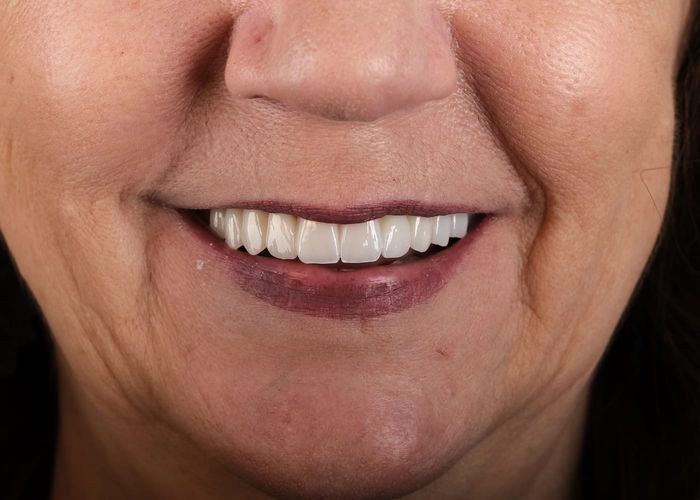
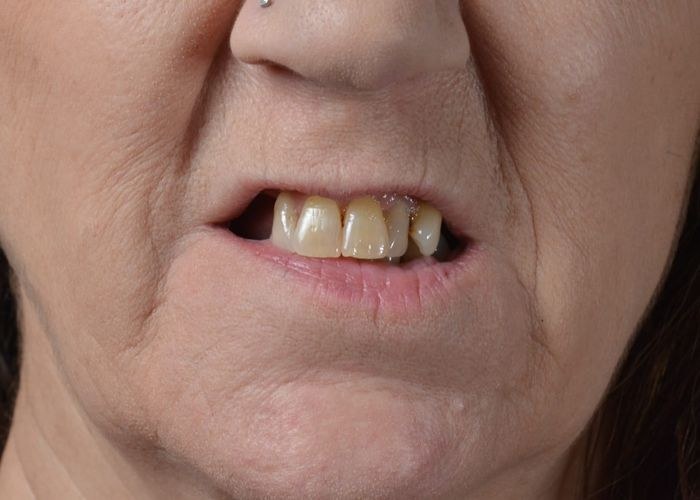
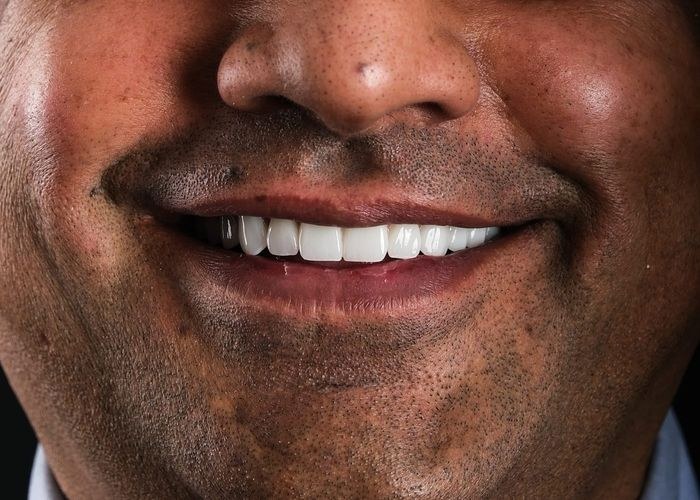
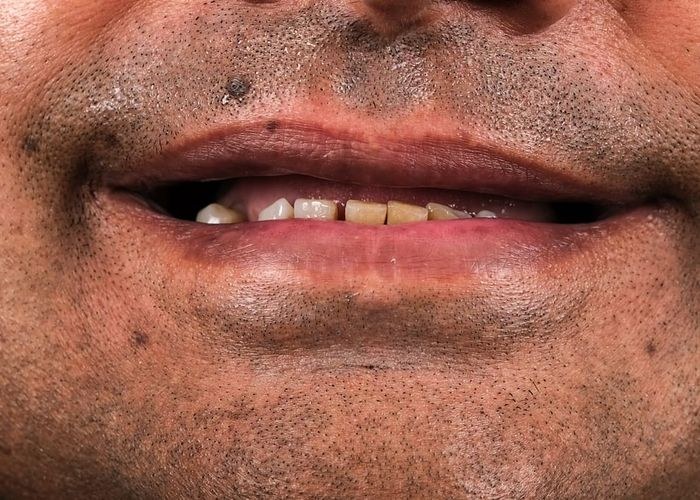
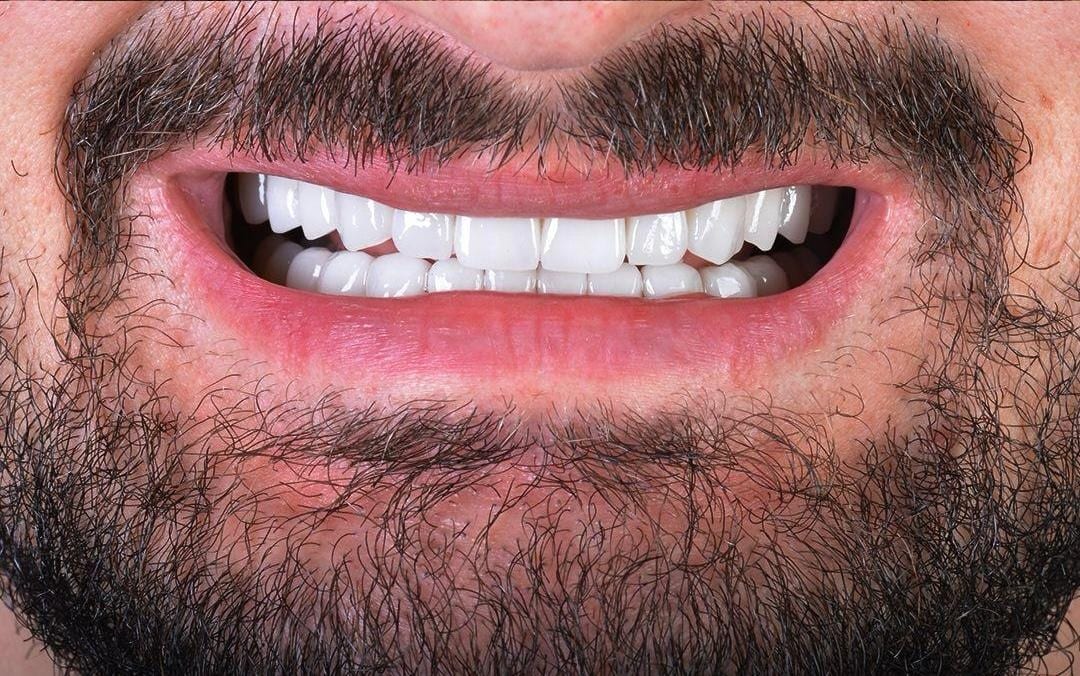
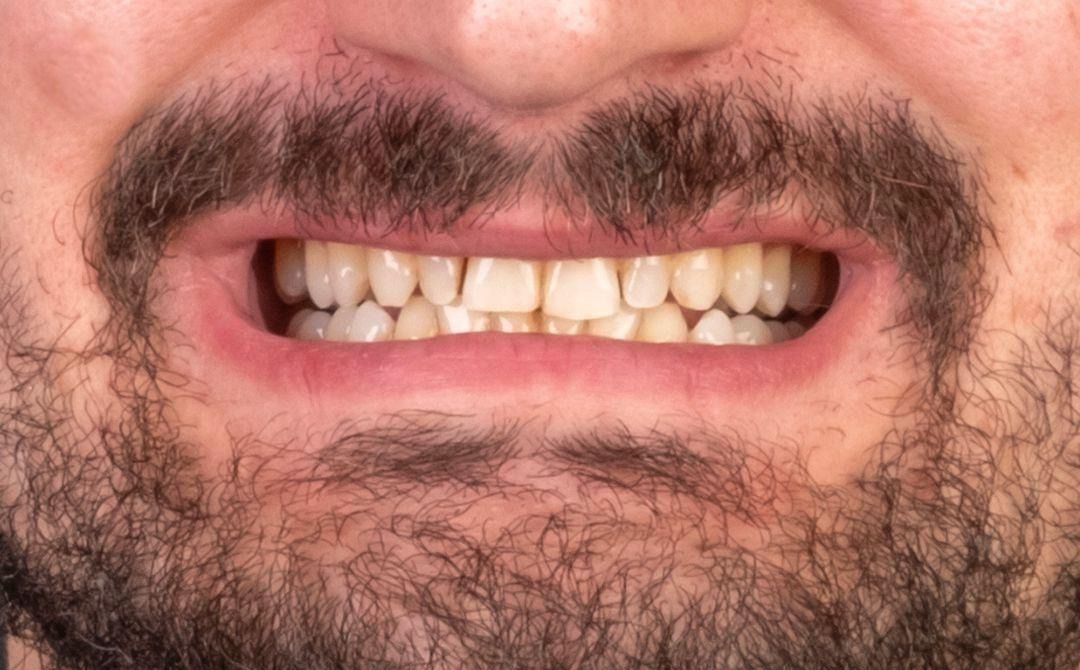
Individual result. Outcomes vary from patient to patient.
Who is this treatment for?
- Mild crowding and misalignment that do not require orthodontic treatment
- Wear, fractures or decay in the front teeth
- Gaps between the teeth
- Discoloration and staining of the teeth
- Teeth broken during root canal treatment
- Teeth with excessive loss of tooth structure
- A mouth with missing teeth
- Expectation of a more aesthetic appearance of the teeth
Doctors specialising in this treatment

Frequently asked
01Why choose a porcelain crown?+
Its decades-long clinical track record and strength in multi-unit bridges make it the preferred choice for posterior bridge work. It is also more cost-effective than zirconium. Pooled across 64 clinical studies, metal-ceramic single crowns record 97.1% five-year survival.
02Will the metal margin be visible?+
In cases of gum recession, the metal substructure can become visible over time. If long-term aesthetics are the priority, zirconium is the more suitable option.
Prosthodontics & Crowns
E-max Restoration
E-max veneers and crowns: lithium disilicate glass-ceramic with enamel-like translucence, placed as a veneer, a full crown or an onlay.
Explore→02Laminate Veneer
A laminate veneer is a thin ceramic layer bonded to the front surface of the tooth after 0.3-0.5 mm preparation, used to correct colour, shape and gaps.
Explore→03Prepless Veneer
No-prep veneers: 0.2-0.3 mm porcelain bonded straight onto enamel, with no tooth structure removed and nothing to undo later.
Explore→04Zirconium Crown
Zirconia crowns and bridges: metal-free full-coverage restorations, custom-made per tooth from a digital impression and milled in-house.
Explore→Speak with your doctor about this treatment.
Not sure which treatment fits? Tell us what’s wrong →