
Laminate Veneer
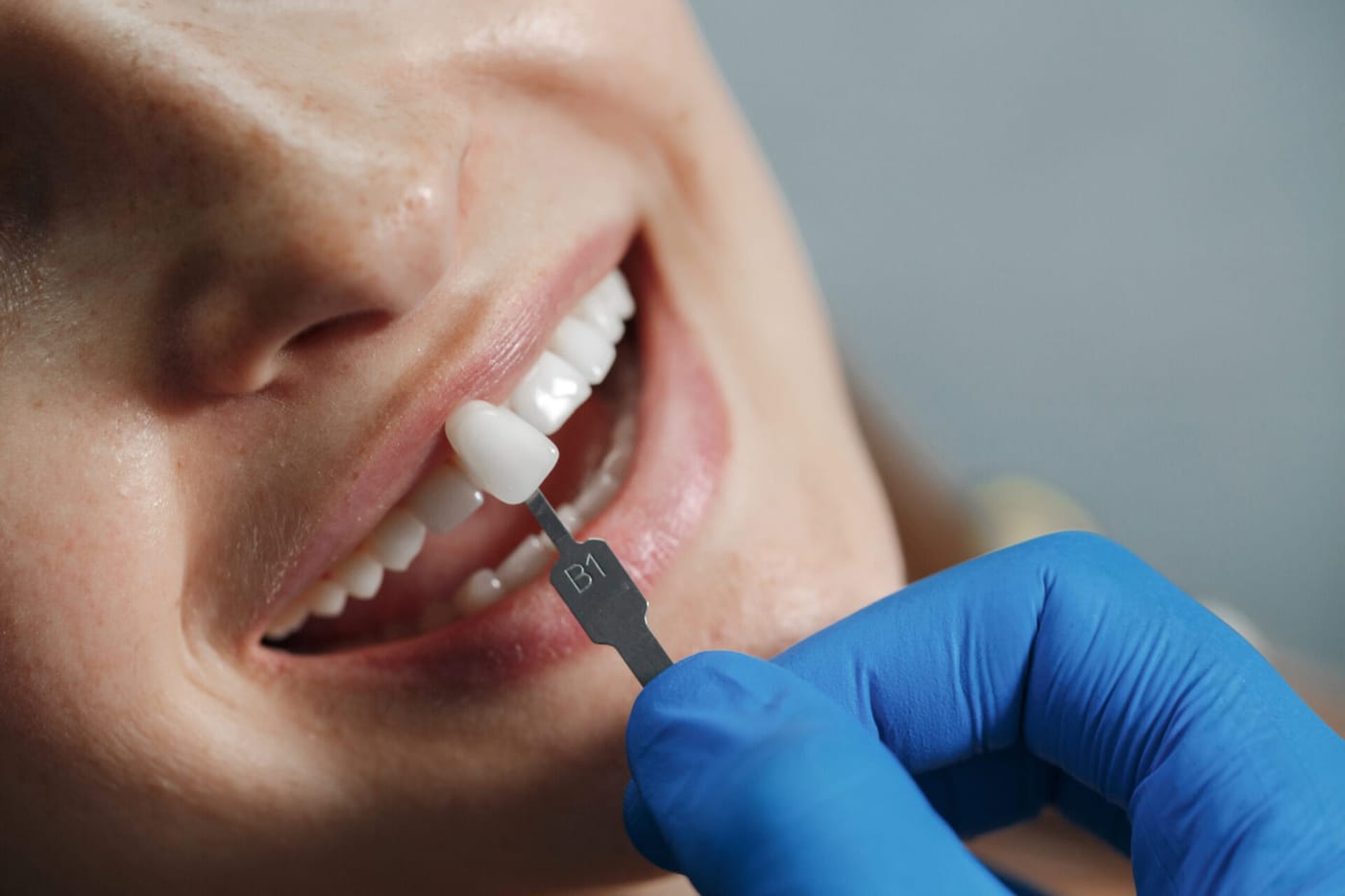
A laminate veneer is a thin ceramic layer bonded to the front surface of the tooth after 0.3-0.5 mm preparation, used to correct colour, shape and gaps.
- Minimal tooth preparation
- Ultra-thin porcelain
- Shape and colour correction
First consultation free · same-day reply · no price pressure
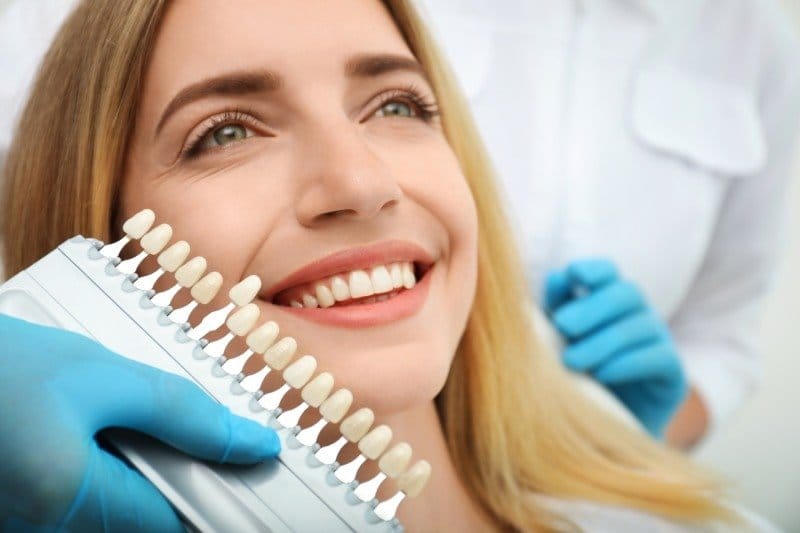
A laminate veneer is a technique, not a material: a thin ceramic layer is bonded to the front surface of the tooth, with the preparation kept inside enamel wherever the case allows. The ceramic can be lithium disilicate, leucite-reinforced glass-ceramic or feldspathic porcelain. Pooling 29 clinical studies, survival at 10.4 years was 96.81% for lithium disilicate, 96.13% for feldspathic and 93.70% for leucite-reinforced, with no difference found between materials (PubMed 39523553). What separates a veneer plan from a crown plan is how much tooth is removed, so ask any written quote to state the restoration type and the preparation rather than the material name alone.
- 01Veneers whose preparation stayed entirely within enamel survived at 99% over up to 12 years, against 94% where enamel remained only at the margins and 86% overall; veneers bonded into dentine, with preparation margins in dentine, were roughly ten times more likely to fail (PubMed 23342345, 580 veneers in 66 patients).
- 02Survival sits close across ceramics while the complication load does not. At 10.4 years, technical, esthetic and biological complication rates were 6.1%, 1.9% and 0.45% for lithium disilicate against 41.48%, 19.64% and 6.51% for feldspathic porcelain (PubMed 39523553). Zirconia veneers have no long-term data; the 100% figure reported for that group covers 2.6 years.
- 03There is no single lifespan figure, and two reviews report differently. A meta-analysis of 13 studies gives 89% cumulative survival (95% CI 84-94) at a median nine-year follow-up, with debonding 2%, fracture or chipping 4% and secondary caries 1% (PubMed 26757327), while a newer review of 29 studies gives 93.70% to 96.81% at 10.4 years depending on ceramic (PubMed 39523553). The gap comes from which studies each review admitted.
- 04The same technique is also performed in resin composite, and that is a separate evidence base: pooled across randomised controlled trials, composite laminate veneers survived at 88% (95% CI 81-94) with follow-up ranging from 24 to 97 months, the commonest complaints being surface roughness, colour mismatch and marginal discoloration (PubMed 38035903).
- 05Covering the incisal edge does not meaningfully change the outcome: estimated survival was 88% with incisal coverage and around 91% without, odds ratio 1.25 (PubMed 27328640). The difference that does matter is geometric, since a veneer stays on one surface while a crown requires the tooth to be cut all the way around, so a quote listing veneers alongside full-coverage preparation is describing crowns.
/ Laminate Veneer Definition and Aesthetic Purpose
Laminate veneer, also known as porcelain laminate, is one of the most popular cosmetic dentistry procedures in recent years. In the scope of the laminate veneer procedure, the front surface of the teeth in the anterior group, which causes aesthetic dissatisfaction for the patient, is covered with thin porcelain. Laminate veneer treatment uses thin porcelain shells to cover the front surface of the teeth, requiring minimal substance removal from the tooth.
The possibility of not removing too much substance from the tooth and the thickness of the plates attached to the tooth ranging from 0.3 to 0.5 mm are possible thanks to the laminate veneer treatment. Laminate veneer treatment can be used to address various issues such as discolored and stained teeth over time, as well as to repair fractured teeth, ultimately achieving smoother and aesthetically improved teeth.
Due to its success in providing natural whiteness to the patient's teeth, laminate veneer treatment is highly popular among women and men of different age groups. Additionally, due to its ability to support aesthetically satisfying results, laminate veneer is an essential element of smile design applications.
In the context of laminate tooth coating or laminate veneer treatment, thin porcelain shells are attached to the front surface of the patient's teeth, which is the part of the teeth in contact with the lips and cheeks. Since the porcelain shells used in laminate veneer treatment have a very thin structure, it is possible to eliminate the poor appearance on the front surface of the teeth and achieve aesthetically satisfying teeth. Laminate veneer application is an aesthetic dentistry procedure that helps individuals reconcile with their appearance and refresh their self-confidence with teeth that have a natural appearance.
| At a glance | |
|---|---|
| Duration | 5-7 days |
| Sessions | 2 |
| Warranty | 5 years |
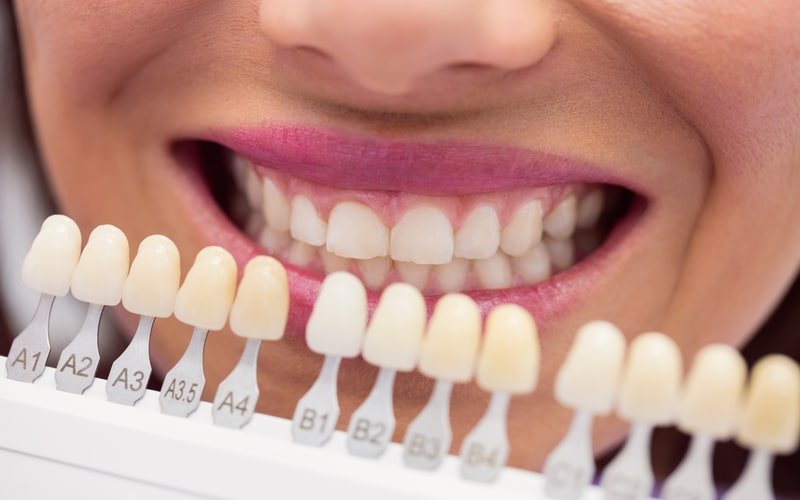
| Materials Used | E-max IPS · Empress |
/ Laminate Veneer Materials and Treatment Planning
Durable and resistant porcelain material is used in laminate veneer treatment. This ensures that substances that may cause discoloration of teeth, such as smoking, tea, and coffee, do not adversely affect tooth color. Since tooth tissue is removed in minimal amounts, the risk of developing hot-cold sensitivity in the teeth is minimized, and most patients do not experience tooth sensitivity.
Since there is no contact with the chewing surface of the teeth during treatment, the natural structure of the teeth is not disrupted, and natural tooth sensitivity does not disappear. This condition also shortens the time for the patient to get used to laminate tooth coatings. Porcelain is structurally a fragile material, but when bonded to tooth enamel, it gains high resistance to tensile and compressive forces. As a result, laminate veneer tooth coatings can be safely used without the risk of falling.
To achieve successful, natural, and comfortable results from laminate veneer treatment, the model of the teeth is prepared based on the measurements taken. The procedures to be performed are shown to the patient through this model, and approval is obtained.
/ Candidates for Laminate Veneer
Laminate veneer treatment is commonly sought to address problems causing aesthetic concerns and lack of self-confidence, especially in the front teeth. Some of the main situations where laminate veneer treatment is applied include:
- For various reasons, discoloration and staining may occur in teeth over time. In some cases, despite professional teeth whitening treatments, it may not be possible to eliminate these stains and discolorations. Laminate veneer treatment can be used to address discoloration and staining in the teeth.
- As an alternative to orthodontic treatment procedures to treat misalignments in teeth, laminate veneer treatment may be preferred.
- Laminate veneer treatment can provide a functional solution to correct various irregularities in tooth alignment.
- For eliminating gaps between anterior teeth, known as "Diastema," laminate veneer treatment can be considered.
- Laminate veneer can be applied to correct unsightly and unhealthy fillings on the front surface of the teeth.
- To lengthen teeth that are short due to natural reasons or wear over time, laminate veneer treatment can be applied.
- For restoring wear due to erosion on teeth, laminate veneer can be a functional solution.
- Teeth with various irregularities in enamel structure can also undergo laminate veneer treatment.
- Teeth broken due to trauma can be considered for laminate veneer treatment.
- In cases where non-cutting teeth need to be shaped like canine teeth in order to achieve natural symmetry between incisors and canines, laminate veneer treatment can offer a functional solution.
/ Laminate Veneer Treatment Exclusions and Disadvantages
The suitability for laminate veneer treatment is decided individually for each patient after evaluations. Laminate veneer treatment is not applied to individuals who:
- Have a lower jaw that sits further forward than the upper jaw,
- Experience teeth grinding during daily life or sleep,
- Have excessive misalignments in teeth arrangement,
- Do not have enough space for the application of porcelain veneers due to decay or fractures caused by impact,
- Have fluorosis with white lines, gray spots, deep pits or black spots on their teeth,
- Suffer from conditions causing weakness in enamel structure.
Disadvantages of Laminate Veneer Treatment
- Laminate veneer treatment is an irreversible procedure.
- Laminate veneer application may be more costly compared to composite applications.
- Laminate teeth cannot be repaired in case of possible cracks or fractures, and their color cannot be lightened through teeth whitening procedures.
- Teeth weakened due to significant decay or fractures cannot undergo laminate veneer treatment.
- Laminate veneer does not provide protection against cavities. Additionally, individuals with cavities, tartar, or gum disease must address these issues before undergoing laminate veneer treatment.
- Teeth clenching and grinding may cause harm to laminate veneers. Therefore, individuals with teeth clenching and grinding issues are not considered suitable candidates for laminate veneer treatment.
/ How Laminate Veneer Is Applied and Post Treatment Care
Post Laminate Veneer Treatment Care
After laminate veneer treatment, paying attention to certain points ensures the comfortable and safe use of laminate coverings for an extended period. Avoiding the consumption of hard-shelled foods is crucial. Elastic and flexible foods should be sliced instead of bitten and torn.
Individuals with nighttime teeth grinding issues should use a nightguard. Regular brushing of laminate veneers, incorporating dental floss into oral care routines, and not using abrasive toothpaste are important. Routine dental check-ups should not be neglected to ensure that there is no deterioration on the surface of laminate veneer coverings.
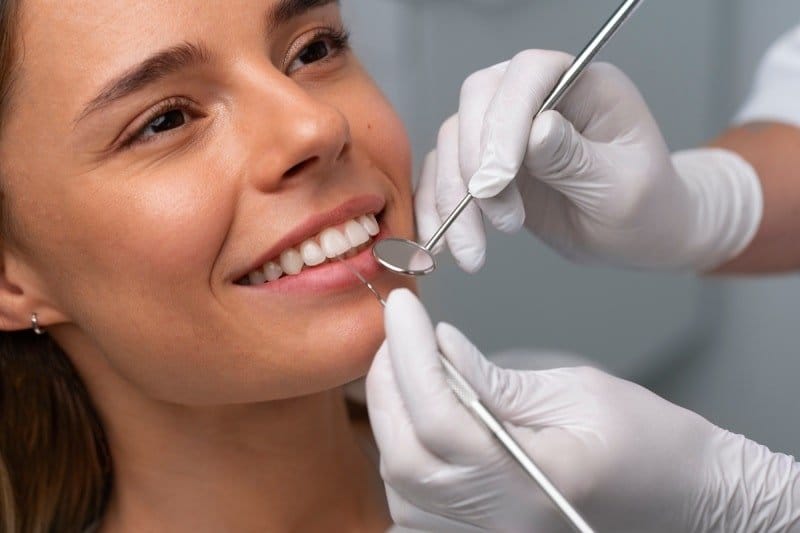
During the initial step of laminate veneer treatment, the patient undergoes a detailed examination. This allows for the identification of the patient's needs and assessment of expectations. After determining the suitability of the patient for laminate veneer treatment, an individualized treatment plan is developed.
The front surface of the teeth to be treated with laminate veneer is shaped to prepare for the covering process. Since the procedure is performed under local anesthesia, the patient does not experience pain or discomfort. Following local anesthesia, a small section on the front of the teeth is prepared using a cutting instrument. This section should be compatible with the leaf coverings. An impression is taken using pressure, and this mold is used when preparing the porcelain veneers.
In some cases, temporary laminates or temporary fillings may be applied to increase the patient's comfort. The laminate veneers are applied to the prepared teeth and the laminate veneer treatment is completed.
Treatment Process
- 01Design: Tailored to your facial proportions.
- 02Preparation: 0.3-0.5 mm surface preparation.
- 03Mock-up: Temporary preview before final.
- 04Final Bonding: Permanent placement and polishing.
/ Laminate Veneer Treatment Duration and Prices
The duration of completion for laminate veneer treatment can vary for each patient depending on the scope of the procedure. If there is no need for gum treatment or other aesthetic interventions before laminate veneer treatment, the treatment is generally completed within 2 to 3 sessions, equivalent to approximately 1 month. However, this duration can be extended if there are requirements for correcting the patient's teeth and applying different treatments.
Laminate Veneer Prices
Laminate veneer is a dentistry procedure that is planned and applied individually for each patient. Therefore, laminate veneer prices are not standard and can vary depending on the scope of the procedure planned for the patient. The prices for laminate veneers can differ based on the evaluation made for each patient after the specific treatment plan is determined.
Additionally, factors such as the experience of the dentist performing the treatment, the price policy of the clinic where the application will be made, the quality of the materials used in laminate veneer treatment, and whether different tooth and/or gum treatments will be applied to the patient are taken into consideration when determining laminate veneer prices.
Due to the need for special materials in laminate veneer treatment, the complexity of laboratory processes, and the requirement for specialized knowledge and expertise in taking the patient's tooth measurements, preparing laminate veneer coverings, and applying the procedure, the cost of laminate veneer treatment may be slightly higher compared to alternative treatments.
- 1.Klein P, Spitznagel FA, Zembic A, Prott LS, Pieralli S, Bongaerts B, et al. Survival and Complication Rates of Feldspathic, Leucite-Reinforced, Lithium Disilicate and Zirconia Ceramic Laminate Veneers: A Systematic Review and Meta-Analysis. J Esthet Restor Dent 2025;37:601-619. PubMed 39523553
- 2.Gurel G, Sesma N, Calamita MA, Coachman C, Morimoto S. Influence of enamel preservation on failure rates of porcelain laminate veneers. Int J Periodontics Restorative Dent 2013;33:31-9. PubMed 23342345
- 3.Morimoto S, Albanesi RB, Sesma N, Agra CM, Braga MM. Main Clinical Outcomes of Feldspathic Porcelain and Glass-Ceramic Laminate Veneers: A Systematic Review and Meta-Analysis of Survival and Complication Rates. Int J Prosthodont 2016;29:38-49. PubMed 26757327
- 4.Lim TW, Tan SK, Li KY, Burrow MF. SURVIVAL AND COMPLICATION RATES OF RESIN COMPOSITE LAMINATE VENEERS: A SYSTEMATIC REVIEW AND META-ANALYSIS. J Evid Based Dent Pract 2023;23:101911. PubMed 38035903
- 5.Albanesi RB, Pigozzo MN, Sesma N, Laganá DC, Morimoto S. Incisal coverage or not in ceramic laminate veneers: A systematic review and meta-analysis. J Dent 2016;52:1-7. PubMed 27328640

Which one suits you?
E-max
High esthetics, full ceramic (lithium disilicate)
- Naturalness / Esthetics
- ★★★★★
- 10-year survival*
- ~96%
- Tooth reduction
- Low (0.5–1.5 mm)
- Metal-free
- Yes
- Sessions
- 2
- Cost tier
- $$$$$
- Evidence source
- PubMed 24674802
- Best for
- Anterior esthetics and naturalness
Zirkonyum
Maximum strength, metal-free
- Naturalness / Esthetics
- ★★★★☆
- 10-year survival*
- ~95%
- Tooth reduction
- Low (0.6–1 mm)
- Metal-free
- Yes
- Sessions
- 2
- Cost tier
- $$$$$
- Evidence source
- PubMed 41489982
- Best for
- Bridges, posterior teeth, bruxism
Metal-Destekli Porselen
Proven durability, economical
- Naturalness / Esthetics
- ★★★☆☆
- 10-year survival*
- ~95%
- Tooth reduction
- Standard (1.2–2 mm)
- Metal-free
- No
- Sessions
- 2
- Cost tier
- $$$$$
- Evidence source
- PubMed 17594372
- Best for
- Durability priority; back teeth and bridges
Kompozit
Single visit, economical, reversible
- Naturalness / Esthetics
- ★★★★☆
- 10-year survival*
- ~90%
- Tooth reduction
- None (no reduction)
- Metal-free
- Yes
- Sessions
- 1
- Cost tier
- $$$$$
- Evidence source
- PubMed 39122602
- Best for
- Minor shape/color corrections
Akrilik
Provisional / economical acrylic (PMMA)
- Naturalness / Esthetics
- ★★★☆☆
- 10-year survival*
- Provisional · ~90% (16 mo)
- Tooth reduction
- Standard
- Metal-free
- Yes
- Sessions
- 1
- Cost tier
- $$$$$
- Evidence source
- PubMed 25898895
- Best for
- Temporary protection and a short-term, economical solution
* Survival rates are estimates from systematic reviews and meta-analyses; they do not promise an individual outcome. Sources: E-max (lithium disilicate) single crown 10-year ~96.7% (PubMed 24674802) · Monolithic zirconia single crown 5-year ~96.8% (PubMed 41489982) · Metal-ceramic (PFM) single crown 5-year ~95.6% (PubMed 17594372) · Composite (direct) annual failure 0–5.4% (PubMed 39122602). Acrylic (PMMA) is not a permanent crown material but a long-term provisional; fixed prostheses showed ~90.4% survival at ~16 months (PubMed 25898895), with no 10-year data. The cost tier is a relative indicator; the exact price is set at examination. The right material for you is decided together at consultation, based on your smile, bite load and tooth position.
Who is this treatment for?
- Discoloration and staining that develop on teeth over time
- Various irregularities in tooth alignment
- Gaps between the front teeth called diastema
- Unsightly and unhealthy fillings on the front tooth surface
- Teeth that appear short due to wear over time
- Wear on teeth caused by erosion
- Teeth with various irregularities in enamel structure
- Teeth broken due to trauma
Doctors specialising in this treatment

Frequently asked
01Is any tooth preparation required for laminate veneers?+
A minimal amount of enamel is removed, approximately 0.3-0.5 mm. This is an irreversible step, and where the preparation ends decides the outcome: across 580 veneers followed up to 12 years, survival was 99% when the preparation stayed inside enamel, 94% when only the margins were in enamel, and failure was roughly 10 times likelier once the bond reached dentine (PubMed 23342345). We recommend a thorough consultation before proceeding.
02How long do laminate veneers last?+
In a systematic review and meta-analysis of 29 studies, survival was 96.81% for lithium disilicate veneers over 10.4 years, 96.13% for feldspathic porcelain and 93.70% for leucite-reinforced glass ceramic, with no significant survival difference demonstrated between materials (PubMed 39523553). Mosdent provides a 5-year guarantee on the clinical work. Habits such as biting hard objects and clenching shorten that span.
Prosthodontics & Crowns
Prepless Veneer
No-prep veneers: 0.2-0.3 mm porcelain bonded straight onto enamel, with no tooth structure removed and nothing to undo later.
Explore→02Zirconium Crown
Zirconia crowns and bridges: metal-free full-coverage restorations, custom-made per tooth from a digital impression and milled in-house.
Explore→03Porcelain Crown
A porcelain crown in its classic form is metal-ceramic, with porcelain fired in layers over an alloy coping; it is a common choice for posterior bridges.
Explore→04E-max Restoration
E-max veneers and crowns: lithium disilicate glass-ceramic with enamel-like translucence, placed as a veneer, a full crown or an onlay.
Explore→Speak with your doctor about this treatment.
Not sure which treatment fits? Tell us what’s wrong →