
Skip to content
MosdentISTANBUL 1992
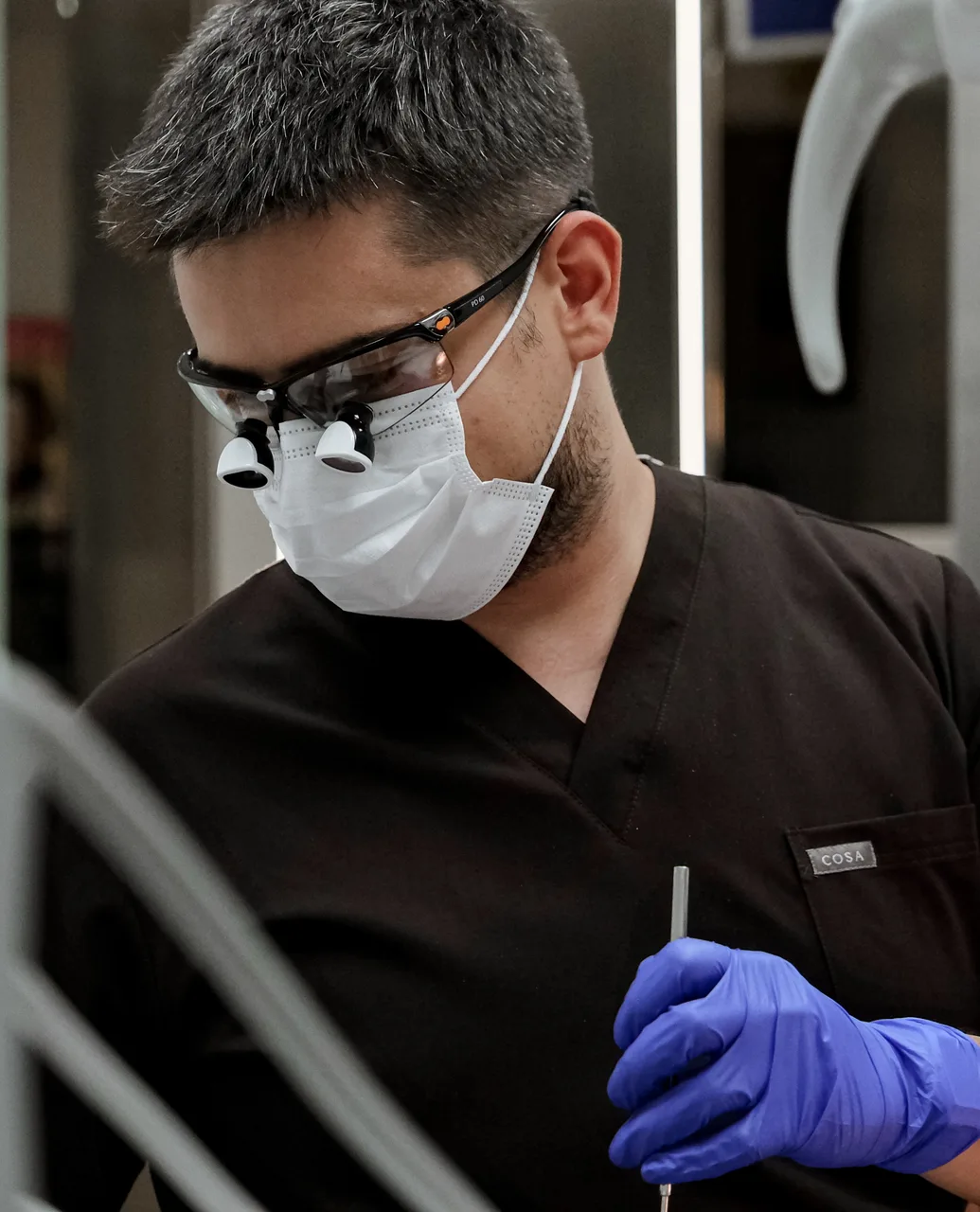
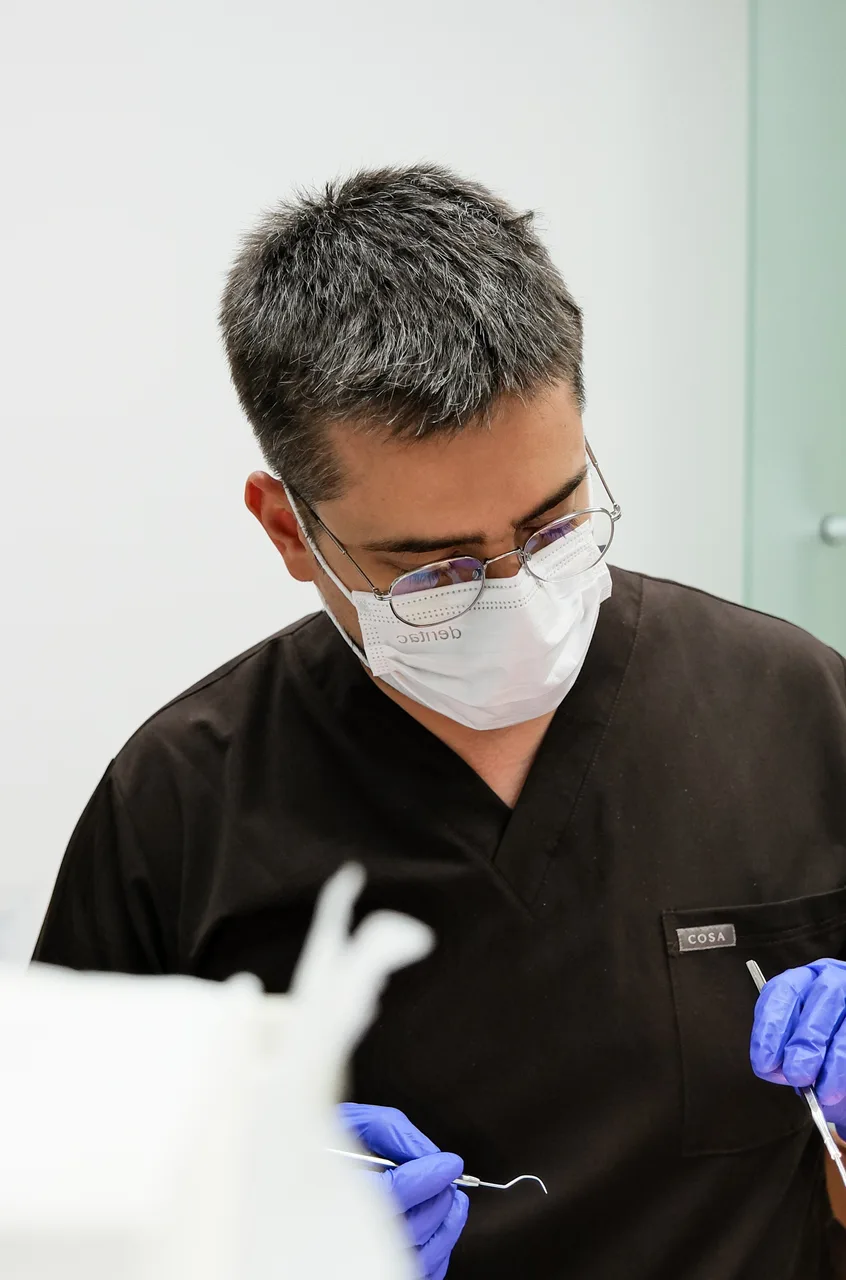
Dr Murat Evcenler
4
yrs
Endodontics
// Dentist

Murat Evcenler

Endodontics · Restorative Dentistry
Graduated
2022
// ABOUT

BIOGRAPHY

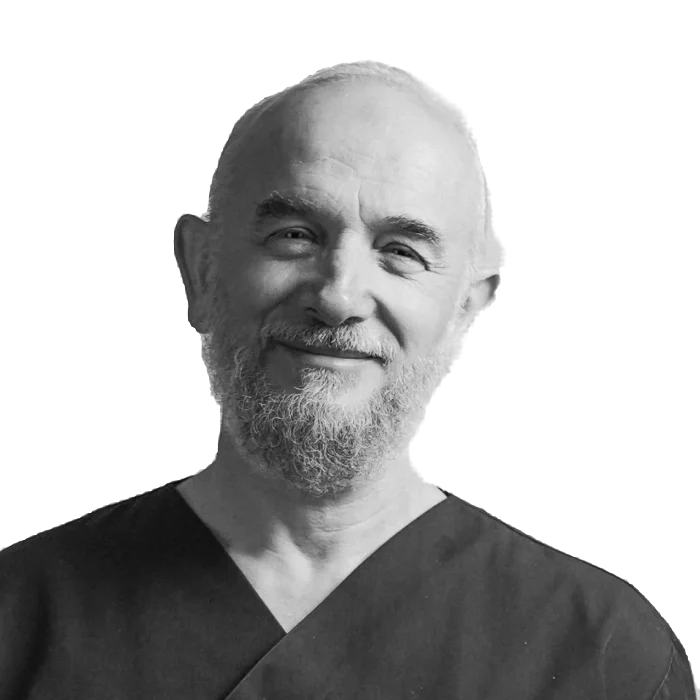
Dt. Murat Evcenler is an endodontics dentist at Mosdent. Born in Kocaeli in 1997, he completed secondary school at Yalova Science High School and graduated from the English-medium Faculty of Dentistry at Istanbul Medipol University in 2022. He continues his academic career in the same university's Department of Endodontics, where he is currently pursuing his doctorate.

He carries the analytical outlook of a science high school into his dentistry: he insists on understanding the problem in a tooth first, and builds the treatment on that understanding. Having studied dentistry entirely in English, he follows the scientific literature of his field at its source and communicates with international patients directly, with no interpreter in between.

His clinical work centres on endodontics and restorative dentistry. He is experienced in root canal treatment, endodontic retreatment and procedures aimed at preserving the natural tooth, and he treats the restorative work that returns a tooth to function after canal treatment as part of the same whole.

Preserving the natural tooth sits at the heart of how he practises. To him, root canal treatment is not the way a tooth is lost but the way it is saved; extraction is the final step, to be discussed only after every other option has been honestly weighed and exhausted. In keeping with that, he makes a point of telling his patients not only what can be done, but also what does not need to be done.

He applies current scientific evidence and modern technology, and builds a separate plan for each patient. Running his doctoral training alongside clinical practice has given him the discipline of questioning the scientific basis of every approach he offers. He speaks Turkish and English.

// IN THEIR OWN WORDS

THE INTERVIEW

Coming soon
Frequently asked

My tooth is badly decayed. Would it not be easier to just pull it out?

In the short term, yes, it looks easier: one session, the pain ends, the matter is closed. But it is not closed. Every extracted tooth leaves a gap behind, and that gap opens an account of its own: the neighbouring teeth tilt into it over time, the opposing tooth drifts down, the chewing load piles onto the teeth that remain. Before long, filling that gap with an implant or a prosthesis is on the agenda; the road chosen because it was easy usually joins a longer one.

A tooth that can be kept with root canal treatment and a proper restoration, with its own root and natural structure, keeps that chain from ever being built. Of course not every tooth can be saved; examination and X-rays together show which tooth is worth keeping. My advice is this: before you decide, learn the true condition of your tooth. Extraction is always possible; the chance to save the tooth does not always come back.
Common misconception

A root-treated tooth can never decay again

I understand where this belief comes from: the nerve is out, the tooth no longer aches, so surely no trouble can come. Yet root canal treatment cleans the inside of the tooth; it does not make the outside, the enamel and dentine, immune to decay. A root-treated tooth can decay just like any other; leakage can develop at the edge of its filling or crown.

The more critical part is this: that tooth no longer has a pain alarm. In a sound tooth, when decay reaches a certain depth the ache begins and sends you to the dentist; a root-treated tooth cannot ring that alarm, the decay advances silently, and by the time it is noticed the job may have grown. So a root-treated tooth needs more attention, not less: do not leave that tooth out of your daily cleaning, and do not miss your check-ups. Not hurting does not mean it needs no watching; on the contrary, now we have to do the watching for you.

Case

A sleepless night's extraction decision

A patient came to the clinic first thing in the morning; a toothache had kept them up all night. They announced the decision as they sat down: 'Pull this tooth and let me be rid of it. Let's not argue.' It was not the haste of someone in pain; the tone was genuinely determined.

First we settled the pain; an emergency intervention made that day bearable. When they came back for review a few days later, a different person sat across from me. We looked at the X-ray together, and I explained that the tooth was in a state to be saved with root canal treatment. This time they thought about it at length and said that since the tooth had a chance, we should try. We did the treatment, and the tooth stayed in place.

What I learned from this case is clear: a decision made inside pain and a decision made with a calm head are not the same decision. I do not debate permanent decisions with a patient in pain; first I manage the pain and leave the decision to a pain-free day. The tooth a patient says 'pull it' about today being the tooth they say 'thank goodness we kept it' about a few days later is one of the lessons this profession has repeated to me most.

Case

The patient who came with two opposite answers on their phone

A patient arrived at the appointment with what amounted to a dossier: screenshots on their phone, saved videos, sentences flatly contradicting one another. One source said root-treated teeth crack sooner or later and have to be extracted; another said the exact opposite. They had been reading for days, and what they were really asking when they arrived was not about treatment but about whom to believe.

We opened the screenshots together and went through them one by one: the part of this sentence that is true, the part that is exaggerated; this claim has support in the research, that one has none. I did not belittle what they had read, because the effort was real; they simply had no framework to put the pieces into place. In the end we looked at the film of their own tooth and talked about what that tooth's data said, rather than general sentences.

What they said on leaving stayed with me: 'For the first time, someone has explained which one is right and why.' The internet gives patients information in abundance; what it does not give is which tooth, and which situation, that information fits. Part of my job is exactly that translation: from the language of the literature to the patient's tooth. Dentistry that makes the researching patient a partner in reading correctly, instead of silencing them, builds far more trust.

Where I say no

When I do not recommend treatment

I do not recommend a pre-emptive root canal on a healthy, vital tooth merely because a crown is planned. I do not accept the logic of 'it will be prepared anyway, let us play it safe'; a root canal is not an insurance policy, it is a treatment applied to a tooth that needs it. A tooth that keeps its vitality should go on keeping it under a prosthesis too; if the need genuinely arises later, the treatment is done then.

The same honesty holds on the other side of the coin. As a clinician who has put preserving the natural tooth at the centre of his practice, I do not treat a tooth with no chance left as if it could still be saved; that sells the patient not hope but loss. In such a picture I describe what I see as it is, and refer the patient to my specialist colleagues to plan the tooth's future after extraction. Love of teeth does not justify fighting a lost battle at the patient's expense.

Coming soon
IN THEIR OWN HAND
For me, good dentistry means helping a patient keep their own tooth for as long as possible. I see extraction not as a treatment option but as the final step, to be discussed only after every other option has been honestly exhausted.
Dentist Murat Evcenler
Murat Evcenler

More thanjust a doctor

Coming soon
Coming soon
Coming soon
Coming soon
Coming soon
Coming soon
Coming soon
Coming soon
Coming soon
Coming soon
Coming soon
Coming soon
Coming soon
Coming soon
It begins with a conversation

Meet Dr Murat Evcenler.

WhatsApp

Not sure which treatment fits? Tell us what’s wrong →