Skip to content
MosdentISTANBUL 1992
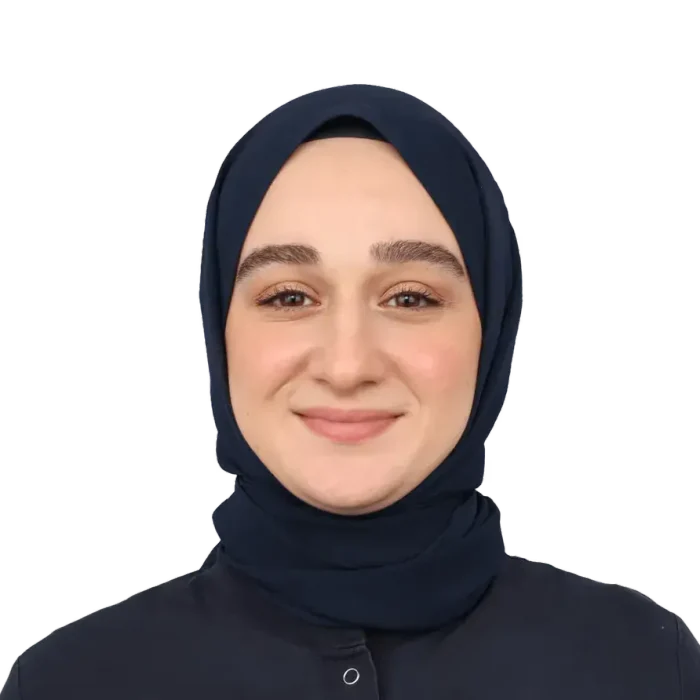
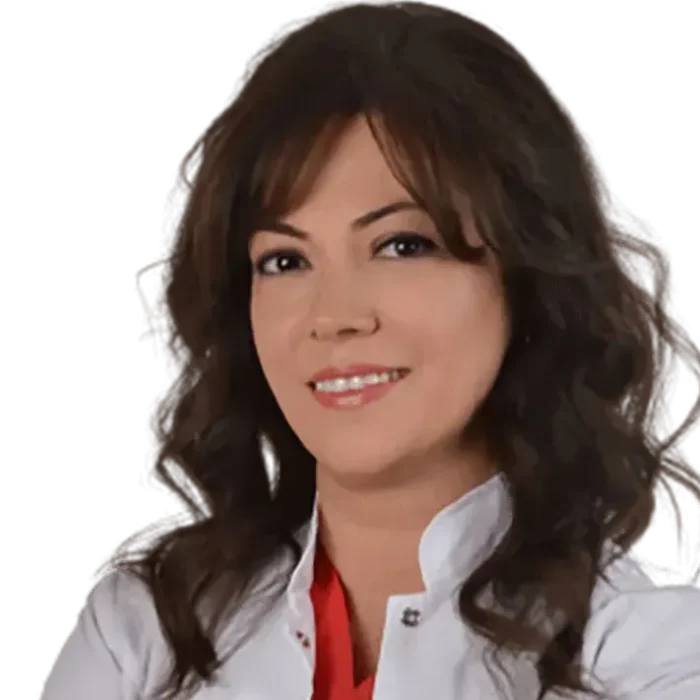
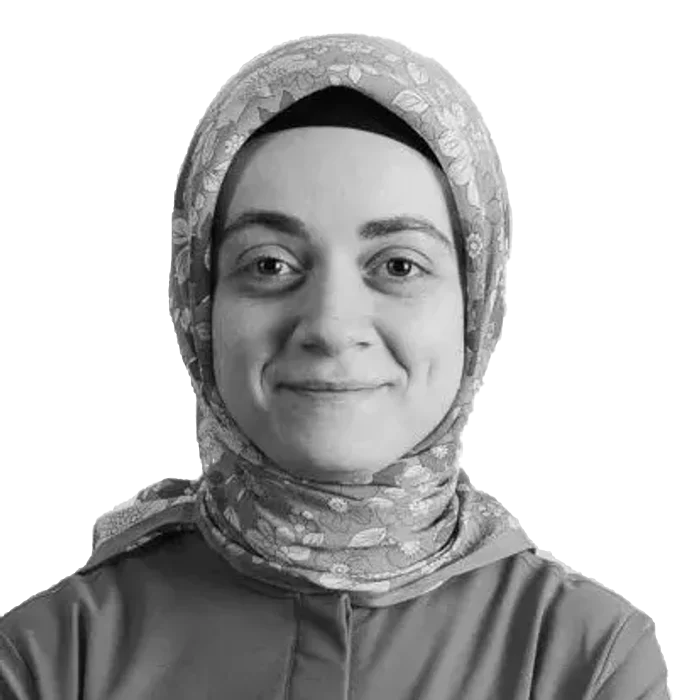
Dr Selin Saygılı
5
yrs
Pedodontics
// Dentist

Selin Saygılı

Paediatric Dentistry
TDA Registration
18569
Graduated
2021
Publications
8
// ABOUT

BIOGRAPHY

Dt. Selin Saygılı is a paediatric dentist at Mosdent. Born in 1998, she graduated from Pamukkale University Faculty of Dentistry in 2021 and has been enrolled in the doctoral programme of Istanbul University's Department of Paediatric Dentistry since 2021, where her thesis examines the relationship between dietary nitrate and the oral microbiota in children with primary hypertension.

She follows international developments in paediatric dentistry closely and conducts research on artificial intelligence applications, dental age estimation in children, analysis of digital and social media content, and biomaterials. She has published in SCI-E indexed international journals, authored a book chapter and presented papers at congresses worldwide.

Her doctoral work is supported by the TÜBİTAK 2211-A National PhD Scholarship Programme. She received TÜBİTAK 2224-A support for her presentations at congresses abroad in 2023, 2024 and 2025, and 2224-B support for her presentations in Turkey in 2023.

She has extended her clinical training with courses in rubber dam isolation, paediatric MTA applications, zirconia and stainless steel crown techniques in children, and minimally invasive dentistry. She is a member of the Turkish Society of Paediatric Dentistry, the International Association of Paediatric Dentistry and the European Academy of Paediatric Dentistry.

She has extended her professional training with Turkish Sign Language, allowing her to communicate directly with deaf and hard-of-hearing children.

// IN THEIR OWN WORDS

THE INTERVIEW

Coming soon
Frequently asked

Which brand of toothbrush and toothpaste do you recommend for my child?

Rather than fixing on a particular brand, I would suggest looking at a few basic criteria.

From the moment the first tooth comes through we always want a toothpaste with at least 1000 ppm of fluoride. A smear or a grain of rice up to the age of three, and a pea-sized amount after three, is more than enough for both safety and effectiveness.

For the brush we recommend a small-headed, soft-bristled manual or rechargeable brush that suits your child's mouth. We all know that even the best product is useless if it is not used properly: until at least the age of seven or eight a parent has to do the brushing, or you should go over the teeth again after the child has brushed.
Common misconception

Dental treatment under general anaesthesia is very dangerous for children

When it is carried out by a specialist team with uninterrupted monitoring and emergency equipment at hand, general anaesthesia is a safe and controlled process. The real danger is that treatment postponed out of fear of anaesthesia puts the child's general health, nutrition, growth and development, and psychology at risk.

According to international guidelines, general anaesthesia is a medical necessity in young children who cannot be treated in the chair, so that dental infection and pain can be cleared. Carried out in an operating theatre with an experienced anaesthetist and an independent observer present, current practice meets an extremely high standard of safety.

Case

The child who talked to their dentist in their own language for the first time

A deaf child had come to me as a patient; the mother was getting ready to interpret, as she did everywhere else. The child sat down in the chair timidly, eyes constantly searching for her. When I said hello in sign language and asked their name, they first stared in disbelief, then their face lit up; it was probably the first time in an examination room that the words had been addressed directly to them.

From that day on, our examinations were between the two of us. I explained to the child first what I was going to do, handed over the instruments for them to examine, and asked for their consent at every step. In one session the mother, her eyes filling, said she was watching her child carry a healthcare conversation without an intermediary for the first time.

I had learned Turkish Sign Language for exactly this moment. In paediatric dentistry the technical side of treatment is half the job; the other half is the child feeling safe and understood. A child greeted in their own language is no longer a child something is done to, but a child worked with. The difference shows in every minute spent in the chair.

Case

The child who climbed into the chair alone

One of my child patients, on the first visit, had not even wanted to come through the door. There had been a difficult experience before, and the sight of a white coat brought tears. That day we did nothing in the name of treatment; we played with toys in the waiting area, with a mirror we only counted their teeth, and they counted mine. That is how the appointment ended.

In the sessions that followed we moved step by step. Every instrument was first explained, then shown, then tried; we did not hurry. By the time the real treatment began, the child arrived knowing what was going to happen, and knowing was, for them, the antidote to fear.

Then at one appointment, when I opened the door, my little patient came running down the corridor and climbed into the chair by themselves; their mother was behind, coat in hand, trying to keep up. For me that scene is paediatric dentistry in summary. Our aim is not only to treat teeth; it is to raise children who come to the dentist trusting, and who own their oral health out of habit rather than fear. Fear is learned; so is trust. Which one gets learned is usually decided in the first appointments.

Where I say no

When I do not recommend treatment

I do not recommend long, tiring procedures such as fillings or root canal treatment on primary teeth that are very close to falling out and whose roots have largely resorbed.

Rather than putting the child through unnecessary clinical stress, I prefer to let the tooth follow its natural course, or simply to keep it under observation.

Coming soon
IN THEIR OWN HAND
I keep the child's psychology and general health at the centre, and base treatment on preventive, minimally invasive care in line with current scientific guidelines.
Dentist Selin Saygılı
Selin Saygılı

More thanjust a doctor

Coming soon
Coming soon
Coming soon
Coming soon
Coming soon
Coming soon
Coming soon
Coming soon
Coming soon
Coming soon
Coming soon
Coming soon
Coming soon
Coming soon
// Verifiable Credentials

Publications (8)

It begins with a conversation

Meet Dr Selin Saygılı.

WhatsApp

Not sure which treatment fits? Tell us what’s wrong →