Skip to content
MosdentISTANBUL 1992
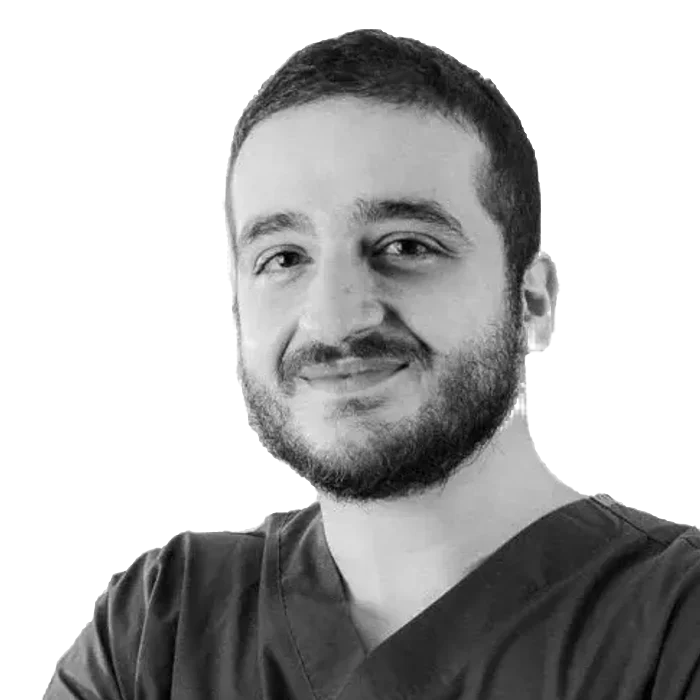
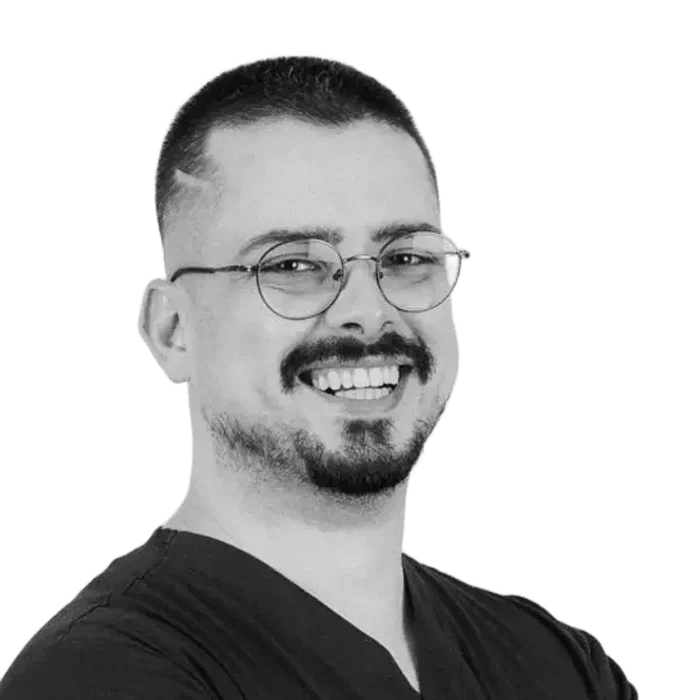
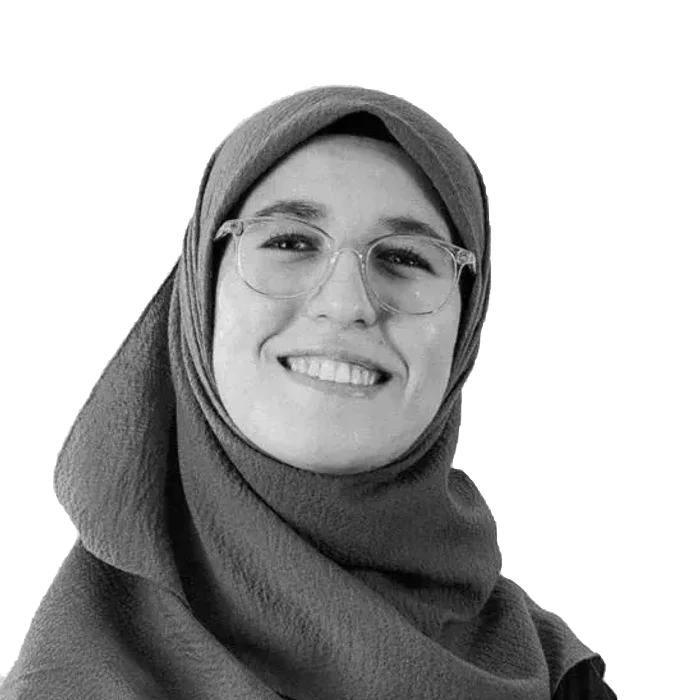
Dr Enes Yusuf Gönül, PhD
6
yrs
Orthodontics
// Dentist, PhD

Enes Yusuf Gönül

Orthodontics · Clear Aligner Treatment
1500+approximate cases
TDA Registration
68835
Graduated
2020
Publications
3
External Profile
// ABOUT

BIOGRAPHY

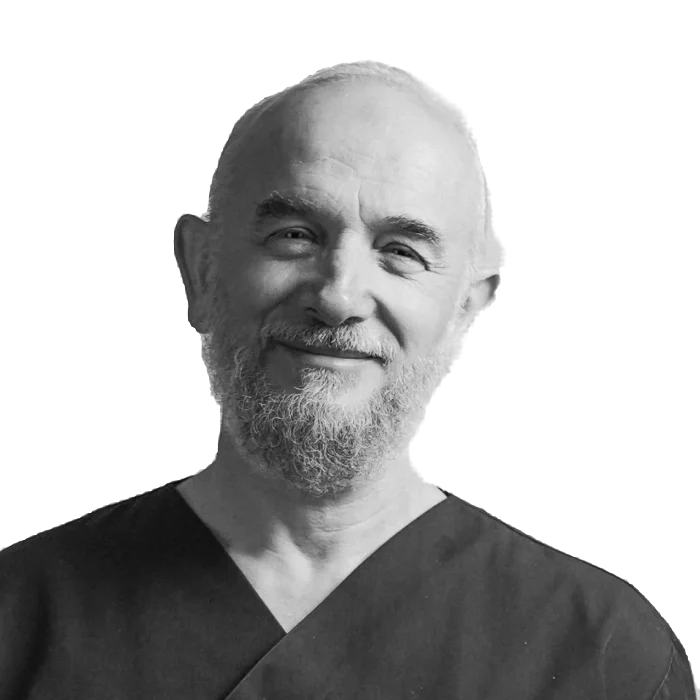
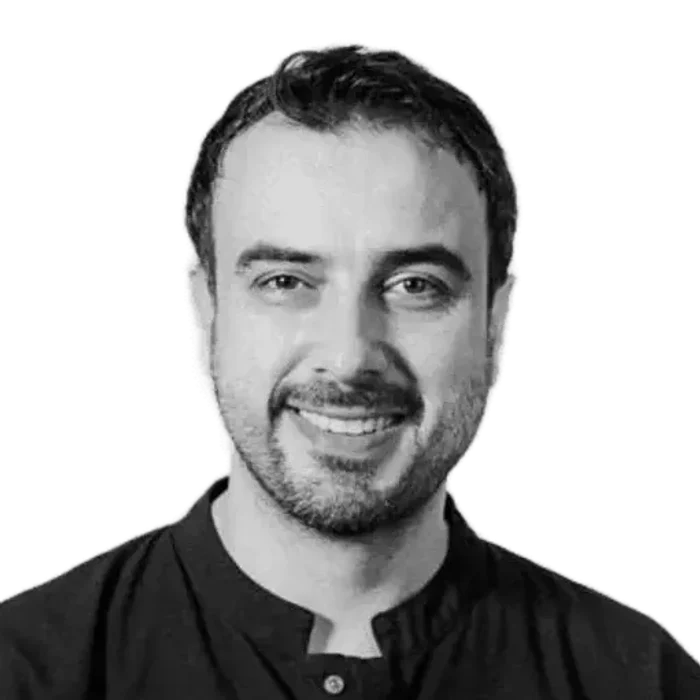
Dr. Enes Yusuf Gönül is an orthodontics dentist at Mosdent. Born in Istanbul in 1996, he graduated from Istanbul Medipol University Faculty of Dentistry in 2020, began his doctorate in the Department of Orthodontics at Istanbul Aydın University the same year, and completed it in 2025. Before Mosdent he taught as a lecturer in the Oral and Dental Health programme of Istanbul Gelişim University Vocational School of Health Services.

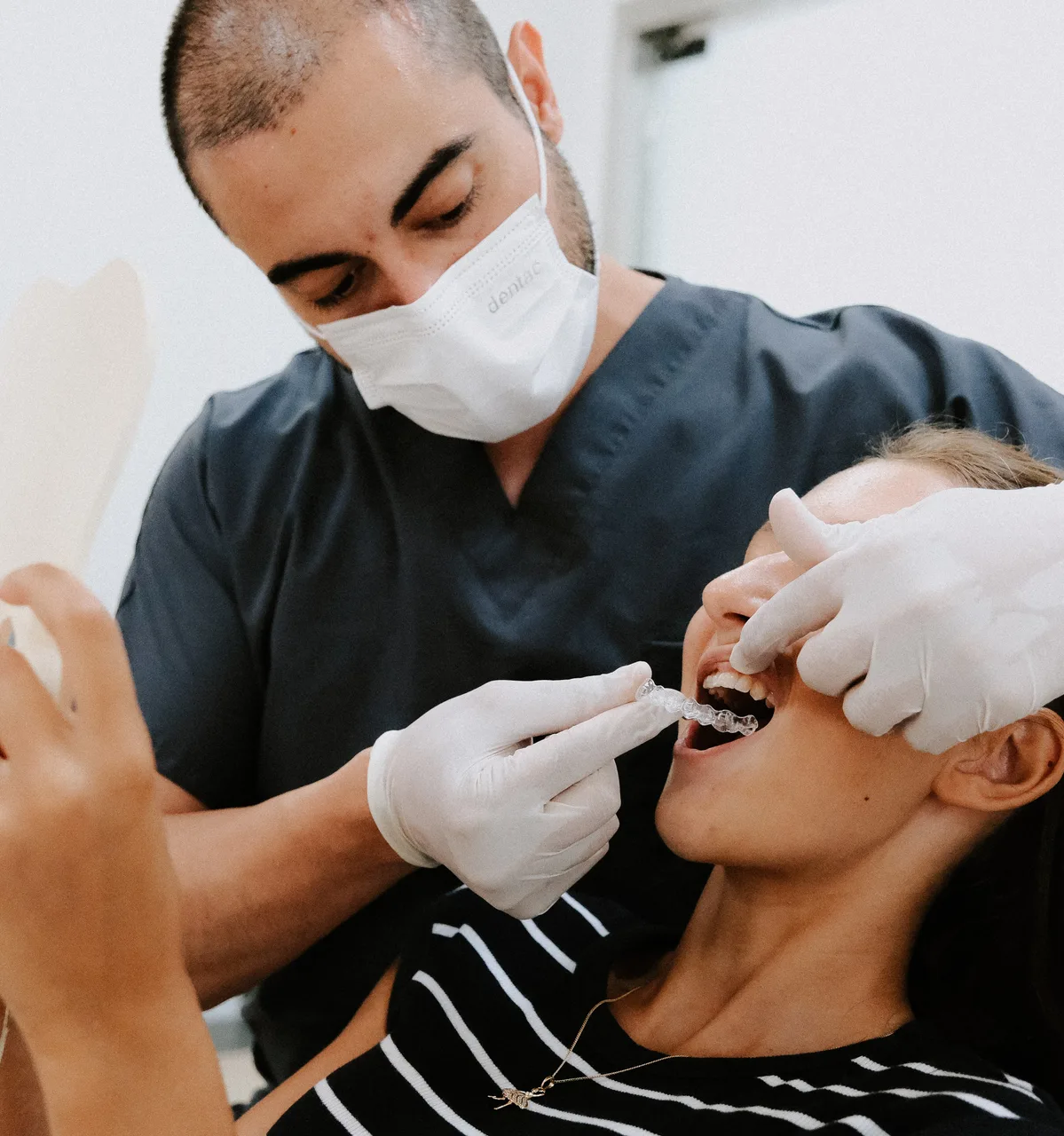
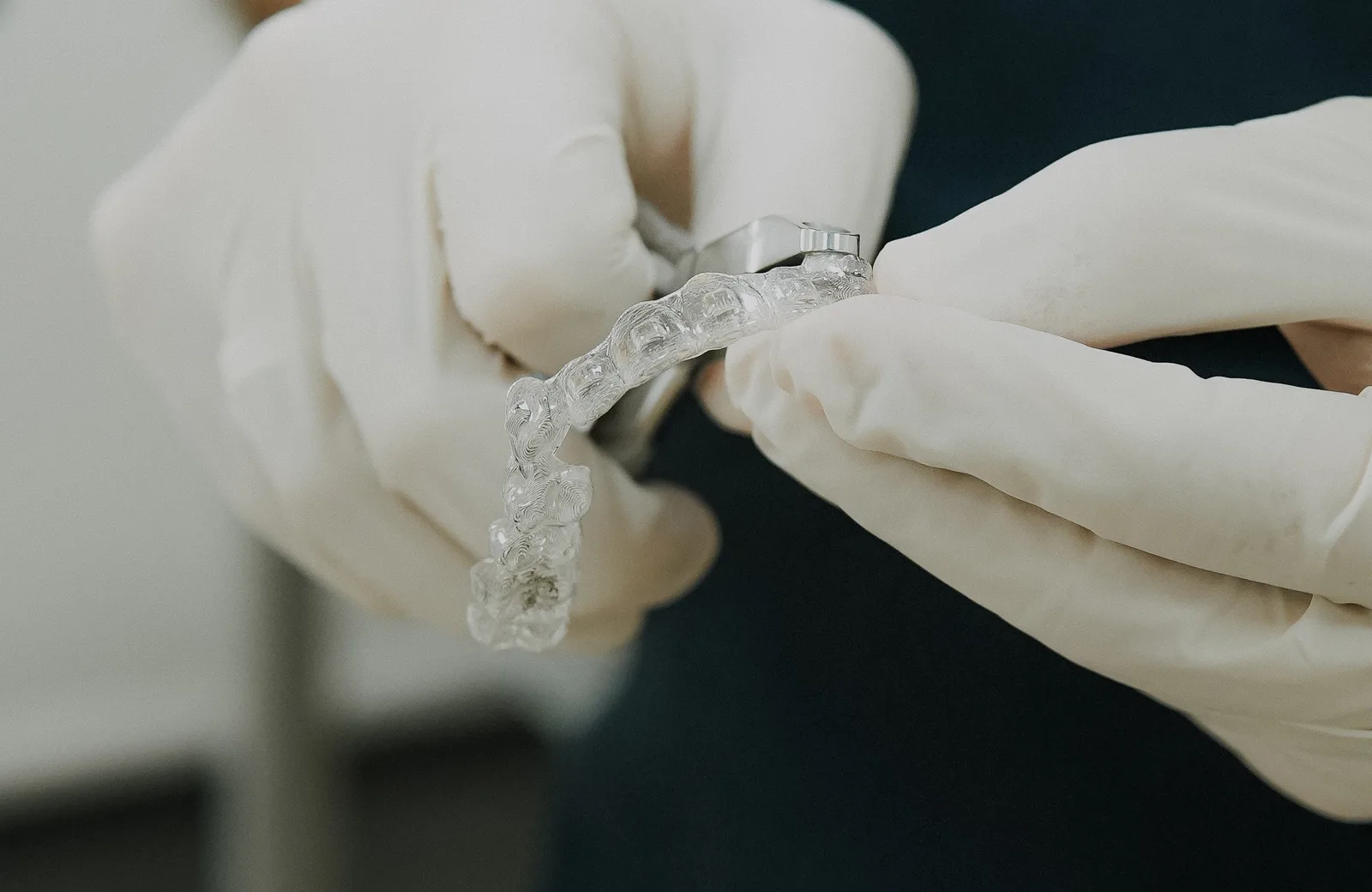
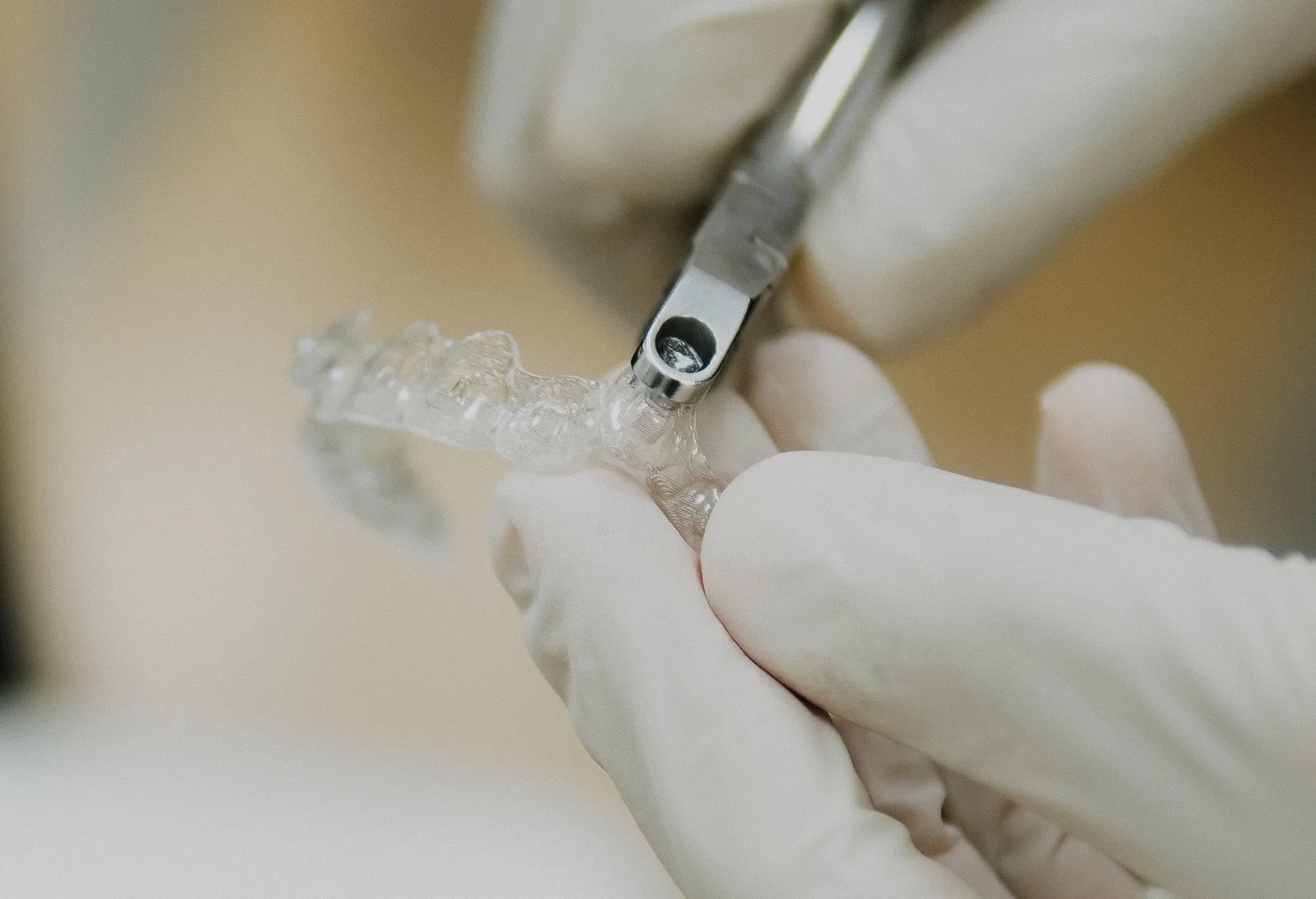
His doctoral thesis compared orthodontic clear aligners produced by direct 3D printing against those made by thermoforming; in other words, he is a clinician who has studied how aligners are manufactured, not merely used them. That background carries straight into his practice: he plans treatment knowing what material the appliance he recommends is made of, how it was produced, and what that brings to the treatment. His clinical focus is clear aligner treatment, digital orthodontics and aesthetic orthodontic care.

He has national and international publications, book chapter contributions and oral and poster presentations on the bond strength of orthodontic materials, clear aligner technologies and current approaches in orthodontic treatment. His study comparing the bond strength of composites used in clear aligner attachments was published in an international peer-reviewed journal, and he won first prize for his poster at the 1st International Turkish Aligner Society Congress.

His years of teaching oral and dental health students left him with a habit that shows in how he talks to patients: he considers it part of the job to take a complex treatment mechanism and explain it simply. He does not want a patient to start a process they have not understood, because in clear aligner treatment one of the things that decides the outcome is the patient becoming a partner in it.

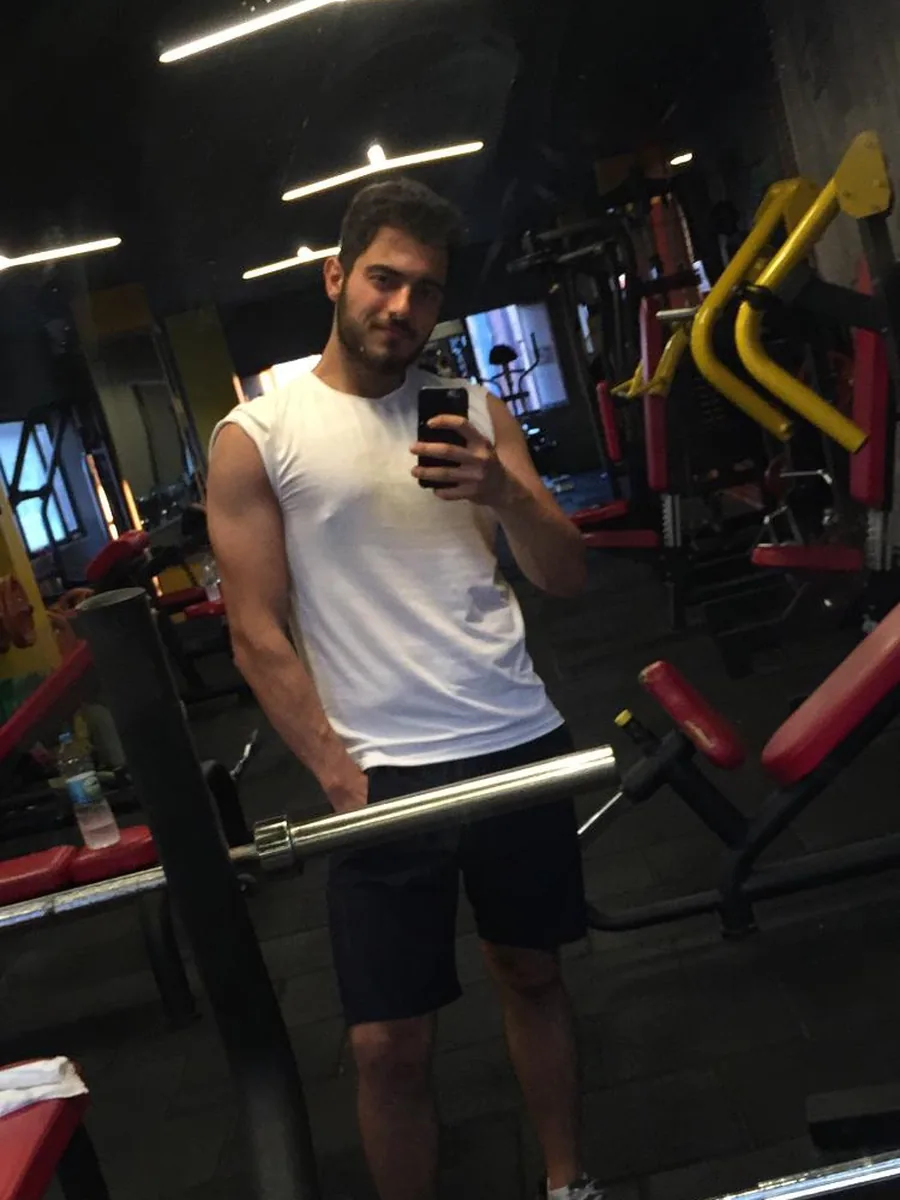
He speaks English at an advanced level. Outside the clinic he follows fitness, table tennis and football, and says the discipline they demand carries into his clinical work.

// IN THEIR OWN WORDS

THE INTERVIEW

Coming soon
Frequently asked

Is clear aligner treatment really effective?

Yes. In the right cases, and when used in line with the treatment plan, clear aligners can deliver very successful results. What decides the outcome is a correct assessment of the case and wearing the aligners regularly for the recommended hours. Because every patient's dental structure and needs are different, we plan the treatment individually.

Frequently asked

Are clear aligners really unnoticeable?

The honest answer: someone looking very closely, who knows what to look for, can notice them. The aligners are thin and transparent; in daily life, at normal speaking distance, most people cannot tell that the person across from them is wearing one. In some cases the small attachments we place on the teeth can be made out at close range; I discuss this openly with my patient before treatment begins.

In the first days there can be a short adjustment period in speech; it is temporary, and most patients return to speaking naturally with the aligners in a short time. Since the trays come out for eating and brushing, the most visible moments of daily life are spent without them anyway.

What I tell my patients is this: the right expectation here is not invisibility but discretion. Compared with braces the aesthetic difference is clear; but I do not want any patient starting treatment with an understated or an inflated expectation. If you know from the start what you will see, the process holds no surprises.

Common misconception

What is the point of seeing an orthodontist before all my child's permanent teeth have come through?

Early assessment matters precisely for that reason. Not every child needs to start treatment straight away; but following growth and development allows certain problems to be noticed at the right time. Especially in problems related to jaw development, the right timing is crucial for planning. In other words, a first orthodontic assessment does not mean treatment starts that day.

Common misconception

All clear aligners are the same

From the outside they are all thin, transparent appliances that look alike, so it is very understandable that patients assume they are identical. But I wrote my doctoral thesis on precisely this subject, and I can say: clear aligners differ by production method and by the material used. How an aligner is made can affect its thickness, its fit on the tooth, and the characteristics of the force it applies to move the tooth.

For the patient this means the following: clear aligner treatment is not a one-size product; it has to be judged together with its planning and the system used. That is why I see the aligner not as an appliance but as a whole, with the diagnosis, the planning and the follow-up behind it. The question worth asking is not 'which aligner is better' but 'are this system and this plan right for my case'.

Case

The patient who said "I thought it was too late for me"

The most striking sentence at our first consultation was: "I have actually wanted treatment for a long time, but I thought it was too late." There was marked crowding in the upper front region, irregularity in the lower front teeth and some bite problems. But what really brought the patient to the clinic was not just how the teeth looked: they avoided smiling in photographs, felt the need to cover their mouth while speaking, and had been hiding their smile for years.

After the first examination we assessed not only the alignment of the teeth but also the bite, the jaw relationships and the long-term stability of the treatment. One of the most important points for the patient was that treatment should disturb daily life as little as possible; so we went through the options in detail and built a plan around those expectations. Throughout, one of our priorities was not merely making the teeth "straight", but achieving a result in harmony with the face, functional and as stable as possible.

Over the months the alignment changed step by step. At the check-ups we followed not only the clinical change but also how the patient felt about the process. At one visit they told us: "I no longer hold myself back from smiling in photographs." That sentence was one of the most meaningful outcomes of the treatment for us. What changed at the end was not only the position of the teeth; the patient’s relationship with their own smile had changed too.

This case reminded me once again that orthodontics is sometimes not just about moving teeth. Sometimes it is about bringing back a smile someone has hidden for years. Every patient’s dental structure, expectations and treatment course are different, which is why an orthodontic plan must be prepared individually, after a detailed clinical assessment.

Case

The impacted tooth that appeared at sixty

A 60-year-old patient from Istanbul had long been unhappy about a missing tooth in their smile and the irregularity of their teeth, yet had never seriously considered orthodontic treatment; to them, orthodontics seemed to belong to the world of the young. "It is too late for me now," they said.

When we carried out a detailed examination and radiographic assessment, the story turned out to be quite different. The tooth they had waited years to see had never erupted into the mouth: it lay impacted inside the jawbone. When we looked at the radiograph together, the patient’s first reaction was: "So my tooth was there all along…"

We planned the treatment by assessing not only the alignment but also tooth and gum health, the bone structure and the impacted tooth’s relationship with the surrounding tissues. We then spoke openly about the options and the patience the process would demand; this was not a case of "fit the braces and be done in a few months". The impacted tooth had to be moved in a controlled way, brought into the right position, and all of it done without harming the existing structures. There were moments of impatience along the way; my answer was always the same: "A little more patience. Your tooth has been waiting there for years; we need to give it some time."

And then the day we had been waiting for came: the tooth that had sat inside the jawbone for years began to show in the mouth for the first time. I still remember the astonishment on the patient’s face at the mirror: "I never thought I would see this at sixty." When treatment was complete, more had changed than the alignment of the teeth; the patient had achieved something they had long written off as "too late for me". This case reminded me once more that age is rarely the barrier to orthodontic treatment we assume it to be. What matters is usually not when you start, but the moment you decide to. Some smiles have no age.

Where I say no

When I do not recommend treatment

When oral hygiene is not yet adequate and the patient cannot yet take on the responsibility the treatment demands, I prefer to postpone. Orthodontic treatment is not only about the forces the orthodontist applies; the patient's cooperation in daily care and check-ups is an essential part of it.

Sometimes a patient comes in over a small aesthetic detail. If the risk or burden of treating that minor irregularity outweighs the benefit, I prefer to say "I do not think you need this" rather than "we can treat it". In adult patients this matters even more: planning treatment around a purely aesthetic goal, without assessing bone and gum health, existing restorations, root condition and general oral health, is not right.

Another important point is unrealistic expectations. If the patient’s goal is not biologically achievable, it must be explained openly rather than promising a result that cannot be reached within healthy limits. Sometimes the most correct treatment decision is not to start treatment at all. To me, being a good orthodontist is not only knowing which treatment you can perform; it is also knowing in which patient, at which time and in which situation you should not.

Coming soon
IN THEIR OWN HAND
For me, treatment is not about moving teeth from one place to another; it is about building a balance in harmony with the patient's face, biology and life. Clear aligners are one of the tools with which I can build that balance most precisely.
Dentist, PhD Enes Yusuf Gönül
Enes Yusuf Gönül

More thanjust a doctor

Dr. Dt. Enes Yusuf Gönül
// Verifiable Credentials

Publications (3)

Articles

02
  1. 01

    Kircelli BH, Kilinc DD, Karaman A, Sadry S, Gonul EY, Gogen H. Comparison of the bond strength of five different composites used in the production of clear aligner attachments. J Stomatol Oral Maxillofac Surg 2023;124(6):101481. PubMed 37080356

    2023PubMed 37080356doi.org
  2. 02

    Conference paper · Gönül EY, Kayalar E. Evaluation of mental tension and anxiety levels in SARS-CoV-2 positive orthodontics patients. II. International COVID-19 Conference, 2021

    2021

Theses

01
  1. 03

    Doctoral thesis · A comparison of orthodontic clear aligners produced by direct 3D printing and by thermoforming. Istanbul Aydın University, Department of Orthodontics, 2025

    2025
It begins with a conversation

Meet Dr Enes Yusuf Gönül, PhD.

WhatsApp

Not sure which treatment fits? Tell us what’s wrong →