
Skip to content
MosdentISTANBUL 1992
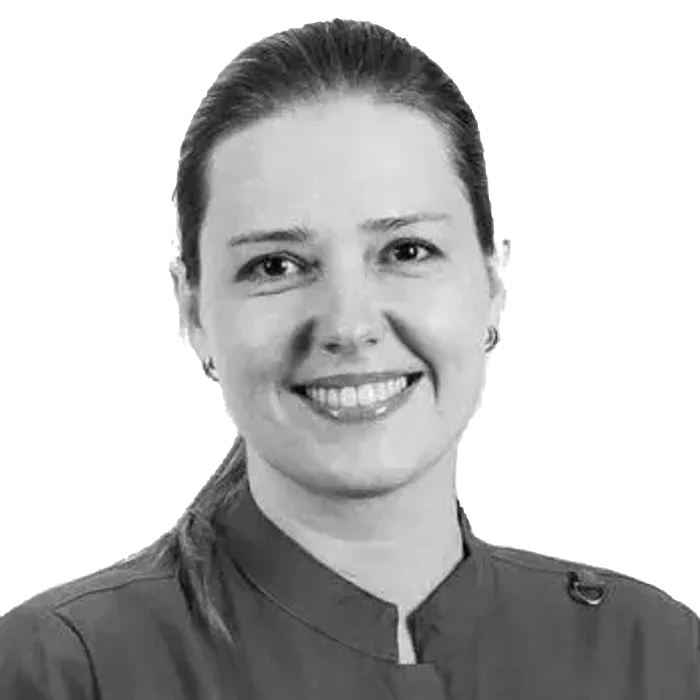
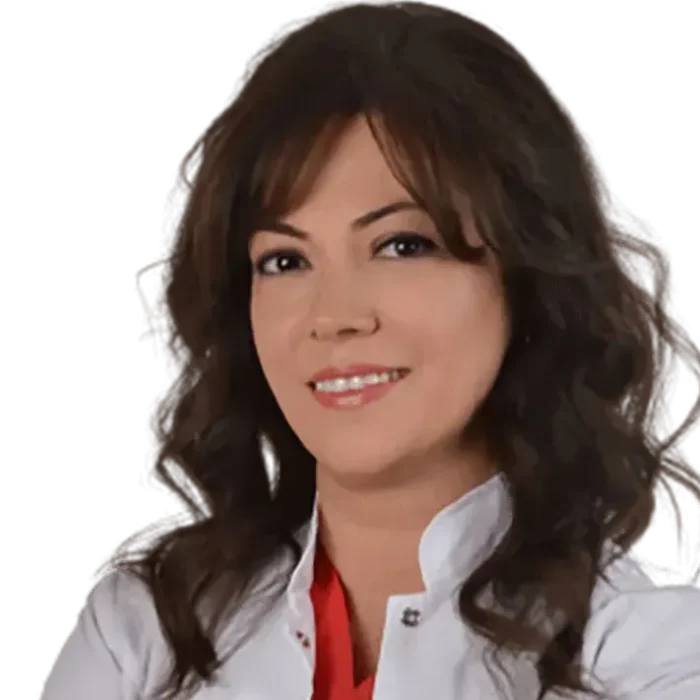
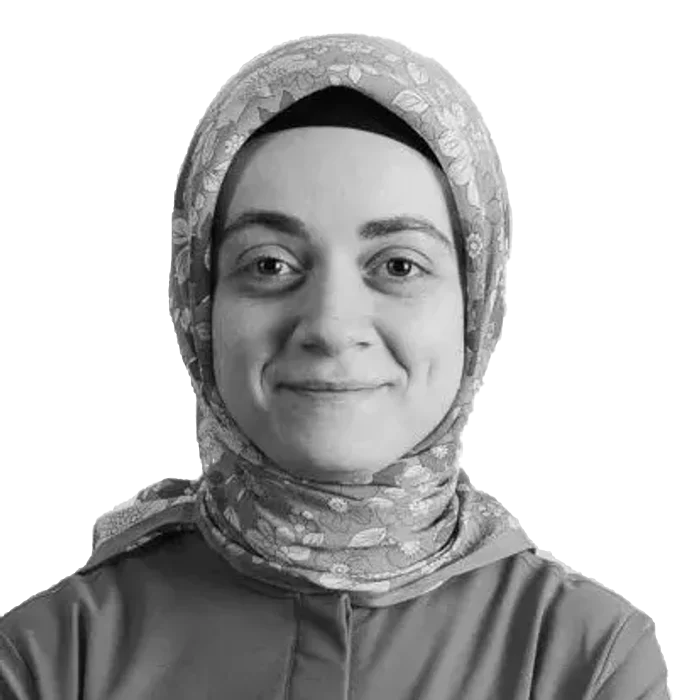
Dr Melike Yavuz, PhD
5
yrs
Endodontics
// Dentist, PhD

Melike Yavuz

Endodontics
Graduated
2021
Publications
2
External Profile
// ABOUT

BIOGRAPHY

Dr. Melike Yavuz is an endodontics dentist at Mosdent. She studied at Istanbul Medipol University Faculty of Dentistry between 2016 and 2021, and completed her doctorate in the same university's Department of Endodontics in 2026. From 2022, alongside her doctoral studies, she worked as a dentist in the university's endodontics clinic.

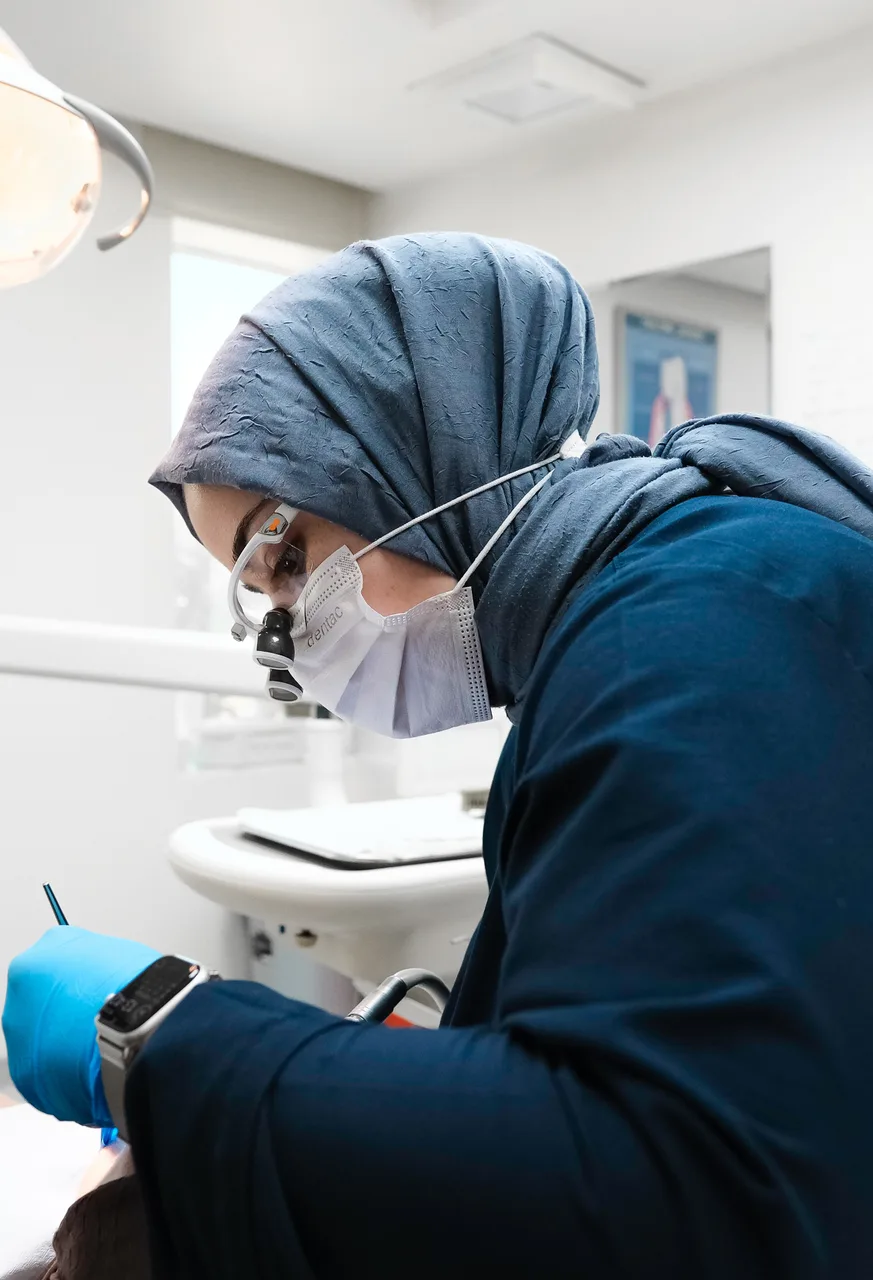
Preserving the natural tooth sits at the centre of her clinical work. Her practice focuses on root canal treatment, endodontic retreatment, microendodontic procedures, dental trauma, vital pulp therapy and restorative dentistry. She regards extraction as the last option, and bases the decision on whether a tooth can be saved on the full clinical and radiographic picture.

Endodontic retreatment and microendodontic procedures form a distinct part of her work. In teeth that have been treated before but still cause trouble, she takes understanding why the first treatment fell short as the first step of the new one.

She combines clinical practice with academic work. Her study examining the effect of apical preparation size and passive ultrasonic activation on microbial load in root canals with periapical lesions was published in an international peer-reviewed journal. She has also written a book chapter on restoration choice in endodontically treated teeth, built on biomechanical principles and clinical evidence.

The subjects she has published on also sum up her clinical outlook: the success of a root canal treatment is decided not only by what happens inside the canal, but by how the tooth is restored afterwards. She therefore does not consider a treatment finished when the canal is filled; sealing and restoring the tooth properly is planned as part of the process.

She assesses each patient's needs individually, builds the treatment plan on scientific evidence, and aims to contribute to the long-term protection of oral health.

// IN THEIR OWN WORDS

THE INTERVIEW

Coming soon
Frequently asked

Is root canal treatment painful?

This is the question I hear most often from my patients, and the real reason most of them delay coming to the clinic. My answer is this: most of the pain associated with root canal treatment comes not from the treatment itself but from the inflamed process lived through before coming in. The pain that brings the patient to the clinic is the pain the treatment removes, not the pain it causes.

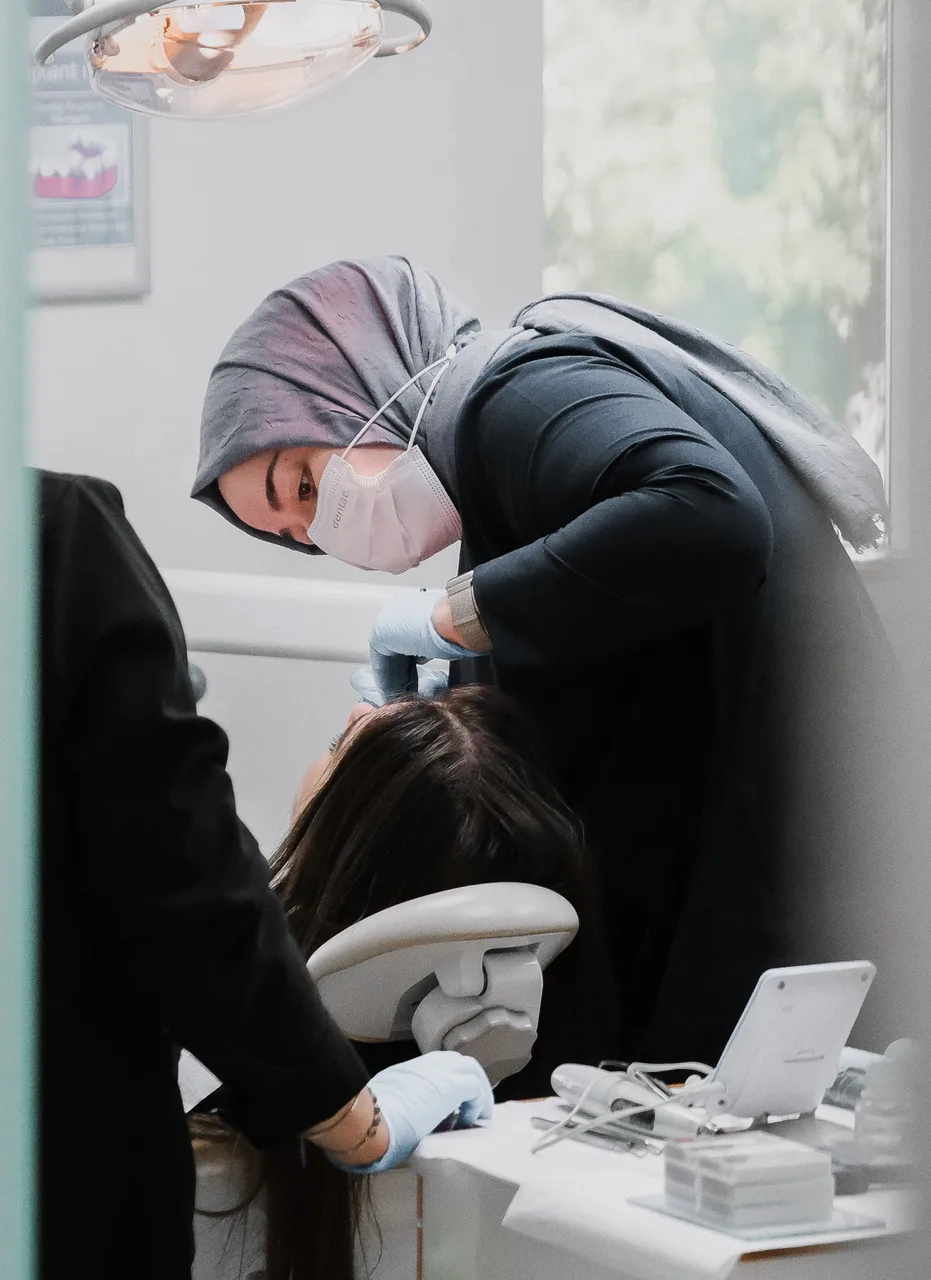
During the treatment we numb the area and work; I check my patient's comfort regularly throughout, and the moment they feel discomfort we pause. After treatment there can be sensitivity lasting a few days; that is an expected part of the tissues healing, and I prepare my patient for it in advance.

The truly sad part is the treatments postponed for months because of this fear. In a patient who comes early, the procedure is shorter and our chance of saving the tooth is higher. So I tell my patients the same thing every time: waiting because you fear the pain does nothing except make the thing you fear bigger.
Common misconception

A root-treated tooth is a dead tooth; sooner or later it gets extracted anyway

I hear this sentence often from patients arriving at the clinic, and it carries two errors at once. In root canal treatment we clean the inflamed or damaged tissue inside the tooth; the tooth goes on being nourished through the tissues that surround it and doing its work in the jaw. None of its duties are lost: chewing, supporting the neighbouring teeth, stimulating the jawbone.

The second error is the belief that these teeth are destined for extraction. With a properly performed root canal and a properly planned restoration on top, these teeth can be used without trouble for many years. The choice of restoration after treatment is a subject I have also worked on academically; how the top of the tooth is sealed matters as much as the work done inside the canal. What loses a root-treated tooth is usually not the treatment itself, but the restoration and the check-ups neglected afterwards.

Case

The patient who fell asleep in the chair

I had a patient who, I later learned, had booked and cancelled appointments many times before making it to the clinic. Because of a bad experience in childhood, simply sitting in a dental chair was a threshold in itself. At the first session we did not start treatment at all; I explained what we would do, what they might feel at each stage, and that if they signalled with their hand I would stop.

Halfway through the second session there was a silence, and I realised my patient had fallen asleep in the chair. When the treatment was over they could not believe it; no one was more surprised than they were that they had managed to sleep in the middle of a procedure they had spent years postponing out of fear.

What changed that day was not the tooth; it was their relationship with the dentist. The source of the fear is usually not the procedure itself but the feeling that control lies entirely with someone else. Hand that control back to the patient, and you watch even the most anxious shoulders come down.

Case

The patient who asked for one last chance

A patient came to me about a tooth that had already been marked for extraction somewhere else. It had had root canal treatment before and was still causing trouble, and my patient's single sentence was: 'I want one last chance for my own tooth.'

First we sat down and spoke plainly. I explained that retreatment is not possible in every tooth, that we first had to assess whether this tooth could carry the treatment, and that the outcome could not be guaranteed. My patient said that honesty was worth more to them than anything they had heard until then. At the end of the assessment we decided the tooth was suitable for retreatment, and we completed the process together.

This case reminds me of something: patients are rarely asking for a miracle; they want to be told the truth about their teeth and to be made partners in the decision. When a patient wants to keep their own tooth, that request deserves to be taken seriously in every case where the attempt is worth making.

Where I say no

When I do not recommend treatment

I do not see root canal treatment as a rescue method that can be applied to any tooth. If not enough sound tissue remains to carry the restoration afterwards, or if the tooth's long-term outlook does not make the treatment meaningful, I tell my patient so openly. A root canal on such a tooth does not prevent the loss; it only postpones it, while costing the patient time and hope.

The same principle holds in reverse: in a tooth that functions without complaint, I do not propose retreatment merely because the radiographic image is less than ideal. Watching is also a treatment decision, and sometimes it is the right one.

In both situations I share my reasoning with my patient and we talk the options through together. Not proposing a procedure I could perform is as important a part of dentistry as performing one.

Coming soon
IN THEIR OWN HAND
I base my decisions not on what will replace a tooth once it is extracted, but on how that tooth can be preserved; I never recommend a procedure that the scientific evidence does not support.
Dentist, PhD Melike Yavuz
Melike Yavuz

More thanjust a doctor

Coming soon
Coming soon
Coming soon
Coming soon
Coming soon
Coming soon
Coming soon
Coming soon
Coming soon
Coming soon
Coming soon
Coming soon
Coming soon
Coming soon
It begins with a conversation

Meet Dr Melike Yavuz, PhD.

WhatsApp

Not sure which treatment fits? Tell us what’s wrong →