Skip to content
MosdentISTANBUL 1992
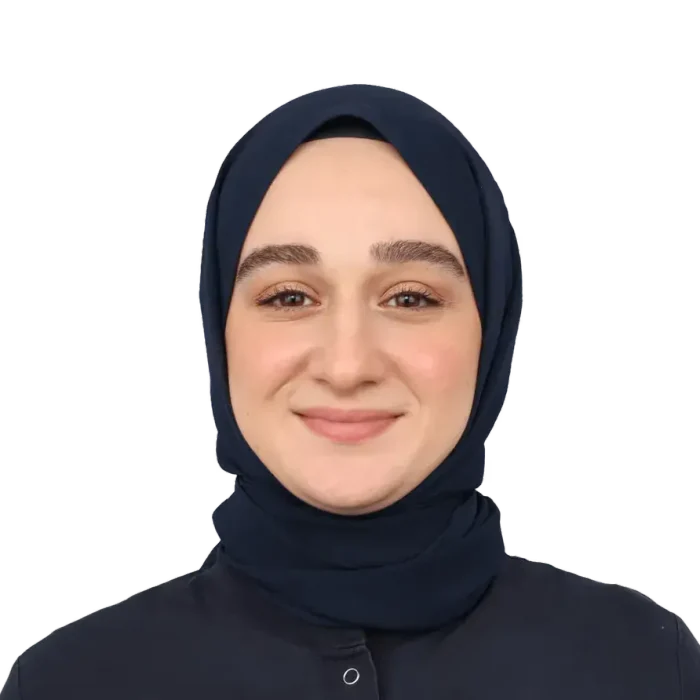
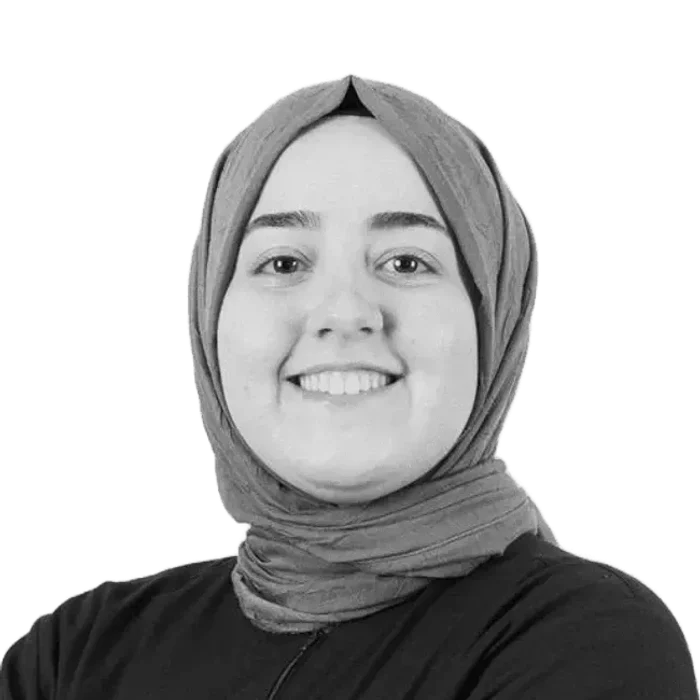
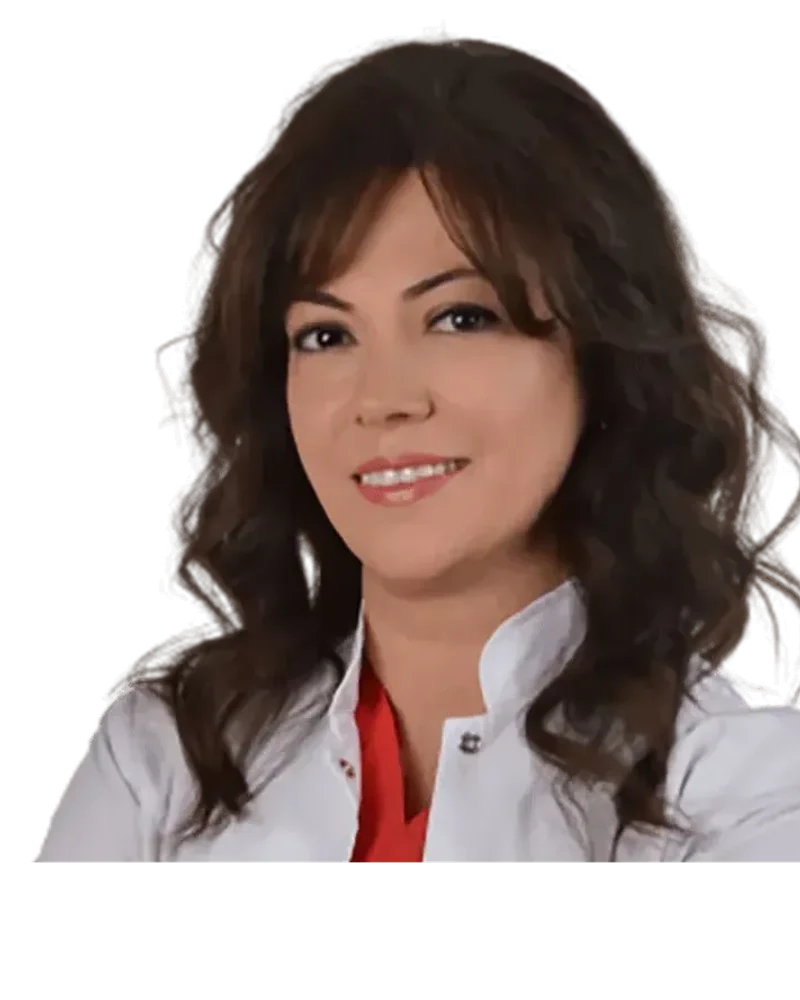
Dr Betül Ayaz, MD
Anaesthesia
// MD

Betül Ayaz

Anaesthesiology & Reanimation
TDA Registration
92798
Graduated
1997
Publications
1
// ABOUT

BIOGRAPHY

Dr Betül Ayaz was born in Eskişehir in 1972. She graduated from Eskişehir Osmangazi University Faculty of Medicine in 1997.

She began her career as a general practitioner in Kütahya, serving in Domaniç and Tavşanlı between 1998 and 2007. Those years of district medicine taught her to work with patients of every age, often with limited resources; she credits this period with her habit of listening to a patient at length before any procedure.

She completed her specialisation in anaesthesiology and reanimation at Istanbul Kartal Dr. Lütfi Kırdar Training and Research Hospital in 2011. Her specialisation thesis compared the effects of different drug combinations in regional intravenous anaesthesia.

After qualifying as a specialist she served at Muş State Hospital, then in Istanbul at Eyüpsultan State Hospital and the Or-Ahayim Balat Hospital. Across these posts she managed the anaesthesia of a large number of patients of different ages and risk profiles in the operating theatre.

Her clinical interests include regional anaesthesia, pain management (algology), neuraxial blocks and peripheral nerve blocks.

At Mosdent she is responsible for conscious sedation and general anaesthesia. She carries out the pre-procedure assessment of patients who have postponed treatment out of dental fear, who have a pronounced gag reflex or who face long surgical procedures; she monitors the patient's vital signs throughout the procedure and manages recovery.

// IN THEIR OWN WORDS

THE INTERVIEW

Coming soon
Frequently asked

Will I wake up during sedation? Will I feel anything?

This is the question I am asked most often about sedation, and behind it there is always the same fear: losing control completely. Let me make one thing clear first: conscious sedation is not general anaesthesia. We take you into a state of deep relaxation and sleep, but your breathing stays under your own control; I adjust the depth of the sedation throughout the procedure.

Pain control is not the job of sedation; that is provided by the local anaesthesia your dentist administers. What sedation removes is the anxiety, the tension of waiting and the weight of the time spent in that chair. Most of my patients say they do not remember when the procedure began or ended.

And through all of it I am beside you; your heart rhythm, your blood pressure and the oxygen level in your blood are monitored without interruption. So I can answer the question like this: you will be comfortable enough not to notice the procedure, and safe enough for me to follow you at every moment.
Common misconception

Anaesthesia is dangerous; the risk of going to sleep and not waking up is high

I do not belittle this fear, because its source is usually a real story, but an old one. Most of the anaesthesia stories passed from ear to ear belong to times before today's monitoring technology and safety standards existed. Today, for every minute you are under anaesthesia, your heart rhythm, blood pressure, breathing and oxygen levels are followed without interruption, by machines and by a specialist's eye.

I never say the risk is zero for any medical procedure; be wary of anyone who does. The correct sentence is this: risk is managed with the right preparation. Before the procedure I ask about your illnesses, your medications, your allergies and your previous experiences of anaesthesia, one by one; where needed I order tests. The safety of anaesthesia is built not in that chair but at this assessment table.

Let me add one more thing: postponing treatment for years out of fear has its own price, and that price is usually heavier than the manageable risks of anaesthesia. Tell me your fear; together we will find the route that suits you.

Case

The patient who booked and turned back at the door

Before one of our patients finally reached the clinic, they had made three appointments and come to none of them. On the fourth they came, but could not sit in the chair; we talked in the waiting room. They told me about a bad dental experience in childhood. Over the years the problems in their mouth had piled up; the more ashamed they felt, the longer they postponed, and the longer they postponed, the bigger the job grew.

That day we did not discuss treatment; I explained what sedation is, what they would and would not feel, and that I would be at their side throughout the procedure. I waited until their questions ran out. They asked for time to decide, and we gave it.

Some time later they came back, and we completed most of the accumulated treatment under sedation, in a few sessions. I have not forgotten the question they asked on waking at the end of the first session: 'have we started?' When I said it was finished, they did not believe me at first; then their eyes filled. That is the measure of success in my profession: years of fear fitting into one afternoon the patient does not remember.

Case

The patient whose gag reflex made treatment impossible

One of our patients gagged the moment a mirror touched their mouth; never mind treatment, even an examination could not be completed. For years they had believed it to be a kind of weakness, felt ashamed of it, and given up going to the dentist altogether. The first thing I said when they came to me was this: this is not a failure of will, it is a manageable reflex.

We carried out the pre-procedure assessment and planned the treatment under sedation. In patients like this the depth of the sedation matters to me in a particular way; we work in a range deep enough to suppress the reflex and controlled enough never to compromise the patient's safety. In those sessions my dentist colleague could comfortably complete work that had been impossible for years.

What moved me most was what the patient said at the end of the treatment: 'so the fault was never mine.' What keeps people away from treatment is sometimes not even the fear of pain, but the worry that their own body will embarrass them. And that is the most valuable thing operating-theatre discipline brings to a clinic: no one is left alone with their reflex or their fear.

Where I say no

Which patients I do not take into sedation

I give anaesthesia to no patient I have not assessed; that is my first rule, and it is not open to negotiation. No sedation is planned without asking about illnesses, medications, allergies and previous anaesthesia experiences, and without seeing test results where they are needed.

Nor do I take on patients whose risk I judge cannot be managed under clinic conditions; patients with uncontrolled systemic disease, or those who need more comprehensive facilities, I refer to a suitable hospital setting. In the same way, if the pre-procedure fasting rule has not been followed, I postpone that day's sedation and replan the procedure under safe conditions. The patient may be upset in the moment; but every one of these rules exists to protect the patient.

Saying 'not today' is as much a part of an anaesthetist's profession as saying yes. My duty is not to get my patient to a procedure on time, but to bring them out of it in good health.

Coming soon
IN THEIR OWN HAND
My job is not to put a patient to sleep but to keep them safe through every minute of the procedure and wake them in good health. That is why the questions I ask beforehand matter as much as the procedure itself.
MD Betül Ayaz
Betül Ayaz

More thanjust a doctor

Coming soon
Coming soon
Coming soon
Coming soon
Coming soon
Coming soon
Coming soon
Coming soon
Coming soon
Coming soon
Coming soon
Coming soon
Coming soon
Coming soon
// Verifiable Credentials

Publications (1)

  1. 01

    Specialisation thesis · Comparison of the effects of lidocaine-lornoxicam and lidocaine-meperidine in regional intravenous anaesthesia. Istanbul Kartal Dr. Lütfi Kırdar Training and Research Hospital, 2011. Supervisor: Dr. Ferhan Temizel.

    2011
It begins with a conversation

Meet Dr Betül Ayaz, MD.

WhatsApp

Not sure which treatment fits? Tell us what’s wrong →