Skip to content
MosdentISTANBUL 1992
Dr İsmail Batuhan İp
4
yrs
Endodontics
// Dentist

İsmail Batuhan İp

Endodontics · Restorative Dentistry
Graduated
2022
// ABOUT

BIOGRAPHY

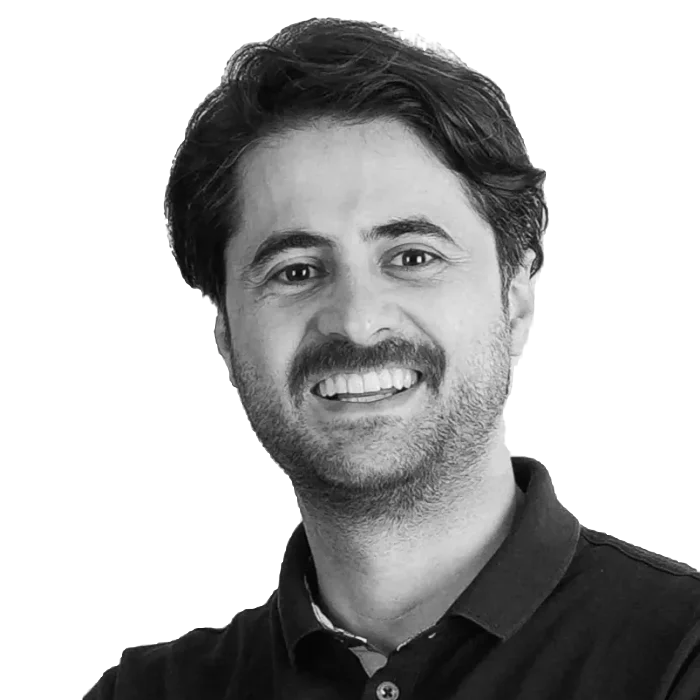
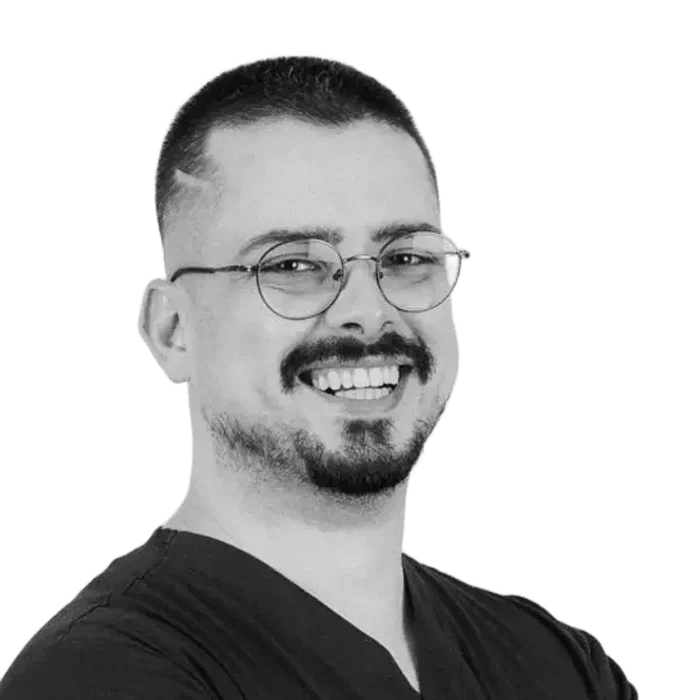
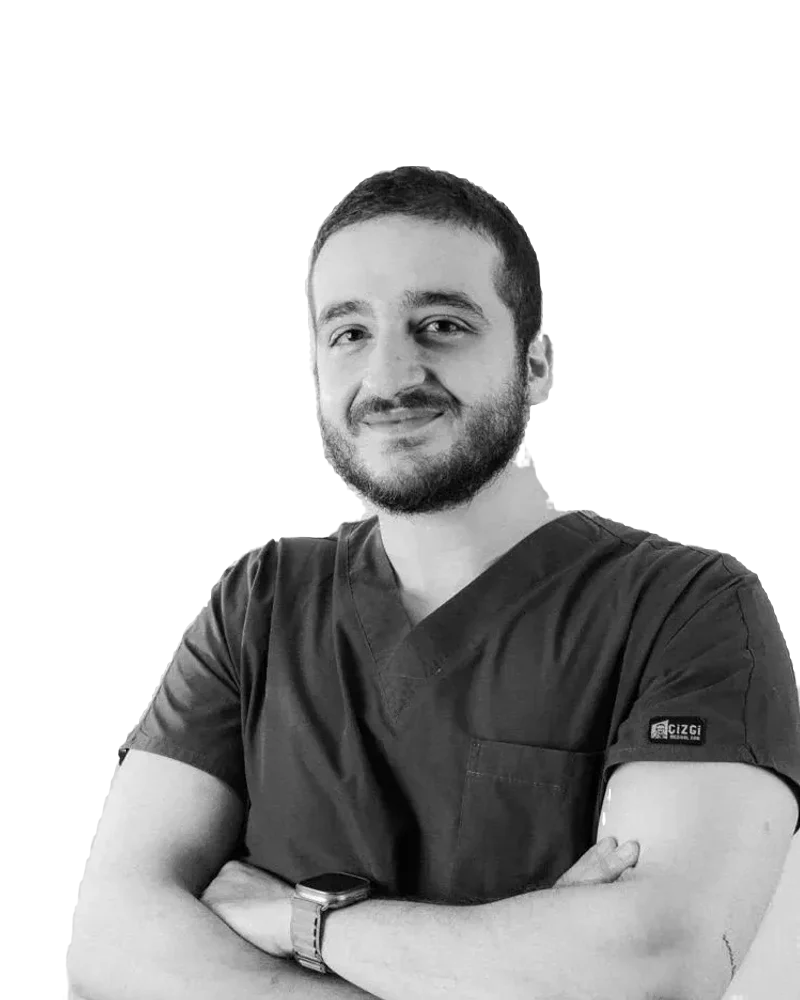
Dt. İsmail Batuhan İp is an endodontics dentist at Mosdent. Born in Istanbul in 1998, he graduated from Istanbul Medipol University Faculty of Dentistry in 2022. He has been enrolled in the same university's doctoral programme since 2023 and is currently writing his thesis, "The Microbiology of Root Canal Retreatment across Different Lesion Sizes".

His clinical routine covers nearly every form of root canal work: vital and non-vital root canal treatment, retreatment, locating hidden canals or canals missed in earlier treatment, retrieving instruments fractured inside the canal, vital pulp therapy, MTA applications, and the direct and indirect restorations that put the tooth back on its feet once the canal work is done.

He performs all of it under rubber dam isolation and through a microscope. He regards this not as a preference but as how the job is done: root canal treatment is won in details finer than a millimetre, and you cannot treat a canal you cannot see. Isolation keeps the working field separated from saliva and bacteria, so the treatment proceeds under clean conditions.

His doctoral research and his clinical interest meet at the same point: teeth that have already had root canal treatment yet still carry a problem. Studying the microbiology of retreatment has taught him to think about what went wrong in these teeth not only at the level of instruments, but at the level of the microorganisms behind the trouble.

He sums up his professional principle in a single sentence: treat the patient in the most ethical way possible, entirely in the patient's interest. Every procedure he proposes passes through that filter; not performing unnecessary treatment and not performing necessary treatment carelessly are, to him, two faces of the same rule.

Outside the clinic he plays guitar and produces music, and takes an interest in history and coffee brewing. He speaks Turkish and English.

// IN THEIR OWN WORDS

THE INTERVIEW

Coming soon
Frequently asked

My tooth had root canal treatment. Why does it still hurt?

First let us separate two things: sensitivity in the tooth for a few days after a root canal is expected; as the tissue heals, the feeling usually fades on its own. What I really care about is pain that persists after weeks or months, that stabs when you bite, or that comes and goes with swelling.

Pain like that usually has a cause, and the cause can be found. The ones we meet most often are a canal missed in the first treatment and left untreated, an area inside the canal that could not be cleaned, a filling that has started to leak over time, or a crack in the tooth. Examination and X-rays together show which of these we are facing; and the microscope is our greatest ally, especially in finding hidden canals.

So do not sit and wait, thinking 'the root canal is done, why should this tooth hurt at all'. Persistent pain is a message; finding its source is our job.

Common misconception

If the pain has gone, the problem has gone too

The most misleading moment in tooth pain is the moment it stops. A good share of patients decide the problem is solved once the pain settles, and cancel their appointment. Yet when a fiercely aching tooth suddenly goes quiet on its own, it sometimes means the nerve tissue inside has lost its vitality. The pain has fallen silent, but the infection has not; it can go on advancing quietly in the bone at the root tip.

The same illusion has a version inside treatment too: when a root canal takes several sessions, a patient who feels relief after the first may not come to the rest. A temporary filling is exactly that, temporary; a tooth with its treatment half finished does not count as healed just because it does not hurt. I tell my patients this: pain is an alarm bell, and the bell going silent does not mean the fire is out. Show the quiet tooth to your dentist too; the real picture is told not by pain but by examination and films.

Case

The fractured instrument in a tooth marked for extraction

A patient arrived with an X-ray in hand; at an examination elsewhere a fractured instrument had been seen in the canal of the tooth, and they believed the tooth had to come out. A broken instrument sounds frightening, and the patient had already said their goodbyes to the tooth.

I assessed it under the microscope and told them two things at once: that attempting to remove the instrument was possible, and that there was no guarantee. We also agreed from the start that the attempt had a limit; if we began to harm the tooth, we could stop. After that openness, the patient wanted to try.

It was a calm, long session. When the instrument came out I showed it to the patient on the microscope image; seeing that tiny piece of metal, they laughed and asked to keep it as a souvenir. We completed the treatment, and the fragment stayed with them. What was valuable to me in this case was the conversation as much as the instrument: when you can give a patient the hope and the limit in the same breath, the decision becomes truly theirs.

Case

The patient who watched their own treatment on the screen

As they settled into the chair, a patient asked whether they could see what I was doing. They were nervous of root canal treatment, but theirs was the kind of nature that manages fear by asking questions and wanting to understand everything. Because I work with a microscope this was possible; I put the image on the screen, and through the treatment I described at intervals what we were seeing.

They did more than I expected: they asked questions, followed the stages, and when they first saw the cleaned canal they could hardly believe it was the same place as before. I have not forgotten the sentence at the end of the session: 'I have seen the inside of my own tooth; now I know what you are dealing with.' Curiosity had taken the place of fear.

Since that day I offer to turn the screen on for any patient who wants it. The microscope is first of all a treatment instrument to me; but that day I discovered its second job: when you can show the patient what the clinician sees, trust builds faster than words can build it. A person who fears what they cannot see becomes a partner in what they can.

Where I say no

When I do not recommend treatment

I do not recommend going straight to root canal treatment on a tooth that can keep its vitality. Not every tooth arriving with deep decay is condemned to a root canal; under the right conditions, vital pulp therapies that protect the living tissue inside can let the tooth stay alive. Where that chance exists, cutting straight to a root canal is, to my mind, a decision that serves the schedule, not the patient.

Nor do I do the reverse: I do not propose a pre-emptive root canal on a tooth with no symptoms and no findings on the grounds that it might cause trouble one day. Root canal treatment is a treatment applied to a need, not a precaution taken against a possibility.

In both situations I explain my reasoning to my patient openly; we talk through why vital treatment is not possible in every tooth, which findings would take us to a root canal, and what we will watch for at follow-up. Treating a patient in the most ethical way possible sometimes means doing less.

Coming soon
IN THEIR OWN HAND
My single measure is to treat my patient in the most ethical way possible, entirely in their interest. Any procedure I propose to the person in my chair must be one I could recommend to my own family with a clear conscience.
Dentist İsmail Batuhan İp
İsmail Batuhan İp

More thanjust a doctor

Coming soon
Coming soon
Coming soon
Coming soon
Coming soon
Coming soon
Coming soon
Coming soon
Coming soon
Coming soon
Coming soon
Coming soon
Coming soon
Coming soon
It begins with a conversation

Meet Dr İsmail Batuhan İp.

WhatsApp

Not sure which treatment fits? Tell us what’s wrong →