Dental bonding uses tooth-coloured composite resin added directly to the tooth to improve small chips, gaps, edge irregularities and isolated discolouration. It is usually additive, so little or no tooth reduction is needed. Its lifespan varies, with studies reporting composite veneer survival of 88% over 24 to 97 months (PubMed 38035903).
Dental bonding is also called composite bonding, composite veneers or composite laminates. The term "bonding filling" is sometimes used, but bonding and a filling are different procedures that happen to use a similar material. You can read about the steps and common questions on our bonding treatment page.
Dental bonding and the problems it can fix
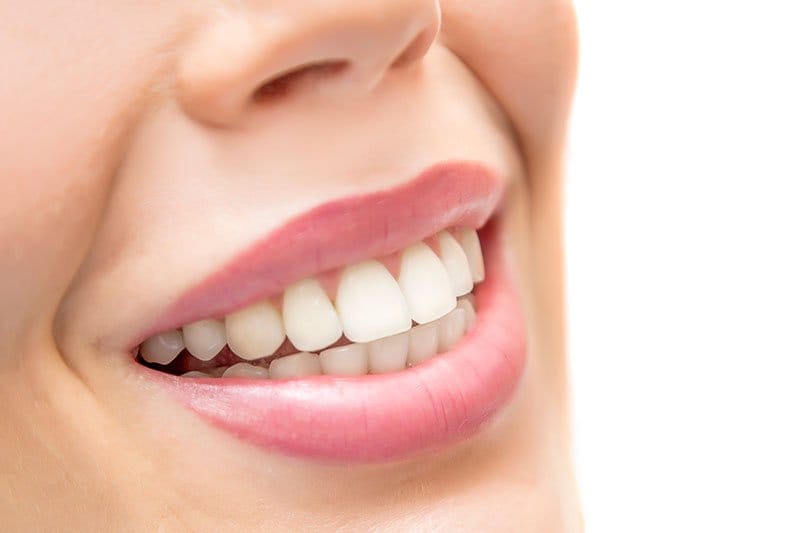
Dental bonding involves adding tooth-coloured composite resin directly to the tooth in the mouth. The dentists at Mosdent shape the material by hand, cure it with a light and polish it during the same appointment. There is no laboratory stage or waiting period for a manufactured restoration.
Because bonding is usually additive, the tooth is commonly left intact. The surface may be prepared or roughened to help the material adhere, but substantial tooth reduction is not normally part of the procedure. Different clinics may use different names for the same treatment, so it is more useful to ask which teeth will receive composite, how much material will be added and whether any tooth preparation is planned.
Bonding is generally most suitable for small, surface-level concerns where much of the natural tooth remains healthy. It may be considered for:
- A small chip on a front tooth
- A minor gap between teeth
- Uneven or irregular edges
- A tooth that looks slightly shorter or narrower than its neighbours
- An isolated colour or surface defect
The common feature is that the problem can be improved by adding material rather than removing a large amount of tooth structure.
Limits of bonding and how it differs from a filling
Bonding has limits. Extensive loss of tooth structure, a weakened tooth after root canal treatment, heavy biting forces or a request to change the colour and shape of the whole smile may require a different plan. Ceramic veneers or crowns may then be discussed. Repairs involving the incisal edge, such as a larger corner fracture, are more demanding. A meta-analysis found 10-year median success of 95% for Class III anterior restorations and 90% for Class IV restorations that include the incisal edge. Fracture of the restoration body was the most common reason for replacement in the Class IV group (PubMed 25773188).
The reason for treatment also affects how a restoration may age. Restorations placed after decay or fracture more often failed because of fracture, while those placed mainly for cosmetic reasons more often developed changes in colour, shape or surface staining (PubMed 26303655). For cosmetic bonding, colour stability may therefore become a more important long-term concern than fracture.
Bonding versus a filling
The simplest explanation is that the material may be similar, but the purpose is different.
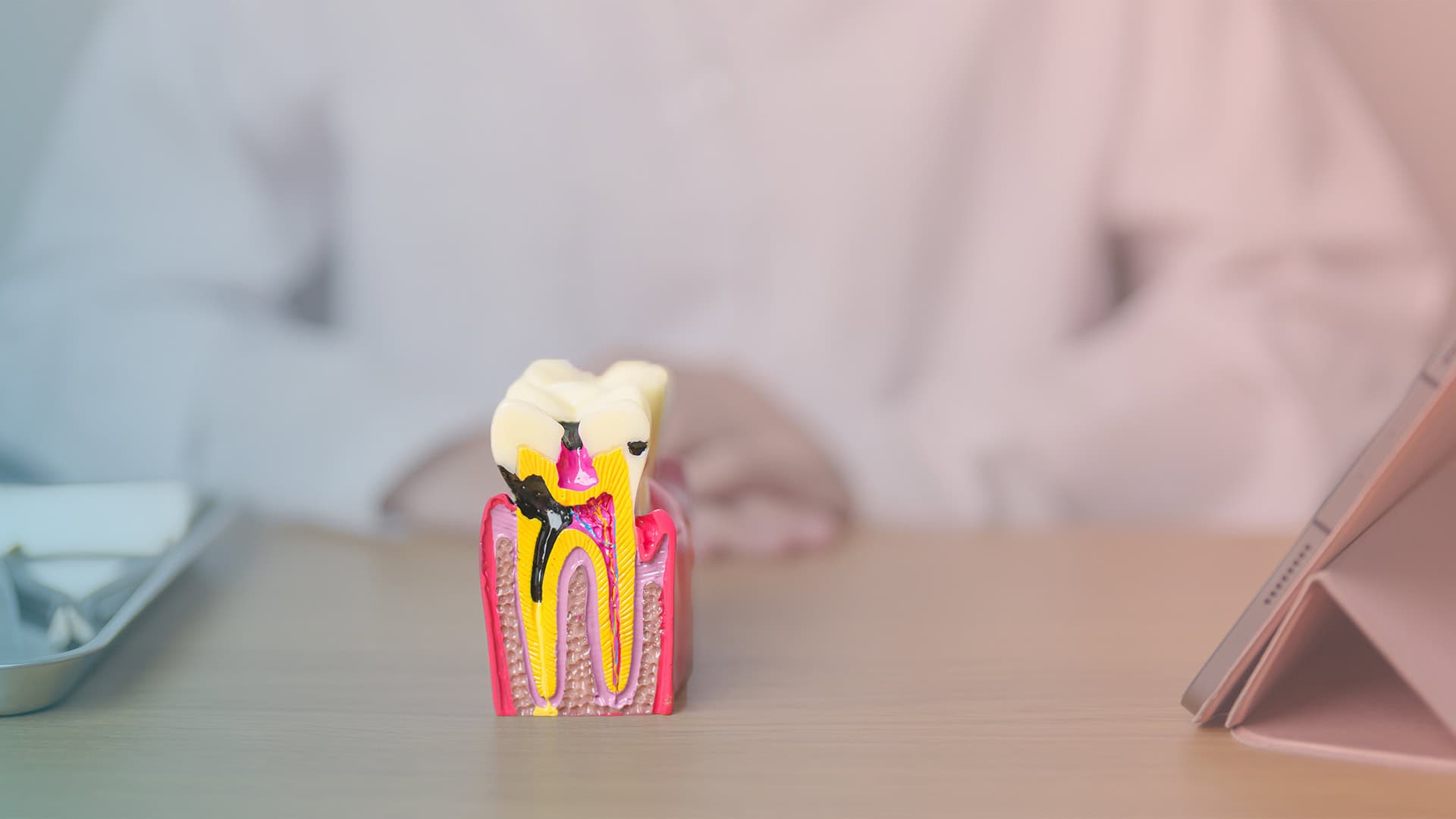
A filling replaces tooth structure lost after decay has been removed. It treats damage caused by disease, and the presence and extent of decay guide the decision. Bonding adds composite to an otherwise healthy or nearly healthy tooth to adjust its shape, length, edge or surface. The decision is based on the appearance and structure of the tooth, together with the patient's cosmetic goals.
If decay is present, it must be assessed and treated first. Cosmetic reshaping may be planned at the same appointment or later, but keeping the diagnosis and purpose clear makes the treatment plan easier to understand. More information is available in our guides to cosmetic fillings, composite fillings and what to expect after a filling.
If you are considering whitening, it is normally planned before bonding. Whitening changes natural tooth structure, while existing composite does not respond in the same way. Establishing the desired shade first allows the composite to be matched to it.
Bonding and ceramic veneers
Bonding and ceramic veneers can address some similar cosmetic concerns, but they work differently. Bonding is shaped directly on the tooth. A ceramic veneer is produced in a laboratory and then bonded to the tooth. Ceramic treatment commonly involves preparation within the enamel, while bonding can often be carried out without cutting the tooth.
The location of veneer preparation matters. In a study of 580 veneers followed for up to 12 years, restorations prepared entirely within enamel had 99% survival. Those bonded to dentine had an approximately 10-fold higher risk of failure (PubMed 23342345). Bonding does not create this particular preparation-related risk, but ceramic generally offers greater surface gloss and colour stability than composite.
The decision depends on the size of the defect, biting forces, expectations about colour stability and whether irreversible preparation is acceptable. Small defects and a tooth-preserving starting point may favour bonding. A broader surface change, heavier loading or a strong preference for long-term colour stability may favour ceramic veneers.
How long bonding lasts and how colour can change
No single lifespan applies to every dental bonding case. A meta-analysis of randomised studies found 88% survival for composite laminates over follow-up periods of 24 to 97 months, with a 95% confidence interval of 81% to 94%. Directly placed restorations showed higher survival than laboratory-made composite restorations in that review (PubMed 38035903).
A review of 17 studies on anterior composite restorations found annual failure rates ranging from 0% to 4.1%. Across the follow-up periods, 24.1% of 1,821 restorations failed, with fracture among the most frequent problems (PubMed 26303655). These findings show that bonding can be long-lasting, but it is not maintenance-free.
A useful advantage is that a worn or chipped area can often be repaired rather than completely removed and replaced. A meta-analysis found no demonstrated difference in failure risk between repairing defective direct restorations and replacing them completely, although the certainty of the evidence was very low (PubMed 35362754). Repair can preserve sound tooth tissue and sound composite.
Composite can stain over time, and smoking is a particularly important consideration. A review of 13 laboratory studies concluded that conventional cigarette smoke caused irreversible colour change in composite. Colour change from electronic cigarettes and heated tobacco products appeared smaller and potentially reversible through repolishing or whitening, but the evidence for this finding was limited (PubMed 36602255).
Coffee and tea can also leave surface stains. Mouthwash effects may be less significant than commonly assumed, with colour changes remaining within clinically acceptable limits in 10 of 15 laboratory studies (PubMed 32891404). Stained composite is not lightened in the same way as natural enamel. It may need polishing or surface renewal instead.
Bonding treatment planning at Mosdent
Bonding suitability includes bite forces, daily care and treatment planning.
Bruxism, which includes tooth grinding and clenching, can place excessive force on bonded edges. Bonding may not be recommended, or may be considered alongside a night guard, depending on the assessment.
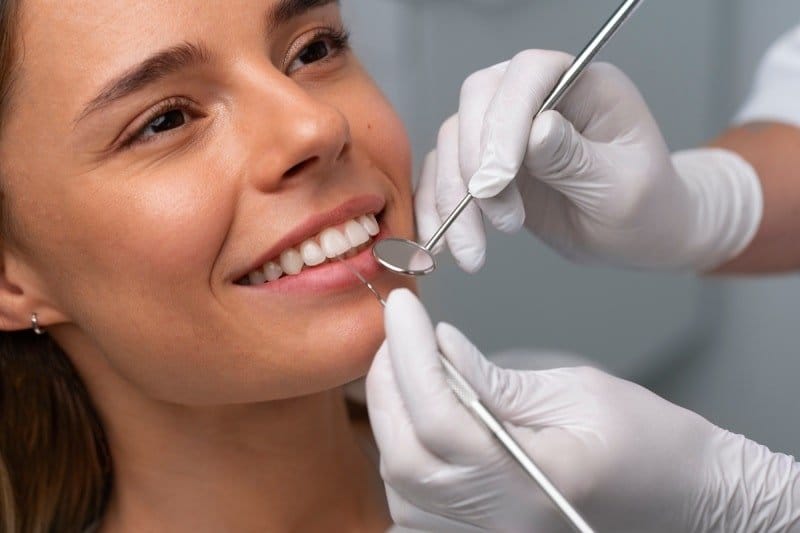
A deep, tight bite can also make bonding on the back of an upper front tooth difficult because the lower teeth may contact the added composite directly. The dentists at Mosdent need to assess the bite, not just the visible chip or gap. A photograph can show the cosmetic concern, but it cannot show how the teeth meet during function.
Looking after bonded teeth
Bonded teeth need consistent routine care, including brushing twice daily and cleaning between the teeth. Avoid biting ice, hard objects, pens or fingernails with the front teeth. Smoking, coffee and tea may accelerate staining. Regular reviews and polishing can help identify surface changes before they become more noticeable.
What drives the cost?
The cost of bonding depends on the number of teeth involved, the amount of composite needed, the complexity of shaping, whether old restorations or decay need attention first, and whether bite assessment or additional planning is required. Repair, polishing and follow-up needs may also affect the overall plan. International patients should ask whether consultation, treatment, review appointments and any necessary preparatory care are included. You can review the treatment options on our transparent price list.
Bonding at Mosdent
At Mosdent, bonding is usually planned as a single-appointment procedure. Our dentists first assess the remaining tooth structure, enamel and bite. If bonding is not the right option, the reasons and alternatives are discussed clearly. The procedure includes surface preparation, shade selection, layering and curing the composite, checking the bite and polishing the result. Anaesthesia is often unnecessary or limited to a superficial option. At review, the edge, bite and colour can be assessed, with small adjustments made when needed. You can contact us through our contact page or learn more about the team on our dentists page.
Let's plan the right treatment together.
Free Assessment→- 1.Lim TW, Tan SK, Li KY, Burrow MF. Survival and complication rates of resin composite laminate veneers: a systematic review and meta-analysis. J Evid Based Dent Pract 2023;23:101911. PubMed 38035903, https://pubmed.ncbi.nlm.nih.gov/38035903/
- 2.Demarco FF, Collares K, Coelho-de-Souza FH, Correa MB, Cenci MS, Moraes RR, et al. Anterior composite restorations: A systematic review on long-term survival and reasons for failure. Dent Mater 2015;31:1214-24. PubMed 26303655, https://pubmed.ncbi.nlm.nih.gov/26303655/
- 3.Heintze SD, Rousson V, Hickel R. Clinical effectiveness of direct anterior restorations - a meta-analysis. Dent Mater 2015;31:481-95. PubMed 25773188, https://pubmed.ncbi.nlm.nih.gov/25773188/
- 4.Mendes LT, Pedrotti D, Casagrande L, Lenzi TL. Risk of failure of repaired versus replaced defective direct restorations in permanent teeth: a systematic review and meta-analysis. Clin Oral Investig 2022;26:4917-4927. PubMed 35362754, https://pubmed.ncbi.nlm.nih.gov/35362754/
- 5.Gurel G, Sesma N, Calamita MA, Coachman C, Morimoto S. Influence of enamel preservation on failure rates of porcelain laminate veneers. Int J Periodontics Restorative Dent 2013;33:31-9. PubMed 23342345, https://pubmed.ncbi.nlm.nih.gov/23342345/
- 6.Paolone G, Pavan F, Mandurino M, Baldani S, Guglielmi PC, Scotti N, et al. Color stability of resin-based composites exposed to smoke. A systematic review. J Esthet Restor Dent 2023;35(2):309-321. PubMed 36602255, https://pubmed.ncbi.nlm.nih.gov/36602255/
- 7.Morais Sampaio GA, Rangel Peixoto L, Vasconcelos Neves G, Nascimento Barbosa DD. Effect of mouthwashes on color stability of composite resins: A systematic review. J Prosthet Dent 2021;126:386-392. PubMed 32891404, https://pubmed.ncbi.nlm.nih.gov/32891404/