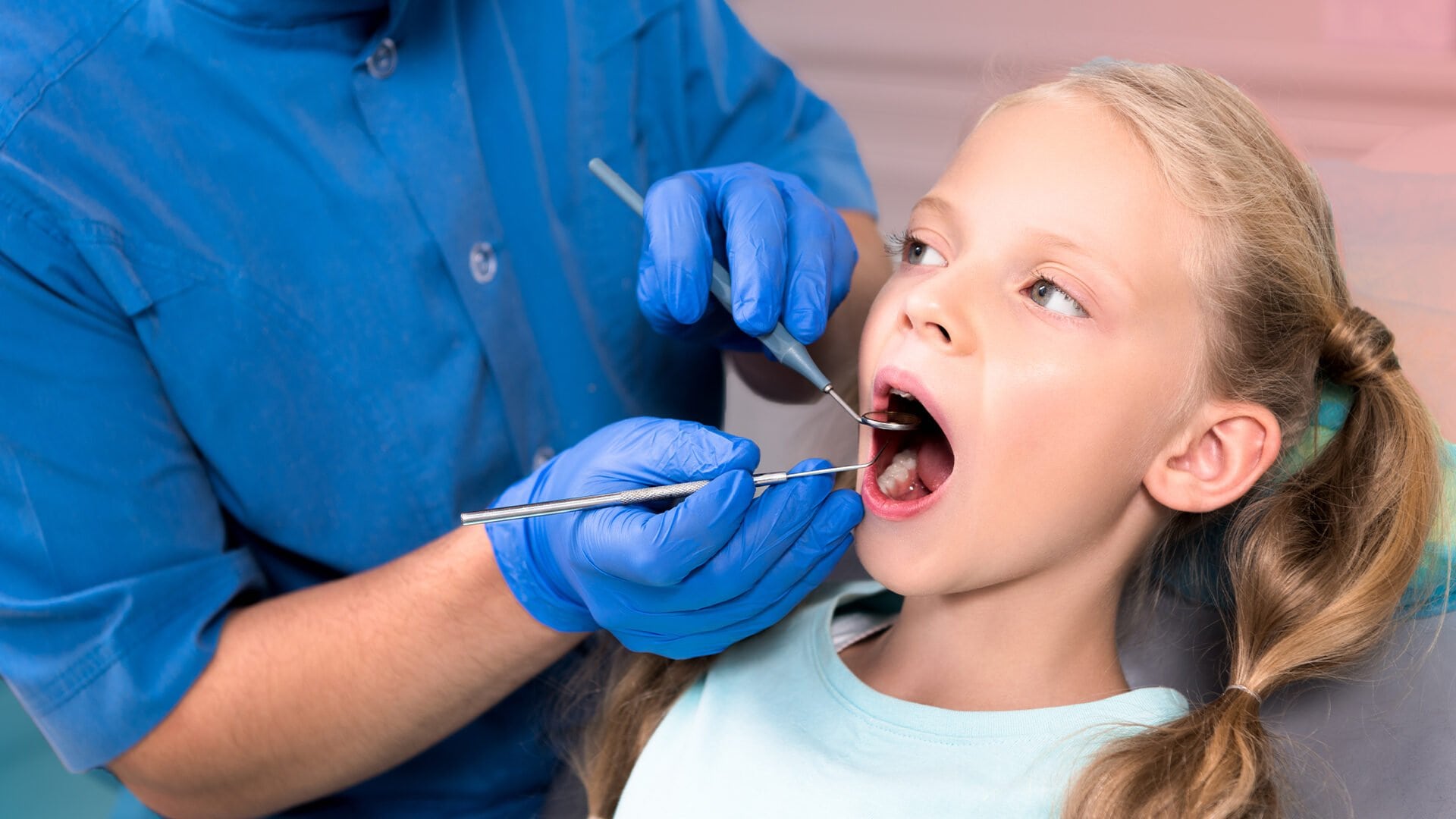
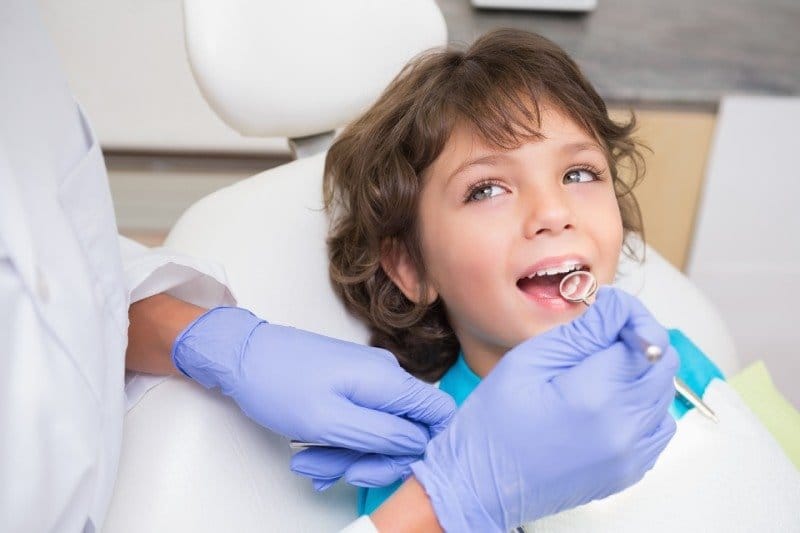
A child's first dental visit should take place when the first baby tooth appears, or by the first birthday at the latest. The purpose of this first visit is not treatment but to familiarise the child and parents with the clinic and prevent fear from forming.
- 01International paediatric dentistry guidelines recommend the first visit at the first baby tooth, or by the first birthday at the latest.
- 02The first visit is for introduction, not treatment: parents receive guidance on brushing, diet and dummy use, and the child grows familiar with the clinic environment.
- 03Common treatments include baby-tooth decay restorations, fissure sealants, space maintainers and orthodontic guidance; most can be completed without fear or anaesthesia.
- 04The 'it's only a baby tooth' misconception is wrong: a baby tooth lost early or severely infected can cause rotation and developmental disruption in the permanent tooth beneath it.
Parents frequently ask: "Should my child start seeing a dentist before all the teeth come in?" The consistent answer from international paediatric dentistry guidelines is yes. The first visit should take place when the first baby tooth appears, or by the first birthday at the latest.
What happens at the first visit? The aim is introduction, not treatment. Together with the dentist, parents receive guidance on brushing technique, dietary habits and dummy use. The child's mouth is observed and any anomalies are noted for early-stage reference. The clinic environment, its sounds, smells and instruments, becomes familiar, which prevents fear from forming ahead of future visits.
The paediatric dentistry suite at Mosdent is intentionally designed to feel like a different world from the adult clinic. Bright colours, child-friendly instruments, narrative-based communication (each step is explained before it happens, never as a surprise), and a pace that never rushes. Every element is calibrated to build trust rather than anxiety.
Common paediatric treatments include: child-specific restorations for baby tooth decay, fissure sealants (protective surface coating), space maintainers (to preserve the gap after early baby tooth loss, allowing the permanent tooth to emerge correctly), and orthodontic guidance. The great majority of these treatments can be completed without fear and without the need for anaesthesia.
The most common parental misconception: "It's only a baby tooth. It'll fall out anyway." Yet a baby tooth lost early or severely infected can cause rotation and developmental disruption in the permanent tooth beneath it. A healthy permanent tooth passes through a healthy baby tooth.
Let’s plan the right treatment together.
Free Assessment→