
Menu

Free Consultation
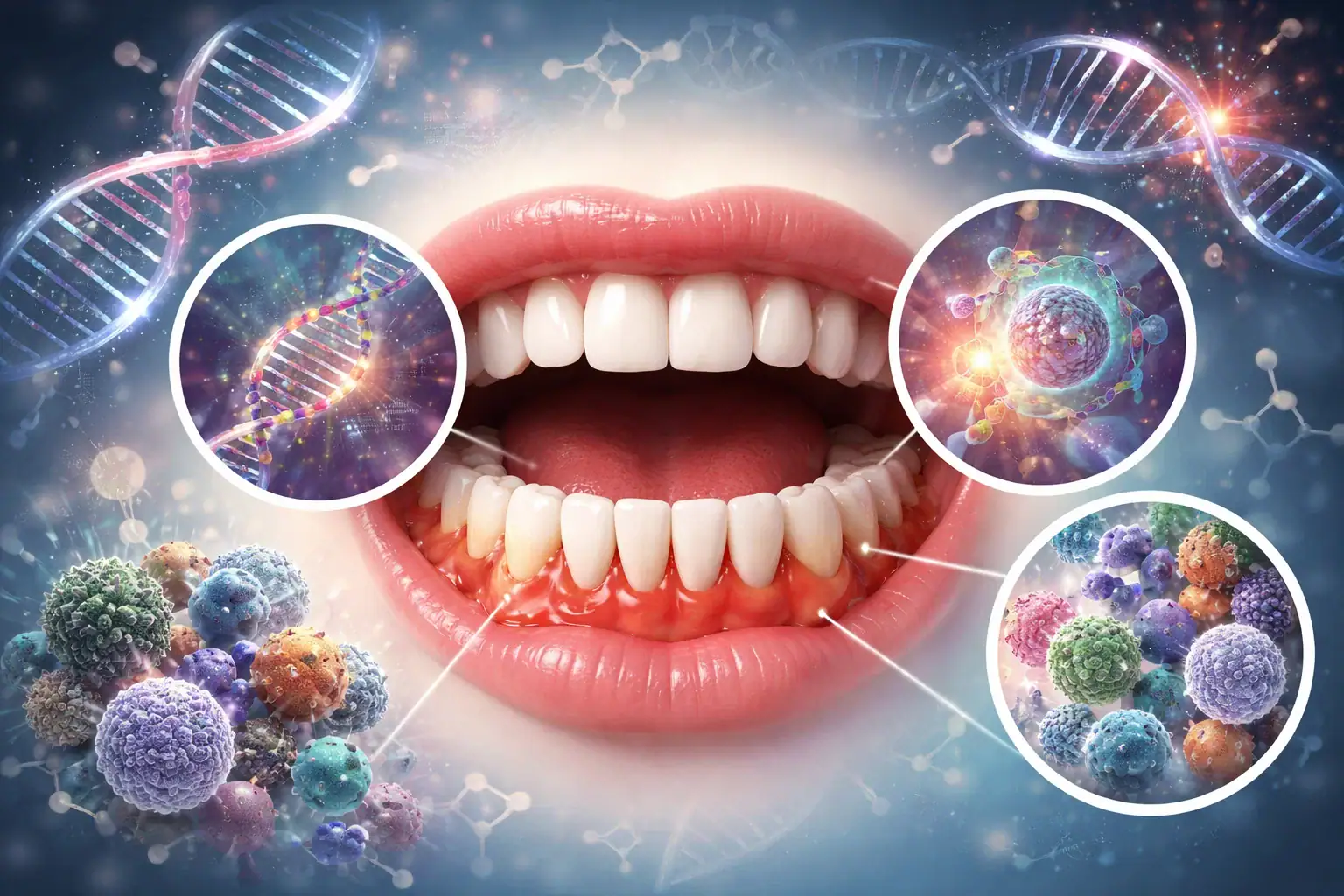
Gum diseases are among the most widespread oral health conditions globally, yet they remain widely misunderstood. Many people believe that brushing their teeth daily is enough to maintain healthy gums, while others assume that gum problems such as bleeding, recession, or discoloration are inevitable with age. In reality, gum health is influenced by a complex interaction of oral hygiene habits, systemic health, lifestyle choices, and genetic factors.
This comprehensive, evidence-based guide explores whether gum disease is genetic, how family history affects periodontal health, and how common gum problems such as gum bleeding, gum recession, and gum discoloration develop. It also explains prevention strategies, treatment options, and when professional periodontal care is essential.
Gum diseases, also known as periodontal diseases, are inflammatory conditions affecting the tissues that support the teeth. They range from mild inflammation to advanced destruction of gum tissue and bone.
Without proper treatment, gum disease can lead to tooth loss and has been linked to systemic conditions such as diabetes and cardiovascular disease.
One of the most common questions patients ask is:
“If gum disease runs in my family, will I definitely get it?”
Genetics can increase your risk of gum disease, but they do not determine your destiny.
Research suggests that up to 30–50% of susceptibility to periodontal disease may be influenced by genetic factors. This means some individuals are biologically more vulnerable to inflammation and tissue breakdown, even with good oral hygiene.
Genetic predisposition affects gum health in several ways:
Some people genetically produce a stronger inflammatory response to bacterial plaque. This exaggerated response leads to:
Individuals with thin gum biotypes are more prone to recession and root exposure.
Genetic variations can affect collagen strength and repair capacity, making gum tissues weaker and slower to heal.
Certain genetic profiles allow more aggressive periodontal bacteria to thrive in the oral environment.
Yes.
Even with a genetic predisposition, gum disease can be prevented or controlled through early intervention and consistent care.
Key preventive strategies include:
Gum bleeding is often the first visible sign of gum disease. Healthy gums do not bleed during brushing or flossing.
If your gums bleed regularly, it is a warning sign—not a normal reaction.
This is one of the most searched dental questions online.
Daily brushing alone may not be enough if:
Bleeding occurs because bacteria remain, not because you are brushing too often.,
Gum recession occurs when gum tissue pulls away from the tooth, exposing the root surface. This condition often develops silently and becomes noticeable only at advanced stages.
This is one of the most frequently asked questions regarding gum recession.
No, receding gums do not grow back naturally.
Once gum tissue is lost, the body cannot regenerate it on its own. However:
Gum discoloration is another common concern, often causing aesthetic anxiety.
Nicotine-induced gum discoloration is particularly common in smokers and may improve after smoking cessation and professional treatment.
Some individuals naturally have darker gums due to melanin concentration. This is not a disease and does not require treatment unless the patient desires cosmetic improvement.
A comprehensive periodontal evaluation includes:
The foundation of gum health. Removes plaque and tartar above and below the gumline.
Non-surgical therapy that cleans infected root surfaces and reduces inflammation.
Localized antimicrobial agents help reduce pathogenic bacteria.
Used to restore lost gum tissue in advanced recession cases.
If gum disease runs in your family:
Yes, genetic factors can increase susceptibility, but good oral care can significantly reduce risk.
Absolutely. Early detection and preventive care are highly effective.
Bleeding usually indicates inflammation caused by plaque or tartar accumulation.
No. Recession can also result from aggressive brushing, genetics, or orthodontic issues.
Yes. Nicotine pigmentation is a common cause of gum discoloration.
You should seek professional care if:
Early intervention prevents irreversible damage.
While genetic factors play a significant role in gum disease susceptibility, they do not guarantee disease development. Oral hygiene habits, professional care, and lifestyle choices ultimately determine outcomes.
Healthy gums require:
Understanding your genetic risk empowers you to protect your gum health proactively—long before serious damage occurs.