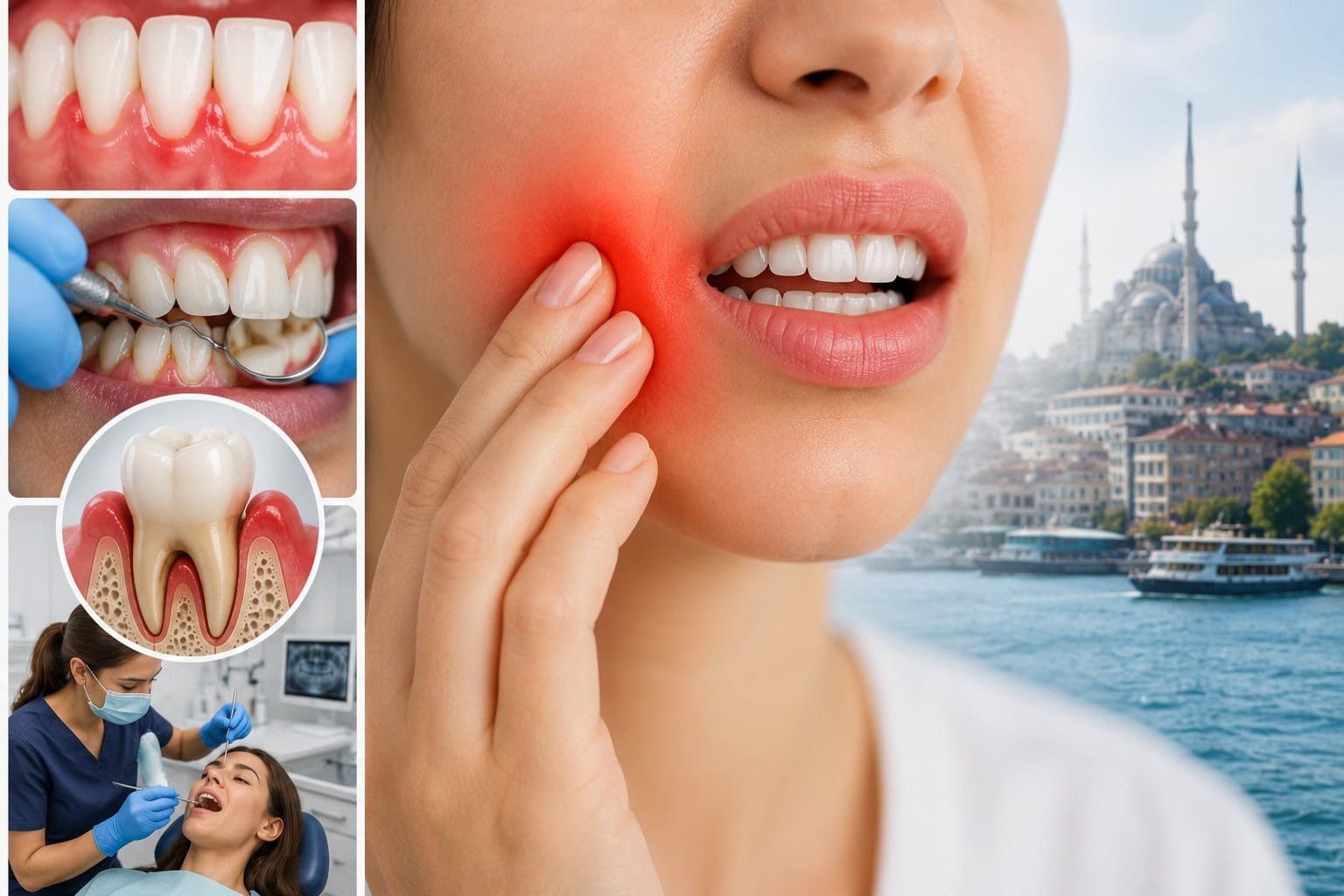
Gum bleeding is a sign of inflammation of the gingival tissue and gum recession is the apical migration of that tissue exposing the root surface. Healthy gums do not bleed on brushing, so bleeding is a signal rather than a normal reaction. Recession is common rather than rare: cross-sectional surveys report one or more recession sites in about 50% of people aged 18 to 64 and 88% of those aged 65 and over (PubMed 12636127). Lost gum tissue does not regrow by itself, but the process can be stopped and exposed roots can be covered surgically.
- 01Healthy gums are firm and pink and do not bleed during brushing; bleeding means bacterial plaque is driving inflammation.
- 02Recession is widespread: one or more sites of 1 mm or more affect over 50% of the adult population, rising to 88% at age 65 and over (PubMed 12636127).
- 03Severe periodontitis, the destructive stage, carries a global age-standardised prevalence of 11.2% and peaks in incidence around age 38, modelled from 291,170 individuals in 37 countries (PubMed 25261053).
- 04Receding tissue does not regenerate spontaneously; treatment stops progression and, where indicated, covers exposed roots with a graft.
- 05Interdental cleaning is not optional: the European workshop on primary prevention names interdental brushes the device of choice wherever they pass without trauma (PubMed 25639826).
Gum bleeding and gum recession are among the most common yet most misunderstood oral health problems worldwide. Millions of people brush their teeth every day, use mouthwash regularly, and still wonder:

- “Why do my gums bleed when I brush?”
- “Is gum bleeding normal?”
- “Can receding gums grow back?”
- “I brush daily, so why are my gums still unhealthy?”
The truth is simple but often overlooked: healthy gums do not bleed, and gum recession is not just a cosmetic issue it is a biological warning sign.
This comprehensive guide explains everything you need to know about gum bleeding and gum recession, including causes, early warning signs, effective treatments, prevention strategies, and when professional care is essential.
/ What Is Gum Bleeding?
Gum bleeding refers to bleeding from the gingival tissues, usually noticed during brushing, flossing, or sometimes even spontaneously. While many people assume it is normal, gum bleeding is always a sign of inflammation or disease.
Is Gum Bleeding Normal?
No.
Healthy gums are firm, pink, and do not bleed. If bleeding occurs, it means the gums are inflamed and reacting to bacterial irritation.
/ What Causes Gum Bleeding? (Most Common Reasons)
1. Plaque and Tartar Buildup (Primary Cause)
The most common cause of gum bleeding is plaque accumulation along the gumline. Plaque is a sticky bacterial film that triggers inflammation. When plaque hardens into tartar, it becomes impossible to remove at home and continues to irritate the gums.
2. Gingivitis (Early Gum Disease)
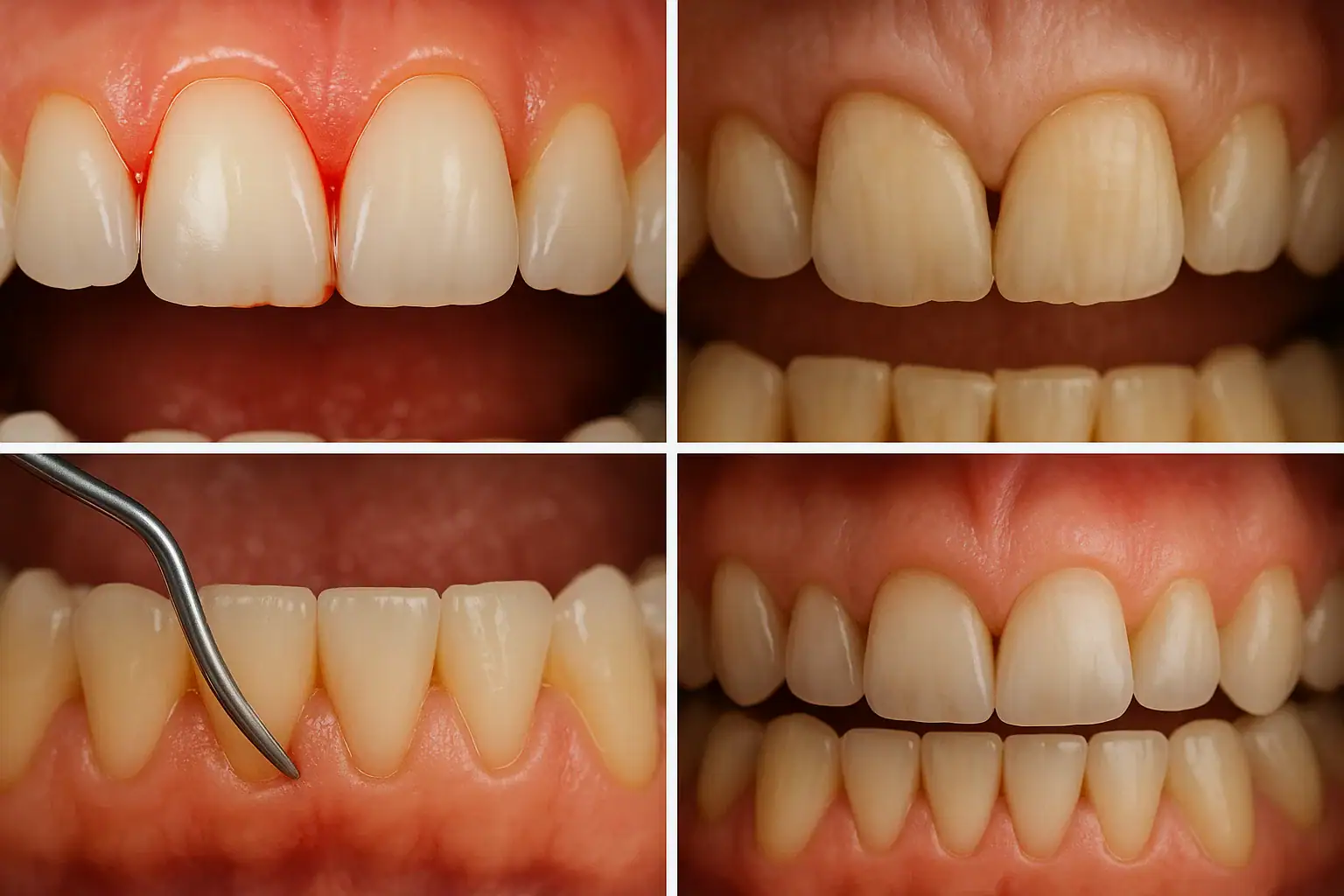
Gingivitis is the earliest stage of gum disease and is characterized by:
- Red, swollen gums
- Bleeding during brushing or flossing
- Mild tenderness
The good news: gingivitis is reversible with proper care.
3. Periodontitis (Advanced Gum Disease)
If gingivitis is left untreated, it progresses into periodontitis. At this stage:
- Bleeding becomes persistent
- Gums begin to pull away from teeth
- Bone loss may occur
Periodontitis is a leading cause of adult tooth loss worldwide.
4. Improper Brushing Technique
Brushing too hard, using a hard-bristled toothbrush, or brushing incorrectly can traumatize the gums, causing bleeding and recession.
5. Hormonal Changes
Pregnancy, puberty, menopause, and hormonal fluctuations can increase gum sensitivity and bleeding.
6. Smoking and Vaping
Tobacco products reduce blood flow to the gums, mask symptoms, and accelerate gum disease progression.
7. Systemic Health Conditions
- Diabetes
- Vitamin C deficiency
- Blood disorders
- Certain medications (blood thinners, anticonvulsants)
/ Why Do My Gums Bleed Even Though I Brush Every Day?
This is one of the most searched dental questions globally.
Brushing daily does not guarantee gum health if:
- Plaque is not removed effectively
- Interdental cleaning (flossing) is skipped
- Tartar is already present
- Gums are already inflamed
In fact, inflamed gums bleed because bacteria are still present, not because you are brushing too much.
/ What Is Gum Recession?
Gum recession occurs when gum tissue pulls away from the tooth, exposing the root surface. This condition develops gradually and is often painless until it becomes advanced.
Common Signs of Gum Recession
- Teeth appearing longer
- Tooth sensitivity to cold or touch
- Visible roots
- Gaps between teeth
- Gum bleeding or tenderness
/ What Causes Gum Recession?
1. Untreated Gum Disease
Chronic inflammation destroys gum tissue and supporting bone.
2. Aggressive Brushing
Overbrushing is one of the most common non-disease-related causes of recession.
3. Thin Gum Tissue (Genetic Factor)
Some people are genetically predisposed to gum recession.
4. Teeth Grinding (Bruxism)
Excessive biting forces contribute to gum and bone loss.
5. Orthodontic Issues
Misaligned teeth place uneven pressure on gums.
/ Can Receding Gums Grow Back?
This is one of the most important questions patients ask.
Short Answer:
No, receding gums do not grow back naturally.
Once gum tissue is lost, the body cannot regenerate it on its own. However:
- Recession can be stopped
- Progression can be slowed
- Lost tissue can be restored surgically
/ Treatment Options for Gum Bleeding and Gum Recession
1. Professional Dental Cleaning
The foundation of all gum treatment. Removes plaque and tartar above and below the gumline.
2. Deep Cleaning (Scaling and Root Planing)
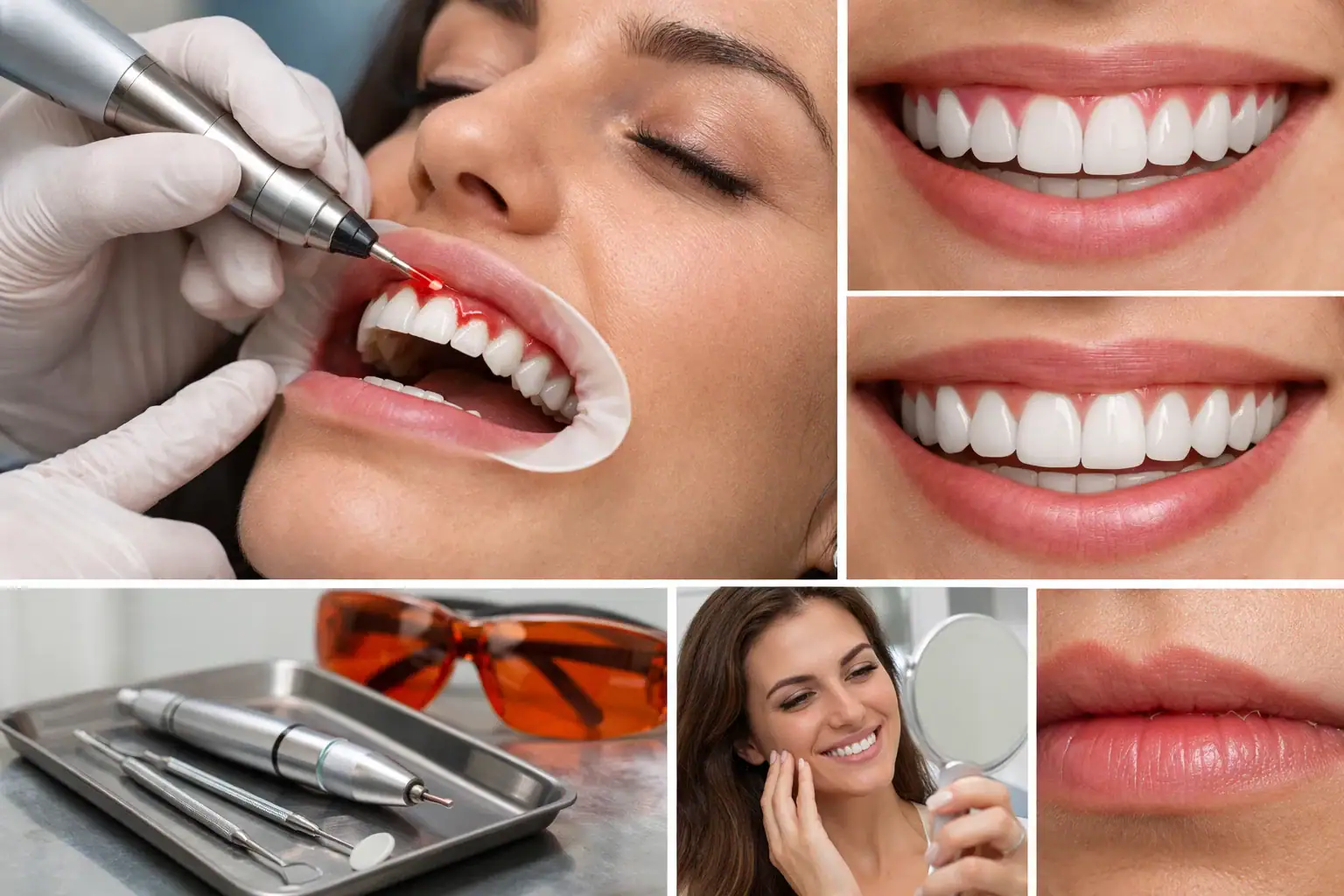
A non-surgical periodontal treatment that cleans infected root surfaces and allows gums to heal.
3. Antibacterial Therapy
Specialized rinses or localized treatments reduce harmful bacteria.
4. Gum Grafting (For Advanced Recession)
A surgical procedure that restores lost gum tissue and protects exposed roots.
5. Bite Correction and Bruxism Management
Night guards or bite adjustment reduce damaging forces.
/ How to Stop Gum Bleeding at Home (Supportive Care)
⚠️ These methods support treatment but do not replace professional care.
- Use a soft-bristled toothbrush
- Brush gently at a 45-degree angle
- Floss daily (bleeding may increase initially, then improve)
- Use alcohol-free antimicrobial mouthwash
- Stay hydrated
- Quit smoking
/ The Importance of Gum Brushing (Not Just Teeth Brushing)
Many patients brush their teeth but completely ignore their gums.
Effective brushing must include:
- The gumline
- Gentle massage of the gums
- Interdental areas
Ignoring the gums allows bacteria to thrive exactly where disease begins.
/ How to Prevent Gum Bleeding and Recession Long-Term
- Professional cleanings every 3–6 months
- Daily interdental cleaning
- Proper brushing technique
- Early periodontal evaluation
- Stress and bruxism management
- Balanced nutrition
/ When Should You See a Dentist?
You should seek professional care if:
- Bleeding lasts more than 7–10 days
- Gums are swollen or painful
- Teeth feel loose
- Recession is visible
- Bad breath persists
Early intervention prevents irreversible damage.
/ Frequently Asked Questions
Is gum bleeding a sign of gum disease?
Yes. It is often the first sign of gingivitis or periodontitis.
Can gum disease be reversed?
Early gum disease (gingivitis) can be reversed. Advanced disease requires professional treatment.
Does flossing cause gum bleeding?
Flossing may cause temporary bleeding in inflamed gums, but it is necessary for healing.
Can brushing harder fix gum bleeding?
No. Brushing harder worsens the condition.
/ Final Thoughts: Healthy Gums Are the Foundation of a Healthy Smile
Gum bleeding and gum recession are not minor problems. They are early warning signs of deeper oral and systemic health issues. Ignoring them allows disease to progress silently.
With proper diagnosis, professional treatment, and consistent home care, gum bleeding can be stopped and gum recession can be controlled.
Healthy gums mean:
- Stronger teeth
- Better breath
- Improved overall health
- Long-term smile stability
If you are experiencing gum bleeding or recession, early professional evaluation is the most important step you can take.
Let’s plan the right treatment together.
Free Assessment→- 1.Kassab MM, Cohen RE. The etiology and prevalence of gingival recession. J Am Dent Assoc 2003;134:220-5. PubMed 12636127
- 2.Kassebaum NJ, Bernabé E, Dahiya M, Bhandari B, Murray CJ, Marcenes W. Global burden of severe periodontitis in 1990-2010: a systematic review and meta-regression. J Dent Res 2014;93:1045-53. PubMed 25261053
- 3.Chapple IL, Van der Weijden F, Doerfer C, Herrera D, Shapira L, Polak D, et al. Primary prevention of periodontitis: managing gingivitis. J Clin Periodontol 2015;42 Suppl 16:S71-6. PubMed 25639826