Menu

Free Consultation
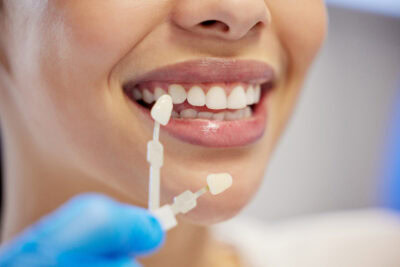
A bright white smile is often associated with confidence, health, and attractiveness. As cosmetic dentistry continues to grow, many people look for convenient and affordable ways to whiten their teeth without visiting a dental clinic. One of the most popular at-home solutions today is teeth whitening strips.
But do teeth whitening strips really work? Are they safe for enamel? How long do the results last? And how do they compare to professional whitening treatments?
In this in-depth, evidence-based guide, we cover everything you need to know about teeth whitening strips, including how they work, who should use them, their advantages and limitations, safety concerns, and what results you can realistically expect.
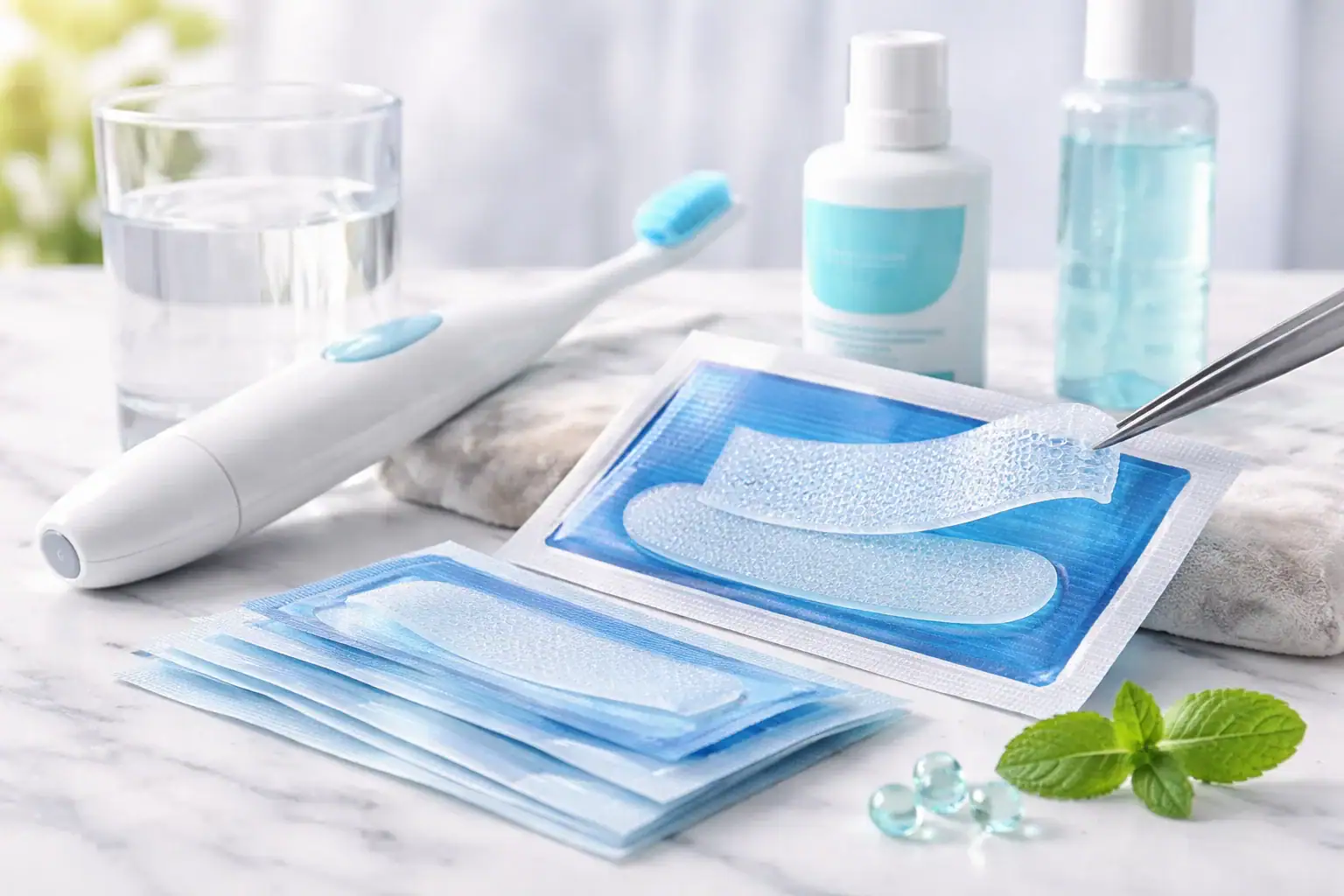
Teeth whitening strips are thin, flexible plastic strips coated with a peroxide-based whitening gel. They are designed to adhere to the surface of the teeth and gradually remove stains over a specific treatment period.
Most whitening strips contain:
They are considered a form of at-home teeth whitening and are widely available without a prescription.
Teeth whitening strips work through a chemical process known as oxidation. When peroxide comes into contact with tooth enamel, it breaks down stain molecules caused by:
The peroxide penetrates the enamel and lightens discoloration from within.
Surface stains caused by food, drinks, and tobacco.
➡️ Whitening strips are highly effective for these.
Stains inside the tooth caused by aging or medication.
➡️ Whitening strips may offer moderate improvement.
➡️ Whitening strips are usually not effective.
A common question is:
“Do teeth whitening strips work?”
The answer is yes—but with limitations.
Clinical studies and consumer reports show that consistent use of teeth whitening strips can improve tooth shade by 2–6 shades, depending on:
Results are gradual and usually visible within 7–14 days.
Using whitening strips incorrectly can reduce results or cause sensitivity.
⚠️ Do not exceed the recommended duration.
Results vary by individual. On average:
Maintenance whitening may be needed.
Use at home, no dental visit required.
Much cheaper than in-office whitening.
No trays, lights, or complicated steps.
Clinically supported for surface stains.
Despite their popularity, whitening strips are not perfect.
They are not a substitute for professional whitening in complex cases.
When used as directed, teeth whitening strips are generally safe.
However, misuse can cause:
Dental professionals recommend:
Sensitivity is the most common side effect.
Sensitivity usually resolves within a few days.
When used responsibly:
Overuse or combining with other whitening products increases risk.
| Feature | Whitening Strips | In-Office Whitening |
|---|---|---|
| Cost | Low | High |
| Speed | Gradual | Immediate |
| Strength | Moderate | Strong |
| Dentist Supervision | No | Yes |
Whitening strips are not recommended for:
Yes, especially for surface stains.
Most products recommend once a day for 7–14 days.
No. They only work on natural enamel.
Only if they touch gums excessively or are overused.
No. Extended exposure increases irritation risk.
Usually within 3–7 days.
Yes. Whitening toothpaste mainly removes surface stains.
It is best to avoid drinking during treatment.
For deep or severe stains, yes.
For mild to moderate staining, absolutely.
Teeth whitening strips offer a practical, affordable, and effective way to brighten your smile at home. While they may not replace professional whitening treatments, they are an excellent option for maintaining or enhancing tooth color safely when used correctly.
If you are unsure whether whitening strips are suitable for your teeth, consulting a dental professional ensures optimal results without compromising oral health.
A whiter smile starts with informed choices—and responsible whitening habits.