Tooth preparation aftercare is the set of habits that protect a trimmed tooth and its temporary restoration in the one to two weeks between preparation and fitting of the permanent crown or veneer. Sensitivity to hot and cold usually peaks within 24 to 72 hours and settles over one to two weeks, because exposed dentine sits closer to the nerve. The waiting period matters: in a meta-analysis of 7 cohort studies, vital teeth prepared as crown or bridge abutments retained pulp vitality in 92% to 98% of cases across 5 to 20 years (PubMed 34516686). Sharp or worsening pain should be examined, not waited out.
- 01A temporary crown is not a formality: it keeps the prepared tooth from drifting and shields exposed dentine while the laboratory fabricates the permanent restoration, typically a one-to-two-week wait.
- 02Sensitivity peaks in the first 24 to 72 hours and normally improves over one to two weeks; sharp, throbbing or persistent pain is a reason to call the clinic rather than to wait it out.
- 03In a network meta-analysis of 32 trials with 4,638 participants, twice-daily dentifrices containing stannous, potassium (with or without stannous), or arginine reduced dentine hypersensitivity pain (PubMed 36753794).
- 04Vital teeth prepared as crown or bridge abutments kept pulp vitality in 92% to 98% of cases over follow-up periods of 5 to 20 years, pooled from 20 studies screened out of 10,075 records (PubMed 34516686).
- 05Around a temporary crown, floss is drawn out sideways rather than lifted, because lifting can pull the temporary off; on day one, nothing is eaten for at least the first hour while the temporary cement sets.
If your dentist has recently trimmed or shaved down your teeth in preparation for a crown, veneer, or bridge, you are likely asking the same question thousands of patients ask every year: "What should I do, and what should I avoid, after tooth preparation?" The answer matters more than you might think.
Tooth preparation aftercare plays a critical role in determining how well your final restoration fits, how quickly you recover, and whether you experience any unnecessary complications along the way. In this comprehensive guide, Mosdent Dental Hospital walks you through everything you need to know about caring for your teeth after the preparation procedure.
What Is Tooth Preparation?
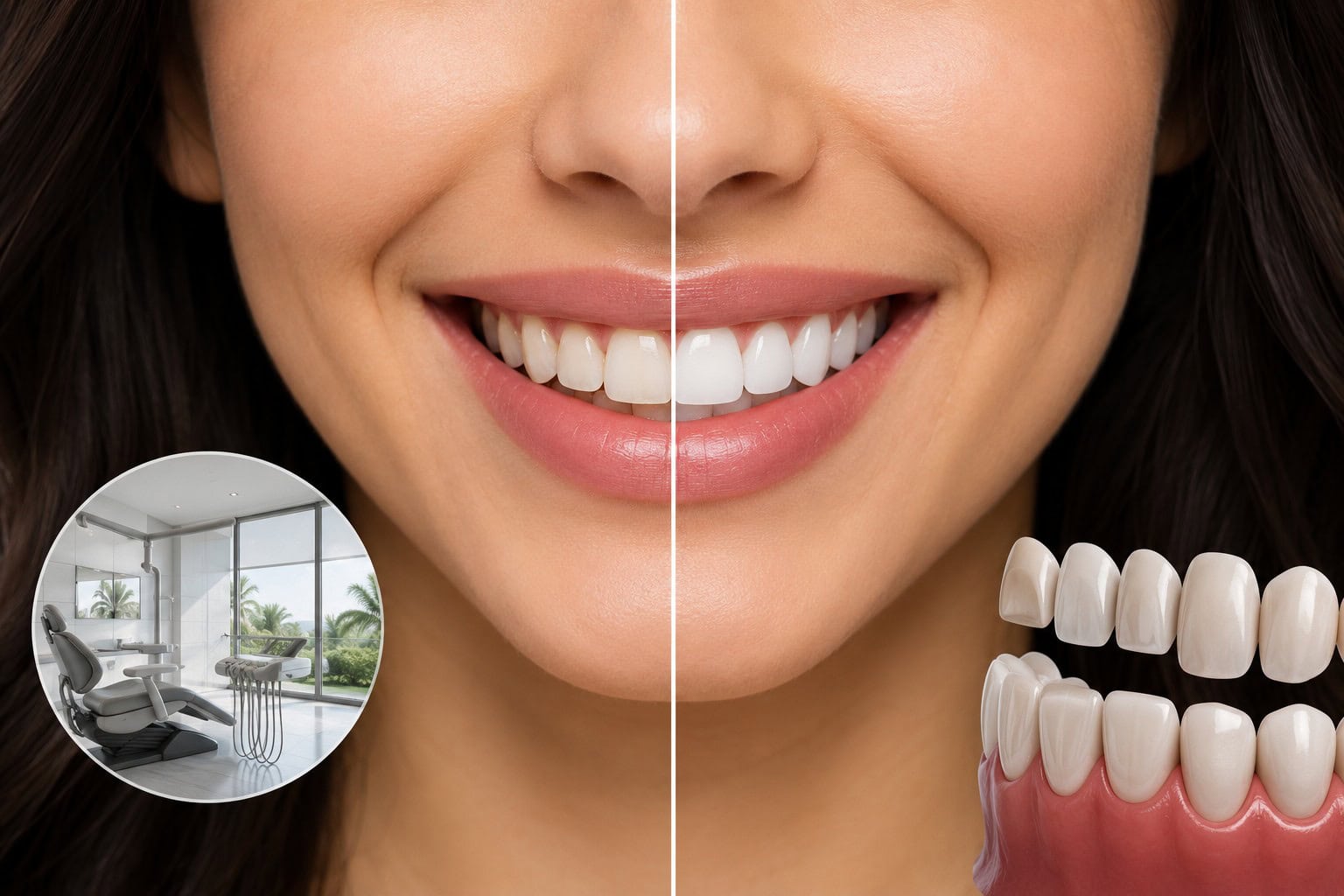
Tooth preparation, sometimes referred to as tooth shaving, tooth trimming, or tooth reduction, is the clinical process by which a dentist removes a thin layer of enamel to make room for a restoration such as a dental crown, porcelain veneer, or laminate veneer .
The amount of tooth structure removed depends on the restoration type. For a zirconium or porcelain crown, more reduction is needed; for ultra-thin laminates, the reduction is minimal; and for prepless laminate restorations, virtually no enamel is removed at all.
Regardless of the type, tooth preparation aftercare is essential in the days and weeks between when your teeth are trimmed and when your permanent restorations are fitted.
What to Expect Immediately After Tooth Preparation
#### Sensitivity and Discomfort
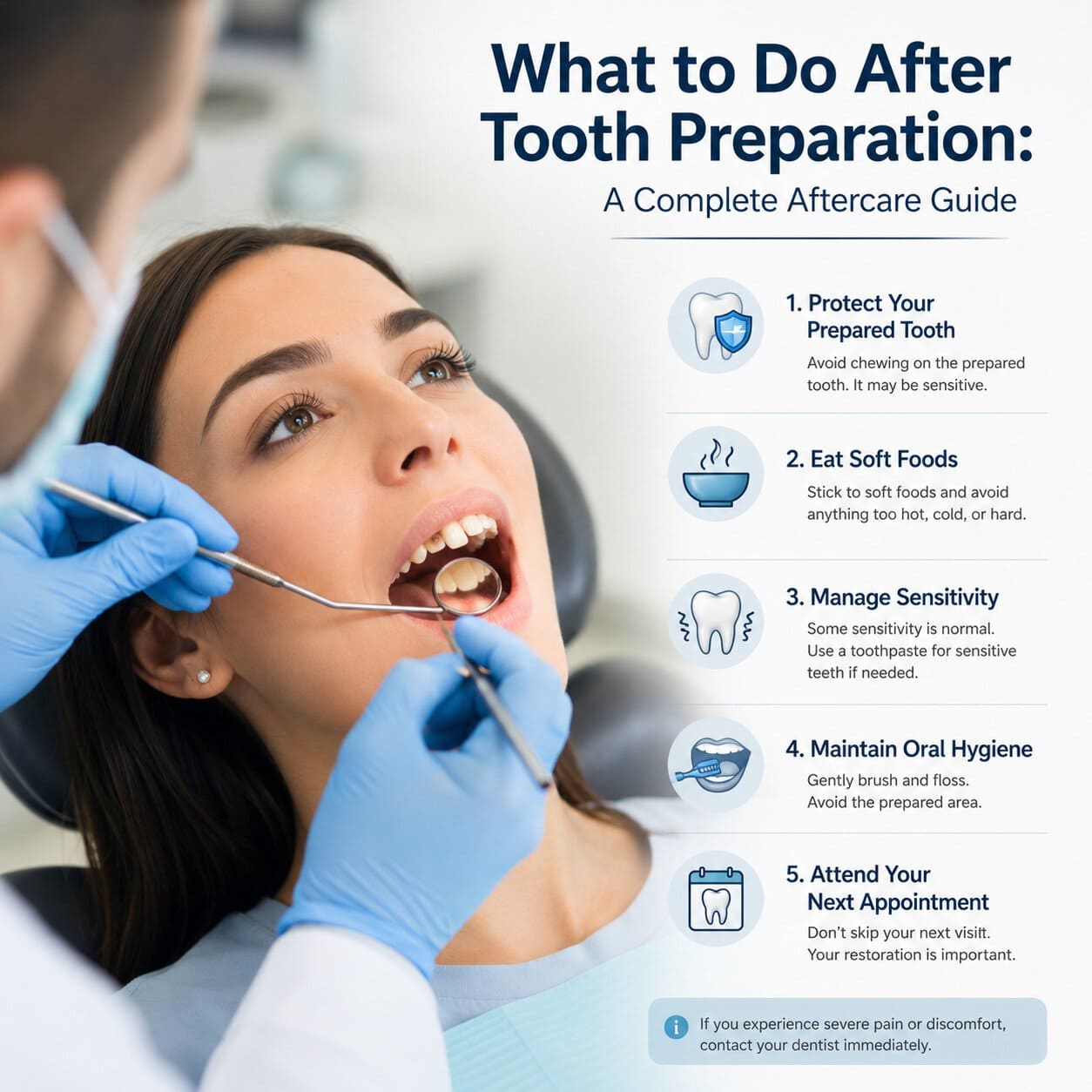
After the local anesthetic wears off, usually within two to four hours, you may notice heightened sensitivity, particularly to hot and cold temperatures. This is entirely normal. The exposed dentin layer, now closer to the nerve after enamel reduction, is more reactive to thermal stimuli.
Mild sensitivity after tooth trimming typically resolves within a few days. However, if you experience sharp, throbbing, or persistent pain, contact your dentist promptly, as this may indicate pulp irritation or a problem with your temporary restoration.
#### Swelling and Gum Sensitivity
The gum tissue surrounding your prepared teeth may be slightly swollen, red, or tender for the first 24 to 48 hours. This is a normal tissue response. Gentle rinsing with warm salt water can ease discomfort.
#### Temporary Restorations
In most cases, your dentist will place temporary crowns or veneers immediately after tooth preparation. These protect the prepared teeth while your permanent restorations are fabricated in the dental laboratory, typically a one-to-two-week process.
Tooth Preparation Aftercare: Day-by-Day Guidelines
#### The First 24 Hours
The initial period is the most critical phase of tooth preparation aftercare :
- Avoid eating for at least one hour after the procedure to allow temporary cement to fully set.
- Eat only on the opposite side of your mouth for the first day.
- Stick to soft foods, yogurt, mashed potatoes, scrambled eggs, smoothies, and soup. Hard, crunchy, or sticky foods can dislodge or crack temporary restorations.
- Avoid extreme temperatures. Cold drinks and hot foods trigger discomfort due to dentin sensitivity after tooth preparation.
- Do not smoke. Smoking impairs gum healing and increases infection risk.
#### Days 2 to 7: Managing Sensitivity After Tooth Preparation
Sensitivity after tooth preparation peaks within the first two to three days and then gradually subsides:
- Use a soft-bristled toothbrush and brush gently around the temporary restorations.
- Use a desensitizing toothpaste to help block exposed dentinal tubules.
- Avoid dental flossing between prepared teeth unless your dentist advises otherwise. If you do floss, slide it out sideways, lifting it could dislodge the temporary crown.
- Avoid hard and sticky foods including gum, candy, raw vegetables, and crusty bread.
- Do not use whitening products. Temporary restorations do not respond to bleaching agents.
#### Weeks 1 to 2: Before Your Permanent Restoration
This stage of dental crown aftercare or veneer aftercare requires continued caution:
- Maintain good oral hygiene, but handle the prepared area gently.
- If a temporary crown falls off, contact your clinic immediately. An unprotected tooth is vulnerable to bacterial invasion, sensitivity, and positional shifts that could affect how your permanent crown fits.
- Avoid grinding your teeth. If you suffer from bruxism, inform your dentist; a night guard may be recommended to protect your temporaries.
Foods to Avoid After Tooth Preparation
| Avoid | Why |
|---|---|
| Hard foods (nuts, raw carrots, ice) | Can crack or dislodge temporary crowns |
| Sticky foods (caramel, toffee, gum) | Can pull off temporary cement |
| Very hot or cold foods | Triggers sensitivity in prepared teeth |
| Crunchy foods (chips, hard bread) | Puts pressure on temporary restorations |
| Acidic beverages (soda, citrus juice) | Irritates exposed dentin |
| Alcohol | Delays healing; may interact with medications |
Safe options include yogurt, soft-cooked pasta, eggs, bananas, rice, fish, and well-cooked vegetables.
Oral Hygiene After Tooth Preparation
Good oral hygiene is a non-negotiable requirement of tooth preparation aftercare :
- Brush twice daily with a soft-bristled toothbrush and non-abrasive toothpaste.
- Rinse gently with an alcohol-free antibacterial mouthwash.
- Floss carefully, always slide the floss out sideways to avoid loosening temporary restorations.
- Use warm salt water rinses (half a teaspoon of salt in a glass of warm water) twice daily to soothe gum tissue.
If you have had gum surgery or periodontal treatment alongside your tooth preparation, your dentist will provide additional tailored instructions.
When to Call Your Dentist
Contact your Mosdent dental team if you experience any of the following:
- A temporary crown or veneer falls off or becomes loose
- Severe or worsening pain not resolved by over-the-counter pain relief
- Swelling extending into the face or jaw
- Signs of infection such as persistent bad taste, pus, or fever
- A noticeable change in your bite
At Mosdent, our team is always here to help. Reach us via our contact page or call us directly.
After Your Permanent Restoration Is Fitted
Once your permanent crown or veneer is cemented, a new phase of tooth preparation aftercare begins:
- Avoid eating for 30 to 60 minutes after cementing to allow the adhesive to fully cure.
- Some temperature sensitivity may persist for a short period, particularly with deeply prepared teeth. This normally resolves within a few weeks.
- If your bite feels different after a few days, return to your dentist for adjustment.
#### Long-Term Care for Your Restoration
The longevity of your zirconium crown, emax dental restoration, or laminate veneer depends on your daily habits:
- Brush and floss daily, paying attention to the margins of your restoration at the gum line.
- Visit your dentist every six months for professional cleaning and examination.
- Avoid nail-biting, opening packages with your teeth, or chewing on pens.
- Use your night guard consistently if you grind your teeth.
Special Considerations: Multiple Teeth Prepared at Once
If you are undergoing a full smile makeover or Hollywood Smile, where multiple teeth are prepared and temporized simultaneously, tooth preparation aftercare becomes especially important:
- Your speech may feel slightly different while temporaries are in place; this resolves once permanent restorations are fitted.
- A soft-food diet applies across a broader area, so be extra disciplined about your food choices.
- Keep all follow-up appointments so your dentist can monitor multiple temporary restorations.
- If you have traveled internationally for treatment, ensure all aftercare instructions are clearly communicated before you leave the clinic.
Why Tooth Preparation Aftercare Matters for Your Final Result
Neglecting proper tooth preparation aftercare can lead to preventable complications:
- Shifting of prepared teeth: Without a well-fitting temporary, teeth can drift slightly, affecting how your permanent crown or veneer fits.
- Pulp damage: Exposed dentin is vulnerable to thermal and bacterial insult. Without adequate care, the pulp may become inflamed or infected, potentially requiring root canal treatment .
- Gum recession: Poor oral hygiene during the waiting period can cause inflammation and recession at the restoration margin.
- Restoration failure: A failing temporary leaves the tooth unprotected and may complicate the final impression and fit.
Frequently Asked Questions About Tooth Preparation Aftercare
How long does sensitivity last after tooth preparation? Sensitivity typically peaks within 24 to 72 hours and gradually improves over one to two weeks. Persistent or worsening sensitivity should be evaluated by your dentist.
Can I drink coffee after tooth preparation? Allow coffee to cool to a lukewarm temperature and avoid holding it in contact with the prepared teeth for extended periods during the first few days.
Is it normal for my gums to bleed after tooth trimming? Light bleeding for 24 to 48 hours is normal, particularly if retraction cord was used. Persistent or heavy bleeding warrants a call to your dentist.
Can I exercise after tooth preparation? Light activity is generally fine. Avoid strenuous exercise on the day of the procedure, as it may increase blood flow and prolong minor bleeding.
What if my temporary crown falls off at night? Keep the temporary safe and contact your clinic first thing in the morning. Do not leave the prepared tooth unprotected for more than 24 hours.
Trust Your Smile to Mosdent Dental Hospital
At Mosdent, tooth preparation aftercare is an integral part of every treatment plan, not an afterthought. From the moment your teeth are prepared to the day your permanent restorations are fitted and beyond, our expert team guides and supports you every step of the way.
Whether you are considering a smile makeover, porcelain veneers, or a full dental implant restoration, our specialists combine clinical expertise with genuine patient care to deliver results that last.
Explore our full range of treatments on our services page, read more expert advice on our blog, or contact us today to schedule your free consultation.
Mosdent Dental Hospital, Crafting Healthy Smiles Since 1992 Naci Kasım Sok. No:2/3, 34180 Bahçelievler, Istanbul, Turkey | +90 (212) 506 00 00
Let’s plan the right treatment together.
Free Assessment→- 1.Kohli S, Bhatia S, Al-Haddad A, Pulikkotil SJ, Jamayet NB. Pulpal and Periapical Status of the Vital Teeth Used as Abutment for Fixed Prosthesis: A Systematic Review and Meta-Analysis. J Prosthodont. 2022;31(2):102-114. doi:10.1111/jopr.13433
- 2.Pollard AJ, Khan I, Davies M, Claydon N, West NX. Comparative efficacy of self-administered dentifrices for the management of dentine hypersensitivity: A systematic review and network meta-analysis. J Dent. 2023;130:104433. doi:10.1016/j.jdent.2023.104433