Menu

Free Consultation
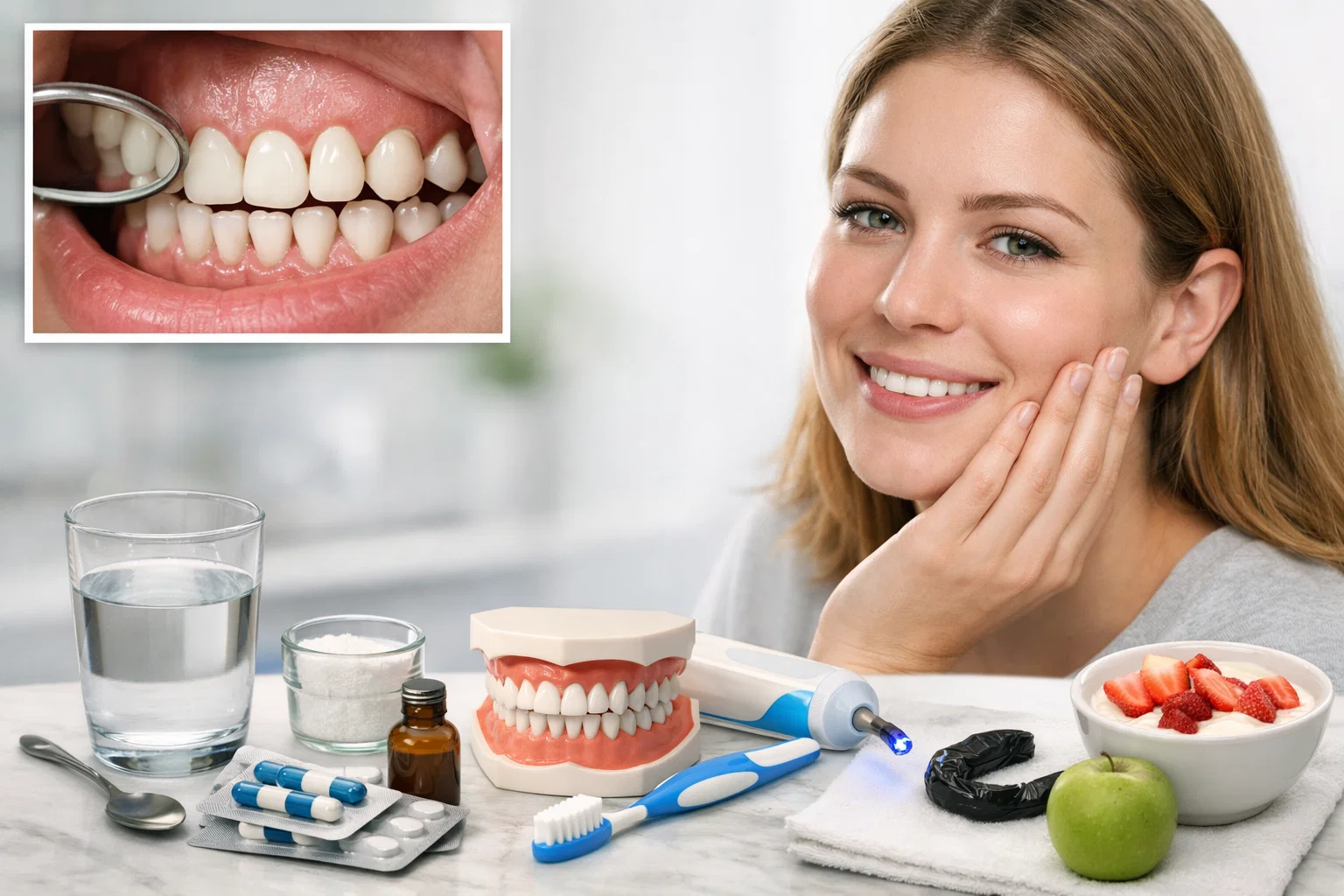
Tooth reduction, also known as dental contouring, enameloplasty, or tooth reshaping, is a common cosmetic and functional dental procedure used to improve tooth shape, size, and symmetry. While the procedure itself is minimally invasive and usually painless, what you do after tooth reduction plays a critical role in protecting your teeth and ensuring long-term success.
Many patients search online for answers to questions such as:
Tooth reduction is a cosmetic dental procedure where a small amount of enamel is carefully removed to reshape teeth. It is often used to:
Because enamel does not regenerate, proper aftercare is essential to protect the remaining tooth structure.
Although tooth reduction is conservative, it still alters the natural enamel layer. Without proper care, patients may experience:
Following the correct post-treatment steps helps maintain tooth strength, comfort, and appearance.
After tooth reduction, mild sensitivity to hot, cold, or air is common. This happens because enamel thickness is slightly reduced.
What to do:
Sensitivity usually resolves within a few days.
In the first 24–48 hours, avoid foods that may stress freshly contoured teeth.
Foods to avoid after tooth reduction:
Choose soft foods such as yogurt, pasta, eggs, soups, and smoothies.
Many patients instinctively run their tongue over reshaped teeth. While harmless in moderation, excessive pressure or biting objects can irritate the teeth.
Avoid:
Continue brushing twice daily, but use a soft-bristled toothbrush.
Best practices:
Overbrushing can accelerate enamel wear.
Fluoride strengthens remaining enamel and helps reduce sensitivity.
Recommended ingredients:
These ingredients help reinforce enamel after dental contouring.
Flossing remains essential. Be gentle near the gum line to avoid irritation.
Tip: If floss catches, inform your dentist minor refinements may be needed.
If sensitivity persists:
Avoid whitening toothpaste during this period.
Acids weaken enamel, especially after contouring.
Limit:
If consumed, rinse your mouth with water and wait 30 minutes before brushing.
Bruxism (teeth grinding) can quickly damage reshaped enamel.
If you grind your teeth:
Over-whitening after tooth reduction can increase sensitivity and enamel dehydration.
If whitening is desired:
Routine dental visits help monitor:
Your dentist can intervene early if issues arise.
❌ Do not brush aggressively
❌ Do not chew ice
❌ Do not use abrasive toothpaste
❌ Do not ignore persistent sensitivity
❌ Do not skip dental visits
These habits can compromise results.
Tooth reduction is permanent, but its success depends on aftercare.
With proper maintenance:
In some cases, bonding or veneers may be recommended later for enhanced aesthetics.
Many patients undergo tooth reduction as part of:
Your dentist may plan additional cosmetic steps depending on your goals.
Contact your dentist if you experience:
Early correction prevents complications.
No. Tooth reduction is usually painless and often does not require anesthesia.
Yes, when performed by an experienced dentist and followed by proper aftercare.
No. Enamel does not regenerate, which is why aftercare is essential.
Typically a few days to two weeks. Persistent sensitivity should be evaluated.
Yes, but avoid hard and acidic foods for the first 48 hours.
When done conservatively and cared for properly, it does not weaken teeth.
Not directly, but poor hygiene after the procedure may increase cavity risk.
Yes. The changes made to enamel are permanent.
Yes, but wait until sensitivity resolves and avoid excessive whitening.
No, which is why treatment planning and expert execution are crucial.
Tooth reduction is a powerful yet conservative way to enhance your smile. While the procedure itself is quick, long-term success depends entirely on proper aftercare.
By following professional recommendations, maintaining excellent oral hygiene, and avoiding damaging habits, you can enjoy a healthier, more balanced smile for years to come.
If you’ve recently had tooth reduction or are considering it, consult an experienced dental professional to ensure your smile stays strong, comfortable, and beautiful.