Menu

Free Consultation
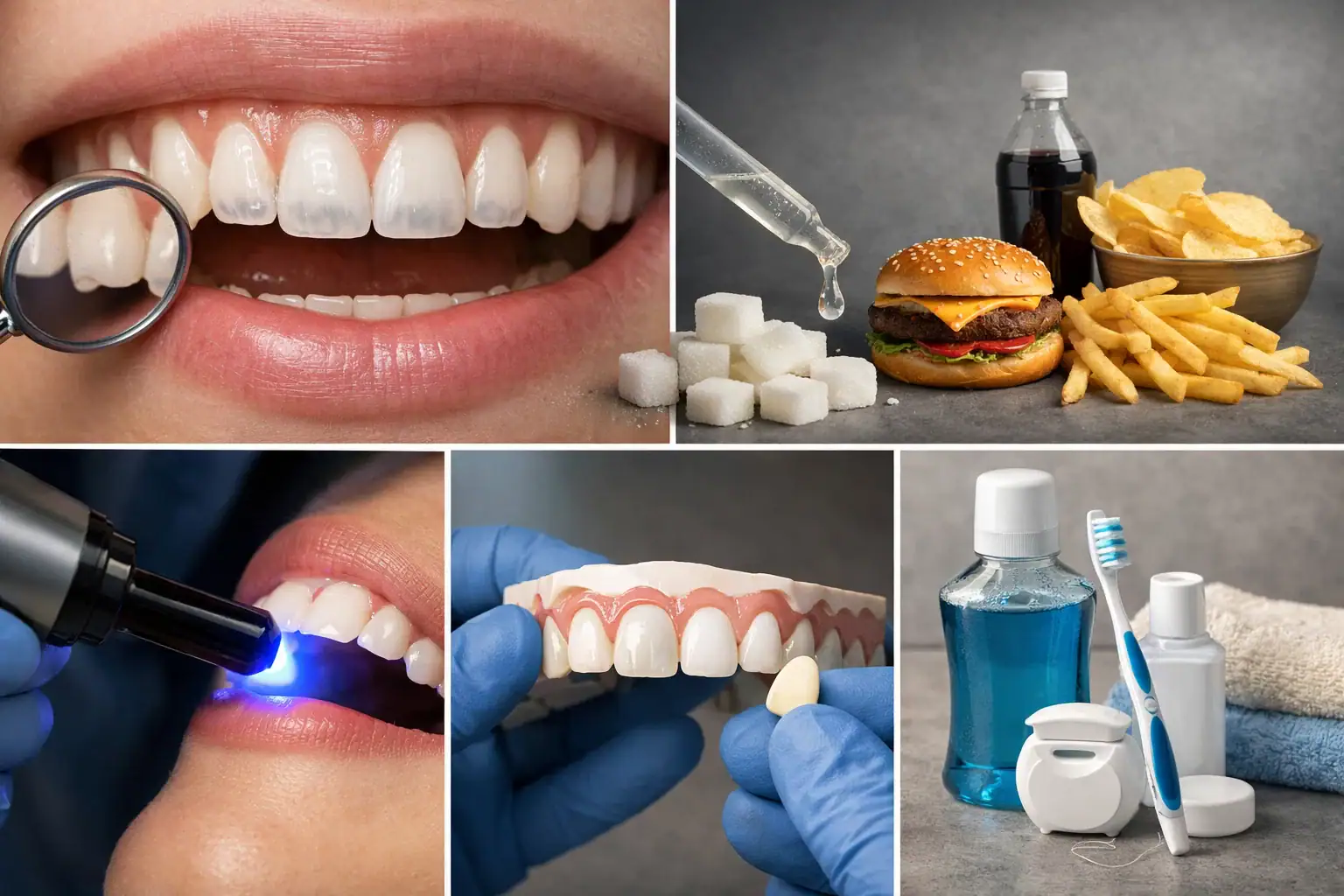
If you’ve noticed that the edges of your teeth look clear or glass-like, you’re not alone. Searches such as “why are my teeth becoming transparent”, “transparent teeth causes”, and “how to fix translucent teeth” have increased significantly in recent years. Transparent or translucent teeth are not just a cosmetic issue they often indicate underlying enamel damage or mineral loss.
Healthy teeth should appear opaque and slightly glossy. When teeth start to look transparent, especially at the tips or edges, it usually means that the enamel is thinning. Since enamel is the outer protective layer of the tooth, any damage to it can affect both appearance and long-term dental health.
Transparent teeth also referred to as translucent teeth occur when the enamel becomes thin enough that the underlying dentin begins to show through. Dentin is naturally yellowish, and when enamel wears away, teeth may appear:
When enamel thins, light passes through it instead of reflecting off it, creating a transparent appearance.
No teeth becoming transparent is not considered normal, especially in young or middle aged adults. While slight translucency at the incisal edges can be natural with age, noticeable transparency often signals:
Ignoring the issue can lead to tooth sensitivity, chipping, cavities, and even tooth fractures.
Enamel erosion occurs when acids wear away the tooth surface. Once enamel is lost, it cannot regenerate naturally.
Common causes of enamel erosion include:
Regular exposure to acids is one of the biggest contributors to translucent teeth.
High-risk items include:
When acids repeatedly attack enamel, it becomes thin and transparent over time.
Brushing your teeth too hard or using a hard-bristled toothbrush can mechanically wear away enamel.
Signs include:
Use a soft-bristled brush and gentle, circular motions.
Grinding or clenching your teeth especially at night causes excessive mechanical wear.
Bruxism can lead to:
Many people grind their teeth unknowingly while sleeping.
As we age, enamel naturally thins due to years of use. While this process is gradual, poor oral habits can accelerate it significantly.
However, severe transparency is not just an aging issue and should be evaluated by a dentist.
Some individuals are born with weaker or thinner enamel due to genetic conditions like enamel hypoplasia.
Symptoms may include:
Excessive use of whitening products especially over the counter kits can weaken enamel.
Over-whitening may cause:
Yes, transparent teeth can be a warning sign of serious dental problems.
If left untreated, enamel loss can lead to:
Early intervention is key.
Dental bonding uses tooth colored composite resin to restore lost enamel and improve appearance.
Benefits:
Best for mild to moderate transparency.
Porcelain veneers are thin shells placed over the front of teeth to:
They are ideal for advanced cases where aesthetics are a priority.
For severe enamel loss, crowns may be necessary.
Crowns:
Often recommended when transparency is accompanied by fractures or decay.
While enamel cannot fully regrow, remineralization therapies can strengthen remaining enamel.
Professional options include:
Natural methods can slow progression, but they cannot fully reverse enamel loss.
Look for ingredients like:
These help strengthen enamel and reduce sensitivity.
Reduce:
Increase:
If you suffer from GERD:
You should consult a dentist if you notice:
Early diagnosis allows for conservative treatments rather than extensive restorations.
Patients who undergo professional treatment often experience:
Modern dentistry offers highly natural-looking solutions.
This is usually caused by enamel thinning due to erosion, grinding, or acid exposure.
Yes, with treatments like bonding, veneers, or crowns.
Enamel loss is permanent, but its appearance can be corrected.
Not always, but they do increase the risk of decay if untreated.
Transparent teeth are more than a cosmetic issue—they are a sign that your enamel needs attention. With early diagnosis, proper care, and modern dental treatments, it is possible to restore both function and beauty.
If you are noticing changes in your teeth’s appearance, consulting an experienced dental professional is the first step toward protecting your smile for the future.