Dental bracket treatment is fixed orthodontic therapy in which small brackets are bonded to each tooth and linked by an archwire that moves the teeth into planned positions across a series of adjustment visits. The sequence is fixed: examination and records, planning and appliance choice, bonding, periodic wire and elastic changes, then debonding and retention. A meta-analysis of 34 clinical trials covering 6,207 patients put the average duration of comprehensive fixed appliance treatment at 24.9 months, 95% CI 24.6 to 25.1 (PubMed 29090128). Individual timing shifts with crowding severity, whether premolars are extracted, and how consistently elastics are worn.
- 01Comprehensive fixed appliance treatment averaged 24.9 months (95% CI 24.6 to 25.1) across 34 clinical trials and 6,207 patients, mean age 18.4 years (PubMed 29090128).
- 02The bracket does not move the tooth; it is a bonded platform. Stainless steel and nickel-titanium archwires deliver the force, and elastics add directional pull between arches.
- 03White spot lesions are the characteristic side effect: pooled prevalence 55.06% in orthodontic patients against 29.1% in untreated patients, with a 34.2% incidence during treatment (PubMed 39717964, 57 studies, 9,101 patients).
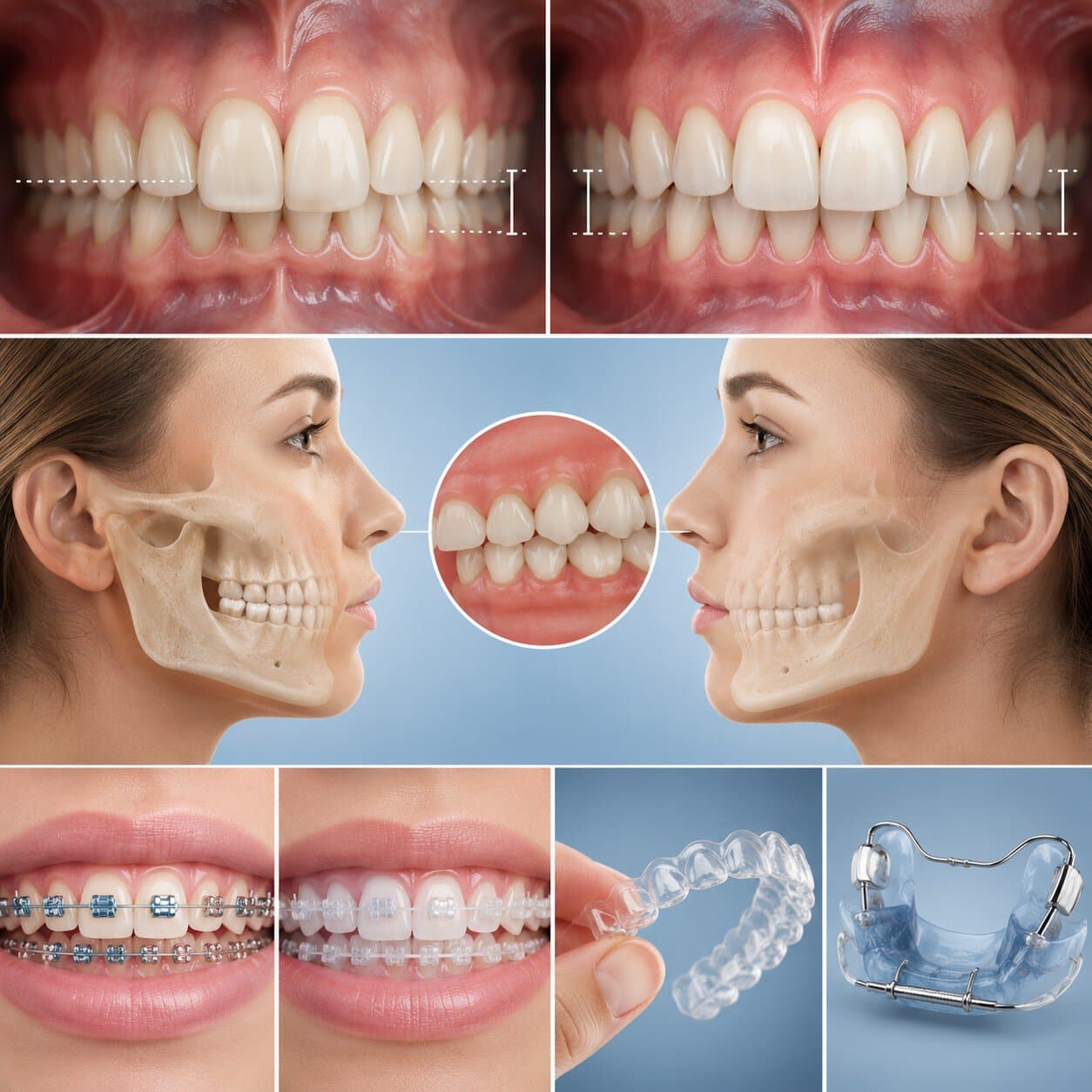
- 04Appliance choice is a trade-off rather than a ranking: metal, ceramic, lingual brackets and removable aligners differ in visibility, cleaning demand and the case range they can handle.
- 05Hygiene becomes a treatment variable once brackets are on, because plaque sits against the bracket margin where a normal brush head does not reach.
Are you considering dental bracket treatment but don't know where to start? You're not alone! Many people feel overwhelmed by the orthodontic process, with so much information available about braces and treatments. This step-by-step orthodontics guide will demystify the bracket treatment process for you. From that first evaluation at the dentist's office to understanding how wires and elastics work, we'll cover everything you need to know. By the end of this journey, you'll be well-informed and ready to embrace your new smile confidently! Let's dive into each stage of this transformative experience together.
/ Initial Evaluation and Examination Stage for Bracket Treatment
The initial evaluation is an essential step in your dental bracket treatment journey. Your orthodontist will assess your oral health and alignment issues during this stage.
Expect a thorough examination of your teeth, gums, and jaw. X-rays may be taken to get a clear picture of the underlying structure. This diagnostic process allows the orthodontist to identify potential problems that need addressing.
You'll also discuss your medical history and any concerns you might have about braces. This dialogue helps tailor the treatment plan specifically for you.
Additionally, don't hesitate to ask questions! Understanding what lies ahead can ease any apprehensions about getting braces. Your comfort during this phase sets the tone for a positive experience as you move forward to achieve that dazzling smile.
/ Orthodontic Treatment Planning: Which Braces are Right for You?
Choosing the right braces is a crucial part of your orthodontic journey. Various options are designed to cater to specific needs and lifestyle preferences.
Traditional metal braces are often the go-to choice. They're durable and adequate for complex cases. If aesthetics matter more, ceramic braces blend in with your teeth for a less noticeable option.
For those looking for flexibility, clear aligners like Invisalign might be ideal. They can be removed while eating or cleaning, but discipline is required to wear them as prescribed.
Lingual braces offer another unique approach: placing brackets on the back of your teeth and keeping them hidden. Each type has pros and cons based on alignment issues and personal comfort.
Your orthodontist will evaluate these aspects closely during the treatment planning phase, ensuring you find an option that naturally fits your dental goals and daily life.
/ Placing the Braces: Step-by-Step Application Process
The application of braces is a precise and systematic process. It begins with thoroughly cleaning teeth to ensure optimal adhesion for the brackets.
Next, a unique adhesive is applied to each tooth where the brackets will be placed. The orthodontist carefully positions these tiny metal or ceramic devices on every designated spot. This step requires attention to detail for effective alignment.
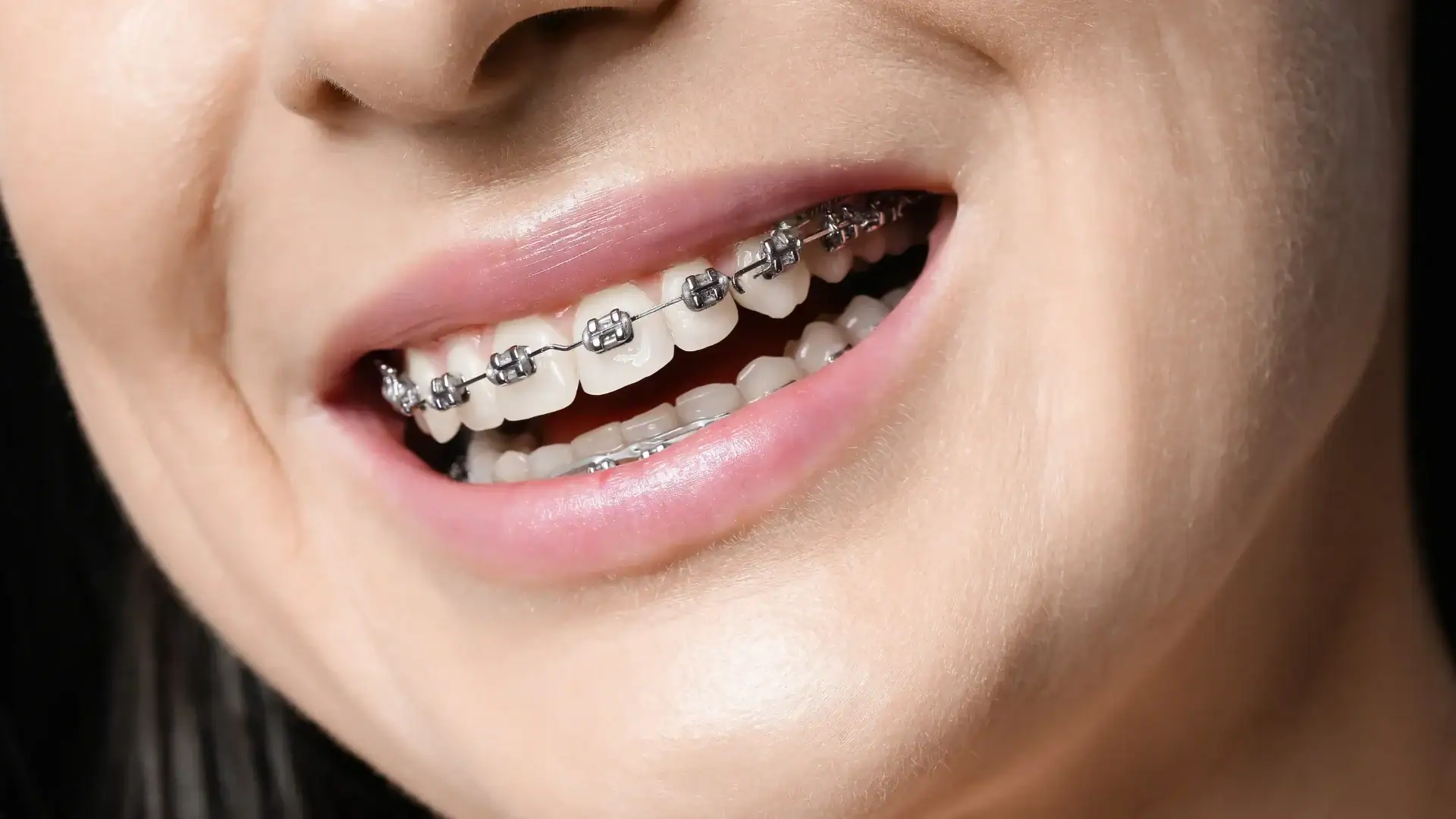
Once all brackets are in place, an archwire is threaded through them. This wire acts as a guide, gently shifting your teeth into their correct positions over time.
Colourful elastics may be added between specific brackets if needed. These provide additional force and can be customized to reflect your personality or style. Patients are often encouraged to ask questions and express concerns throughout this process, ensuring comfort and understanding at every stage of their dental bracket treatment journey.
/ How Do Different Wires and Elastics Work in Bracket Treatment?
In dental bracket treatment, wires and elastics are crucial in achieving the desired results. Each component works harmoniously to guide your teeth into alignment.
Wires are typically made of stainless steel or nickel-titanium. These materials provide the necessary strength and flexibility for adequate movement. They exert gentle pressure on the brackets and help shift teeth over time.
Elastics, or rubber bands, add another layer of adjustment. They connect to specific points on braces to create additional force. This helps move teeth in various directions based on individual treatment goals.
Different thicknesses and sizes of wires can result in distinct movements as well. Your orthodontist will select these components strategically throughout your treatment journey.
Understanding how these elements function allows you to appreciate the intricacies of achieving that perfect smile.
/ Dental Care with Orthodontic Braces: Oral Hygiene Tips
Caring for your teeth while undergoing dental bracket treatment is crucial. Maintaining good oral hygiene can significantly impact the success of your orthodontic journey.
First, brush at least twice a day with fluoride toothpaste. Use a soft-bristled toothbrush or an electric toothbrush designed for braces. Pay extra attention to cleaning around each bracket and wire. A small interdental brush can help reach those tricky spots.
Flossing may seem challenging, but it's essential. Consider using floss threaders or orthodontic floss picks designed explicitly for braces. This will help you clean between teeth effectively without damaging the wires.
Rinsing with an antimicrobial mouthwash can also be beneficial. It helps reduce plaque buildup and keeps your gums healthy throughout treatment.
Avoid sticky or hard foods that could damage your brackets and wires. Items like caramel, popcorn, and nuts should be limited during this time to prevent any complications in your treatment.
Regular visits to your orthodontist are vital, too! They will monitor the progress of your dental bracket treatment and ensure everything is on track toward achieving that beautiful smile you desire.
With proper care and attention, navigating through orthodontic braces becomes much more straightforward. Leading you closer to optimal results at every step.
Let’s plan the right treatment together.
Free Assessment→- 1.Papageorgiou SN, Höchli D, Eliades T. Outcomes of comprehensive fixed appliance orthodontic treatment: A systematic review with meta-analysis and methodological overview. Korean J Orthod 2017;47:401-413. PubMed 29090128
- 2.Hussain U, Wahab A, Kamran MA, Alnazeh AA, Almoammar S, Alshahrani SSM, et al. Prevalence, Incidence and Risk Factors of White Spot Lesions Associated With Orthodontic Treatment - A Systematic Review and Meta-Analysis. Orthod Craniofac Res 2025;28:379-399. PubMed 39717964