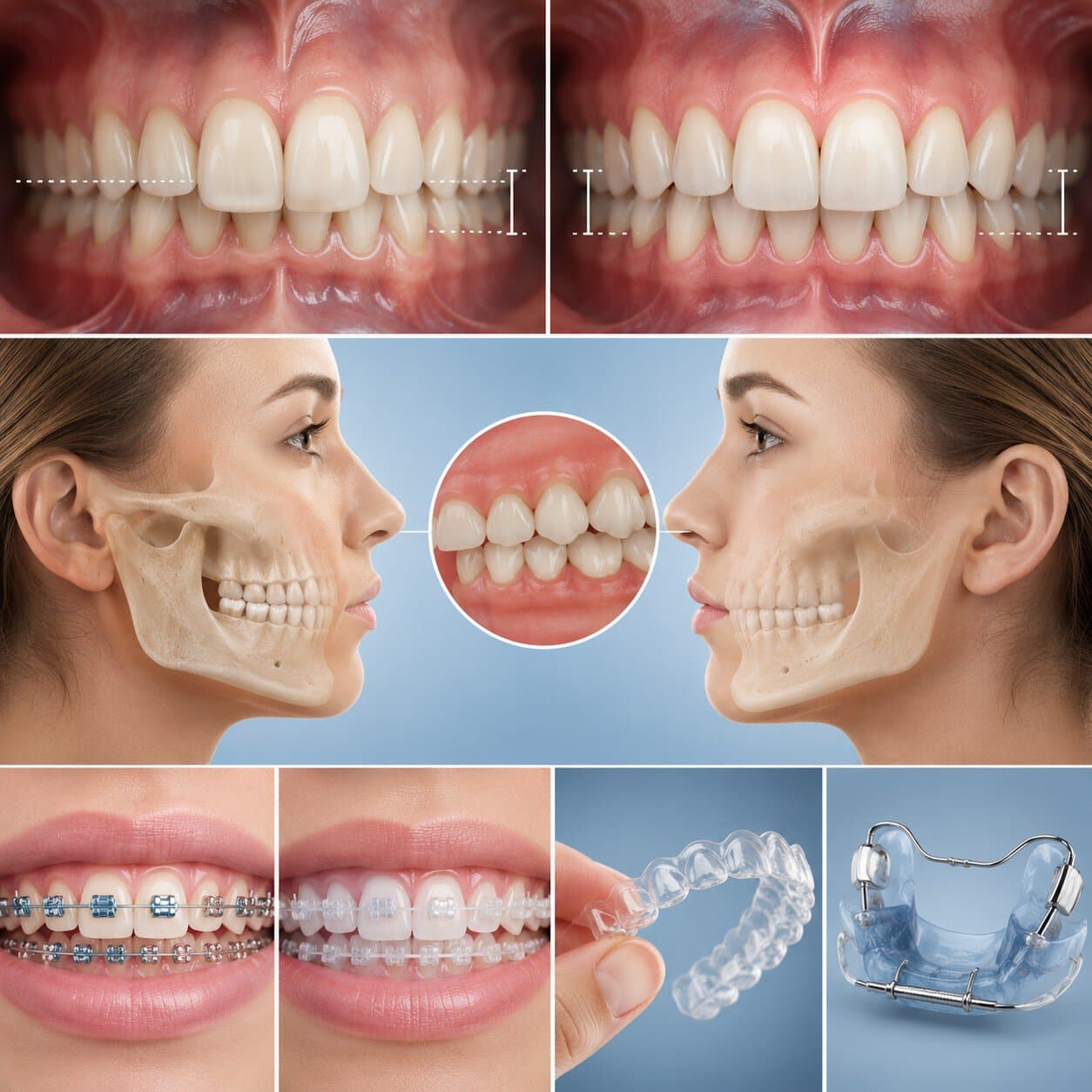
Orthodontic treatment after 30 works on the same biology as treatment at 15: teeth move as long as the periodontium is healthy, and adult bone turnover is slower rather than closed. Duration depends on the appliance and the case, with clear aligners typically running 6 to 18 months, fixed braces 12 to 24 months, and complex cases beyond 24 months. In a systematic review of eight comparative studies, aligner treatment finished on average 6.31 months earlier than braces (95% CI 4.24 to 8.37), but was less effective at producing adequate occlusal contacts, controlling torque and holding the result (PubMed 30674307).
- 01Age is not a contraindication; active periodontal disease is. Gum disease is treated and oral health stabilised before appliances go on, because moving teeth through inflamed tissue is what causes harm.
- 02Typical timelines: clear aligners 6 to 18 months, fixed braces 12 to 24 months, complex cases beyond 24 months.
- 03Across eight comparative studies, aligners finished on average 6.31 months sooner than braces (95% CI 4.24 to 8.37 months), while performing less well on occlusal contacts, torque control, transverse width and retention (PubMed 30674307).
- 04The speed advantage is not universal: a systematic review of ten studies, six of them randomised, found no significant difference in duration between aligners and fixed appliances in mild to moderate crowding, with the evidence graded low (PubMed 38607436).
- 05Appliance choice follows the case, not the age: aligners for mild to moderate crowding, spacing and cosmetic alignment; fixed braces for severe crowding, bite correction and jaw misalignment.
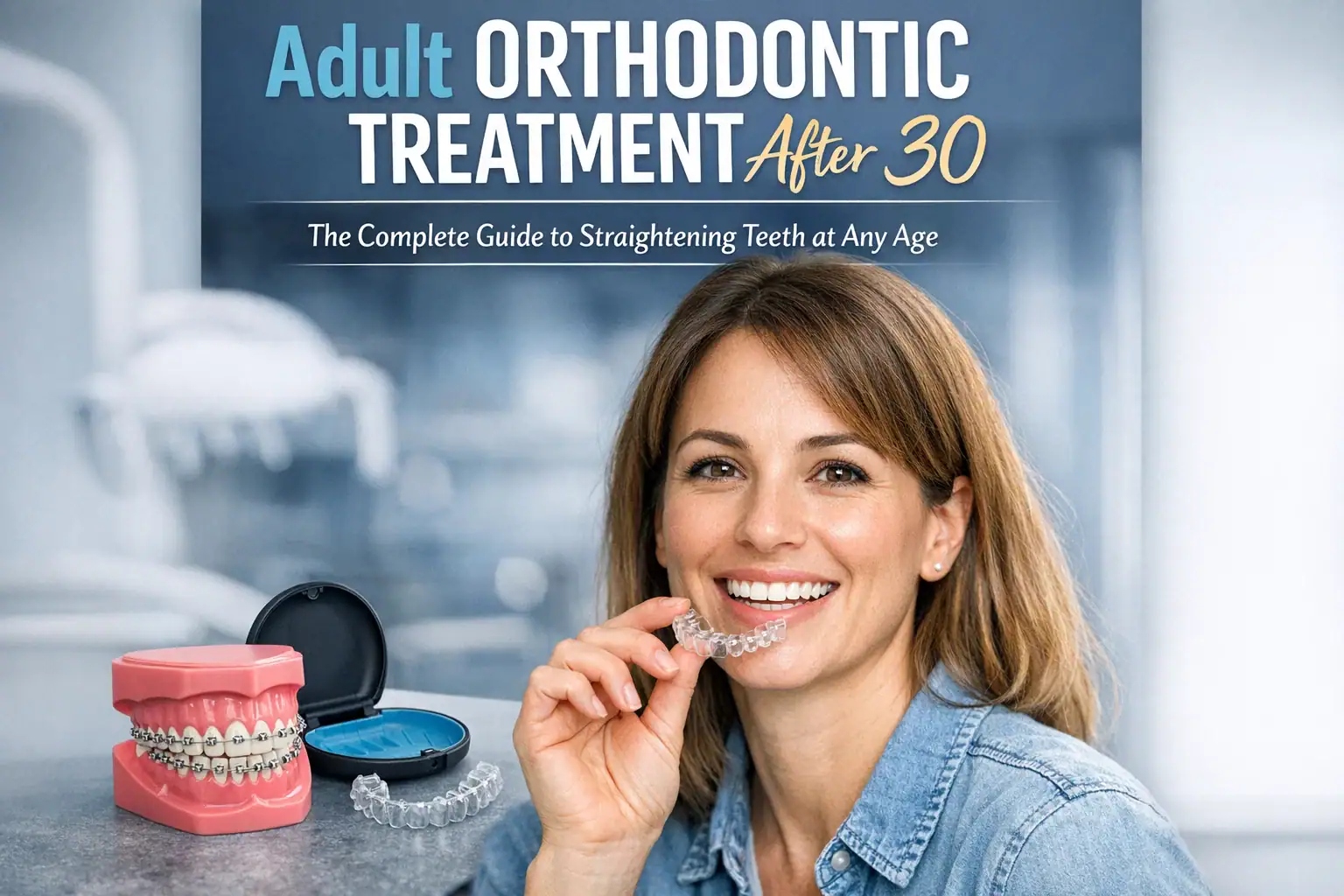
For many people, orthodontic treatment is associated with teenage years metal braces, school photos, and awkward smiles. But modern dentistry has completely transformed this perception. Today, orthodontic treatment after 30 is not only common, but increasingly popular.
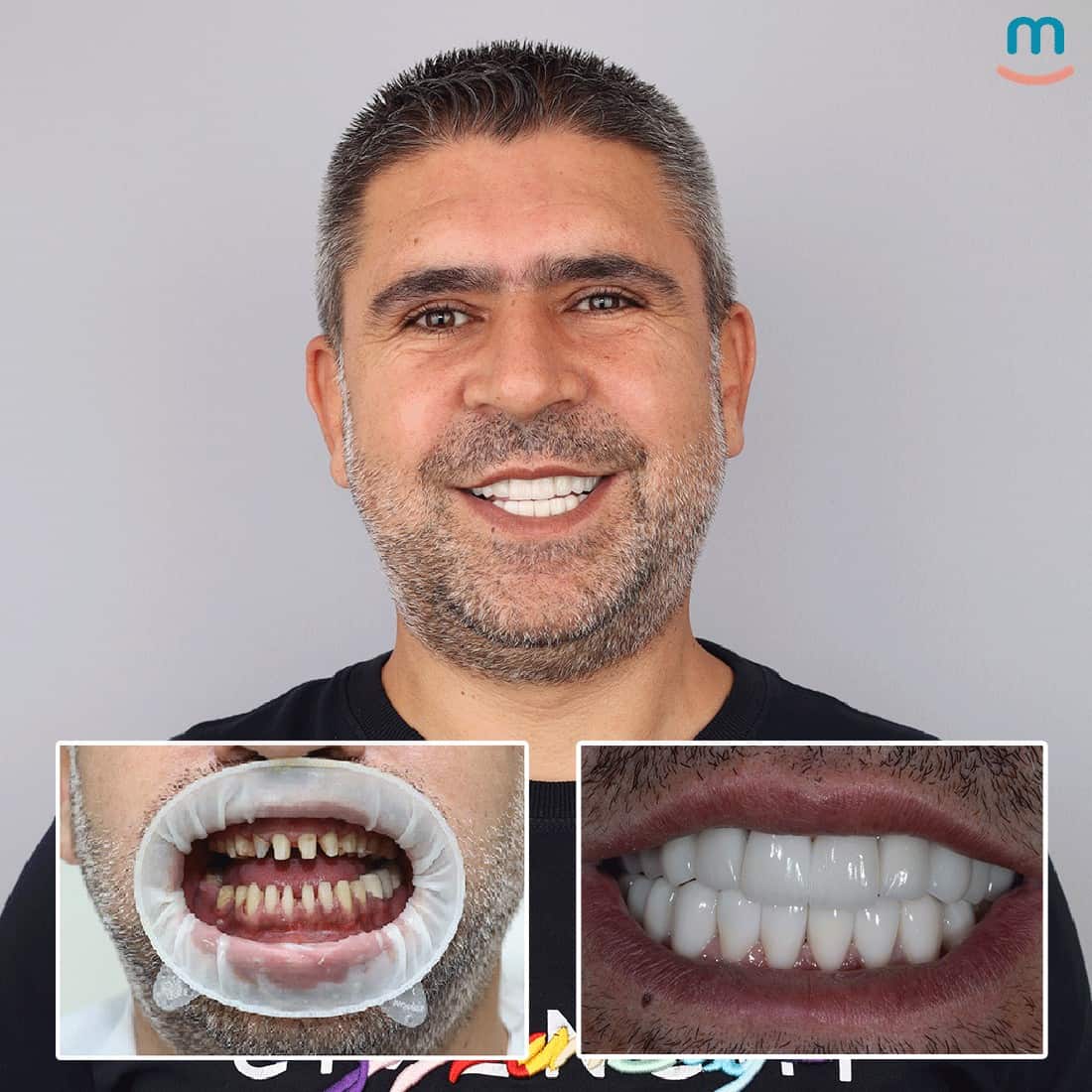
Adults around the world are choosing braces or clear aligners to improve their smile, oral health, and confidence. Whether you're 30, 40, 50, or beyond, it is never too late to straighten your teeth safely and effectively.
In this comprehensive guide, we explore everything you need to know about adult orthodontics after 30, including benefits, treatment options, timelines, costs, and frequently asked questions.
/ Can You Get Orthodontic Treatment After 30?
Yes, absolutely.
Teeth can move at any age. While bone metabolism is slightly slower in adults than in teenagers, modern orthodontic technology allows for highly predictable and successful results in mature patients.
With proper diagnosis and personalized planning, adults can achieve:
- Straighter teeth
- Improved bite alignment
- Healthier gums
- Easier oral hygiene
- A more attractive smile
Millions of adults worldwide are currently undergoing orthodontic treatment.
/ Why More Adults Are Choosing Orthodontic Treatment
✔ Aesthetic Improvements
✔ Better Chewing & Speech
✔ Reduced Risk of Tooth Decay
✔ Improved Gum Health
✔ Increased Confidence
Crooked teeth are not just cosmetic, they can trap plaque, cause uneven wear, and contribute to jaw pain.
Orthodontic treatment improves both appearance and long-term oral health.
/ Common Reasons Adults Seek Orthodontics After 30
- Crowded or overlapping teeth
- Gaps between teeth
- Overbite or underbite
- Crossbite or open bite
- Jaw discomfort or clicking
- Shifting teeth with age
Even people who had braces as teens may need re-alignment later in life.
/ Best Orthodontic Treatment Options for Adults Over 30
Clear Aligners (Invisible Orthodontics)
Clear aligners are the most popular choice among adult patients.
Benefits of Clear Aligners:
- Nearly invisible
- Removable for eating and brushing
- Comfortable with minimal irritation
- Digital treatment planning
- Fewer clinic visits
Ideal For:
- Mild to moderate crowding
- Gaps between teeth
- Cosmetic alignment
- Busy professionals
Traditional & Ceramic Braces for Adults
Braces remain the gold standard for complex orthodontic cases.
Types of Adult Braces:
- Metal braces
- Ceramic (tooth-colored) braces
- Lingual braces (behind teeth)
Best For:
- Severe crowding
- Bite correction
- Jaw misalignment
- Advanced orthodontic cases
/ How Long Does Orthodontic Treatment After 30 Take?
Treatment duration varies depending on complexity.
| Treatment Type | Average Duration |
|---|---|
| Clear aligners | 6 – 18 months |
| Braces | 12 – 24 months |
| Complex cases | 24+ months |
Treatment for adults may take slightly longer than for teens, but modern systems significantly shorten treatment times.
/ Does Orthodontic Treatment Hurt for Adults?
Most patients experience:
- Mild pressure during the first days
- Occasional tightness after adjustments
Pain is typically minimal and manageable with over-the-counter medication if needed.
Modern orthodontics is far more comfortable than in the past.
/ Orthodontics After 30 and Gum Health
Properly planned orthodontic treatment actually improves gum health by:
- Reducing plaque buildup
- Improving cleaning access
- Preventing bone loss
- Lowering inflammation risk
Before starting treatment, dentists ensure gum disease is treated and oral health is stable.
/ Is Orthodontic Treatment Worth It After 30?
Absolutely.
Long-term benefits include:
✔ Healthier teeth and gums
✔ Better bite function
✔ Reduced dental problems later in life
✔ Increased self-confidence
✔ A youthful smile appearance
Many adults say orthodontics was one of the best investments in their health.
/ Cost of Adult Orthodontic Treatment
Costs depend on:
- Treatment type
- Complexity
- Duration
- Technology used
On average:
- Clear aligners: moderate to high range
- Braces: moderate range
Many clinics offer payment plans.
/ Frequently Asked Questions
Is it too late to get braces at 30 or 40?
No. Teeth move at any age with proper treatment.
Do adults get results as good as teenagers?
Yes, often even better due to higher compliance.
Are clear aligners effective for adults?
Yes, for most mild to moderate alignment issues.
Will orthodontic treatment damage teeth?
No, when done correctly, it protects teeth long term.
Is adult orthodontics slower?
Slightly, but modern systems minimize the difference.
/ Tips for Successful Adult Orthodontic Treatment
- Maintain excellent oral hygiene
- Attend all checkups
- Wear aligners as instructed
- Avoid damaging foods
- Follow professional guidance
Consistency leads to faster and better results.
/ Final Thoughts: It’s Never Too Late for a Beautiful Smile
Orthodontic treatment after 30 is:
/ Safe
/ Effective
/ Comfortable
/ Life-changing
Modern dentistry makes straight teeth achievable at any stage of life.
If you’ve been considering improving your smile, now is the perfect time.
Let’s plan the right treatment together.
Free Assessment→- 1.Ke Y, Zhu Y, Zhu M. A comparison of treatment effectiveness between clear aligner and fixed appliance therapies. BMC Oral Health 2019;19:24. PubMed 30674307
- 2.Alhamwi AM, Burhan AS, Idris MI, Nawaya FR. Duration of orthodontic treatment with clear aligners versus fixed appliances in crowding cases: a systematic review. Clin Oral Investig 2024;28:249. PubMed 38607436