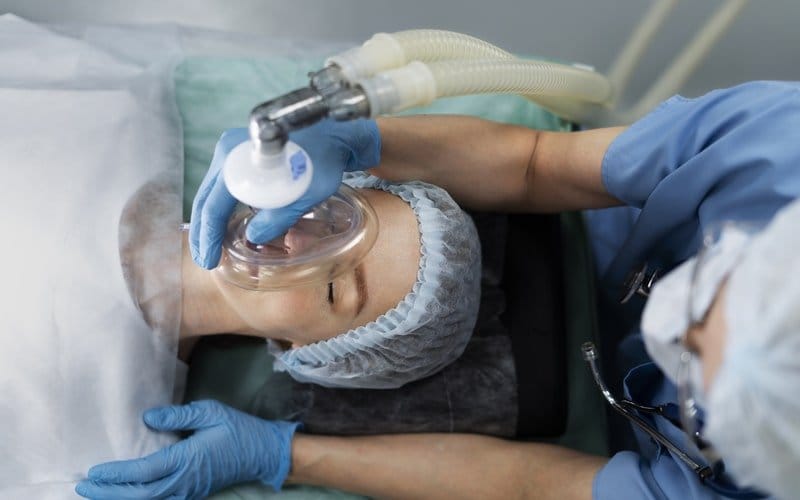
Conscious sedation enables guests with dental phobia to complete treatment comfortably; the guest stays awake but deeply relaxed, and the procedure is carried out under anaesthesiologist supervision with continuous vital-sign monitoring.
- 01Under conscious sedation the guest is awake and can follow instructions, whereas general anaesthesia involves complete loss of consciousness and must always be administered with an anaesthesiologist present.
- 02Sedation suits adults and older children with dental phobia, those wanting comfort during lengthy procedures such as All-on-4 implants or full-mouth restoration, and anyone with a past distressing dental experience.
- 03All sedation procedures are performed under anaesthesiologist supervision with continuous vital-sign monitoring; after a brief observation period the guest is discharged with an accompanying person.
- 04A single sedation session can complete in one sitting what would normally need multiple visits. A significant logistical advantage, especially for guests travelling from abroad.
Dental phobia is a clinical reality that must not be underestimated. For guests who have avoided treatment for years, whose hands tremble in the dental chair, or who turn back at the door, sedation makes dental care possible again.
What is the difference between conscious sedation and general anaesthesia? Under conscious sedation the guest is awake but in a state of deep relaxation. Able to respond to questions and follow simple instructions such as taking a deep breath. General anaesthesia involves a complete loss of consciousness and must always be administered with an anaesthesiologist present. Both options are available at Mosdent; the choice is made after taking a full medical history and health assessment.
Who is conscious sedation suitable for? Adults and older children with dental phobia, guests who wish to improve comfort during lengthy procedures (such as All-on-4 implants or full-mouth restoration), those who feel anxious about local anaesthesia, and anyone who has had a distressing dental experience in the past.
Safety: all sedation procedures are carried out under anaesthesiologist supervision with continuous vital-sign monitoring. After a brief observation period post-procedure, the guest is discharged with an accompanying person. Rest is recommended for the remainder of the day; driving and important decisions should be avoided.
A single sedation session can allow procedures that would normally require multiple visits to be completed in one sitting. A significant logistical advantage, particularly for guests travelling from abroad.
Let’s plan the right treatment together.
Free Assessment→