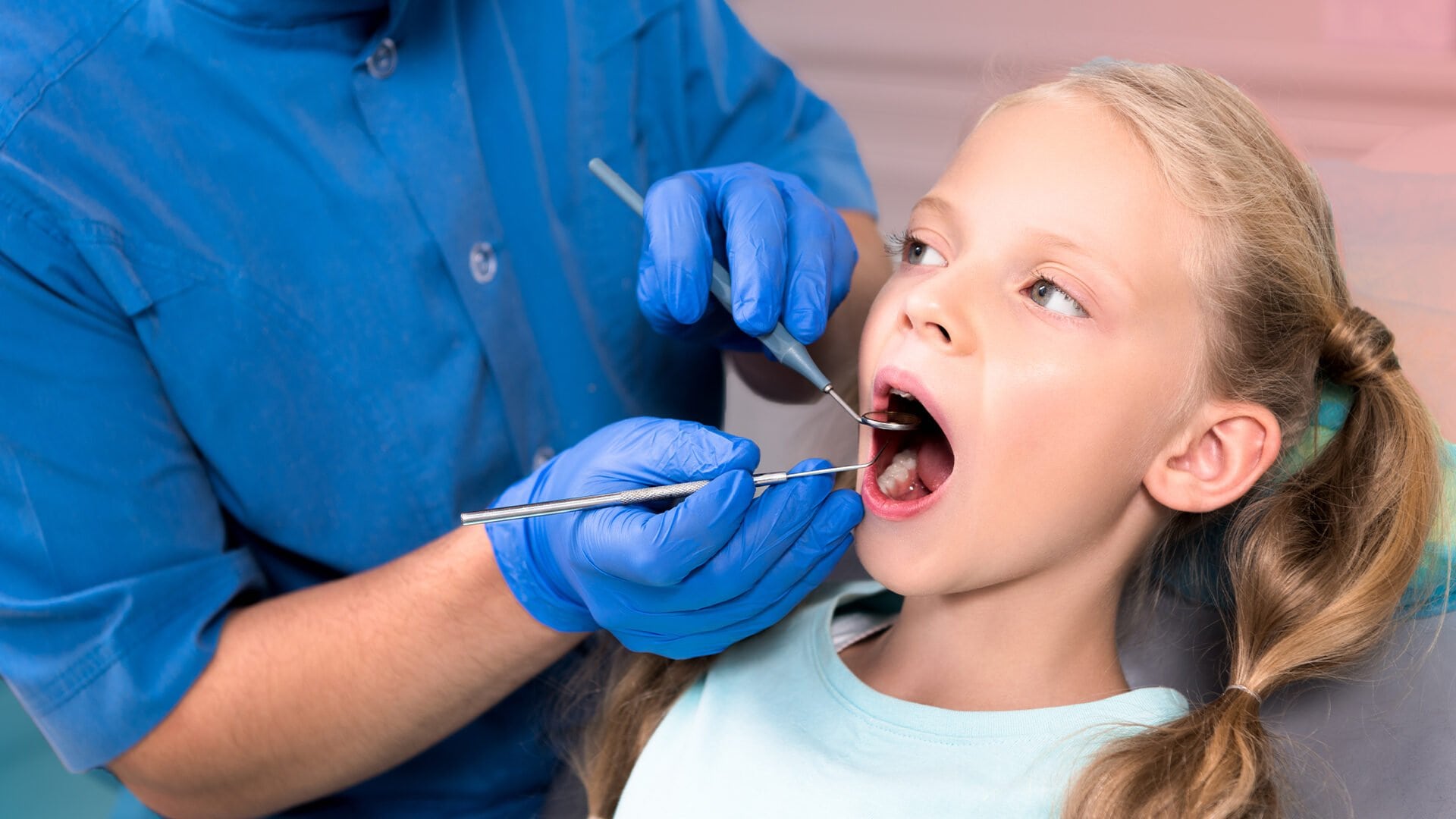

Pre-pregnancy dental care is the set of examinations and treatments completed before conception, so that decay, infection and gum inflammation do not have to be managed during pregnancy. It matters because pregnancy shifts the odds: pooled across 20 studies, 40% of pregnant women had periodontitis and 67% showed bleeding on probing, with bleeding rising steadily through the trimesters (PubMed 35998741). The pre-pregnancy window is when a full examination, scaling and polishing, fillings, extractions and routine X-rays can be completed without the constraints that apply later.
- 01Gum problems are the rule rather than the exception in pregnancy: 40% of pregnant women had periodontitis and 67% had bleeding on probing across 20 studies, with bleeding increasing as pregnancy progressed (PubMed 35998741).
- 02Rising oestrogen and progesterone increase blood flow to the gums and make them react more strongly to the plaque already present, which is what produces pregnancy gingivitis: red, swollen, bleeding gums.
- 03Fluoride toothpaste is the best-evidenced home measure: in the primary dentition, 1,500 ppm fluoride toothpaste reduced decayed and filled surfaces by 1.86 compared with non-fluoride toothpaste, in a Cochrane review of 96 studies (PubMed 30829399).
- 04Brushing technique is specific rather than general advice: a soft-bristled brush held at 45 degrees to the gumline, small circular motions instead of back-and-forth scrubbing, two minutes twice a day.
Oral health is crucial for overall well-being and it affects the mouth and plays an integral role in systemic health, quality of life, and social confidence. Good oral hygiene helps prevent dental diseases and provides a pleasing smile with excellent functioning. The importance of oral hygiene increases more during pregnancy when body hormones are altered. Pregnancy increases the risk of several oral health issues, however good dental care during pregnancy can prevent complications. It's very easy to maintain oral hygiene in case of a planned pregnancy. In a planned pregnancy, you have enough time to visit the dentist and use all necessary preventive measures which can prevent gum diseases and dental pain in pregnancy.
/ Why is it important to have dental care during pregnancy?
During pregnancy, the level of estrogen and progesterone hormones increase which plays a significant role in gum disease progression and affects overall oral health. You can have more bleeding and inflamed gums in pregnancy. Elevated levels of estrogen and progesterone increase blood flow to the gums and make them more sensitive and reactive to plaque buildup. This heightened sensitivity can lead to pregnancy gingivitis which is characterized by red, swollen, and bleeding gum. However, meticulous oral hygiene in the pre-pregnancy phase, the use of fluoride, and good dental health can reduce the chances of pregnancy gingivitis and other gum diseases.
/ What steps should I take in pre-pregnancy dental care?
Pre-pregnancy is a crucial phase in planned pregnancy. It's the time when you mentally and physically prepare your body for a beautiful journey of motherhood. So, it's the best time to improve your dental health and have good oral hygiene which will be beneficial for yourself as well as your child. Following are the steps you can take to have good oral health in pre-pregnancy.
1. Schedule a Comprehensive Dental Examination
In a planned pregnancy you have an opportunity to schedule a thorough dental check-up. It is essential to ensure optimal oral hygiene and prevent gum diseases throughout the pregnancy. The pre-pregnancy dental checkup will help to identify the early signs of gum diseases and tooth decay which can reduce the risks of dental infection in pregnancy. Your dentist will also provide the prophylactic treatment like scaling, polishing with fluoride application on teeth. These procedures will remove the dental plaque and calculus which is the main causative factor of pregnancy gingivitis. In pre-pregnancy dental visits you may require dental restorations and removal of decayed teeth which can cause pain during pregnancy. These preventive measures reduce the chances of dental pain and discomfort during pregnancy. In pre pregnancy dental care, all routine X-rays can also be taken which has to be avoided in pregnancy. So it's the best time you can ensure your oral health and have a healthy pregnancy.
These pre-pregnancy dental visits can also help to learn beneficial oral health practices. During your visit your dentist will inform you of oral hygiene practices, including brushing techniques, sugar intake, and other oral habits. Your dentist will also advise the use of fluoride toothpaste and mouthwashes which reduce the chances of dental caries. In pre pregnancy visits you can also get personalized recommendations to maintain excellent oral hygiene, which is crucial for both your and your baby's dental health. Additionally, your dentist may discuss the importance of nutrition and dental health during pregnancy. A balanced diet strengthens your teeth and gums and reduces the risk of tooth decay and other oral health complications. By addressing these factors, you can prevent potential problems and establish a healthy foundation for your future pregnancy.
2. Maintaining a Steady Oral Hygiene Routine
In planned pregnancy, you have an ideal time to focus on your overall health including your oral hygiene. A steady dental care routine can help prevent issues like gum disease and tooth decay, which may complicate pregnancy. Poor oral hygiene habits increase plaque accumulation on the tooth surfaces which leads to gum diseases. However, keeping a good oral health regime can prevent these complications and help you to have a safe pregnancy. Brushing is another important step of oral health practices. In the pre-pregnancy phase, you should learn the correct way of tooth brushing. There are different recommended techniques for brushing. You can adopt the best one for your dentition. A dentist or hygienist can demonstrate the correct method of brushing teeth. One of the recommended ways to brush your teeth is to hold your toothbrush at a 45-degree angle to the gumline. Use small and circular motions to thoroughly clean the surfaces of your teeth rather than harsh back-and-forth scrubbing. It will remove the food debris and plaque from all the tooth surfaces and reduce the chances of gum diseases in pregnancy. Another important factor in effective brushing is the choice of toothbrush. Always select a soft-bristled toothbrush to gently clean your teeth without irritating your gums. You should brush your teeth for at least two minutes, twice a day. You have to brush once in the morning and once before bed. Using a timer or an electric toothbrush with a built-in timer can help ensure you brush for the recommended duration.
Another important component of oral health practices for a planned pregnancy is the use of dental floss. Flossing effectively removes plaque from areas that your toothbrush cannot reach and reduces the risk of cavities and gum disease. Regular flossing can also help prevent gingivitis and periodontal disease by clearing out bacteria along the gums and reducing the chances of gum diseases. The recommended flossing method is to use a piece of dental floss and gently slide the floss between your teeth. You can also curve it around each tooth in a C-shape to effectively remove plaque from all sides.
3. Practice a healthy diet and lifestyle
A healthy lifestyle in the pre-pregnancy phase can significantly improve your overall well-being and it’s very important for oral health. In pre-pregnancy, you have to reduce sugar intake and focus on a diet abundant in fruits, vegetables, lean proteins, and whole grains. These foods provide essential vitamins and minerals like calcium and vitamin D, which are crucial for the baby's and mother's oral health. Drinking plenty of water throughout the day supports overall health and helps wash away food particles and bacteria from the mouth which cleans the oral environment.
Other than dietary habits, your lifestyle in the pre-pregnancy phase can also influence your dental health during pregnancy. A healthy lifestyle is key to maintaining strong teeth and healthy gums. Avoiding tobacco and alcohol is essential for both your and your baby's health.
4. Intake of fluoride supplements
Pre-pregnancy is the ideal time to start taking important supplements that will benefit both you and your baby. Fluoride is an important supplement that you can take in pre-pregnancy and during pregnancy. It's a mineral which protects the teeth from acids and reduces the chances of carious decay. It's good for your teeth and important for your baby's dental health. At home, the best way to intake fluoride is the use of fluoride toothpaste. You can also use fluoride tablets and fluoride milk or other products, but it requires a medical specialist consultation. Fluoride supplement intake is also important during pregnancy and in the breastfeeding period. During intrauterine life, fluoride ingested by the mother may influence the pre-eruptive phase by affecting the enamel formation of deciduous teeth. All this is very benefiting to the newborn’s primary dentition. Fluoride can cross the placenta without restriction and is important for a baby's dental health. However, it is essential to consult with both your obstetrician and dentist before starting any fluoride supplementation. These professionals can evaluate your current fluoride exposure, and overall health to determine the dosage of fluoride supplementation.
The pre-pregnancy phase is essential to improve your dental and systemic health. It's the best time to go for a dental visit, have a healthy oral hygiene routine, and use essential fluoride supplements. Steady brushing habits also play an integral role in preventing plaque deposition, tooth decay, and gum disease . All of these can contribute to systemic inflammation and potentially affect pregnancy outcomes. Brushing twice a day with a soft-bristled toothbrush and fluoride toothpaste is recommended to gently remove food particles and harmful bacteria. You should consult a dentist before starting fluoride supplements. Take good care of your teeth before pregnancy. This will protect your smile and help your child's teeth grow strong. All these habits can make your pregnancy comfortable and healthy.
Let’s plan the right treatment together.
Free Assessment→- 1.Chen P, Hong F, Yu X. Prevalence of periodontal disease in pregnancy: A systematic review and meta-analysis. J Dent 2022;125:104253. PubMed 35998741
- 2.Walsh T, Worthington HV, Glenny AM, Marinho VC, Jeroncic A. Fluoride toothpastes of different concentrations for preventing dental caries. Cochrane Database Syst Rev 2019;3:CD007868. PubMed 30829399