Skip to content
MosdentISTANBUL 1992
// Oral Surgery

Sedation: Fear-Free Dentistry

Dental phobia affects fifteen per cent of the global population. Conscious sedation is a solution that is both safe and makes treatment possible.

Gözde Çeken BilgiçWritten by
Published
4 minread
Hacı Sinan Atıcımedical review
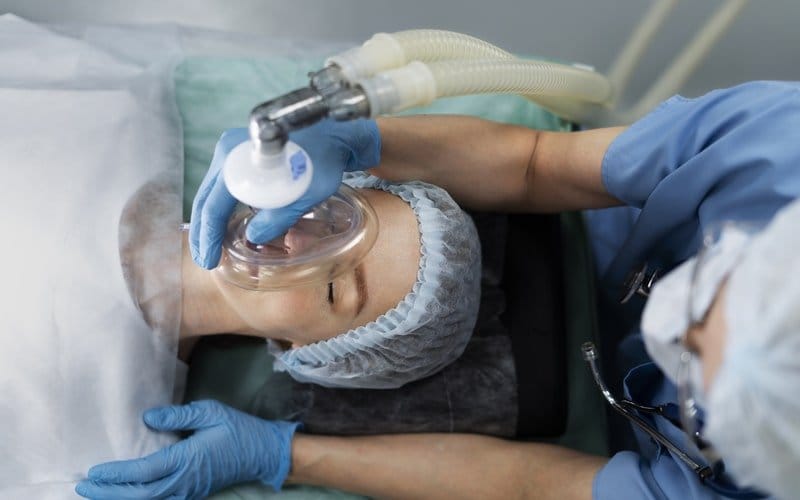
Patient receiving sedation through a mask while gloved hands work above
Oral Surgery·4 min
// Quick answer

Conscious sedation enables guests with dental phobia to complete treatment comfortably; the guest stays awake but deeply relaxed, and the procedure is carried out under anaesthesiologist supervision with continuous vital-sign monitoring.

// Key takeaways
  • 01Under conscious sedation the guest is awake and can follow instructions, whereas general anaesthesia involves complete loss of consciousness and must always be administered with an anaesthesiologist present.
  • 02Sedation suits adults and older children with dental phobia, those wanting comfort during lengthy procedures such as All-on-4 implants or full-mouth restoration, and anyone with a past distressing dental experience.
  • 03Across 1,468 conscious sedation records the adverse event rate was 1.3 per 100 guests (PubMed 23032244); every procedure is performed under anaesthesiologist supervision with continuous vital-sign monitoring, and the guest is discharged with an accompanying person after a brief observation period.
  • 04A single sedation session can complete in one sitting what would normally need multiple visits. A significant logistical advantage, especially for guests travelling from abroad.

Dental phobia is a clinical reality that must not be underestimated. For guests who have avoided treatment for years, whose hands tremble in the dental chair, or who turn back at the door, sedation makes dental care possible again.
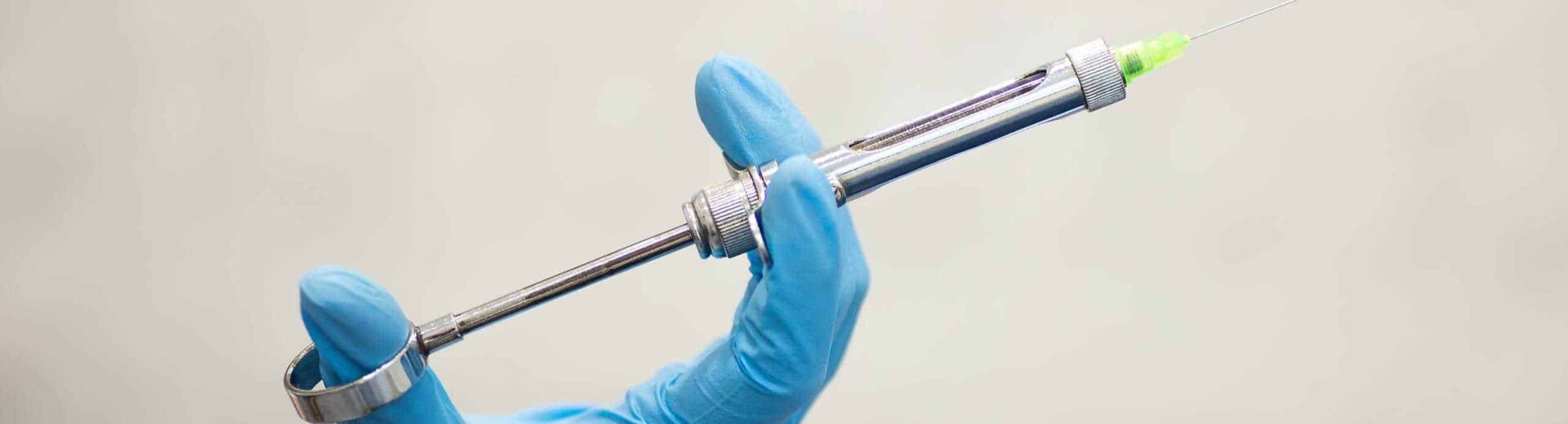
mavi nitril eldiven takılı bir el şırınga tutuyor

What is the difference between conscious sedation and general anaesthesia? Under conscious sedation the guest is awake but in a state of deep relaxation. Able to respond to questions and follow simple instructions such as taking a deep breath. General anaesthesia involves a complete loss of consciousness and must always be administered with an anaesthesiologist present. Both options are available at Mosdent; the choice is made after taking a full medical history and health assessment.

Who is conscious sedation suitable for? Adults and older children with dental phobia, guests who wish to improve comfort during lengthy procedures (such as All-on-4 implants or full-mouth restoration), those who feel anxious about local anaesthesia, and anyone who has had a distressing dental experience in the past.

Safety: all sedation procedures are carried out under anaesthesiologist supervision with continuous vital-sign monitoring. After a brief observation period post-procedure, the guest is discharged with an accompanying person. Rest is recommended for the remainder of the day; driving and important decisions should be avoided.

A single sedation session can allow procedures that would normally require multiple visits to be completed in one sitting. A significant logistical advantage, particularly for guests travelling from abroad.

Let’s plan the right treatment together.

Free Assessment
SedationAnaesthesiaDental Phobia
// Written by
Gözde Çeken Bilgiç
Medically reviewed by: Hacı Sinan Atıcı

Let’s plan the right treatment together.

Your personal data is processed as described in our .

Message on WhatsApp
// Frequently Asked

Frequently asked questions

What is the difference between conscious sedation and general anaesthesia?+

They are not separate methods but different steps on one continuum. The American Society of Anesthesiologists divides that continuum into four: under minimal sedation the guest responds normally to verbal commands; under conscious (moderate) sedation the response stays purposeful, no airway intervention is needed and spontaneous breathing remains adequate; under deep sedation a response follows only repeated or painful stimulation; under general anaesthesia the guest cannot be roused even by painful stimulation and the airway often requires intervention. Because the steps have no sharp boundary, sedation is delivered by a team able to manage one level deeper than the one intended.

Who is conscious sedation suitable for?+

It is ideal for adults and older children with dental phobia, guests wanting more comfort during lengthy procedures such as All-on-4 implants or full-mouth restoration, those anxious about local anaesthesia, and anyone who has had a distressing dental experience in the past.

Is sedation safe?+

The measured answer: events are uncommon and mild, serious ones close to absent. Across 1,468 conscious sedation records the adverse event rate was 1.3 per 100 guests, the most frequent being a technical one, the intravenous line infiltrating (PubMed 23032244). In a separate series of 107 patients sedated by titration the complication rate was 10.2% with no serious adverse event at all; the commonest finding, a transient drop in oxygen saturation, was resolved by prompting the patient to take a deep breath (PubMed 29090250). Sedation is carried out under anaesthesiologist supervision with continuous vital-sign monitoring, and the guest is discharged with an accompanying person after a brief observation period.

What should I keep in mind after sedation?+

Do not drive that day: feeling recovered arrives before measured recovery does. In a driving-simulator study of patients sedated for a procedure, the group given 4 mg of midazolam had still not returned to baseline driving performance 120 minutes afterwards, while the propofol comparison group returned within 60 minutes (PubMed 19092246). So rest for the remainder of the day, postpone important decisions and be discharged with an accompanying person.

It begins with a conversation

Discuss the questions with your doctor.

WhatsApp

Not sure which treatment fits? Tell us what’s wrong →