
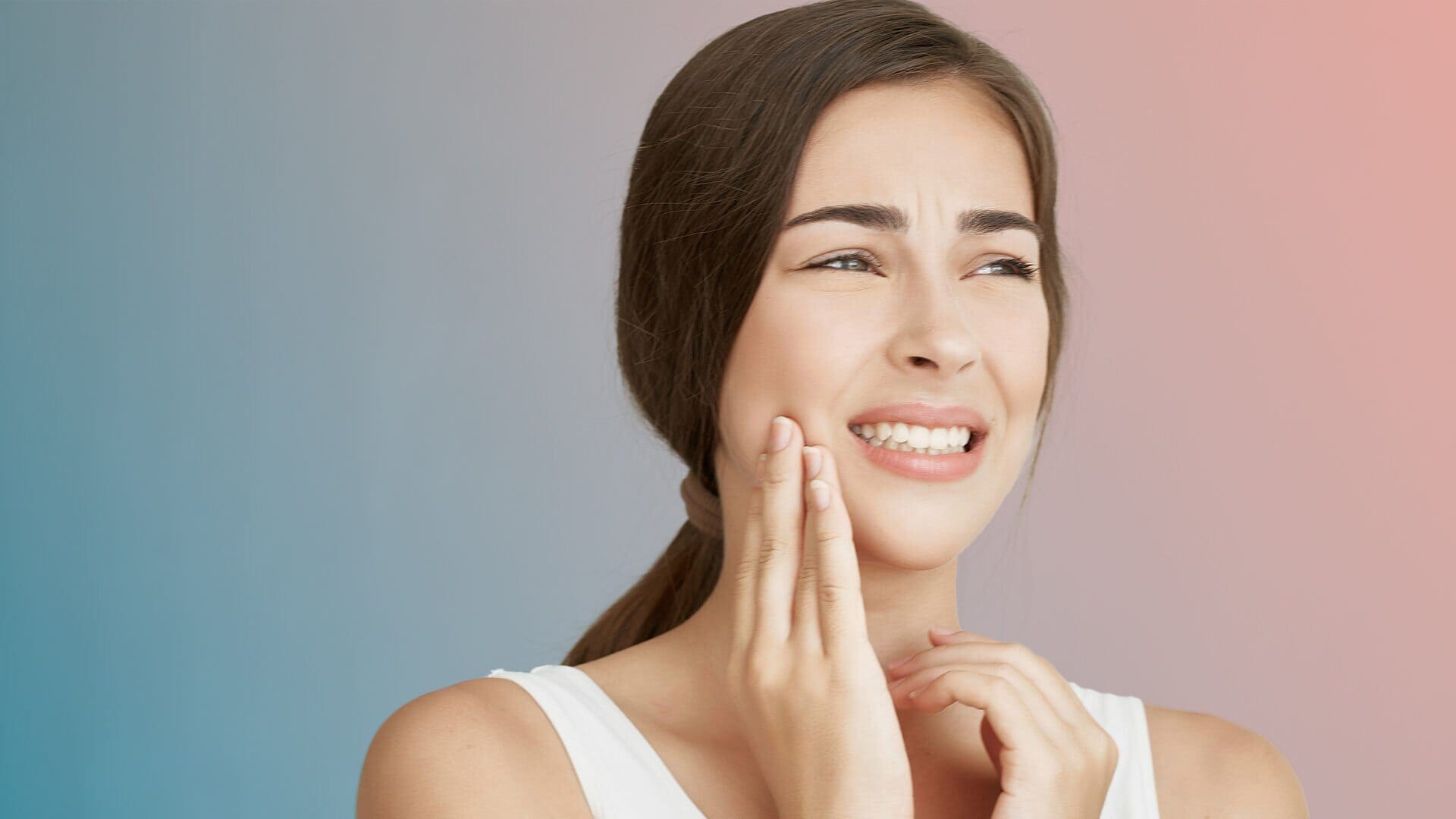
Stress reaches the mouth through four routes that can be observed clinically: jaw muscle overactivity that grinds or clenches teeth, reduced saliva flow, immune suppression that favours periodontal infection, and hygiene routines that slip when life gets busy. The periodontal link has been quantified: a meta-analysis of 14 studies put the pooled odds ratio for psychological stress and periodontitis at 1.78 (PubMed 34595909). Grinding is common in its own right, with self-reported awake bruxism in 22.1% to 31% of adults and frequent sleep bruxism in 12.8% (PubMed 23630682). Managing this means protecting the teeth and addressing the stress separately.
- 01Bruxism is repetitive jaw muscle activity that grinds or clenches teeth; self-report data put awake bruxism at 22.1% to 31% of adults and frequent sleep bruxism at 12.8% (standard deviation 3.1), unrelated to sex and declining with age (PubMed 23630682).
- 02The pooled odds ratio linking psychological stress to periodontitis was 1.78 across 14 studies, but heterogeneity was extreme (I squared 98.6%), so the direction is clearer than the size (PubMed 34595909).
- 03Xerostomia is the second route: less saliva means less natural buffering and clearance, which raises the risk of decay, oral candidiasis and persistent bad breath.
- 04A night guard protects the teeth but does not treat the cause. A systematic review of sleep bruxism management found stabilisation splints tended to reduce grinding events without significant advantage over other splint types, while the benefits of cognitive behavioural therapy were not well supported (PubMed 35356038).
- 05Canker sores tied to stress typically heal within one to two weeks; recurring sores are the signal to look for an underlying cause rather than to keep treating each episode.
Stress is an unavoidable reality of modern life. Whether due to work, personal relationships, or financial problems, it can significantly impact our overall health, including our oral health . Let’s explore how stress can influence your oral health and share practical tips to manage these effects.
/ The Link Between Stress and Oral Health
Stress affects your oral health in various ways. Here are some of the most common impacts:
1. Bruxism (Teeth Grinding)
Stress is one of the primary causes of bruxism , an unconscious habit of grinding or clenching your teeth. This can occur during the day or, more commonly, at night while you sleep. Bruxism can lead to:
- Excessive tooth wear, potentially resulting in tooth fractures.
- Jaw pain and temporomandibular joint (TMJ) disorders.
- Chronic headaches, often around the temples or at the back of the head.
2. Xerostomia (Dry Mouth)
Stress can disrupt the autonomic nervous system, reducing saliva production. A dry mouth increases the risk of:
- Tooth decay, as saliva plays a vital role in naturally cleaning teeth.
- Oral infections, such as candidiasis.
- Persistent bad breath, often due to bacterial buildup.
3. Gum Disease
Prolonged stress can weaken the immune system, making your body less effective at fighting infections, including periodontal diseases. These conditions can progress and result in:
- Loss of attachment between teeth and gums.
- Gum recession , exposing tooth roots.
- Tooth loss if left untreated.
4. Canker Sores
Mouth ulcers, or canker sores, are often linked to stress. While usually benign, they can cause pain and discomfort during eating or speaking. Frequent occurrences may indicate chronic stress.
5. Gum Chewing or Biting
Some stressed individuals tend to chew or bite their gums, causing injuries to the oral mucosa. These microtraumas can promote infections or prolong tissue healing time.
6. Poor Oral Hygiene
Stress can also lead to neglect of oral hygiene. Stressed individuals are more likely to:
- Skip brushing or shorten their cleaning routines.
- Adopt poor eating habits, such as excessive consumption of sugar or acidic beverages.
- Use tobacco or alcohol as a coping mechanism, worsening oral health problems.
/ How to Manage the Impact of Stress on Oral Health
1. Maintain a Strict Oral Hygiene Routine
Brush your teeth twice daily with fluoride toothpaste and floss daily. Add an antiseptic mouthwash to your routine. Replace your toothbrush every three months or when the bristles begin to fray.
2. Reduce Bruxism
If you suffer from bruxism , consult your dentist. Solutions such as a custom-made night guard can protect your teeth and relieve jaw joints. Other options include:
- Learning relaxation techniques to relax jaw muscles.
- Performing specific physiotherapy exercises to strengthen jaw muscles.
3. Address Stress at Its Source
- Meditation and Relaxation: Practice techniques such as mindfulness, yoga, or deep breathing exercises to regulate your body’s stress response.
- Physical Activity: Regular exercise boosts endorphin production, fostering a sense of well-being.
- Planning and Organization: Plan your days to reduce unnecessary pressures. Use tools like planners or task management apps.
4. Consult a Professional
If stress severely impacts your oral health, it’s important to consult a dentist or doctor. They can guide you toward appropriate solutions, such as treatment for anxiety disorders. In some cases, consulting a psychologist or psychiatrist may be necessary.
5. Adopt a Healthy Diet
Avoid sugary and acidic foods that can damage your teeth. Opt for foods rich in calcium (milk, yogurt, cheese), magnesium (nuts, seeds), and vitamin D (fatty fish, sunlight exposure) to strengthen your teeth and gums.
6. Use Specialized Products
If you suffer from xerostomia, products like moisturizing gels or sprays can help. These solutions promote a healthy and comfortably hydrated oral environment.
/ Benefits of Preventing Stress-Related Oral Health Problems
Taking preventive measures to reduce the impact of stress can not only improve your oral health but also:
- Reduce dental care costs.
- Enhance your quality of life by minimizing pain and discomfort.
- Boost your confidence with a healthy and radiant smile.
- Promote better overall health, as a healthy mouth is linked to a healthy body.
/ Frequently Asked Questions About Stress and Oral Health
1. How do I know if I have bruxism?
You may notice jaw pain or stiffness, sensitive teeth, or headaches upon waking. Consult your dentist for an accurate diagnosis. Sometimes, bruxism can be identified during a routine examination if signs of tooth wear are visible.
2. Can stress cause cavities?
Indirectly, yes. Stress can lead to habits such as eating sweets or neglecting oral hygiene, increasing the risk of cavities. Additionally, reduced saliva production can exacerbate this risk.
3. How long does it take for stress-related canker sores to heal?
Canker sores typically heal within one to two weeks. However, if you experience recurring sores, consult a healthcare professional. They may prescribe topical or systemic treatments to accelerate healing.
4. Is mouthwash necessary for managing dry mouth?
An alcohol-free mouthwash can help stimulate saliva production and maintain good oral hygiene. Specific products for xerostomia are available in pharmacies.
5. What types of professionals can help me manage stress?
In addition to your dentist, consider consulting a psychologist, life coach, or stress management specialist for tailored solutions. A general practitioner can also guide you toward specific therapies such as cognitive-behavioral therapy or support groups.
By taking care of your mental and oral health, you can significantly reduce the negative effects of stress. Adopt a proactive approach for a healthy smile and a more serene life.
Let’s plan the right treatment together.
Free Assessment→- 1.Aggarwal K, Gupta J, Kaur RK, Bansal D, Jain A. Effect of anxiety and psychologic stress on periodontal health: a systematic review and meta-analysis. Quintessence Int 2022;53:144-154. PubMed 34595909
- 2.Manfredini D, Winocur E, Guarda-Nardini L, Paesani D, Lobbezoo F. Epidemiology of bruxism in adults: a systematic review of the literature. J Orofac Pain 2013;27:99-110. PubMed 23630682
- 3.Minakuchi H, Fujisawa M, Abe Y, Iida T, Oki K, Okura K, et al. Managements of sleep bruxism in adult: A systematic review. Jpn Dent Sci Rev 2022;58:124-136. PubMed 35356038