
Smile Design
Smile design is a planning process: facial proportions, lip line and gum contour are analysed digitally before treatment, and the approved design guides it.
- Digital simulation · see the result before treatment
- Tailored to your facial proportions
- Selection from multiple alternatives
- Approved plan guides all subsequent treatment
First consultation free · same-day reply · no price pressure

Smile design is a planning process rather than a single procedure. Facial proportions, lip line, gum contour and tooth form are analysed digitally before treatment starts, and the result is produced by whatever restorations the plan commits to, typically laminate veneers, crowns, whitening, gingival contouring and, in some cases, orthodontics. A meta-analysis of seven studies on digital smile design reported a pooled satisfaction prevalence of 58% (95% CI 0.30-0.86) with high heterogeneity and detected publication bias (PubMed 41122427). The golden proportion that such designs are often justified by was not supported in a meta-analysis of six studies of natural dentition (PubMed 34489087). Ask any package quote to list the restorations it contains, unit by unit.
- 01The golden proportion is presented as a design rule and does not hold up to measurement. Screening 566 articles and pooling six, the authors concluded that evidence for the golden proportion in natural smiles is lacking and that its existence in dentistry should be treated as a myth, while noting that a golden percentage approach with modified percentages can still be applied (PubMed 34489087).
- 02The patient-side effect of digital planning has been measured, and the evidence is weak. Across seven studies selected from 387 records, pooled satisfaction prevalence was 58% (95% CI 0.30-0.86) with heterogeneity of I² = 60.23%, moderate risk of bias on ROBINS-I and publication bias detected on regression testing (PubMed 41122427).
- 03A second review points the same way and reports the same limitation: seven studies showed consistent improvement in satisfaction, treatment acceptance, communication and perceived predictability, with the evidence base limited by heterogeneous designs, varied outcome measures and small samples (PubMed 41473620).
- 04Digital accuracy is not uniform across restoration types. A consensus review of 33 studies found intraoral scanners reliable and accurate for single-unit inlays and onlays but inconclusive for veneers because of the limited number of studies, while a companion review of 15 studies found no significant difference between vertical and horizontal finish lines in survival, success (65% to 100%) or periodontal outcomes over three to seven years (PubMed 40186389).
- 05A smile design lasts as long as the restorations placed under it. Lithium disilicate laminate veneers survived at 96.81% over 10.4 years (PubMed 39523553) and monolithic lithium disilicate single crowns at 98.5% over five years (PubMed 41489982). The plan itself carries no separate survival figure, so a package price is only meaningful once the restoration types and counts are written down.
/ What is Smile Design?
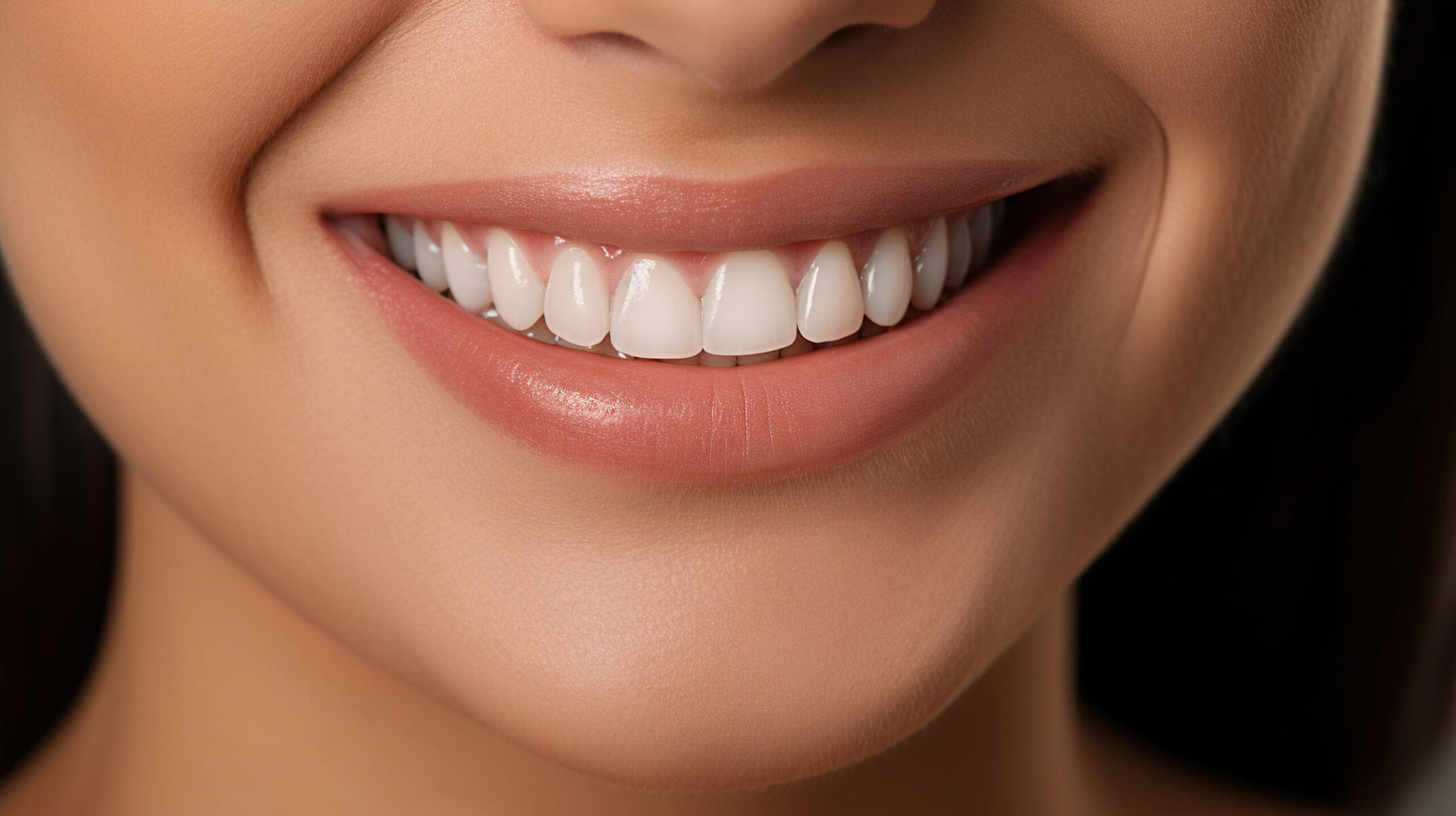
Smile is one of the elements that help both men and women express themselves and reflect their mood, and it is also a part of body language. As a result, people who think that their teeth cause an unaesthetic appearance when smiling often feel obliged to hide their teeth or close their mouths to hide this appearance. As a result, there may be a lack of self-confidence and even various problems in social life. Smile design, as one of the most preferred aesthetic dentistry applications, helps patients achieve an aesthetic, natural and functional smile.
As seen in recent years, smile design has become one of the most popular aesthetic dentistry procedures. In case the teeth and gums lose their aesthetic appearance due to many different reasons, procedures that will restore the most natural and beautiful appearance are applied by evaluating the person's face shape and expectations. Smile design is a multidisciplinary approach that is planned and applied in accordance with the needs, expectations and face shape of each patient. Thanks to the customized and effective results it provides, smile design has an increasing popularity.
Since smile design is planned individually for each patient, patients can have natural and aesthetic looking teeth that are compatible with their facial and jaw structures. With smile design procedures, it is possible to improve the color of the patient's teeth and the health of the gums. Although smile design helps every patient to have a healthy, beautiful and remarkable smile, there are some critical elements that should be considered during smile design for men and women. The most important of these is to aim for more rounded oval-shaped teeth in women, while more rectangular teeth are preferred in men.
| At a glance | |
|---|---|
| Duration | 1-2 sessions (planning) |
| Sessions | 2 |
| Warranty | · |
| Materials Used | Digital Smile Design (DSD) · 3D Facial Scan |
/ How is Smile Design Done?
Since smile design is a patient-specific aesthetic dentistry procedure, there is no standard for the scope of the procedure and the steps to be applied. In order for the smile design procedure to be successful, it is necessary to analyze the patient's needs and aesthetic expectations correctly. In this direction, it is possible to make a correct planning.
The first step of the treatment plan prepared in accordance with the needs and expectations is to make models by taking impressions of the patient's mouth and teeth. The planning step is completed according to the problems to be treated and modeling is used in this process.
In addition, the patient's mouth and face are photographed from various angles. By making measurements using special programs in the computer environment, it can be seen how the result will be in harmony with the patient's facial shape and aesthetic expectations. At this stage, the approximate appearance to be obtained after the treatment is completed should be presented to the patient over the restorations prepared in accordance with the computer programs and the impressions taken, and the applications should be started after the patient's approval is obtained.
Treatment Process
- 01Face & Tooth Scan: Photography, 3D intraoral scan, video smile capture.
- 02Digital Design: 2-3 alternative smile designs generated to your facial proportions.
- 03Approval & Mock-up: The chosen design is trialled temporarily in your mouth.
/ Treatment Procedures in Smile Design
After the smile design treatment is planned, if it is decided that the patient does not need orthodontic treatment, procedures to correct the gum level irregularities are started. If the patient has one or more missing teeth, these deficiencies are eliminated using the method determined specifically for the patient. After surgical procedures and dental implant treatment, a certain recovery period is required. In case of need, teeth whitening procedure is applied.
If there are visual and stylistic defects in the patient's teeth, composite filling or laminated or zirconium dental veneer treatment can be applied depending on the current condition of the teeth. In cases where the porcelain laminated tooth coating method will be applied, it may be sufficient to reduce the teeth very slightly, or no reduction may be required.
If porcelain or zirconium dental veneer treatment is deemed appropriate for the patient, it is necessary to obtain the patient's consent during the rehearsal. If the patient requests some changes and the dentist confirms that these changes will provide a natural and aesthetic appearance, updates may be made accordingly. Evaluating the shape and contour of the lips during rehearsals and finalizing the targeted design after the evaluations will help to increase the success of dental and gum applications.
In some patients, various medical aesthetic procedures such as dermal filler injection into the lips and face area can be used to improve the results. In this way, optimum benefit can be obtained from smile design applications.
/ Types and Procedures in Smile Design
What are the Types of Smile Design?
Within the scope of attractive aesthetic smile, also known as sexy smile, the front teeth are designed longer than the others. It is one of the most preferred smile design types. Usually women show interest in sexy smile design.
Intellectual smile design is generally suitable for middle-aged people. Within the scope of intellectual smile design, which allows the person to have a more mature appearance, attention is drawn to the lower part of the patient's face.
In the sporty smile, which is one of the most common designs applied by dentists, the central incisors are designed to be longer than the lateral incisors. Which type of smile design will be applied is determined after the evaluation made according to the demands of each patient, the existing oral and dental structure and other elements of the face.
Which Procedures Does Smile Design Include?
Smile design is a comprehensive and customizable treatment process that differs for each patient. The aim of smile design is to change the color, shape and surface structure of the patient's teeth. It may be possible to meet the different aesthetic needs of each patient by determining the procedures to be applied within the scope of treatment on a patient-specific basis. In order to determine the procedures to be applied within the scope of smile design, the patient's gender, age, facial features, needs and expectations are meticulously evaluated.
One of the most important steps before planning smile design treatments is to evaluate the patient's dental and gum health. If any problems are detected, these problems should be treated first. After patient-specific planning, various procedures such as prosthesis and dental implant applications, porcelain laminate, dental veneers, zirconium veneers, professional teeth whitening and orthodontic treatment may be applied to eliminate tooth deficiency or deficiencies.
/ Reasons and Advantages of Smile Design
Why Should You Have a Smile Design?
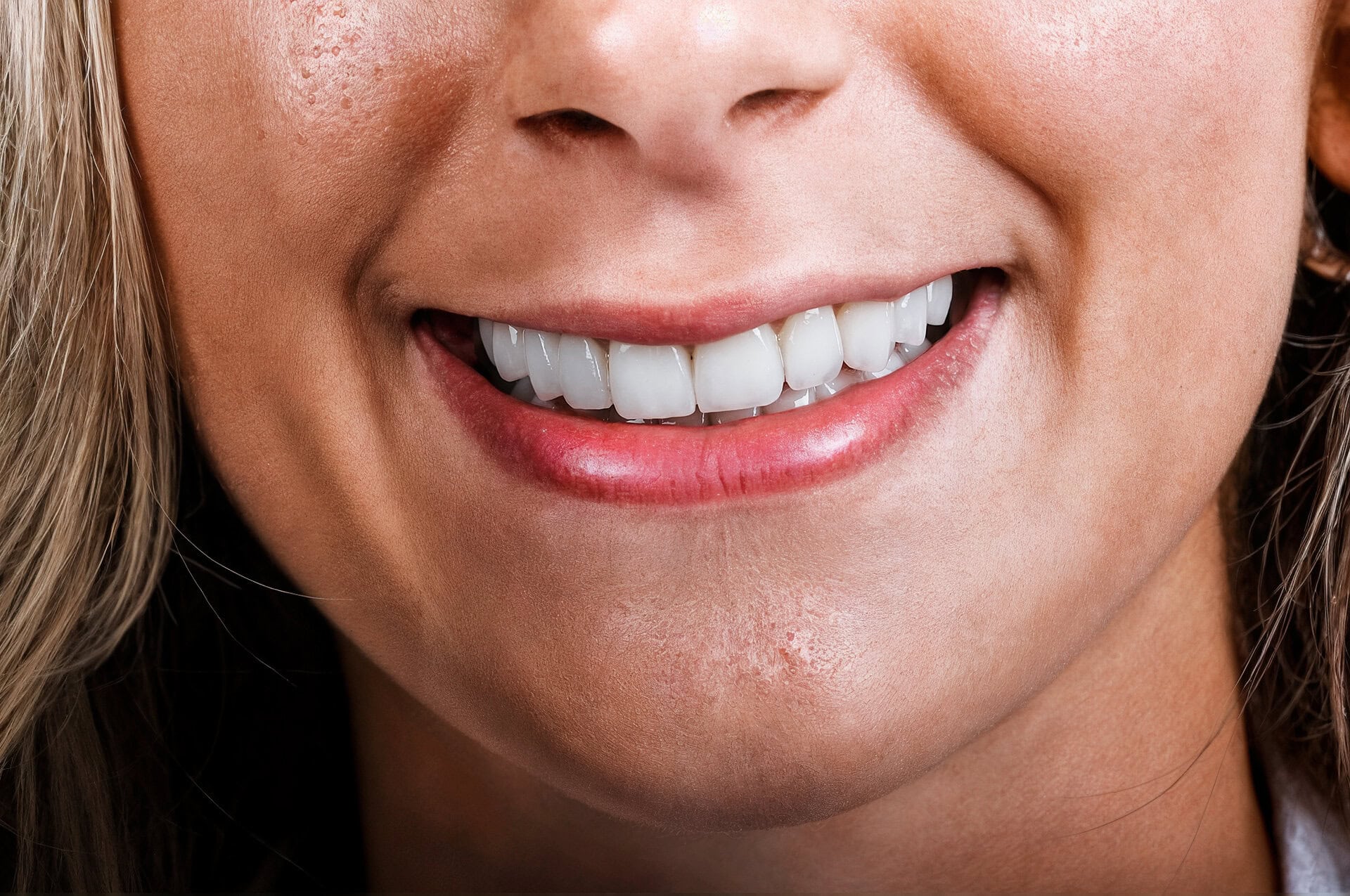
In addition to improving the appearance of your teeth, smile design has a positive effect on your overall facial expression, allowing you to have a more attractive, more vibrant and more aesthetic smile. In this way, in addition to improving your aesthetic appearance, it also reinforces your self-confidence. You can have a smile design by applying to an expert and experienced dentist to have a more aesthetic smile that is compatible with your facial features and at the same time to avoid having to close your mouth while laughing or talking.
What are the Advantages of Smile Design?
Smile design is a comprehensive process consisting of various procedures to improve the aesthetics of teeth and gums and oral health. In this context, the smile design procedure has a number of advantages:
- Within the scope of the smile design procedure, various treatments are applied to straighten, whiten or aesthetically improve the appearance of the teeth. The appearance obtained as a result of the treatments applied can increase the individual's self-confidence and have a more aesthetic smile.
- Having an aesthetically satisfying smile can help the individual make a more positive impression in social interactions. From this point of view, it can be clearly stated that smile design makes a person feel more comfortable and helps them to improve their social relationships.
/ Additional Advantages and Duration of Smile Design
Additional advantages of smile design are described below.
- Having a good appearance and a beautiful smile can be considered among the factors that increase professional success in some professional groups. For this reason, people who want to make a positive impression in the business world or social environment can get optimum benefit from smile design applications.
- Smile design applications to improve dental aesthetics positively affect the general emotional health of the person. Individuals whose satisfaction with their own appearance increases thanks to smile design applications may also increase their overall quality of life.
- Smile design applications are not only processes that include aesthetic corrections. In addition to these, it also helps to improve oral health. Correcting dental problems, treating cavities and intervening in other oral health problems can significantly contribute to increasing the overall oral health of the individual.
Since smile design is a customizable procedure, it should be taken into consideration that the scope of the procedures and the advantages to be provided may vary individually.
How Long Does Smile Design Take?
The duration of the smile design may vary depending on the procedures to be applied for each patient. Since the procedures to be applied within the scope of smile design vary depending on the current condition of the patient's teeth and gums, structural features, needs and expectations, the time to complete the smile design may also vary. Therefore, how long it will take to complete the smile design will be determined after the patient is examined in detail and the procedures to be applied are planned.
- 1.Londono J, Ghasemi S, Lawand G, Dashti M. Evaluation of the golden proportion in the natural dentition: A systematic review and meta-analysis. J Prosthet Dent 2023;129:696-702. PubMed 34489087
- 2.Saini RS, Kaur K, Gurumurthy V, Binduhayyim RIH, Kaushik A, Kuruniyan MS, et al. Impact of artificial intelligence-based digital smile design on patient and clinician satisfaction and facial esthetic outcomes: A systematic review and meta-analysis. Digit Health 2025;11:20552076251388392. PubMed 41122427
- 3.Alwabel LK, Alabduljabar WM, Alawfi LK, Al Johani NK, Alharbi LE, Kharif MA, et al. Digital Smile Design and Patient-Centered Outcomes in Esthetic Restorative Dentistry: A Systematic Review. Cureus 2025;17:e98084. PubMed 41473620
- 4.Pradies G, Gil A, Morón-Conejo B, Bonfanti-Gris M, Martínez-Rus F, Pérez-Barquero JA, et al. Comparative Influence of Marginal Design and Digital Scanning Accuracy on the Clinical Longevity of Ceramic Restorations: An Evidence-Based Approach. Consensus Statement From SSRD, SEPES, and PROSEC Conference on Minimally Invasive Restorations. J Esthet Restor Dent 2025;37:756-760. PubMed 40186389
- 5.Klein P, Spitznagel FA, Zembic A, Prott LS, Pieralli S, Bongaerts B, et al. Survival and Complication Rates of Feldspathic, Leucite-Reinforced, Lithium Disilicate and Zirconia Ceramic Laminate Veneers: A Systematic Review and Meta-Analysis. J Esthet Restor Dent 2025;37:601-619. PubMed 39523553
- 6.Pjetursson BE, Pitta J, Balet A, Bjarnadottir GR, Sailer I, Romandini P. A Systematic Review and Meta-analysis Evaluating the Survival, Failure, and Complication Rates of Metal-Ceramic, Veneered, and Monolithic All-Ceramic Tooth-Supported Single Crowns-Part 1. Int J Prosthodont 2026;39:308-324. PubMed 41489982

Who is this treatment for?
- Tooth discoloration
- Crooked teeth
- Gum irregularities
- One or more missing teeth
- Visual and form defects in the teeth
- Feeling obliged to hide teeth or close the mouth while smiling
Doctors specialising in this treatment


Frequently asked
01Is Smile Design needed for every treatment?+
For comprehensive aesthetics, Hollywood Smile, multiple veneers, full-mouth restoration, DSD is a standard step. For single-tooth treatment it is optional.
Aesthetic Dentistry
Hollywood Smile
Hollywood Smile is a treatment package in which ten to twenty teeth in the smile line are planned by digital smile design and refaced with veneers or crowns.
Explore→02Teeth Whitening
Teeth whitening in Istanbul: a single in-office session, or a custom tray protocol you continue at home. Both routes measure alike.
Explore→Speak with your doctor about this treatment.
Not sure which treatment fits? Tell us what’s wrong →