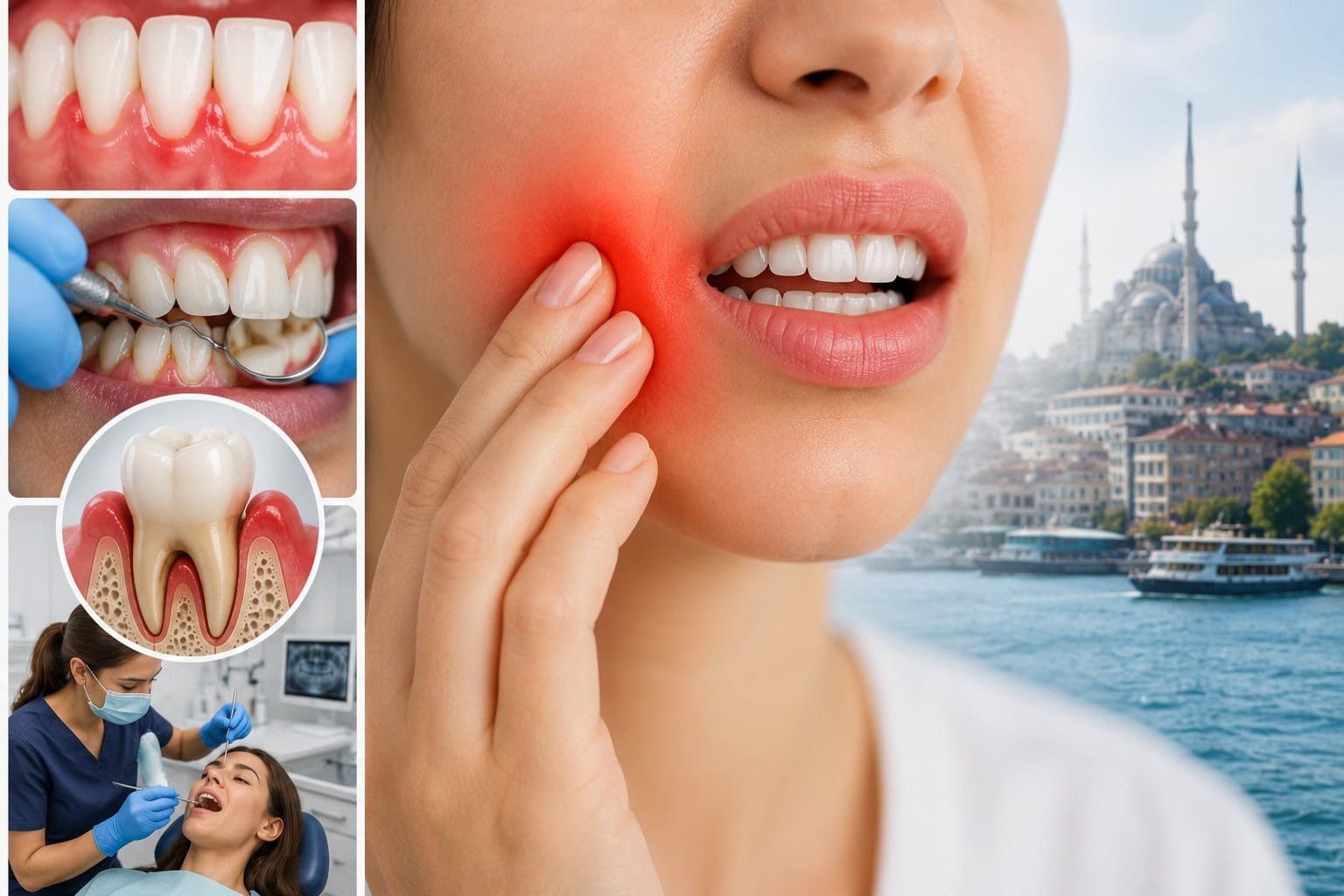
The leading cause of tooth loss is not decay but gum disease (periodontitis), which usually advances without pain. Early detection and two routine periodontal check-ups a year largely prevent irreversible bone loss and the need for more extensive treatment.
- 01More than forty per cent of adults in Turkey are estimated to have some degree of gum disease, and most cases go undiagnosed without a thorough clinical examination.
- 02Plaque becomes a bacterial biofilm within days; left untreated it migrates below the gumline and triggers bone destruction, and horizontal bone loss does not regenerate on its own.
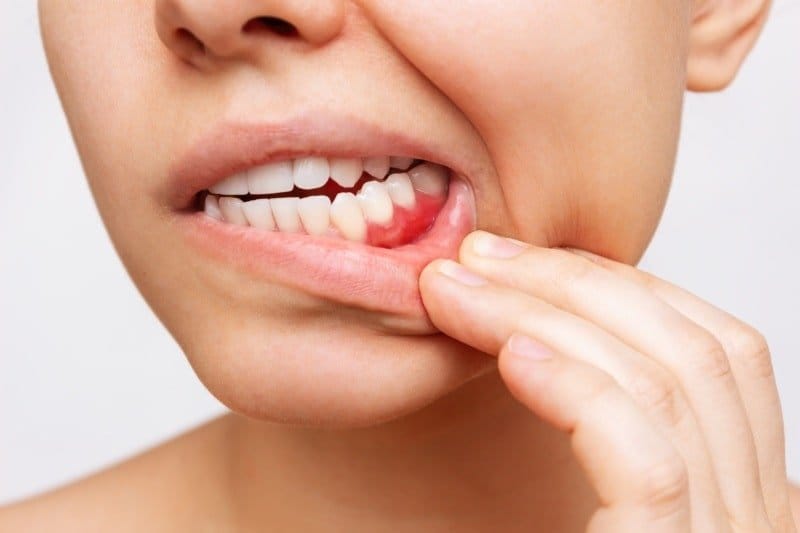
- 03Warning signs include bleeding on brushing, sensitivity, redness and swelling, a sensation of teeth lengthening, and a persistent bad taste. Any one warrants urgent assessment.
- 04Early stages may be managed with scaling and root planing, while advanced cases require periodontal surgery, bone grafting, or guided tissue regeneration.
It is estimated that more than forty per cent of the adult population in Turkey has some degree of gum disease. The majority of these cases remain undiagnosed without a thorough clinical examination. Because early-stage periodontitis is most often painless.

How does periodontitis progress? Plaque accumulating on tooth surfaces forms a bacterial biofilm within days. Left untreated, this biofilm migrates below the gumline and triggers bone destruction. Horizontal bone loss does not regenerate on its own; only contained vertical defects respond to regenerative surgery (4.09 mm clinical attachment gain at 12 months, PubMed 34491446). Which is why periodontitis is rightly called a bone disease.
Warning signs: bleeding on brushing, sensitivity when eating, redness and swelling of the gums, the sensation of teeth lengthening, a persistent bad taste in the mouth. Any one of these signs warrants an urgent periodontal assessment.
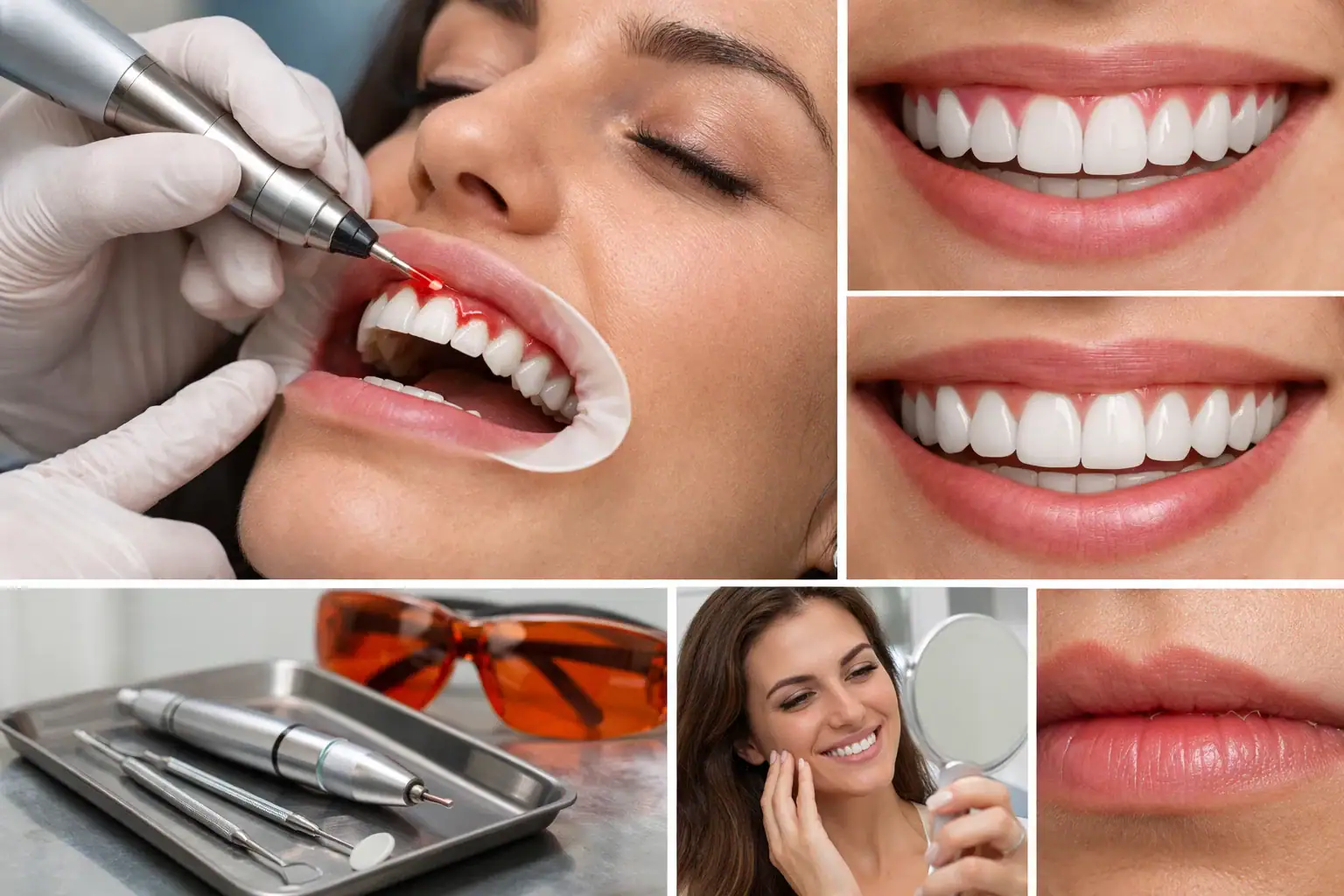
At Mosdent, treatment options are determined case by case: in early stages, professional scaling and root planing (subgingival curettage) may suffice. Advanced cases require periodontal surgery, bone grafting or guided tissue regeneration. Where aesthetics are a concern, pink aesthetics, gingivectomy and gum contouring, are integrated into the treatment plan.
Thirty-four years of practice have taught us one lesson above all others: treating gum disease costs far less than repairing the damage it causes. Two routine periodontal check-ups per year can prevent a large proportion of implant, prosthetic and aesthetic treatments from ever becoming necessary.
Let’s plan the right treatment together.
Free Assessment→