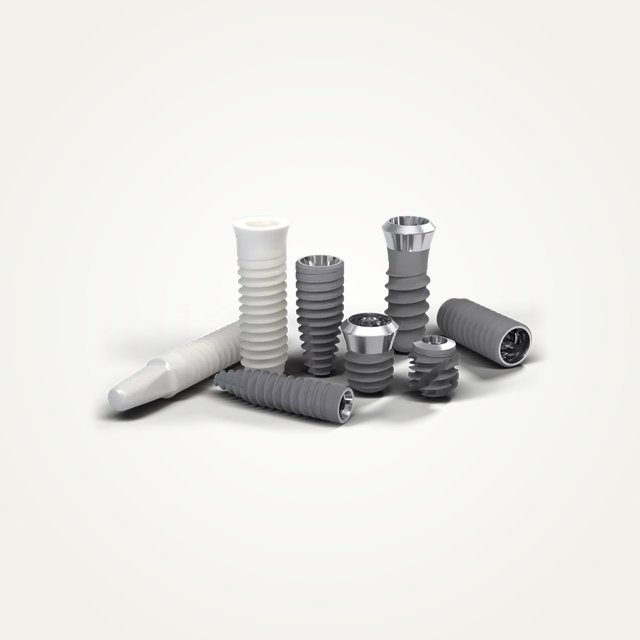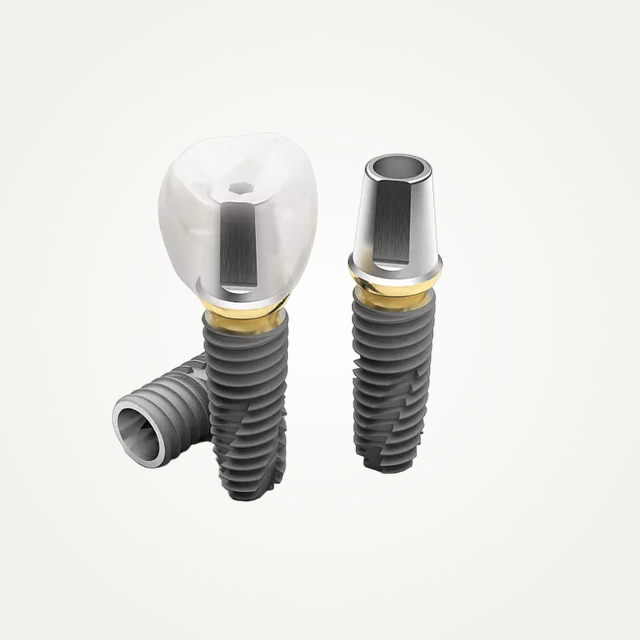
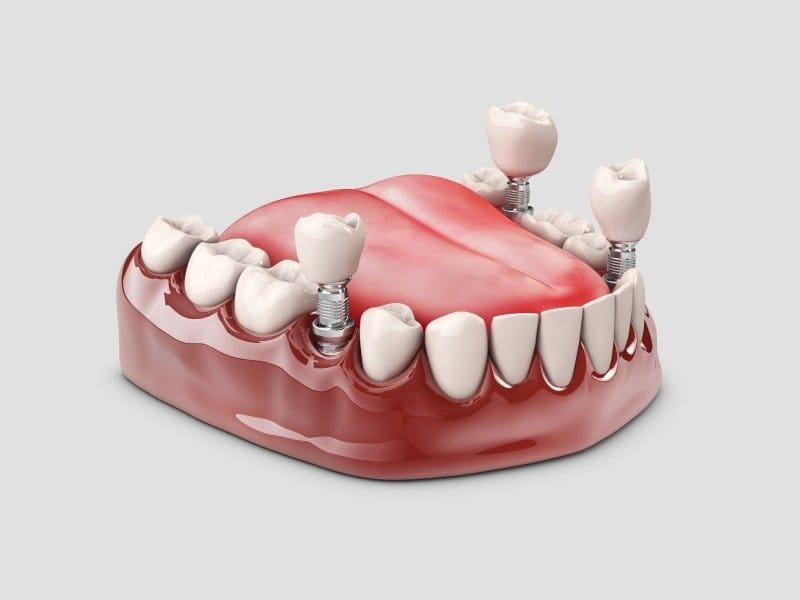
Choosing an implant brand is not an aesthetic detail but a long-term safety decision. Titanium surface technology, clinical research history and a serial-numbered certificate are the variables that determine whether your implant is still stable ten years from now.
- 01The implant system is one of the variables that shape the outcome ten years later, alongside bone volume, site and maintenance.
- 02The technical difference between systems shows in the surface treatment, the connection geometry and the volume of published clinical data.
- 03A serial-numbered certificate ensures continuity of care anywhere in the world.
- 04Mosdent works with only three brands: Straumann, Nobel Biocare, Astra Tech.
When you receive a quote for an implant procedure, the first line reads "Brand". To most guests this name says little. It looks interchangeable, a small detail below the package price.
Two decades of clinical practice point to this: the implant system decision is one of the variables behind what shows up ten years later, and it is usually the least understood line on the quote.
/ Why the specification becomes readable ten years later
The microscopic architecture of the titanium surface influences how readily bone cells accept the implant and how stable it remains over the long term. For the Straumann, Nobel Biocare and Astra Tech surfaces, the volume of published long-term clinical data is a heading you can read in the specification. This is not a matter of laboratory quality but of published follow-up time.
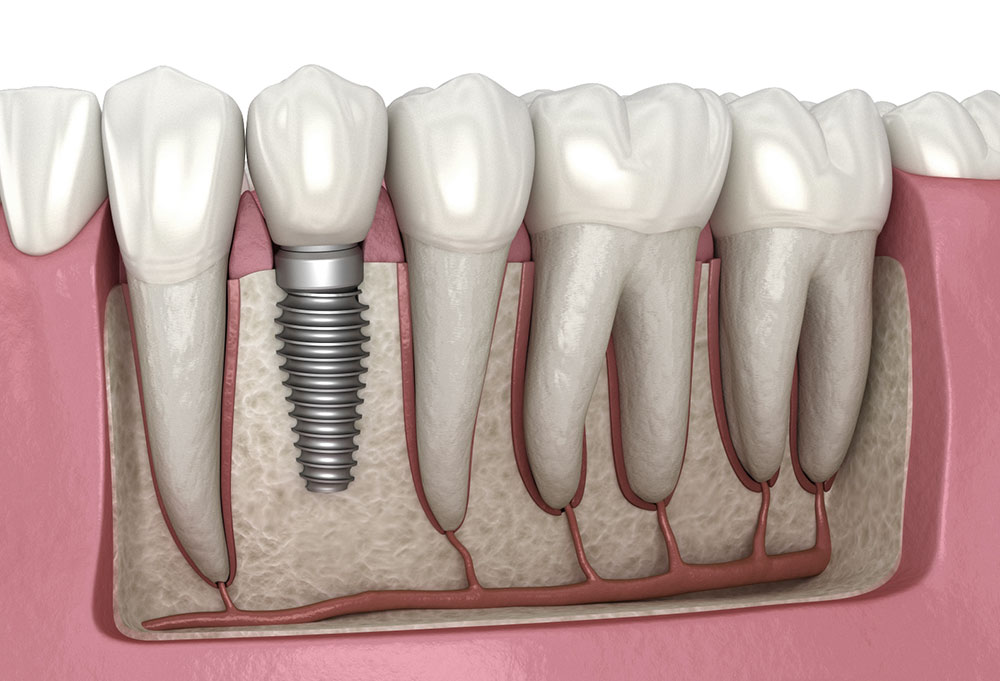
Every implant is handed over with a serial-numbered certificate. The certificate lets any dentist, years later, identify the system and continue treatment.
/ What to read in an implant system specification
The difference never shows on the quote; it surfaces over the years. The table below sets out the questions worth asking about any system, whichever one it is.
| Criterion | What to ask |
|---|---|
| Surface treatment | What is the surface called, and is there independent published clinical data for it |
| Survival data | Which cohort does the figure come from, how many implants, how many years of follow-up |
| Connection geometry | Conical or external, and are the components compatible with other systems |
| Component access | For how many years can abutments and prosthetic parts be sourced |
| Certificate & traceability | Is a serial-numbered certificate issued |
What to look for when deciding
- The system’s clinical-publication history and follow-up duration
- Long-term access to abutments and spare parts
- Whether a serial-numbered certificate is provided
/ What the certificate does ten years later
The implant certificate, a document we hand to every guest with the serial number, is the concrete trace of that promise. Ten years later, anywhere in the world, a dentist can see the exact brand and model of your implant and continue treatment naturally.
Ten years from now, a dentist anywhere in the world should be able to read your implant’s brand and continue treatment without missing a step.
The result of a system decision is read not on day one but in year ten. That is why we open up that line on the quote together at consultation: which system, which surface, which connection, and on which published data it rests.
Let’s plan the right treatment together.
Free Assessment→