Aesthetic dentistry, also called cosmetic dentistry, is the branch that changes the appearance of teeth, gums and the smile line using whitening, veneers, crowns, clear aligners and gum contouring, rather than treating disease alone. Its effect on confidence is measurable through oral health-related quality of life: a systematic review of 33 articles reporting Oral Health Impact Profile data on 9,409 patients in 63 populations found median oro-facial appearance impact scores from 0.13 in tooth wear populations to 3.04 in tooth whitening populations on a standardised 0 to 8 scale, a moderate impact overall (PubMed 32196720).
- 01Appearance is one of four measured dimensions of oral health-related quality of life, alongside oral function, oro-facial pain and psychosocial impact, which is why an aesthetic complaint is a clinical finding rather than vanity (PubMed 32196720).
- 02Median oro-facial appearance impact ranged from 0.13 for tooth wear populations to 3.04 for tooth whitening populations on a 0 to 8 scale, across 33 articles covering 9,409 patients (PubMed 32196720).
- 03A veneer and a crown are restoration types and bonding is a technique; porcelain, lithium disilicate, zirconia and composite resin are the materials they are made from, so the two are not choices on the same axis.
- 04In 66 patients with 580 porcelain laminate veneers followed up to 12 years, overall cumulative survival was 86%, rising to 99% where the preparation stayed within enamel and 94% where only the margins were in enamel (PubMed 23342345).
- 05How much tooth is removed decides durability more than the ceramic brand does: veneers bonded to dentin were roughly 10 times more likely to fail than those bonded to enamel, and coronal crown lengthening raised failure risk 2.3 times (PubMed 23342345).
Self-confidence is a valuable quality that influences our daily lives, social interactions, and overall well-being. Moreover, our smile plays an essential role in this confidence. A radiant and harmonious smile can enhance the image we have of ourselves and the way others perceive us. This is where cosmetic dentistry comes into play, offering modern solutions to change the appearance of your smile and your confidence with it.
/ What is Aesthetic Dentistry?
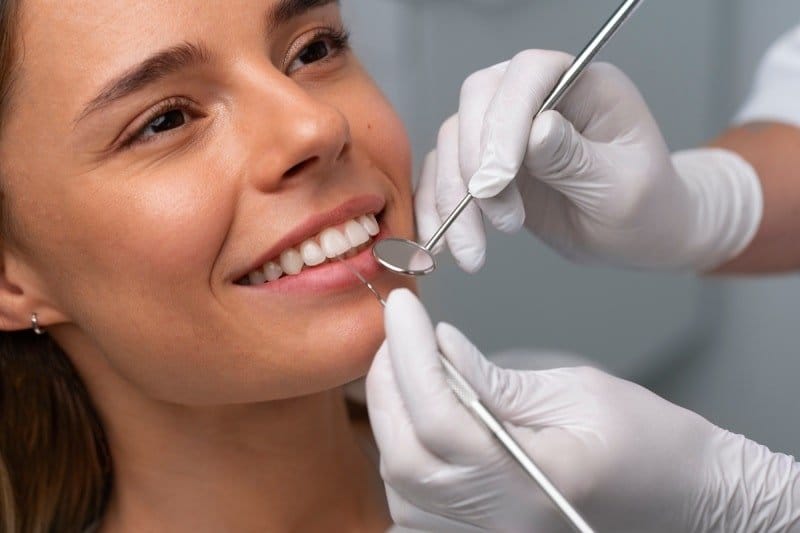
Aesthetic Dentistry or cosmetic dentistry is a branch of dental medicine dedicated to improving the appearance of teeth, gums, and the smile as a whole. Unlike general dentistry, which focuses primarily on oral health, cosmetic dentistry aims to restore or enhance the aesthetics of your smile.
Among the common treatments in cosmetic dentistry are:
- Teeth Whitening:
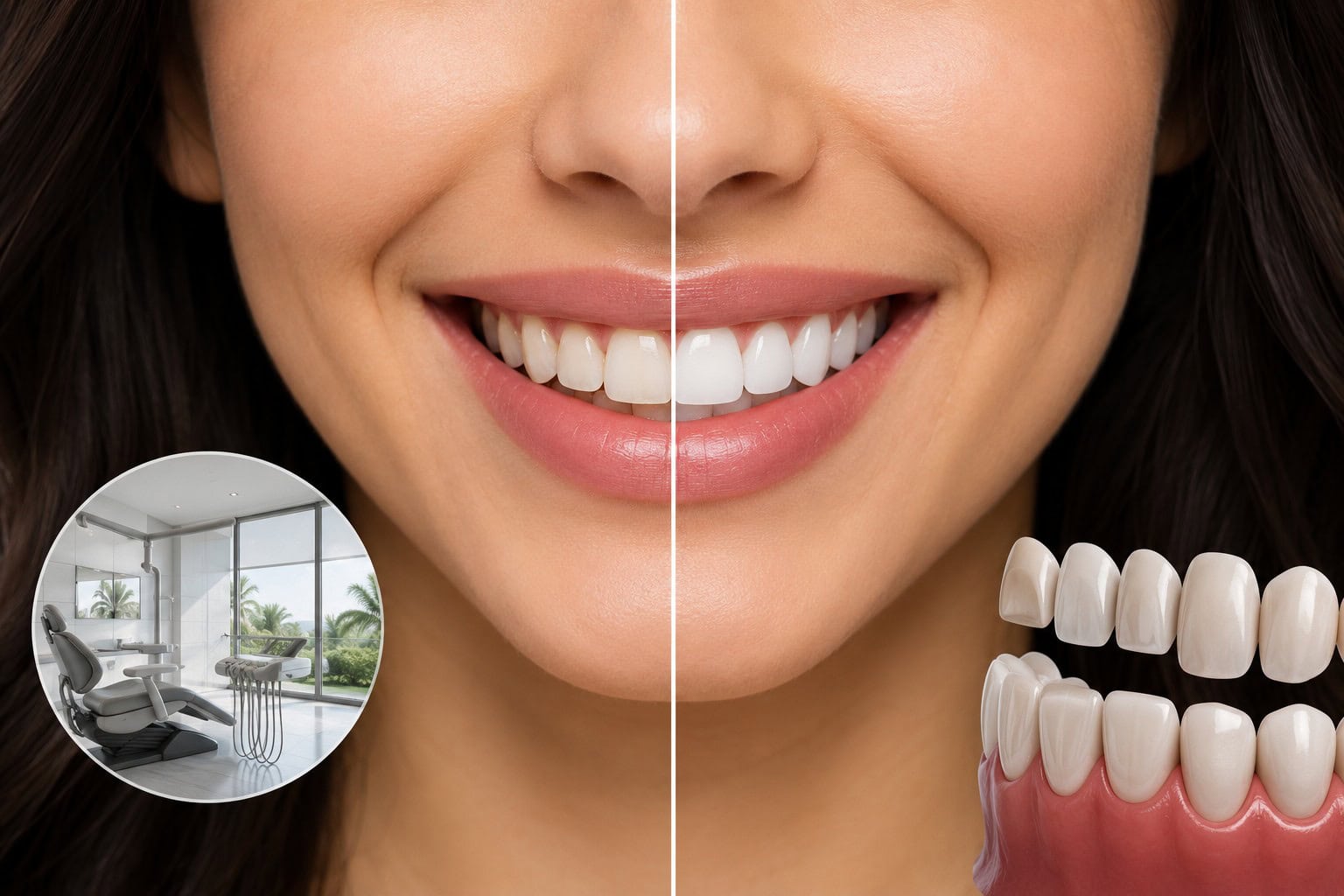
Teeth whitening is one of the most sought-after cosmetic dental treatments. It involves using bleaching agents like hydrogen peroxide or carbamide peroxide to lighten the natural color of teeth. This procedure effectively removes stains caused by coffee, tea, wine, smoking, or aging. It’s a non-invasive procedure that significantly enhances a smile, making it brighter and more radiant.
- Dental Veneers:
Dental veneers are thin shells, typically made from porcelain or composite resin, that are bonded to the front surface of teeth. These are ideal for addressing a variety of aesthetic issues, such as discolored, chipped, misshapen, or slightly misaligned teeth. Veneers are custom-made to match the color and shape of the patient’s natural teeth, creating a natural-looking result. This treatment is minimally invasive and provides a long-lasting solution for improving the appearance of teeth.
- Dental Crowns:
Dental crowns are a restorative and aesthetic solution for teeth that are severely damaged, decayed, or discolored. A crown is essentially a "cap" placed over the affected tooth, restoring its shape, size, strength, and appearance. Crowns are commonly made from porcelain, metal, or a combination of materials. They are custom-designed to blend with the surrounding teeth, offering both functionality and a natural look. This treatment improves the look of the tooth and protects it from further damage.
- Invisible Orthodontics:
Invisible orthodontics , commonly referred to as clear aligners (such as Invisalign), is a modern approach to teeth straightening. Unlike traditional braces, these aligners are virtually invisible and made from transparent, medical-grade plastic. Patients wear a series of custom-designed aligners that gradually shift their teeth into the desired position. This option is particularly popular among adults and teens due to its discreet appearance, comfort, and convenience, allowing for easier oral hygiene and no dietary restrictions.
- Aesthetic Gum Surgery:
Aesthetic gum surgery focuses on reshaping or restructuring the gumline to enhance the overall appearance of the smile. It is particularly effective for correcting a "gummy smile" where excessive gum tissue is visible when smiling, or for evening out an uneven gumline. Procedures may include gum contouring using a laser or traditional surgery. This treatment harmonizes the proportions of the teeth and gums, creating a balanced and more aesthetically pleasing smile. It can also be combined with other dental procedures for comprehensive smile makeovers.
These modern techniques offer natural and long-lasting results, tailored to your specific needs.
/ The Link Between the Smile and Self-Confidence
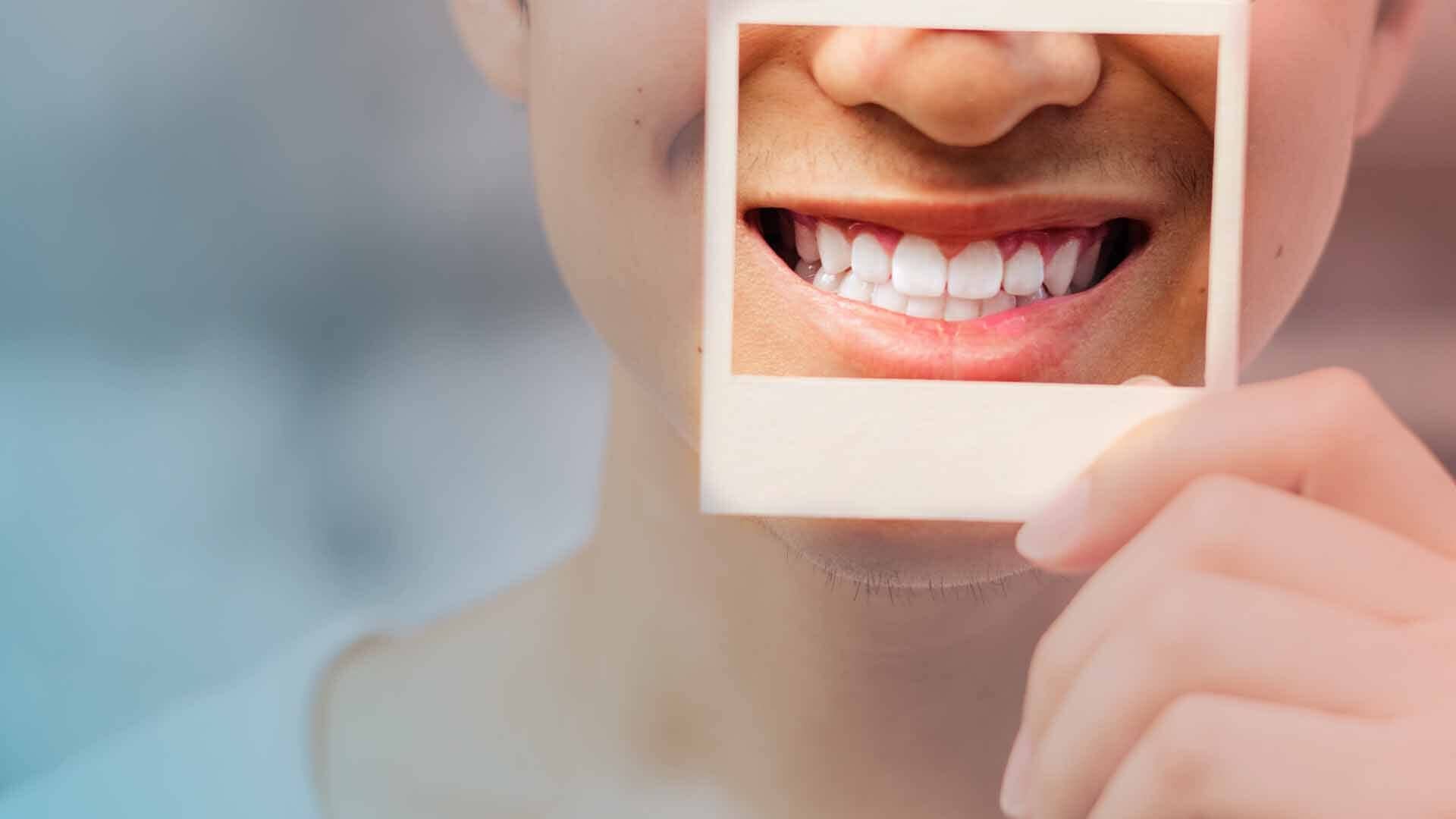
A harmonious smile is often perceived as a sign of health, vitality, and success. It directly influences several aspects of life:
- Social Interactions: A beautiful smile facilitates human connections because it inspires trust and sympathy.
- Professional Career: A polished appearance, including a radiant smile, can play a role in professional perception.
- Personal Well-Being: Having a pleasant smile in the mirror can improve mood and reduce anxiety.
Conversely, stained, misaligned, or damaged teeth can cause embarrassment and lead some people to avoid smiling or hide behind their hands when speaking. These behaviors can limit personal and professional opportunities.
/ The Benefits of Cosmetic Dentistry for Your Confidence
- A Radiant Smile, Better Self-Esteem
White and well-aligned teeth can transform the way you see yourself. Teeth whitening, for instance, is a simple and quick treatment that can remove years of stains caused by coffee, tea, or tobacco.
- Immediate Improvement in Appearance
Veneers and dental crowns offer effective solutions to correct visible imperfections such as cracks, chipped teeth, or dental gaps. These visible transformations can boost confidence as soon as the treatment is completed.
- A Harmonious Smile for Confident Communication
Modern orthodontic techniques, such as invisible aligners, allow teeth alignment corrections without traditional metal braces, often perceived as unattractive. Better dental harmony makes your facial expressions more engaging.
- A Solution Adapted to Every Problem
Cosmetic dentistry offers tailored treatments. Whether you are concerned about a single tooth or the overall appearance of your smile, there is a solution for you. This gives you a sense of control over your appearance.
- Long-Lasting Satisfaction
Aesthetic dentistry treatments are designed to be durable. This means that results, if well maintained, can last for many years, strengthening confidence over the long term.
/ Steps of a Cosmetic Dentistry Treatment
- Initial Consultation: A dentist evaluates your smile and discusses your aesthetic goals.
- Personalized Treatment Plan: Each patient receives a tailored plan based on their needs and budget.
- Procedure: Treatments can vary in duration, ranging from a few hours (whitening) to several months (invisible orthodontics).
- Follow-Up and Maintenance: Regular care helps maintain results over the long term.
/ Is Cosmetic Dentistry Right for You?
If you have ever felt self-conscious about the appearance of your teeth or avoided smiling because of it, cosmetic dentistry may be a solution. It is suitable for people of all ages, with options tailored to the specific needs of young adults, mature adults, or seniors.
Frequently Asked Questions About Aesthetic Dentistry
- Is teeth whitening dangerous for teeth?
No, professional whitening is safe when performed under the supervision of a dentist. The products used in clinics are controlled and do not damage tooth enamel.
- How long do the results of an aesthetic treatment last?
This depends on the treatment. For instance, whitening can last from 6 months to 2 years, while dental veneers can remain in place for up to 15 years with proper care.
- Are the treatments painful?
Most aesthetic treatments, such as whitening or veneers, are minimally invasive and cause little to no discomfort. Local anesthetics can be used for more complex procedures.
- How do I choose the right dentist for an aesthetic treatment?
Choosing a dentist specialized in cosmetic dentistry is essential. Ensure they have a good reputation, solid qualifications, and a portfolio of achievements. An initial consultation can help you assess their approach and expertise.
- What are the risks associated with cosmetic dentistry?
Risks are minimal when a qualified dentist performs the treatment. Temporary side effects, such as increased tooth sensitivity, may occur but usually disappear quickly.
Let’s plan the right treatment together.
Free Assessment→- 1.Larsson P, Bondemark L, Häggman-Henrikson B. The impact of oro-facial appearance on oral health-related quality of life: A systematic review. J Oral Rehabil 2021;48:271-281. PubMed 32196720
- 2.Gurel G, Sesma N, Calamita MA, Coachman C, Morimoto S. Influence of enamel preservation on failure rates of porcelain laminate veneers. Int J Periodontics Restorative Dent 2013;33:31-9. PubMed 23342345