Prepless lamina is an ultra-thin ceramic shell bonded to the front surface of a tooth with little or no enamel removal, which is why it is usually placed without anaesthesia and why most patients report pressure rather than pain while the shells are seated. Short-lived sensitivity to hot and cold can follow bonding and settles quickly. Staying inside enamel is not only a comfort question but a survival one: in a review of 580 porcelain laminate veneers in 66 patients followed up to 12 years, survival was 99 percent where the preparation stayed within enamel and 94 percent where only the margins were in enamel (PubMed 23342345).
- 01Prepless lamina describes a preparation approach rather than a material: ultra-thin ceramic shells bonded onto intact enamel instead of a reduced tooth surface.
- 02The bonding substrate drives the outcome: 99 percent survival with preparations confined to enamel, 94 percent with enamel only at the margins, and roughly ten times the failure risk once bonding reaches dentin, across 580 veneers followed up to 12 years (PubMed 23342345).
- 03Ceramic laminate veneers as a class are durable: pooled survival at 10.4 years was 96.13 percent for feldspathic, 93.70 percent for leucite-reinforced glass-ceramic and 96.81 percent for lithium disilicate across 29 studies (PubMed 39523553).
- 04Comfort is high but not absolute. Anaesthesia is usually unnecessary because there is little or no drilling, and transient thermal sensitivity after bonding is the common complaint.
- 05Candidacy is a filter, not a formality: active decay, structural damage and untreated gum disease are treated first, because the technique depends on sound enamel to bond to.
Are you tired of feeling anxious about dental procedures? The good news is that advancements in cosmetic dentistry have made it possible to enhance your smile without fearing pain. Enter prepless lamina, a revolutionary treatment designed for those who desire a stunning smile without the invasive aspects of traditional veneers. As more people seek options that promise a gentle touch, many wonder: Is prepless lamina truly pain-free? Let's dive into what you can expect from this innovative procedure and discover if it's the right choice for you.
/ What is Prepless Lamina, and How is it Applied?
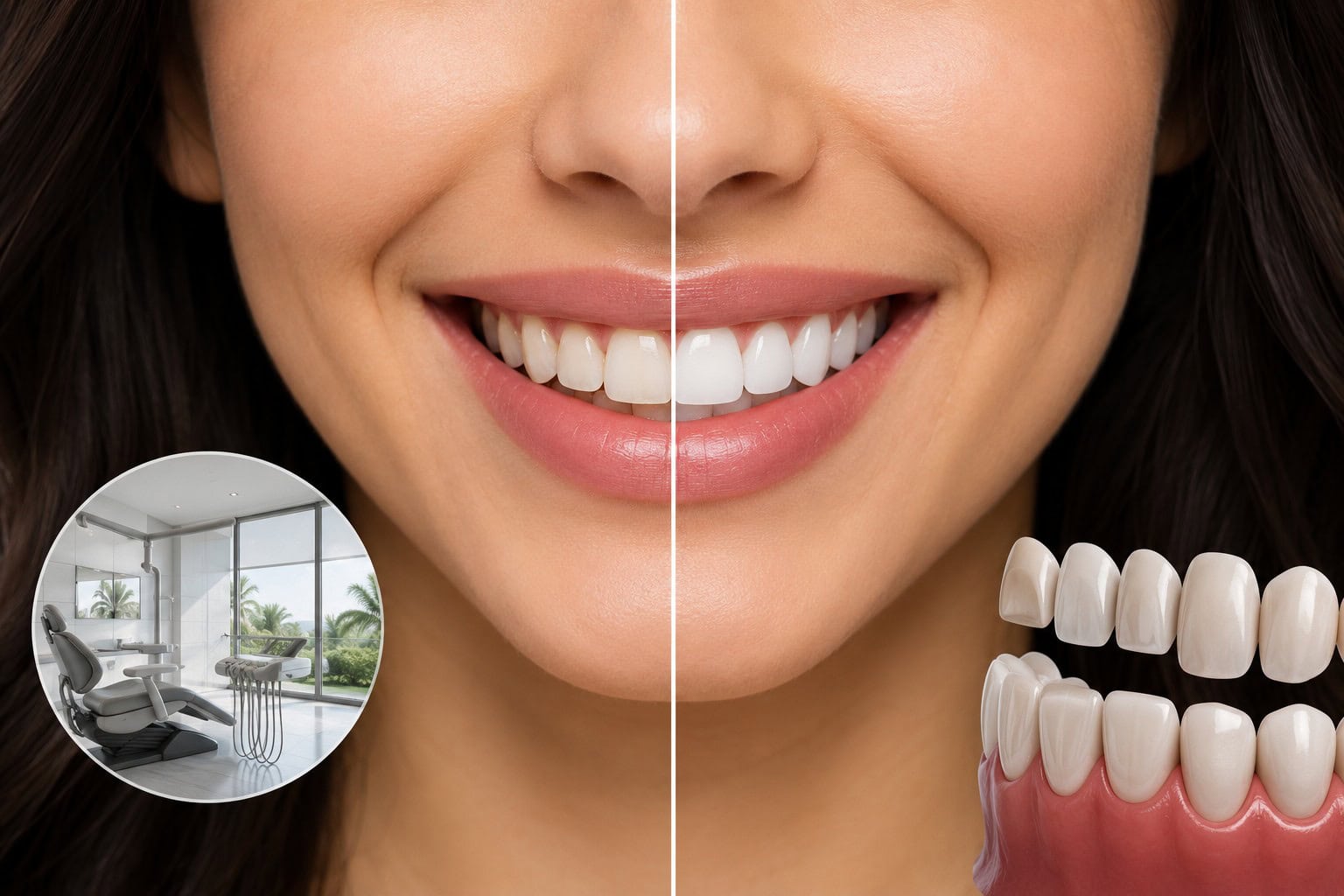
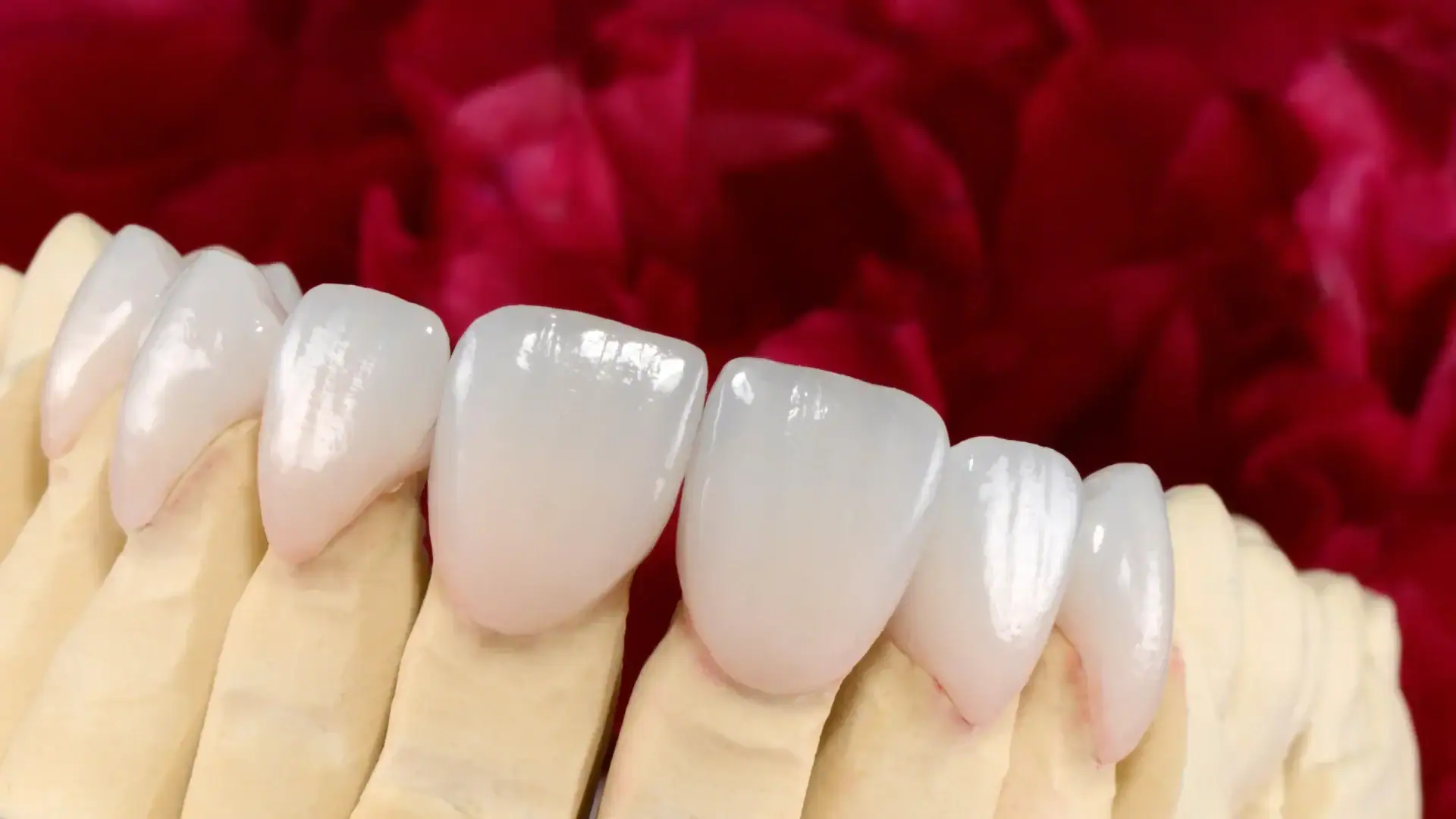
Prepless lamina is a modern cosmetic dental solution designed to enhance your smile without requiring extensive tooth reduction. Unlike traditional veneers, which often require significant enamel removal, prepless lamina applies ultra-thin shells directly onto the teeth.
The application process begins with a consultation where your dentist assesses your needs and discusses design options. Custom-made laminas are crafted using advanced technology once you agree on the desired look.
When it's time for placement, minimal preparation is needed. The dentist gently cleans your teeth and ensures each lamina fits perfectly before bonding them. This method preserves more of your natural tooth structure and minimizes discomfort during treatment.
Patients appreciate this approach's efficiency and aesthetic results while avoiding long recovery times commonly associated with more invasive procedures.
/ Prepless Lamina Treatment: What Will You Feel During and After the Procedure?
During the prepless lamina treatment, you can expect a comfortable experience. The procedure typically involves minimal preparation of your natural teeth. This means less drilling and reduced sensitivity.
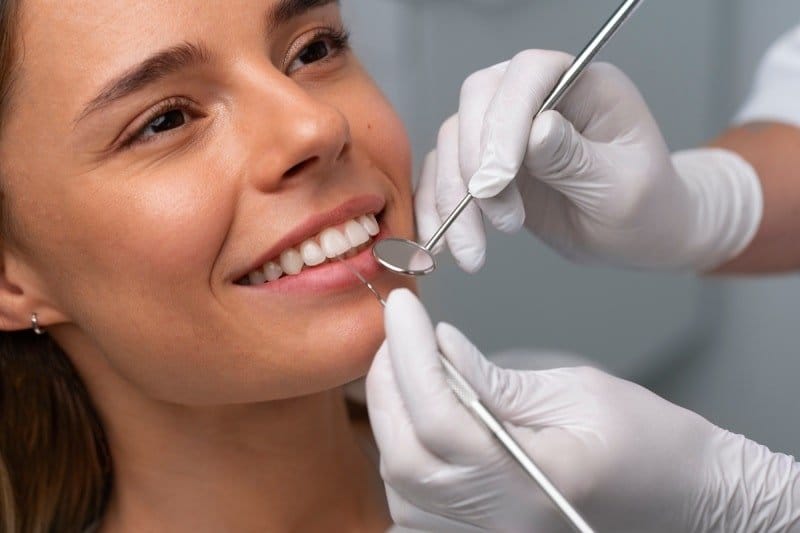
While your dentist applies the thin ceramic veneers, you may feel slight pressure but rarely pain. Most patients describe it as a gentle sensation rather than discomfort.
Afterwards, many individuals walk away feeling satisfied with their instant smile transformation. Some minor sensitivity to hot or cold might occur for a short period. This is usually temporary and resolves quickly.
Pain-free dental advancements make this procedure appealing to those anxious about traditional treatments. With proper care, your new lamina will enhance your smile without significant side effects!
/ What to Expect Before and After Prepless Lamina Treatment?
Before your prepless lamina treatment, a consultation with your dentist is essential. They will evaluate your teeth and discuss your cosmetic goals. This step helps ensure you're a good candidate for this innovative procedure.
On the day of the treatment, expect a relaxed environment. The application process usually doesn't require anaesthesia since it's designed to be pain-free dental care.
Afterwards, you may notice slight sensitivity; however, most patients feel comfortable immediately. New veneers should blend naturally with natural teeth, offering an instant smile upgrade.
Post-treatment instructions are straightforward: maintain good oral hygiene and avoid hard foods initially to allow everything to settle correctly. Returning for follow-up appointments ensures everything looks perfect and functions well over time.
/ Who is a Suitable Candidate for Prepless Lamina Treatment?
Prepless lamina treatment is an attractive option for many, but it's not suitable for everyone. Suitable candidates typically have healthy teeth and gums. If your dental structure is intact and you're looking to enhance the appearance of your smile without extensive drilling or discomfort, prepless lamina could be ideal.
Those with minor cosmetic concerns, such as discolouration, small gaps, or slightly misaligned teeth, often find this treatment beneficial. It's also great for individuals who are anxious about pain during dental procedures.
However, if you have significant tooth decay, structural issues, or gum disease, it's essential to address those problems first before considering any cosmetic enhancements like prepless lamina.
Consulting with a qualified dentist can help determine if this procedure aligns with your oral health needs and aesthetic goals. They will evaluate your condition thoroughly and guide you toward the best course of action to achieve that perfect smile safely and effectively.
Let’s plan the right treatment together.
Free Assessment→- 1.Gurel G, Sesma N, Calamita MA, Coachman C, Morimoto S. Influence of enamel preservation on failure rates of porcelain laminate veneers. Int J Periodontics Restorative Dent. 2013;33(1):31-39. PMID 23342345
- 2.Klein P, Spitznagel FA, Zembic A, et al. Survival and complication rates of feldspathic, leucite-reinforced, lithium disilicate and zirconia ceramic laminate veneers: a systematic review and meta-analysis. J Esthet Restor Dent. 2025;37(3):601-619. PMID 39523553