
Oral & Maxillofacial Surgery
Oral and dental surgery, a four-year dental specialty in Turkey, covers impacted tooth removal, implant placement, root-end resection and jaw fracture repair.
- Fully-equipped operating theatre
- Dedicated anaesthesia team
- Experience with complex cases
First consultation free · same-day reply · no price pressure
Written by: Dr Ömer Faruk Şarkbay, PhD · Medically reviewed by: Dr Hakan Kaval
Oral and dental surgery covers the surgical procedures of the mouth and jaws: removal of erupted and impacted teeth, implant placement, root-end resection, pre-prosthetic tissue surgery, cyst management and jaw fracture repair. In Turkey it is a four-year dental specialty, one of the nine listed in Schedule 2 of Law 1219, and it sits in a different register from the five-year medical specialty of oral and maxillofacial surgery in Schedule 1. Its most frequent operation is lower wisdom tooth surgery. Pooling 7,115 teeth from 4,477 patients, coronectomy reduced inferior alveolar nerve injury against full extraction (RR 0.1, 95% CI 0.0-0.2; PubMed 39956152).
- 01Two Turkish specialties share a similar name and confer different scope. Ask which register the named surgeon holds: the dental specialty of oral and dental surgery (four years, Schedule 2 of Law 1219) or the medical specialty of oral and maxillofacial surgery (five years, Schedule 1).
- 02Coronectomy is the deliberate removal of the crown with the roots left in bone. It lowers nerve injury and dry socket (RR 0.4, 95% CI 0.3-0.7) but carries its own cost: 3.63% of cases needed a second operation and 2.79% failed technically (PubMed 39956152). A written plan should state which of the two techniques is intended.
- 03Routine antibiotics for every extraction are not supported by the size of the effect. Cochrane data put the reduction in post-surgical infection at about 66% (RR 0.34, 95% CI 0.19-0.64), yet 19 patients must be treated to prevent one infection, on low-certainty evidence (PubMed 33624847). A network meta-analysis of 2,428 lower third molars gives numbers needed to treat of 25 for dry socket and 18 for surgical site infection (PubMed 37612199).
- 04Claims that a particular surgical technique lowers complications run ahead of the evidence. Across 62 randomised trials and 4,643 participants, flap design, lingual retraction, bone removal method and irrigation showed no decisive difference, and 53% of the trials were at high risk of bias (PubMed 32712962).
- 05Anaesthesia is quoted and consented separately from the surgery itself. The demand behind it has been measured, with dental fear affecting an estimated 15.3% of adults (95% CI 10.2-21.2) and severe dental fear 3.3%, across 31 studies and 72,577 people (PubMed 33711405).
In our clinic, diagnostic and treatment procedures covering all disorders of the soft tissues in the mouth, teeth, jaws and jaw joint are performed. Depending on the type of procedure and patient compliance, surgical procedures can be performed under local anesthesia, conscious sedation or general anesthesia.
| At a glance | |
|---|---|
| Duration | Case-dependent |
| Materials Used | Fully equipped operating theatre |
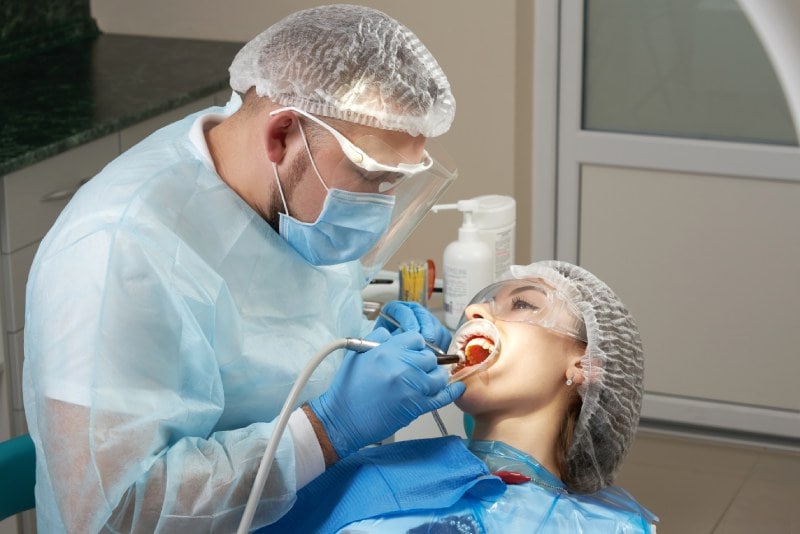
Oral, Dental and Maxillofacial Surgery Treatments
- Extraction of erupted or impacted teeth with indication for extraction.
- Dental implant applications and implant surgery.
- Root tip resections.
- Surgical arrangement of soft and hard tissues in the mouth before prosthesis.
- Surgical and non-surgical treatment of temporomandibular joint diseases.
- Treatment of cystic or tumoral formations in soft and hard tissues.
- Treatment of infections in the jaw and facial region.
- Treatment of jaw fractures caused by trauma or other factors.
- Treatment of patients with dentist phobia under general anesthesia and sedation.
Implant Applications
Dental implants are among the most commonly used treatment options for missing teeth today. They are placed in the jawbone and mimic a normal tooth. With regular check-ups and good care, they can be used for many years.
Patients usually return to work the next day and can regain their teeth in about 3 months. Implant treatments can now be applied in many patient groups thanks to sinus elevation procedures and bone grafts applied by our specialist physicians when necessary.
Implant Treatment
- Dental implants are an option that allows us to offer patients the closest solution to nature in some tooth deficiencies.
- Dental implants made of titanium materials with proven biocompatibility, placed in the jawbone, are an effective, long-lasting and aesthetic method.
Treatment Time
- The surgical operation part of the implant treatment is completed in 10-15 minutes. While no pain is felt in this process, there may be very mild pain and tingling for the following 1-2 days.
- After 2-3 months for the implants to integrate into the jawbone, the prosthesis part can be delivered to the patient within 1 week.
How Oral & Maxillofacial Surgery Turkey treatments are performed
Impacted Tooth Extractions
In our clinic, embedded and normal tooth extractions are performed by our specialist physicians under sterile conditions. After the extraction, our patients are informed in terms of pain, swelling and bleeding in line with the information given by our physician and necessary controls are provided after the procedure.
Treatment of Temporomandibular Joint Disorders
Diagnosis and treatment of joint disorders, which have increased recently, are carried out in our clinic. Thanks to Botox and arthrocentesis applications for joint disorders, many complaints of patients such as pain and restriction in opening the mouth are eliminated.
Cyst and Tumor Treatments
Cysts and tumors occurring in the soft and hard tissues associated with the jaw and facial region are diagnosed and treated. After treatment, appropriate reconstruction methods are applied and regular controls are carried out by our specialist physicians.
Treatment of Jaw Fractures
Diagnosis and treatment of jaw fractures due to trauma or pathological factors are carried out with great care in our clinic. When necessary, the operation is planned under general anesthesia and patient maintenance is ensured.
Treatment Process
- 01Consultation: Initial examination and needs assessment; imaging where required.
- 02Treatment: Case-specific surgical protocol; typically under sedation or general anaesthesia.
- 03Follow-up: Outcome review and aftercare guidance.
Planning Travel Around Oral Surgery
A flight after oral surgery is usually booked at least 72 hours after a surgical extraction or implant placement, and much later after a sinus lift. A 2023 review on dental tourism and air travel set the minimum gap at 24 hours after restorative treatment such as a filling, 24-48 hours after a simple extraction, 72 hours after a surgical extraction or implant placement and at least two weeks after a sinus lift; the gap it recommends is one week after most dental procedures and six weeks after a sinus lift (PubMed 36707585). The concern is the change in cabin pressure, which can cause barodontalgia, a pressure-related tooth pain, and barotrauma in a site that has not yet healed.
These intervals are guidance rather than a fixed rule. The authors found little research on the question, most of it in military aircrew whose flights differ from commercial travel, and they present the figures as a starting point that the surgeon adapts to the patient, the procedure, any complication and the flight itself (PubMed 36707585).
The return date also has to leave room for the first days of healing. In a prospective cohort of 4,004 people who had 8,748 wisdom teeth removed, patients were unable to carry out normal daily activities for a mean of 1.4 days and a median of 1 day (PubMed 21256646). Dry socket, the painful loss of the blood clot from an extraction socket, usually starts one to five days after the extraction (PubMed 35877395), so a flight booked for the day after surgery leaves no time to have it checked and treated before departure.
The length of stay depends on the operation, so it is planned case by case once the procedure is known. Bringing the flight dates to the consultation lets the surgeon set the order of procedures around them; of the procedures in the 2023 review, a sinus lift carries the longest interval before flying.
- 1.Law 1219 on the Practice of Medicine and its Branches, Schedules 1 and 2 (Turkish specialty registers and training durations). Legislation Information System
- 2.Kang FW, Yuan XR, Li GC, Yang YFZ, Zhang XM, Hou GY. Coronectomy in Lower Third Molar Surgery: A Systematic Review and Meta-Analysis. J Oral Maxillofac Surg 2025;83:601-615. PubMed 39956152
- 3.Peixoto AO, Bachesk AB, Leal MOCD, Jodas CRP, Machado RA, Teixeira RG. Benefits of Coronectomy in Lower Third Molar Surgery: A Systematic Review and Meta-analysis. J Oral Maxillofac Surg 2024;82:73-92. PubMed 37925166
- 4.Lodi G, Azzi L, Varoni EM, Pentenero M, Del Fabbro M, Carrassi A, et al. Antibiotics to prevent complications following tooth extractions. Cochrane Database Syst Rev 2021;2:CD003811. PubMed 33624847
- 5.Camps-Font O, Sábado-Bundó H, Toledano-Serrabona J, Valmaseda-de-la-Rosa N, Figueiredo R, Valmaseda-Castellón E. Antibiotic prophylaxis in the prevention of dry socket and surgical site infection after lower third molar extraction: a network meta-analysis. Int J Oral Maxillofac Surg 2024;53:57-67. PubMed 37612199
- 6.Bailey E, Kashbour W, Shah N, Worthington HV, Renton TF, Coulthard P. Surgical techniques for the removal of mandibular wisdom teeth. Cochrane Database Syst Rev 2020;7:CD004345. PubMed 32712962
- 7.Silveira ER, Cademartori MG, Schuch HS, Armfield JA, Demarco FF. Estimated prevalence of dental fear in adults: A systematic review and meta-analysis. J Dent 2021;108:103632. PubMed 33711405
- 8.Felkai PP, Nakdimon I, Felkai T, Levin L, Zadik Y. Dental tourism and the risk of barotrauma and barodontalgia. Br Dent J 2023;234:115-117. PubMed 36707585
- 9.Bienstock DA, Dodson TB, Perrott DH, Chuang SK. Prognostic factors affecting the duration of disability after third molar removal. J Oral Maxillofac Surg 2011;69:1272-1277. PubMed 21256646
- 10.Kuśnierek W, Brzezińska K, Nijakowski K, Surdacka A. Smoking as a Risk Factor for Dry Socket: A Systematic Review. Dent J (Basel) 2022;10:121. PubMed 35877395
Planning your stay in Istanbul
How long you stay in Istanbul for Oral & Maxillofacial Surgery and how many visits you need are set in your written plan after the examination.
Flights, arrival and follow-up after you fly home: how we plan your trip to Istanbul
What our guests say.
Real reviews from Google and Trustpilot; guests who had this treatment come first.

I visited for teeth cleaning and teeth whitening, and all of my procedures were completed quickly and professionally. I would like to sincerely thank the patient consultant, Ms. Ecran, for her kindness and support, Dr. Ferit for his excellent care, and Endodontic Specialist Dr. Melike for her prompt diagnosis and treatment. The entire team was friendly, attentive, and professional. I left the hospital very satisfied. Thank you to everyone for their outstanding service.
I recently had a gum graft procedure at Mosdent and had an excellent experience. The dentist was highly skilled, my contact person was very helpful and the overall cost was quite reasonable. The entire team was friendly and professional. I definitely recommend Mosdent.

I recently visited Mosdent for two different procedures—my daughter’s tooth extraction and my own dental implants—and I couldn’t be more impressed! From start to finish, the team was professional, caring, and highly skilled. They made my daughter feel completely at ease during her extraction, ensuring a smooth and pain-free experience. As for my dental implants, the entire process was handled with precision and expertise. The staff took the time to explain everything clearly, and the results have been fantastic! I truly appreciate their exceptional service, friendly approach, and high level of professionalism. If you’re looking for a trustworthy dental clinic that puts patient care first, I highly recommend Mosdent
Super pro and very friendly and concerned about your health not only about your money.
Who is this treatment for?
- Impacted or erupted teeth with an indication for extraction
- People with missing teeth
- Jaw joint pain or restricted mouth opening
- Infections developing in the jaw and facial region
- Cysts or tumors in the jaw or facial region tissues
- Jaw fractures caused by trauma or pathological factors
- Patients with dental phobia
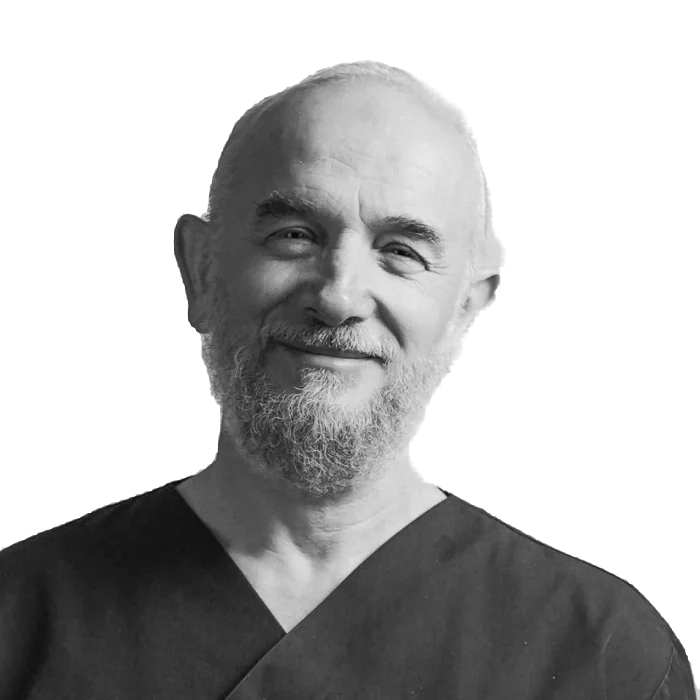
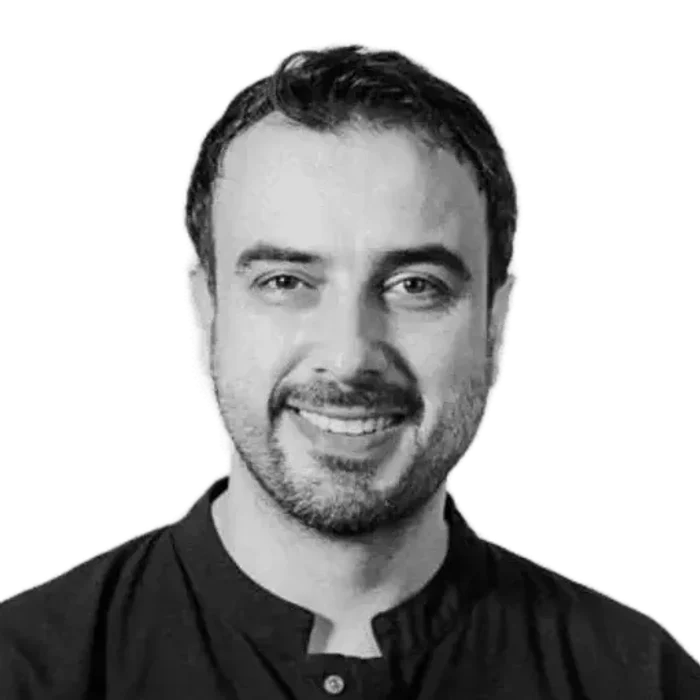
Doctors specialising in this treatment
Frequently asked
01What conditions does oral and maxillofacial surgery cover?+
Impacted teeth, jaw cysts, jaw fractures, salivary gland issues, and oral tissue pathologies are among the primary areas of this specialty. The register matters too: in Turkey this is a four-year dental specialty, one of the nine listed in Schedule 2 of Law 1219.
02Are the procedures painful?+
Procedures are performed under local anaesthesia, sedation, or general anaesthesia. Patients feel no pain during the operation. Adequate post-operative pain management is always provided. Local anaesthesia is a technique that temporarily blocks nerve conduction in the treated area.
03How soon can I fly after oral surgery or a tooth extraction?+
A 2023 review on dental tourism and air travel puts the minimum gap at 24-48 hours after a simple extraction, 72 hours after a surgical extraction or implant placement and at least two weeks after a sinus lift. Its recommended gap is one week after most dental procedures and six weeks after a sinus lift (PubMed 36707585). The evidence comes mostly from military aircrew, so the surgeon adjusts these figures to the procedure and the flight.
04How long is recovery after wisdom tooth removal?+
Most people are back to normal daily activities within a couple of days. In a prospective cohort of 4,004 patients who had 8,748 wisdom teeth removed, the mean time unable to carry out normal activities was 1.4 days and the median 1 day (PubMed 21256646). Older age, female gender, more teeth removed, lower wisdom teeth, full-bony impaction and complications were each linked with a longer recovery.
05Does smoking after oral surgery cause dry socket?+
Smoking is linked with a higher rate of dry socket, the painful loss of the blood clot from an extraction socket. A systematic review of eleven studies found more than three-fold higher odds of dry socket in tobacco smokers, with a combined incidence of about 13.2% in smokers against about 3.8% in non-smokers (PubMed 35877395). The pain of dry socket usually begins one to five days after the extraction.
06Do I need antibiotics after wisdom tooth removal?+
Not in every case. A Cochrane review found that antibiotics may cut infection after wisdom tooth surgery by about 66%, yet 19 people must take them to prevent one infection, on low-certainty evidence (PubMed 33624847). For lower wisdom teeth, a network meta-analysis of 2,428 extractions put the number needed to treat at 25 for dry socket and 18 for surgical site infection (PubMed 37612199). The decision rests on the patient's own health and infection risk.
07What is the difference between an oral surgeon and a maxillofacial surgeon?+
In Turkey these are two separate specialties with different training routes. Oral and dental surgery is a four-year dental specialty listed in Schedule 2 of Law 1219, while oral and maxillofacial surgery is a five-year medical specialty listed in Schedule 1. The scope of practice differs between the two, so it is reasonable to ask which register the named surgeon holds before treatment is planned.
Oral Surgery
Jaw Correction
Jaw correction (orthognathic) surgery cuts and repositions one or both jaws at bone level to correct skeletal discrepancies that tooth movement cannot close.
Explore→02Jaw Fracture Treatment
Jaw fracture treatment depends on displacement: minimally displaced, stable fractures are held with wires or elastics, displaced ones with plates and screws.
Explore→03Bone Graft (Membrane)
A bone graft rebuilds deficient jawbone with graft material, in most cases under a barrier membrane, so an implant can be placed, usually 4-6 months later.
Explore→04Maxillofacial Surgery
Maxillofacial surgery treats the facial skeleton beyond the teeth: jaw fractures, orthognathic correction, jaw cysts and tumours, and TMJ surgery.
Explore→05Sedation & General Anaesthesia
Sedation and general anaesthesia change consciousness, not the dental work: conscious sedation leaves the patient responsive, general anaesthesia does not.
Explore→06Implant
A dental implant is a titanium screw replacing a lost tooth root; it usually fuses with bone in 3-6 months, then a zirconium or porcelain crown is fitted.
Explore→Speak with your doctor about this treatment.
Not sure which treatment fits? Tell us what's wrong →