
Oral Surgery
Implants, maxillofacial, wisdom tooth, sedation
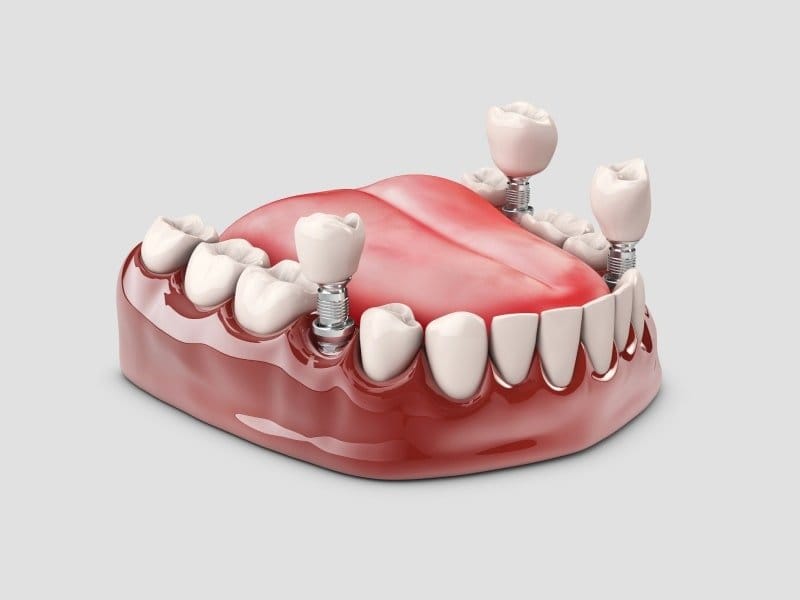
Implant
A dental implant is a titanium screw replacing a lost tooth root; it usually fuses with bone in 3-6 months, then a zirconium or porcelain crown is fitted.
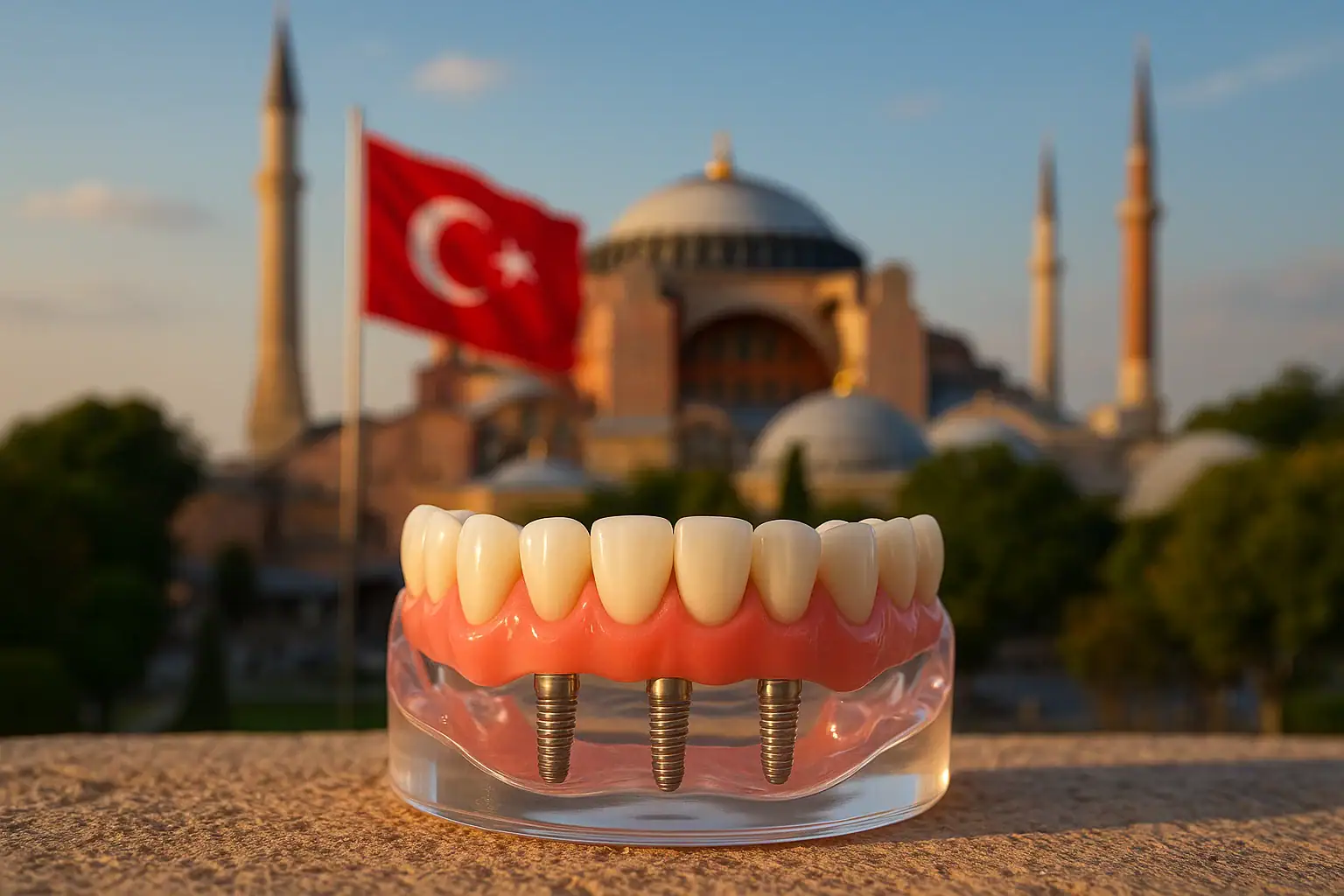
Full Mouth Dental Implants
Full mouth dental implants replace every tooth in a jaw with one fixed bridge screwed onto four (All-on-4) or six (All-on-6) implants, planned on a CBCT scan.
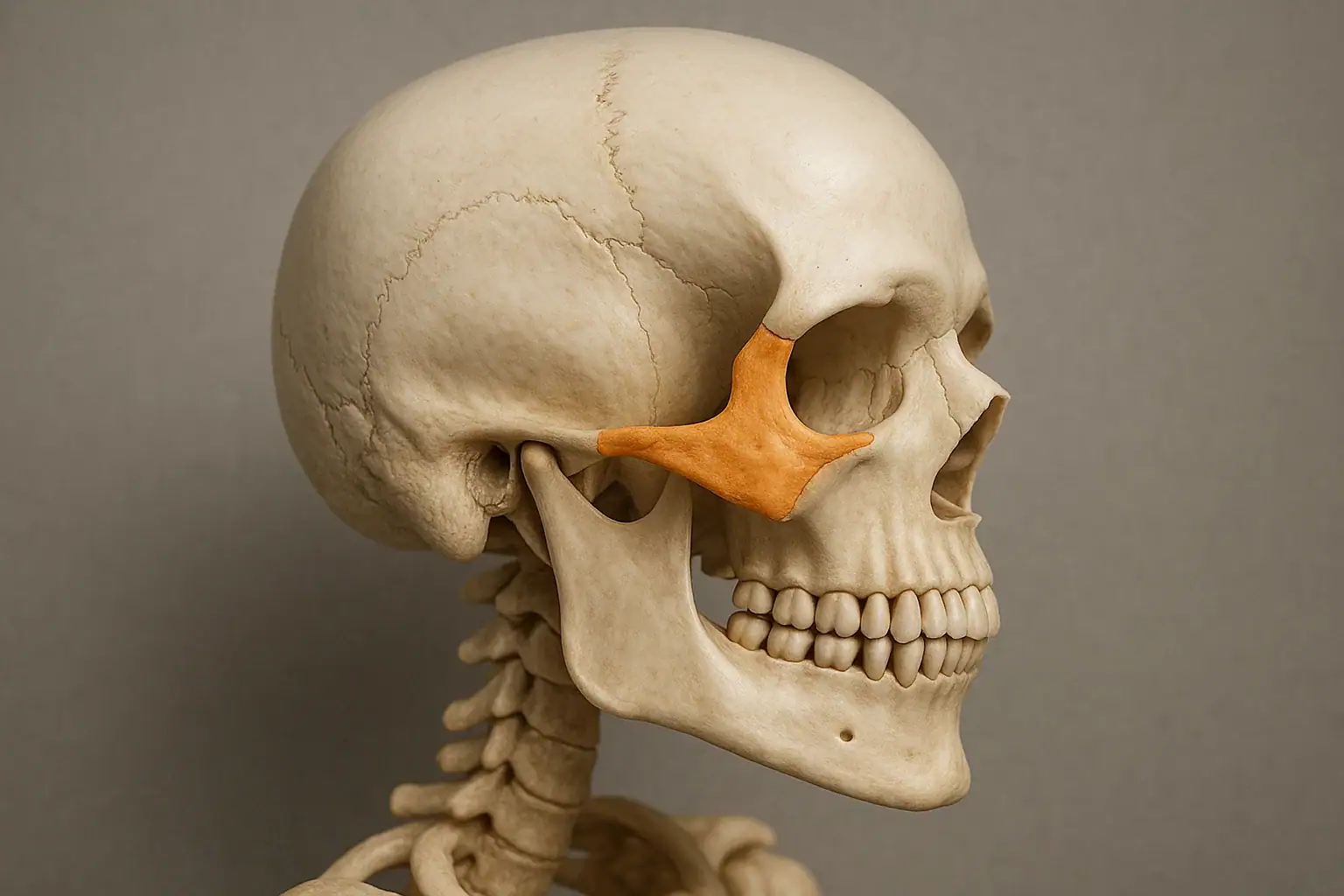
Zygomatic Implants
Zygomatic implants anchor in the cheekbone when the upper jaw has too little bone for standard implants, so a fixed bridge can be fitted without grafting.
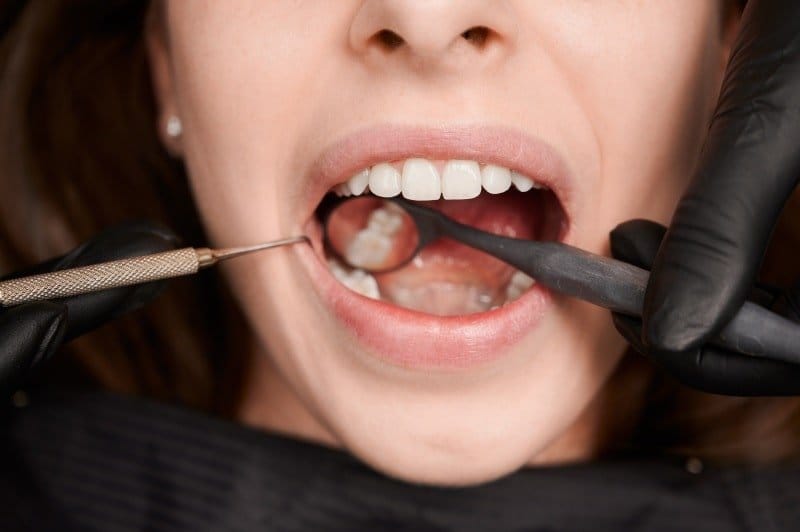
Wisdom Tooth Extraction
Wisdom tooth extraction removes a third molar at the back of the jaw under local anaesthesia, sectioning it if impacted; not every wisdom tooth must come out.
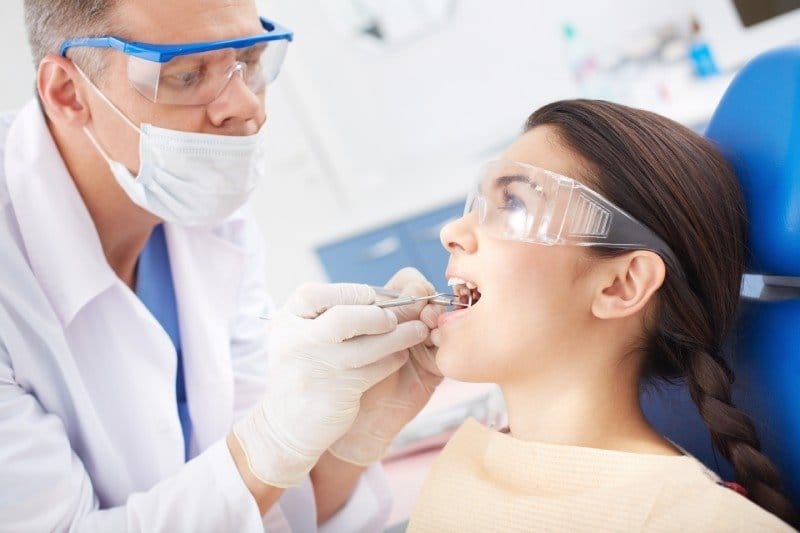
Oral & Maxillofacial Surgery
Oral and dental surgery, a four-year dental specialty in Turkey, covers impacted tooth removal, implant placement, root-end resection and jaw fracture repair.
Jaw Correction
Jaw correction (orthognathic) surgery cuts and repositions one or both jaws at bone level to correct skeletal discrepancies that tooth movement cannot close.
Jaw Fracture Treatment
Jaw fracture treatment depends on displacement: minimally displaced, stable fractures are held with wires or elastics, displaced ones with plates and screws.
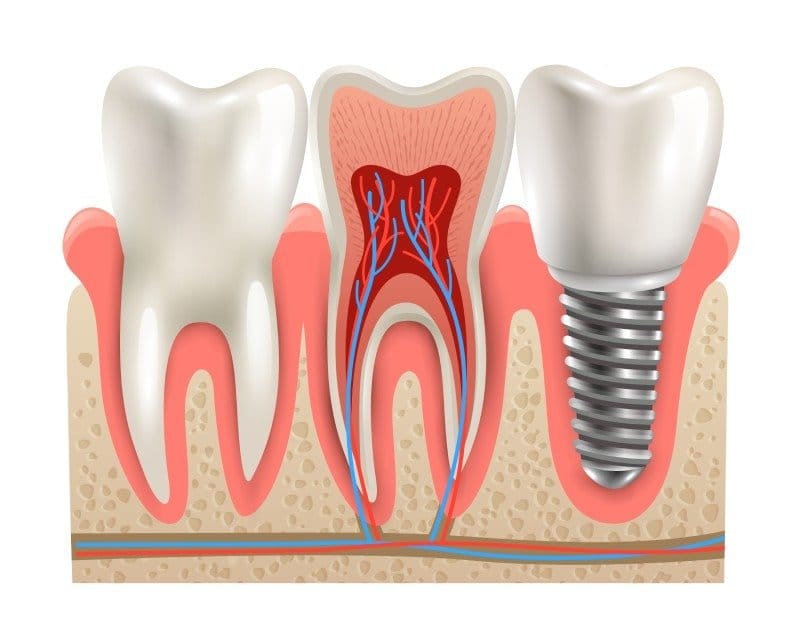
Bone Graft (Membrane)
A bone graft rebuilds deficient jawbone with graft material, in most cases under a barrier membrane, so an implant can be placed, usually 4-6 months later.
Maxillofacial Surgery
Maxillofacial surgery treats the facial skeleton beyond the teeth: jaw fractures, orthognathic correction, jaw cysts and tumours, and TMJ surgery.
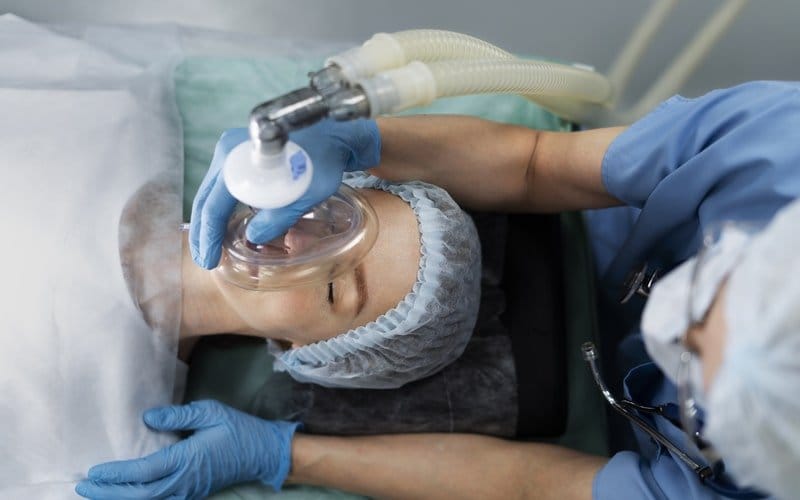
Sedation & General Anaesthesia
Sedation and general anaesthesia change consciousness, not the dental work: conscious sedation leaves the patient responsive, general anaesthesia does not.
In oral surgery the first question is whether a procedure is needed at all, not which one to book. The section covers single implants, wisdom tooth extraction, bone grafting, oral and maxillofacial surgery, orthognathic jaw correction, jaw fracture treatment, and sedation with general anaesthesia. Where a missing tooth is being replaced, a meta-analysis of 18 prospective studies of contemporary implant systems reported 10-year implant-level survival of 96.4% (95% CI 95.2% to 97.5%), falling to 93.2% once loss to follow-up is modelled (PubMed 30904559). Which procedure applies is settled after imaging and examination, and is itemised in your written quote before travel.
- 01For an impacted wisdom tooth with no symptoms and no disease, neither removal nor retention has been shown to be better. The Cochrane review found the evidence insufficient, reported very low certainty evidence that retention may raise long-term periodontitis risk on the adjacent second molar, and placed the decision with shared decision-making (PubMed 32368796). A travel plan that includes prophylactic extraction of healthy wisdom teeth should be questioned.
- 02Implant treatment is planned in two stages. Placing the fixture is surgery and the crown that goes on top is planned on the prosthodontic side, so a full implant quote should state both stages separately.
- 03Where bone volume is short, grafting comes before the implant. Across 11 prospective studies with at least five years of follow-up after lateral window sinus floor augmentation, the weighted annual implant loss was 0.43% (95% CI 0.37% to 0.49%), with no significant difference between simultaneous and delayed implant placement (PubMed 30624789). That difference changes the number of trips, not the outcome.
- 04Age is a measured variable. In the same sensitivity meta-analysis, 10-year implant survival in patients aged 65 and over was 91.5% and age was a significant predictor (PubMed 30904559).
- 1.Howe MS, Keys W, Richards D. Long-term (10-year) dental implant survival: a systematic review and sensitivity meta-analysis. J Dent 2019;84:9-21. PubMed 30904559
- 2.Ghaeminia H, Nienhuijs ME, Toedtling V, Perry J, Tummers M, Hoppenreijs TJ et al. Surgical removal versus retention for the management of asymptomatic disease-free impacted wisdom teeth. Cochrane Database Syst Rev 2020;5:CD003879. PubMed 32368796
- 3.Raghoebar GM, Onclin P, Boven GC, Vissink A, Meijer HJA. Long-term effectiveness of maxillary sinus floor augmentation: a systematic review and meta-analysis. J Clin Periodontol 2019;46(Suppl 21):307-318. PubMed 30624789