
Periodontology
Gum disease, pink aesthetics, surgery
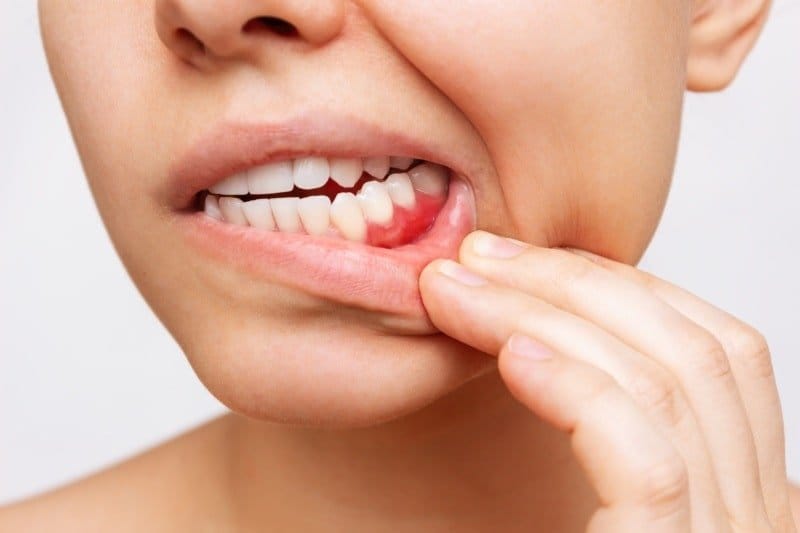
Gum Disease
Gum disease is two conditions: gingivitis stays in the gum and reverses with plaque control; periodontitis adds tissue and bone loss that does not reverse.

Pink Aesthetics
Pink aesthetics corrects how much gum shows, its symmetry and colour; more than 2 mm of gum above the upper incisors at maximum smile counts as excessive.
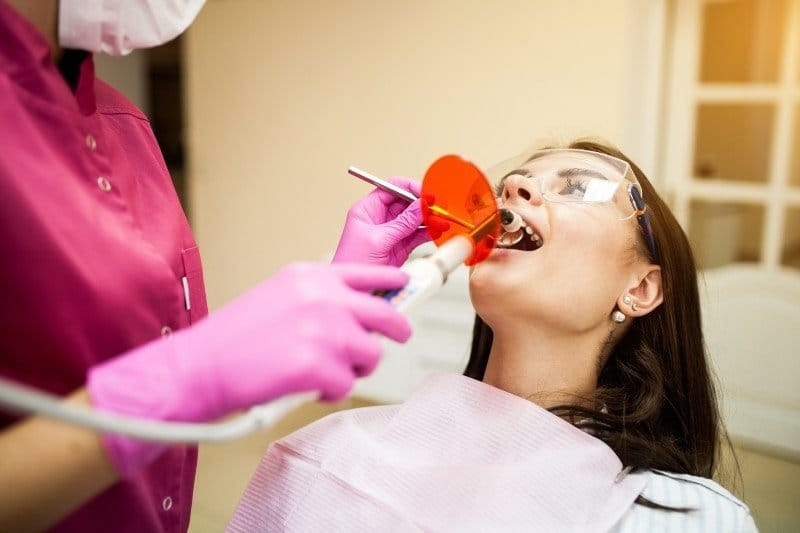
Periodontal Flap Surgery
Periodontal flap surgery lifts the gum, cleans the root under direct vision and stitches it back to close deep pockets that non-surgical cleaning left open.
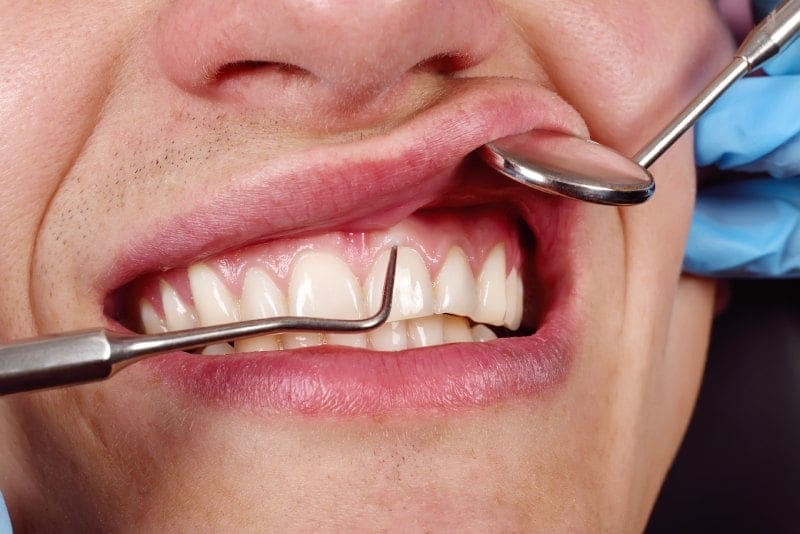
Gum Surgery
Gum surgery rebuilds lost soft tissue: it covers an exposed root, moves a receded gum margin back up and widens the band of keratinised tissue.
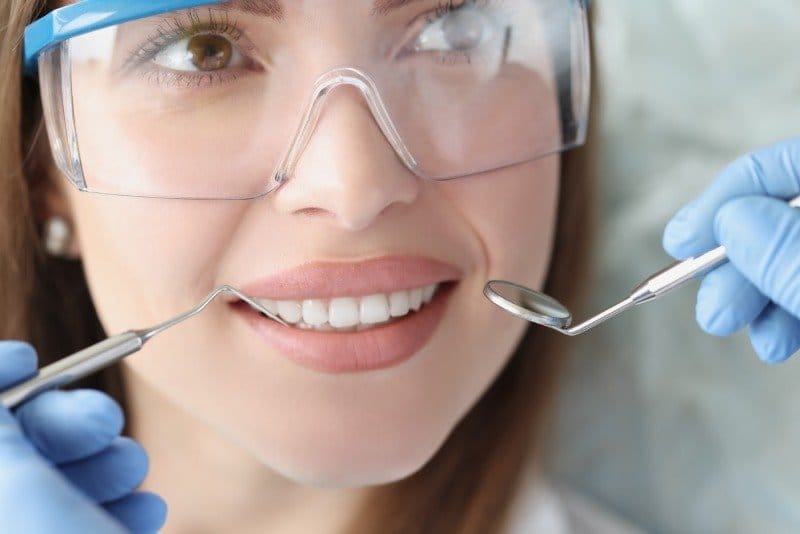
Gingivectomy
Gingivectomy cuts away excess or diseased gum tissue; it is used to correct a gummy smile, eliminate periodontal pockets and recontour an irregular gum line.

Periodontology General
General periodontology is where gum treatment starts: pocket depths are charted, bleeding on probing recorded and the maintenance interval set from them.
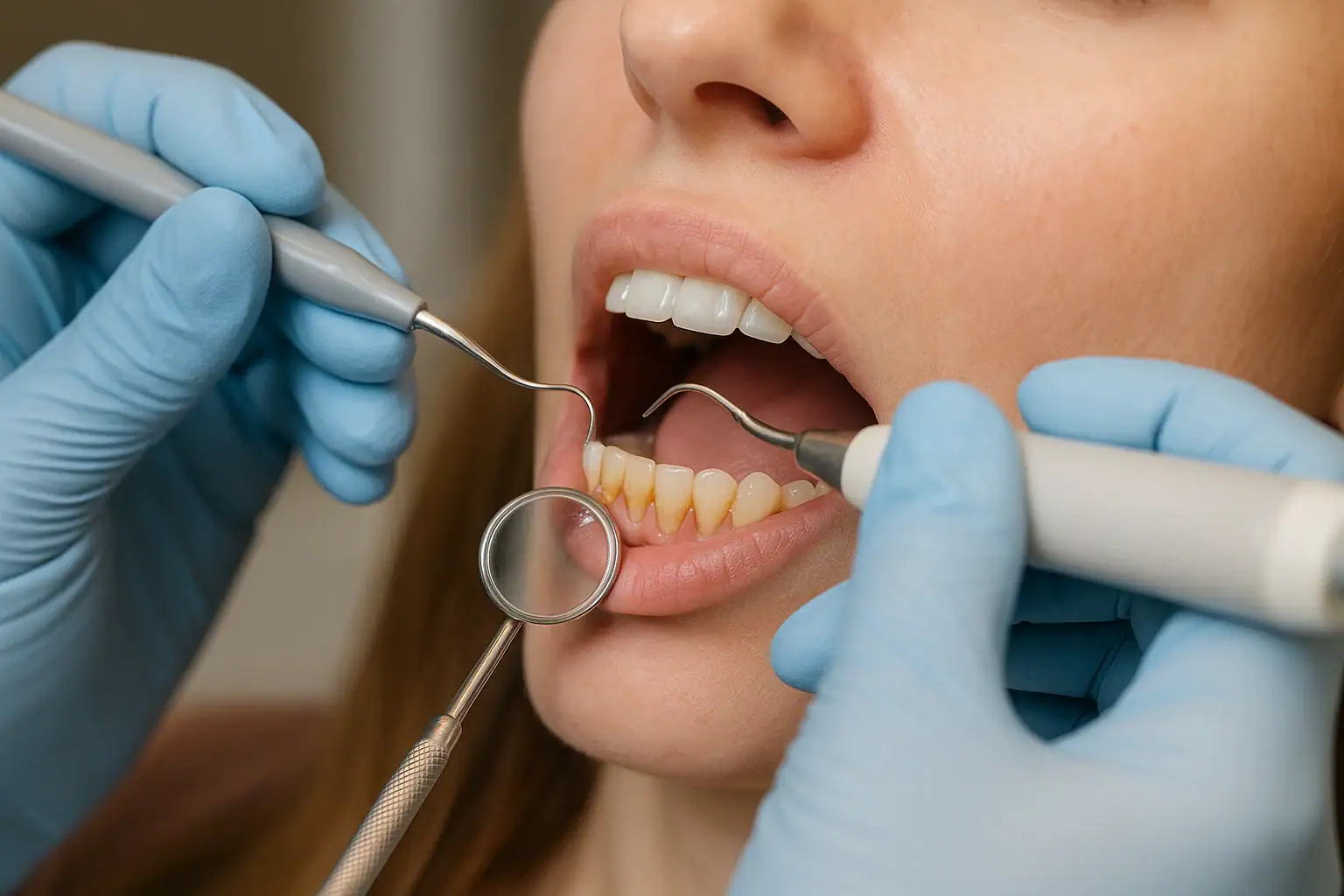
Tartar Cleaning
Tartar cleaning (scale and polish) removes hardened plaque that brushing cannot lift, using an ultrasonic scaler and hand instruments, then polishes.
On the gum side the sequence is fixed: non-surgical debridement and pocket depth measurement come first, and surgery only enters the plan where pockets fail to close. In a meta-analysis of six randomised trials, surgical therapy produced 0.58 mm more pocket depth reduction and 0.19 mm more attachment gain than non-surgical therapy in pockets deeper than 6 mm, while in 4-6 mm pockets non-surgical therapy produced 0.37 mm more attachment gain (PubMed 12787211). The section covers gum disease, periodontal flap surgery, gum surgery, gingivectomy, pink aesthetics and the general periodontal examination.
- 01In shallow pockets surgery costs rather than gains. In 1-3 mm pockets, non-surgical therapy resulted in 0.51 mm less attachment loss than surgical therapy (PubMed 12787211). A treatment plan that offers flap surgery before pocket depths have been recorded is skipping the measurement that decides it.
- 02Gum disease is not a rare finding. The Global Burden of Disease 2019 analysis counted 1.1 billion prevalent cases of severe periodontitis (uncertainty interval 0.8 to 1.4 billion), with age-standardised prevalence up 8.44% between 1990 and 2019 (PubMed 34101223).
- 03Gingivectomy and root coverage move in opposite directions. Gingivectomy removes excess or diseased gum tissue and is used for gummy smile and pocket elimination; recession is treated the other way round, by rebuilding lost tissue with a graft. Which of the two applies decides whether pink aesthetic work belongs in the plan at all.
- 04Method choice in root coverage follows the goal. Across 48 randomised trials in a Cochrane review, a subepithelial connective tissue graft combined with a coronally advanced flap gave a slight improvement where both root coverage and a gain in keratinised tissue width were wanted, on low quality evidence (PubMed 30277568). Gum work planned alongside veneers should therefore be sequenced before the restorative stage of your quote.
- 1.Heitz-Mayfield LJ, Trombelli L, Heitz F, Needleman I, Moles D. A systematic review of the effect of surgical debridement vs non-surgical debridement for the treatment of chronic periodontitis. J Clin Periodontol 2002;29(Suppl 3):92-102. PubMed 12787211
- 2.Chen MX, Zhong YJ, Dong QQ, Wong HM, Wen YF. Global, regional, and national burden of severe periodontitis, 1990-2019. J Clin Periodontol 2021;48(9):1165-1188. PubMed 34101223
- 3.Chambrone L, Salinas Ortega MA, Sukekava F, Rotundo R, Kalemaj Z, Buti J, Pini Prato GP. Root coverage procedures for treating localised and multiple recession-type defects. Cochrane Database Syst Rev 2018;10:CD007161. PubMed 30277568