
Root Canal Treatment
Root canal treatment removes infected or devitalised pulp from inside the tooth, then cleans, shapes and fills the canals with gutta-percha to keep the tooth.
- Microscope-assisted
- Rapid with rotary systems
- Preserves the natural tooth
First consultation free · same-day reply · no price pressure
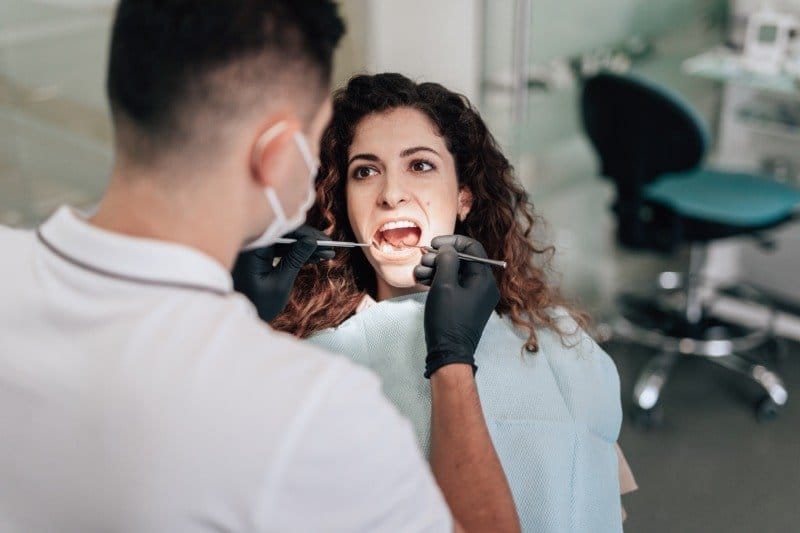
Root canal treatment removes infected or devitalised pulp tissue from inside the tooth, then cleans and shapes the root canals and fills them with gutta-percha so the natural tooth stays in function. In an updated systematic review of 42 longitudinal studies, the weighted success rate was 82.0% (95% CI 79.3-84.8) under strict criteria, which require the periapical lesion to resolve completely, and 92.6% under loose criteria, which accept a reduction in lesion size (PubMed 35334111). Survival is measured separately from success. Pooled tooth survival after non-surgical root canal treatment was 93% at 4-5 years and 87% at 8-10 years (PubMed 20158529).
- 01Success and survival are different endpoints. Success measures radiographic healing of the lesion at the root tip, while survival measures whether the tooth is still in the mouth, and the two are reported in separate reviews (PubMed 35334111, PubMed 20158529).
- 02A review of 14 studies identified four factors that significantly improved survival of a root filled tooth: a crown restoration placed after treatment, both mesial and distal proximal contacts present, the tooth not serving as a bridge abutment, and the tooth not being a molar (PubMed 20158529).
- 03A meta-analysis of 63 studies linked significantly better outcomes to four conditions: no periapical radiolucency before treatment, a root filling with no voids, a filling ending within 2 mm of the radiographic apex, and a satisfactory coronal restoration (PubMed 17931388).
- 04Pooled across 26 studies and 5,777 teeth, tooth pain persisting six months or more after endodontic treatment was reported in 5.3% of cases (95% CI 3.5-7.2), 7.6% in prospective studies and 0.9% in retrospective ones (PubMed 20113779).
- 05Reported success did not improve materially across four to five decades of published studies. Weighted pooled success stayed between 68% and 85% under strict criteria for treatments reviewed at least one year after completion (PubMed 17931389).
/ Root Canal Treatment and Tooth Pulp
Root canal treatment concerns tooth decay, infection and the tooth pulp.
Germs in the mouth can cause tooth decay by producing acids that damage teeth. If tooth decay is left untreated, it can lead to pain, infection and tooth loss. Bacteria and food are the most important factors that cause tooth decay. Plaque on teeth and gums is a transparent and sticky substance. Plaque contains bacteria that feed on the sugar in the food consumed. The acids produced by the bacteria during feeding begin to attack the teeth some time after eating. Over time, the acids destroy the teeth and tooth decay occurs.
Root canal treatment can be used to repair and save a badly decayed or infected tooth. During root canal treatment, dead or dying nerve tissue and bacteria inside the tooth are removed to try to save the tooth.
Underneath the enamel in every tooth, there is an area of soft tissue called "pulp". The pulp carries the nerves, veins and arteries of the tooth. The very small, thin passages branching from the upper pulp chamber towards the root tip are called root canals.
| At a glance | |
|---|---|
| Duration | 1-2 sessions |
| Sessions | 2 |
| Warranty | 2 years |
| Materials Used | Rotary endodontic systems · Microscope |
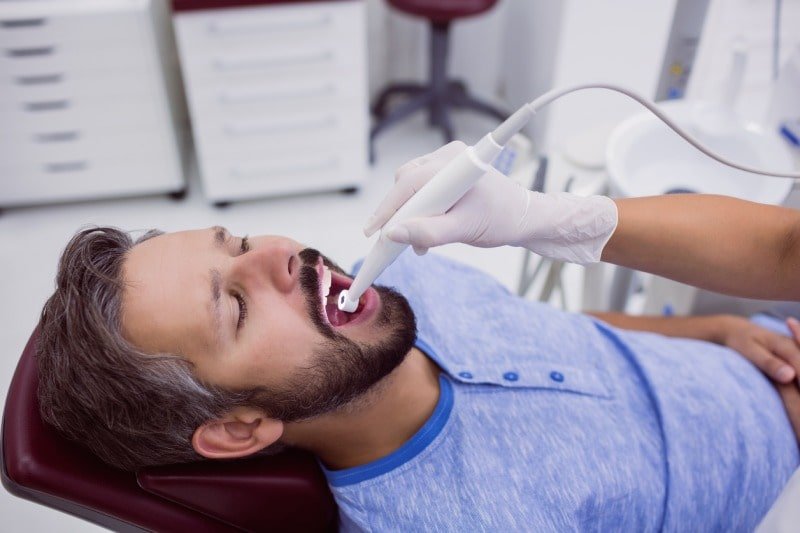
/ Reasons for Root Canal Treatment
Root canal treatment is related to pulp infection or damage.
From time to time, the pulp inside the tooth can become infected by disease or bacteria, or damaged by traumatic injury to the tooth. Due to an infected or untreated root canal, bacteria in the mouth can enter the bloodstream and cause infections in other parts of the body. Root canal treatment can prevent potentially harmful infections in other parts of the body and can often save the damaged tooth.
Root canal treatment affects the root tip or nerve of the tooth, the pulp chamber and structures called the pulp and canal. Some of the conditions that may require root canal treatment, which may be required due to any trauma to the nerves or infection, are listed below:
- Bacteria from the decayed tooth pass through the tooth and invade the pulp
- Exposure of the nerves in the tooth as a result of trauma due to causes such as chipping or fracture
- Infection of the tooth due to caries, i.e. abscess formation in the tooth
- Gradual death of the tooth due to trauma that does not need intervention at the time of aging or injury
/ How is root canal treatment performed?
Before root canal treatment, the patient's gums are numbed with a topical substance. Local anesthesia is injected near the treatment area to completely numb the gums, tongue and skin.
A dental dam is placed around the affected tooth to isolate it from neighboring teeth and to prevent the patient from swallowing debris during the procedure. A small hole is drilled in the upper part of the tooth. This allows access to the pulp chamber, pulp and root canals.
The pulp is removed and the pulp chamber is cleaned. After the canals are cleaned of debris and tissues, they are usually filled with antibiotic drugs and temporary filling materials up to the gum line. If necessary, the canal may be left open for a few days and then emptied. In some cases, it may be preferable to fill the canal immediately with the last canal filling.
When the canals are to be permanently sealed, the temporary filling is removed and the pulp chamber and canals are filled with a rubber-like material to prevent possible contamination. If the tooth is still weak, it can be strengthened by placing a metal post over the canal filling.
After the filling and permanent sealing of the area, an impression of the tooth is taken. This impression is used to make an artificial crown to place over the affected tooth. In some cases, it may be preferable to place a temporary crown over the tooth until the permanent crown is made.
Treatment Process
- 01Anaesthesia & Prep: The gum is numbed with a topical agent, then fully anaesthetised with a local injection.
- 02Isolation: A dental dam isolates the tooth from its neighbours and prevents swallowing debris.
- 03Access: A small opening is made in the crown to reach the pulp chamber and canals.
- 04Canal Cleaning: The infected pulp is removed and the canals are cleaned and shaped with rotary instruments.
- 05Disinfection & Filling: The canals are rinsed with antiseptic solution and filled with gutta-percha.
- 06Restoration: The access cavity is sealed and the tooth is usually reinforced with a crown.
/ Cases and Duration for Root Canal Treatment
Root canal treatment cannot be applied to every tooth that hurts or decays. It is possible to treat bacterial decay that causes mild or no pain with filling. If the tooth is not treated at this stage, the bacteria progress to the core of the tooth and inflammation occurs. In this case, root canal treatment may be needed.
Some conditions that require root canal treatment are listed below:
- Severe toothache when chewing or applying pressure
- Developing sensitivity to heat or cold
- Tooth discoloration
- Development of swelling and tenderness in nearby gums
In addition, some conditions that require root canal treatment are as follows:
- Advanced tooth decay can reach the inner tissues of the tooth and lead to infection. In this case, root canal treatment may be required to clean the infected pulp tissue and protect the tooth.
- If the dentin layer is exposed as a result of decay, fracture or abrasion and the tooth is sensitive, root canal treatment can be applied to protect the inside of the tooth and reduce sensitivity.
- As a result of trauma to the teeth, the pulp tissue may be damaged or lose its vitality. In this case, root canal treatment may be required to reduce the risk of infection and protect the tooth.
- Infections that occur around the tooth root as a result of gum disease can spread to the pulp tissue. Root canal treatment may be beneficial to prevent the spread of infection.
- If the tooth is in constant pain, there may be an infection or irritation in the root canal. In this case, root canal treatment can be performed to identify and treat the cause of the pain.
Depending on how damaged the tooth is, an average root canal treatment can take 30 to 60 minutes. In cases where the infection has spread, the treatment can take up to 90 minutes as more work is needed to remove the infected area and preserve as much of the tooth structure as possible. In some cases, the treatment can even be completed in more than one session.
/ Pre-Treatment Process and Treatment Stages
Before root canal treatment, the patient's complaints are listened to, the patient is examined and imaging methods are used when necessary. In this way, the internal structure of the tooth and root canals can be examined and possible infections and damages in the interior of the tooth can be determined. If there is infected or damaged pulp tissue, root canal treatment is planned.
Root canal treatment is a treatment method applied to protect the tooth after the infected or damaged tissue inside the tooth is cleaned and treated. It is usually completed in one or more sessions.
- Anesthesia is applied during the treatment to prevent pain and soreness.
- The area around the tooth is prepared in a sterile way. The area around the tooth is cleaned and protected and access to the tooth is facilitated.
- A hole is drilled in the tooth. The pulp and other infected or damaged tissues are removed. The aim of this procedure is to remove infection or irritation from the inside of the tooth.
- The root canals are cleaned and shaped using special instruments. Bacteria and tissue debris are removed from the root canals.
- The root canals are washed with antiseptic solutions or other disinfectants to clean and reduce the risk of infection.
- Once the root canals have been cleaned and disinfected, a special filling material (a rubber-like material, often called Gutta Percha) is placed inside them. This can protect the inside of the tooth and reduce the risk of re-infection.
- After the root canal treatment is completed, the hole in the tooth is sealed and the tooth is restored. This strengthens the tooth and allows it to regain its normal function. The restoration process can be done using a filling, crown or a similar dental prosthesis.
/ Aftercare, Pain and Pricing After Root Canal Treatment
Some pain or numbness may be felt in the early period after root canal treatment. Since the tooth that has undergone root canal treatment loses its vitality, the risk of fracture will increase. For this reason, it is important not to consume very hard foods during the healing process and not to use the tooth until complete healing.
Nothing should be eaten or drunk for at least two hours after root canal treatment. Afterwards, very hot and cold food and drinks should be avoided. Under normal circumstances, antibiotics are not required after root canal treatment as it removes the infection in the tooth. However, if there is excessive sensitivity or severe infection in the tooth, antibiotics may be used.
In the period after root canal treatment, oral and dental care should be applied completely and routine dental examinations should not be interrupted. Although the healing process may vary individually depending on various factors, the dentist's recommendations should be followed in order to have a fast and healthy healing process.
In cases of pain or infection before root canal treatment, tooth sensitivity may be felt for a few days after treatment. In this case, the use of painkillers prescribed by the dentist may be beneficial.
Root Canal Treatment Prices
Root canal treatment prices may vary depending on the condition of the tooth to be treated, whether it is a premolar, molar or incisor, that is, the structure of the tooth, the degree of infection in the tooth, whether it has undergone a root canal treatment before, the price policy of the clinic where the treatment is applied and many other factors.
/ Root Canal Treatment in Turkey and Istanbul
Root canal treatment is widely available in Istanbul, and patients who plan it here usually do so because the cost is lower than at home. These are the points worth checking before you book:
- Equipment: clinics differ in the imaging and instruments they use for root canal treatment, so ask what the clinic works with rather than assuming it from the city.
- Training: ask where the dentist trained and how many endodontic cases the clinic treats; the answer belongs to the clinic, not to the city.
- Cost: root canal treatment in Istanbul usually costs less than in Western Europe and North America; ask what the fee covers, including the restoration that follows the root filling.
- Communication: many clinics in Istanbul have English-speaking staff used to treating patients from abroad; ask who will answer your questions after you go home.
- Records: ask for the radiographs and the treatment note before you leave, so that any dentist can see which canals were filled and with what.
/ Mosdent Dental Hospital for Root Canal Treatment
At Mosdent root canal treatment is handled as follows:
- Endodontics: root canal cases are treated by the endodontics team.
- Equipment: digital imaging is used at the planning and check stages of the treatment.
- Anxiety: if dental treatment is difficult for you, say so before the appointment so that the session can be planned with that in mind.
- Pricing: the fee is set out in writing before treatment begins, so you know what the treatment covers.
- Scope: the restoration the tooth needs after the root filling, such as a crown, is carried out at the same clinic, and follow-up appointments are included.
- 1.Burns LE, Kim J, Wu Y, Alzwaideh R, McGowan R, Sigurdsson A. Outcomes of primary root canal therapy: An updated systematic review of longitudinal clinical studies published between 2003 and 2020. Int Endod J 2022;55:714-731. PubMed 35334111
- 2.Ng YL, Mann V, Gulabivala K. Tooth survival following non-surgical root canal treatment: a systematic review of the literature. Int Endod J 2010;43:171-89. PubMed 20158529
- 3.Ng YL, Mann V, Rahbaran S, Lewsey J, Gulabivala K. Outcome of primary root canal treatment: systematic review of the literature - part 1. Effects of study characteristics on probability of success. Int Endod J 2007;40:921-39. PubMed 17931389
- 4.Ng YL, Mann V, Rahbaran S, Lewsey J, Gulabivala K. Outcome of primary root canal treatment: systematic review of the literature -- Part 2. Influence of clinical factors. Int Endod J 2008;41:6-31. PubMed 17931388
- 5.Nixdorf DR, Moana-Filho EJ, Law AS, McGuire LA, Hodges JS, John MT. Frequency of persistent tooth pain after root canal therapy: a systematic review and meta-analysis. J Endod 2010;36:224-30. PubMed 20113779

Who is this treatment for?
- Severe toothache when chewing or applying pressure
- Marked sensitivity to heat or cold
- Discoloration or darkening of the tooth
- Swelling and tenderness in the nearby gum
- Advanced decay reaching the inner tissues and causing infection
- Pulp exposed or devitalised by trauma
- Gum-disease infection spreading from the root to the pulp
- Constant, persistent tooth pain or abscess formation
Doctors specialising in this treatment




Frequently asked
01Is root canal treatment painful?+
With modern techniques and effective local anaesthesia, no pain is felt during the procedure. Mild sensitivity for 1-2 days afterwards is normal and easily managed with medication.
02How long does a root-canal-treated tooth last?+
Supported by a proper restoration (typically a zirconium crown), a treated tooth can function for many years. The key is not to delay the crown after treatment. Pooled tooth survival after non-surgical root canal treatment was 93% at 4-5 years and 87% at 8-10 years (PubMed 20158529).
03Root canal or extraction?+
Wherever possible, the natural tooth should be preserved. Root canal therapy is the most effective way to save a tooth; while an implant is a good alternative, your own tooth always comes first.
04What happens if root canal treatment fails?+
In rare cases the treatment may fail; it can then be repeated, or a surgical option such as apicoectomy (root-tip resection) performed. If those are unsuccessful, extraction may be necessary. For context, pooled survival after non-surgical root canal treatment is 93% at 4-5 years and 87% at 8-10 years (PubMed 20158529), so failure is the exception rather than the expectation.
05What should I pay attention to afterwards?+
Avoid eating or drinking for at least two hours, and avoid very hot, cold or hard foods. Mild sensitivity for a few days is managed with painkillers, and good oral hygiene should be maintained.
Endodontics
Micro Endodontics
Micro endodontics is root canal treatment under a surgical microscope at high magnification, used for calcified canals, missed canals and retreatment.
Explore→02Endodontic Surgery
Endodontic surgery removes the last few millimetres of a root and seals the canal end if infection persists after a root canal and retreatment is impossible.
Explore→Speak with your doctor about this treatment.
Not sure which treatment fits? Tell us what’s wrong →