Skip to content
MosdentISTANBUL 1992
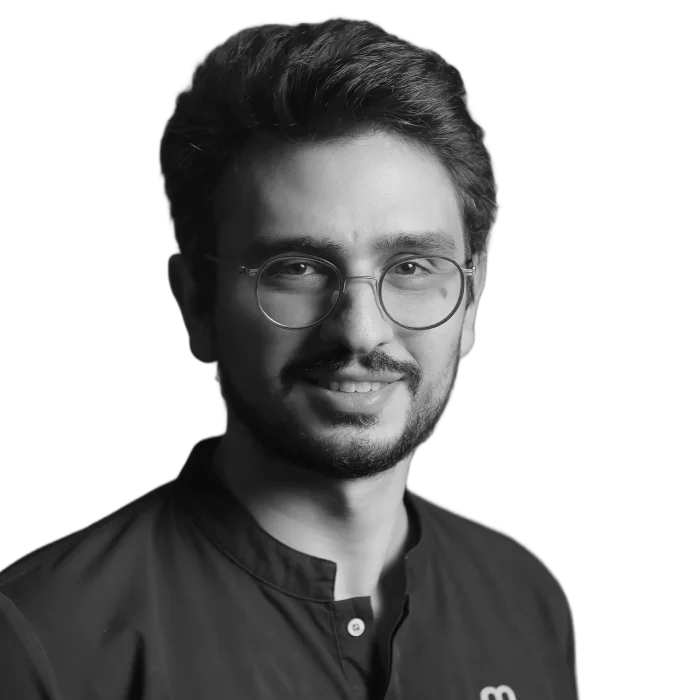
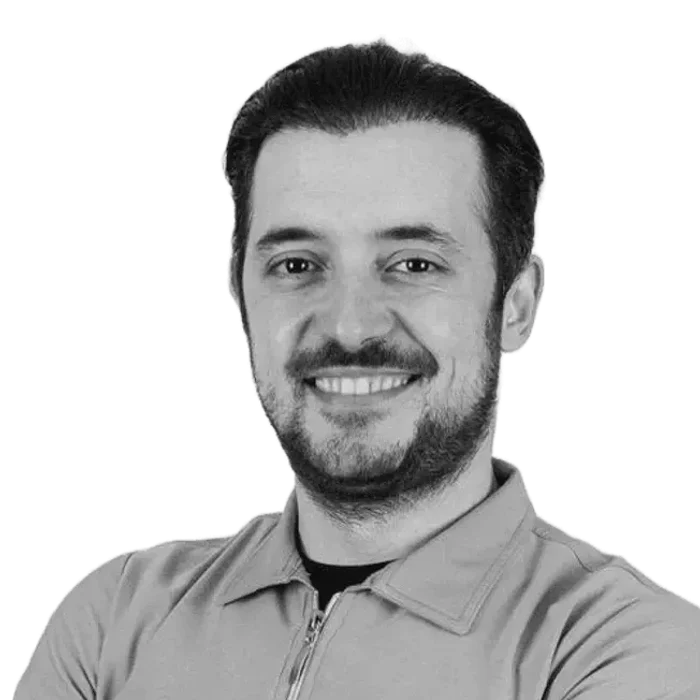
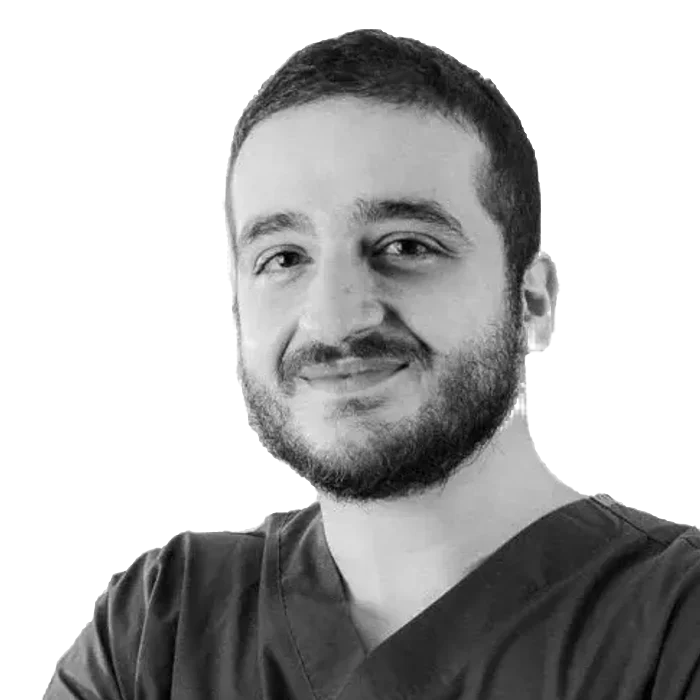
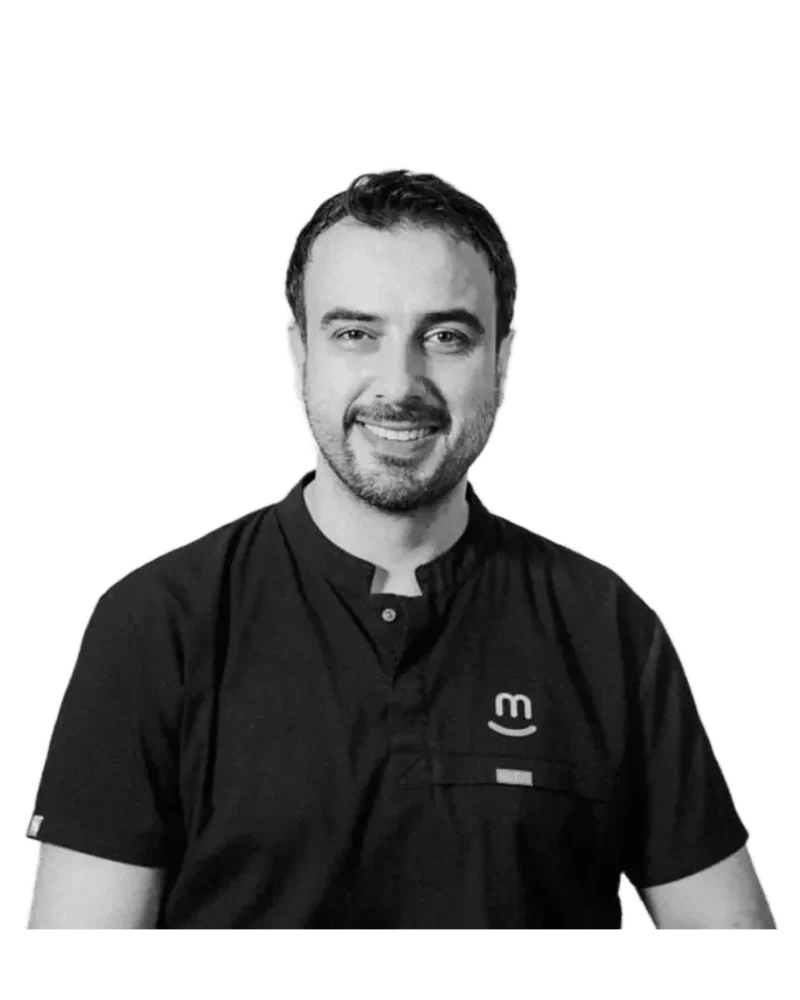
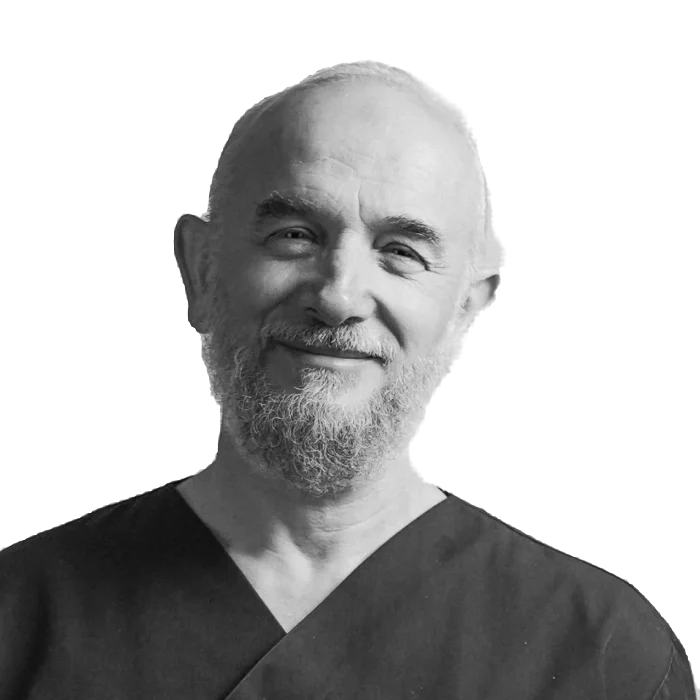
Dr Muhammed Bahadır Olcay
Periodontics
// Specialist Dentist

Muhammed Bahadır Olcay

Periodontics & Implantology
TDA Registration
36013
Graduated
2016
External Profile
// ABOUT

BIOGRAPHY

Muhammed Bahadır Olcay, DDS, is Mosdent's specialist in periodontics and implantology. He received his dental degree from Kocaeli University in 2016 and completed his specialisation in periodontology at Zonguldak Bülent Ecevit University between 2018 and 2021.

In the years between graduation and specialty training he worked at several private clinics in Istanbul, treating international patients within health tourism. Working early in his career with patients arriving from different countries with different expectations taught him to plan every treatment around the patient's own story.

Gum health sits at the centre of his clinical approach. To him, the long life of an implant cannot be separated from the health of the gums and the supporting bone, so he treats the two as parts of a single whole. His decisions are evidence based, and his focus is on advancing implant success and periodontal health together.

His surgical work covers soft and hard tissue augmentation, advanced implant surgery, Khoury autogenous bone grafting and sinus lifting. In the Khoury technique the missing bone is rebuilt not with a foreign material but with thin plates of the patient's own bone, which makes it a meaningful option for patients who have been told their bone is insufficient for implants.

He has presented posters at the GREATIST Congress (2018, 2019) and at the 2019 TDA International Dental Congress, and a case presentation at the 1st National Congress of Zonguldak Bülent Ecevit University Faculty of Dentistry.

He continues to renew his training, holding certificates from Dr. Frank Zastrow's seminar "Biological Bone Augmentation: The BBA Concept for Real Bone Builders", Dr. Şevki Güler's course on horizontal and vertical hard tissue augmentation, and CREADENTA's hands-on seminar "A New Era in Porcelain Laminates". He speaks Turkish and English.

// IN THEIR OWN WORDS

THE INTERVIEW

Coming soon
Frequently asked

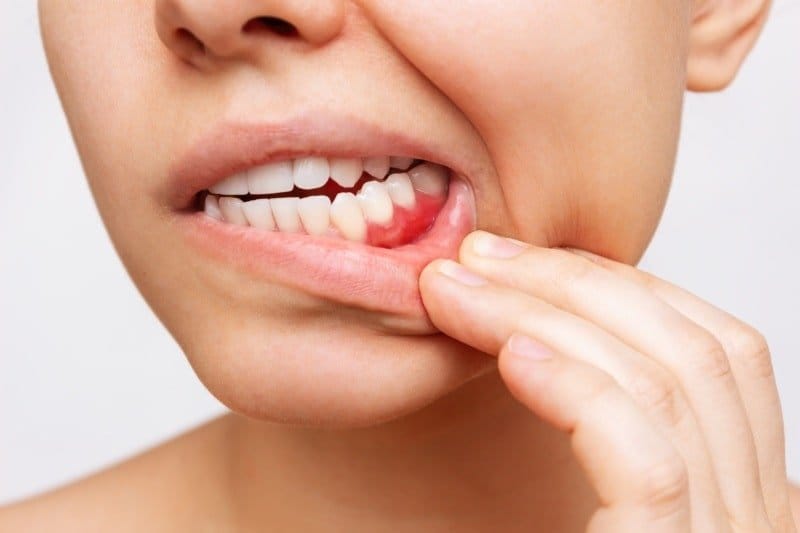
Does a receded gum grow back?

The honest answer: gum that has receded does not grow back on its own. Once the gum has dropped to that level, no cream, paste or mouthwash will make it climb again; treat products that raise that expectation with caution.

But that does not mean nothing can be done. First we find the cause of the recession; whether hard brushing, gum disease, the position of the tooth or clenching is at work, we deal with it, because as long as the cause remains, everything else stays temporary. And in suitable cases the receded area can be covered surgically with soft tissue grafts; that is squarely within my specialty.

Not every recession is suitable for graft coverage; I can only say after an examination, looking at the type of recession and the state of the tissue. So if you have noticed your gums receding, come early: in the early period it is far easier both to stop the progression and to make use of the surgical options.
Common misconception

Once an implant is placed, no more care is needed

The thought that an implant cannot decay and therefore cannot cause trouble is one of the riskiest misunderstandings about implant treatment. The implant itself does not decay, that is true; but the gum and bone that carry it obey the same biological rules as the tissues that carry a natural tooth. When care lapses, the tissues around an implant can become inflamed too, and as that inflammation advances, the bone holding the implant begins to melt away.

What is worse, this picture progresses quietly; because an implant gives no early warning like the ache of decay, the patient usually notices the problem late. That is why I tell my implant patients the same thing as their treatment ends: an implant does not end your duty of care; on the contrary, it obliges you to build the habit of regular cleaning and check-ups. The life of an implant is decided as much by the care shown in the years that follow as by the operating table.

Case

The patient who said 'pull them all out, let us make a denture'

When the loosening in their teeth increased, a patient came to us with the decision already made: all of them would come out and a denture would be made. Both their mother and their father had lost all their teeth at around the same age, they said, and now their turn had come. To them a loose tooth was a lost tooth; there was nothing to talk about, they were only looking for someone to do the procedure.

The examination and the films showed a different picture: yes, there were teeth that truly could not be saved, but a significant share of their teeth could be kept standing with treatment. I explained that loosening is not always the end of the road, and that once the inflammation is brought under control some teeth firm up again. Convincing them was not easy; the picture they had watched in their own family was more real to them than anything I said.

We agreed on a staged plan and completed the periodontal treatment; for the teeth that could not be saved we planned a separate solution, but they came out of that process with their own teeth in their mouth. What stays with me from this case is this: some patients carry tooth loss not as a disease but as a fate. Part of our job, before any treatment, is to open that fate up for discussion.

Case

The patient who arrived with the sentence 'implants are not possible for me'

Years earlier, at an examination somewhere else, a patient had been told their bone was insufficient for implants, and from that day on they had closed the subject completely. They came to us with a different complaint; when their missing teeth came up, they said 'implants are not possible for me, don't ask'. It was said not as a question but as a part of their identity.

We went over the images together. It was true that the bone was insufficient; but I explained that this meant not 'no implants', but 'first the bone has to be regained'. When they heard that the missing area could be built up with their own bone they did not believe it at first; nor did I hide that the process would be long, with more than one stage and waiting periods in between. They asked for time to think, and then made their decision.

We moved forward with a staged plan and completed the treatment. The lesson that stays with me from this case is this: the 'impossible' a patient has been told usually means not 'impossible by any method' but 'impossible as things stand now'. Explaining that difference to the patient is as much a part of our work as the surgery itself.

Where I say no

When I do not recommend treatment

I do not recommend extracting a tooth I believe can be saved and replacing it with an implant. Implantology is one of my fields; despite that, and perhaps precisely because of it, I do not see an implant as the alternative to a healthy natural tooth. A tooth that periodontal treatment can keep standing is, in my eyes, always the first option.

Nor do I think it right to proceed to implant surgery before gum disease has been brought under control. An implant placed into an inflamed mouth is like a structure raised on unsound ground; first the infection has to be treated and the patient has to settle into a daily care routine. With a patient not yet ready to take on that care, I prefer to talk about it openly rather than propose surgery, and if necessary to postpone the treatment until the patient is ready.

Coming soon
IN THEIR OWN HAND
I know that lost tissue can very often be regained; so before saying "impossible" I put every option on the table with its evidence. I recommend not the procedure my hands can perform, but the one my patient will truly gain from.
Specialist Dentist Muhammed Bahadır Olcay
Muhammed Bahadır Olcay

More thanjust a doctor

Coming soon
Coming soon
Coming soon
Coming soon
Coming soon
Coming soon
Coming soon
Coming soon
Coming soon
Coming soon
Coming soon
Coming soon
Coming soon
Coming soon
It begins with a conversation

Meet Dr Muhammed Bahadır Olcay.

WhatsApp

Not sure which treatment fits? Tell us what’s wrong →