Skip to content
MosdentISTANBUL 1992
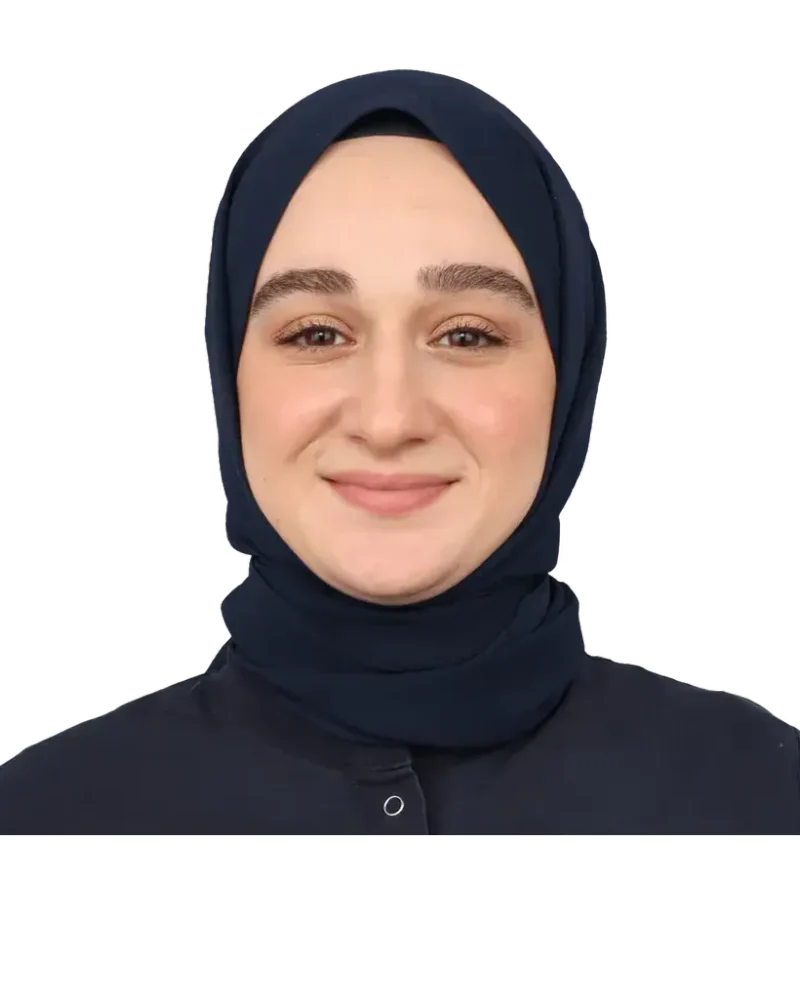
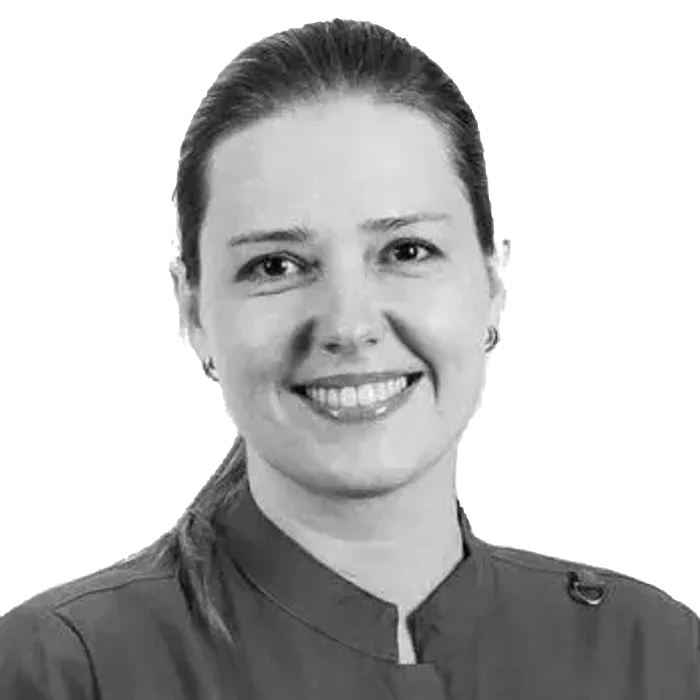
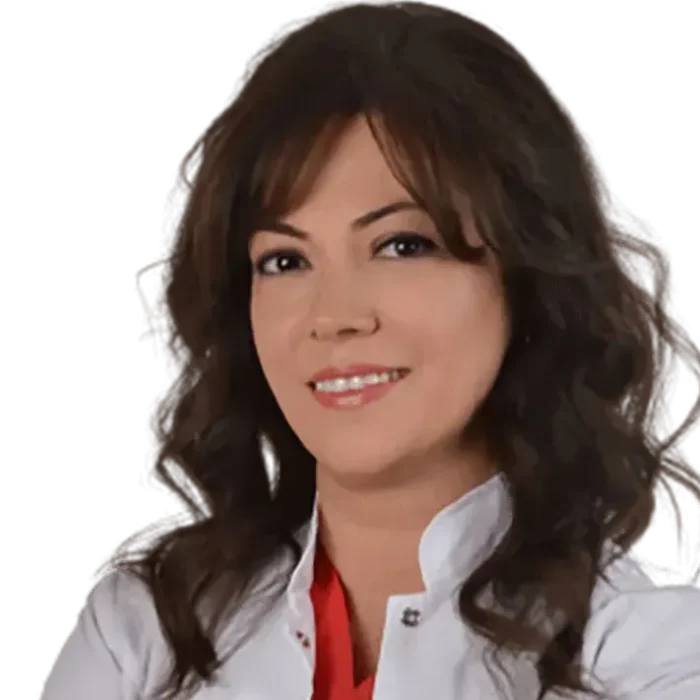
Dr F. Zeynep Kaval Kabakaş
// Dentist

F. Zeynep Kaval Kabakaş

General Dentistry
TDA Registration
46541
Graduated
2018
// ABOUT

BIOGRAPHY

Dt. F. Zeynep Kaval Kabakaş is one of Mosdent's dentists and actively sees patients. She studied at Istanbul Yeni Yüzyıl University Faculty of Dentistry between 2013 and 2018, and since graduating in 2018 she has spent her entire professional life within Mosdent. That continuity, built over years in a single institution with the same community of patients, is one of the defining features of her dentistry: she knows her patients by their stories, not just their files.

She was born in Istanbul in 1994 and is originally from Trabzon; she completed her secondary education at Istanbul Sabahattin Zaim High School. What drew her to dentistry was the way the profession brings craftsmanship and human connection together in the same chair, and she still works without separating those two sides of the job.

Her clinical interests are restorative, aesthetic and digital dentistry. She has trained in CAD-CAM digital dentistry and attended the "Digital Dentistry and Aesthetics 2019" programme. She treats digital tools not as the showy side of the work but as a way of showing patients, on screen, what is going to be done and why; in her view, being able to see your own treatment is one of the most reassuring steps in the whole process.

During her faculty years she took part in a research project titled "Anxiety in Dental Practice". She has taken the tension the dental chair holds for many people seriously since her student days, and working slowly and step by step with patients who arrive apprehensive is part of her clinical routine.

Alongside her clinical work she serves as Patient Rights Officer within Mosdent's management team. Her identity as a dentist and this role complete each other in practice: the person carrying out the treatment in the chair and the person who cares that every patient understands their own process and feels free to ask questions are one and the same.

Outside dentistry she enjoys travelling and reading, and plays volleyball and table tennis.

// IN THEIR OWN WORDS

THE INTERVIEW

Coming soon
Frequently asked

I have no complaints at all. Do I still need to come for check-ups?

Yes, and the best answer to this question is the picture we see in our clinic every day: decay usually starts silently. By the time a tooth begins to hurt, the problem has usually long outgrown the limits of a small filling.

The point of a regular check-up is not to keep the patient busy at the clinic; it is to catch the problem while it is small, while its treatment is short and while the tooth's own tissue is still in place. Between decay noticed early and a tooth left too late there is a serious difference, both in the procedure and in what the patient goes through.

I explain it to my patients like this: coming for a check-up is not coming to have something done. The finest outcome of a check-up is seeing you off with 'everything is fine, see you next time', without doing anything at all. If my patients and I get to live that often enough, it means we are both doing our jobs properly.

Common misconception

If I am afraid I cannot be treated; first I have to conquer my fear

I would ask you to think of it the other way round: you do not have to defeat the fear at home on your own; that too is part of our job. Dental anxiety is nothing to be ashamed of or to hide; a great many people sit down in the chair tense, and I have known how widespread it is ever since I took part in a research project on the subject in my student years.

When I work with an anxious patient, spending the whole of the first session simply talking is not a loss to me; it is an investment. I explain step by step what I am going to do, I say from the outset that my patient can raise a hand and stop the process at any moment, and I keep that promise. Once patients know the control is theirs, the tension usually shrinks by itself.

There is no such thing as a cowardly patient; there is a patient to whom the process has not been properly explained. Fear is not a reason to go untreated; it is information that shapes how we will carry the treatment through together.

Case

The patient who would not sit in the chair at the first session

A patient arrived for their first appointment, came into the treatment room and did not sit in the chair. They pointed to the chair by the door and asked whether they could sit there instead: they had only come to talk. They told me they had been putting off the dentist for years, and that what had happened at their last visit was still with them.

That day I did not so much as look into their mouth with a mirror. We sat on the chairs and talked about why they had come, what they were afraid of, what kind of process they wanted. On the way out they asked for the next appointment themselves. At the second session they sat in the chair, but on one condition: I would only look. That is what we did. We began treatment only at our third meeting, and we carried every step through by explaining in advance what was going to happen.

I have never forgotten what they said to me when the treatment was over: 'It turns out I was never afraid of the treatment; I was afraid of having no say.' That patient reminded me of the measure of my profession: speed is not always the mark of good dentistry. Sometimes the most correct clinical decision is to do nothing at all on the first day.

Case

The patient who did not want to sign a treatment plan they did not understand

One day a patient in the waiting room caught my attention, studying the papers in their hands at length. When I went over, they showed me the treatment plan in front of them: 'My dear, I don't understand any of this, but I can't ask; it would look rude.' They were about to sign, without knowing what they were consenting to.

We sat down and read the plan together, line by line. What was being proposed for which tooth, why each procedure was needed, in what order things would go; we talked through all of it in everyday language. Some of their questions I answered myself; for others I arranged for them to speak again with the colleague who had planned the treatment. In the end they signed the plan again; but this time knowing what they were signing.

Both as Patient Rights Officer and as a dentist, this is what I care about most: asking questions is not a privilege graciously granted to the patient, it is their right. The walls of a clinic should never hear the sentence 'I couldn't ask; it would have been rude.' Our door is open precisely for those questions.

Where I say no

When I do not recommend treatment

I do not think it right to carry out an irreversible procedure on a healthy, problem-free tooth simply so that it looks whiter or better shaped. When a patient comes with such a request, I first explain the value of the tooth as it stands, and we look together at whether more conservative routes can meet their expectation.

When real problems are waiting in the mouth and only the visible side is asked for, I also change the order: health first, appearance second. Starting aesthetic work in a mouth whose decay or gum problems are unresolved is like painting a flaking wall without plastering it first; it looks good for a short while, then we are back where we started.

And there is one limit that is beyond discussion for me: if my patient has not truly understood what is going to be done, I do not start the treatment. I want to work with a patient who is informed and has decided, not one who is hesitant or talked into it; if need be we postpone the treatment and have one more conversation. A few days lost are always easier to make up than a treatment begun without understanding.

Coming soon
IN THEIR OWN HAND
Before starting any treatment I want my patient to have truly understood it; consent given without understanding is, to me, no consent at all, and I sit in the decision chair together with my patient.
Dr F. Zeynep Kaval Kabakaş
F. Zeynep Kaval Kabakaş

More thanjust a doctor

Coming soon
Coming soon
Coming soon
Coming soon
Coming soon
Coming soon
Coming soon
Coming soon
Coming soon
Coming soon
Coming soon
Coming soon
Coming soon
Coming soon
It begins with a conversation

Meet Dr F. Zeynep Kaval Kabakaş.

WhatsApp

Not sure which treatment fits? Tell us what’s wrong →