Skip to content
MosdentISTANBUL 1992
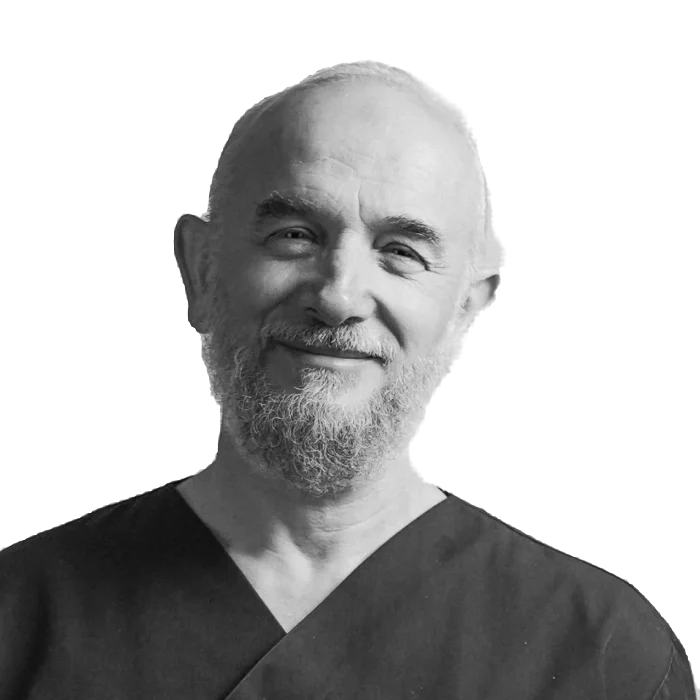
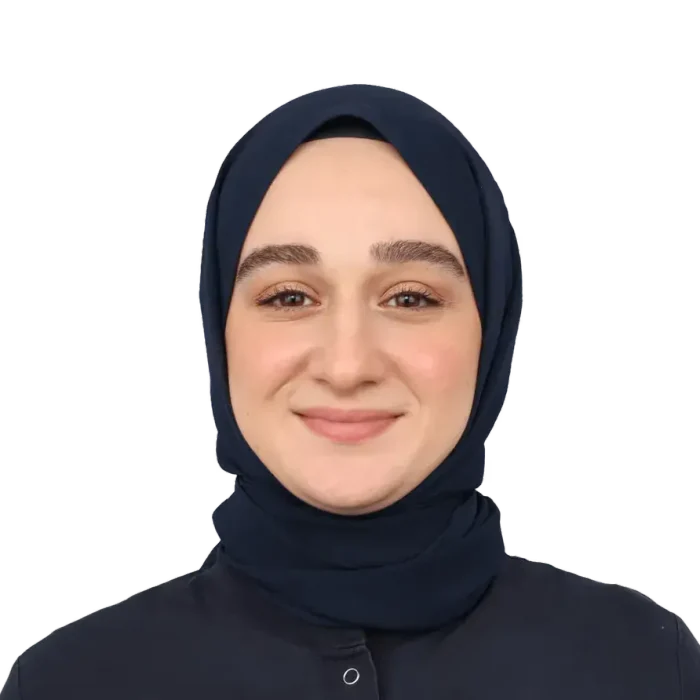
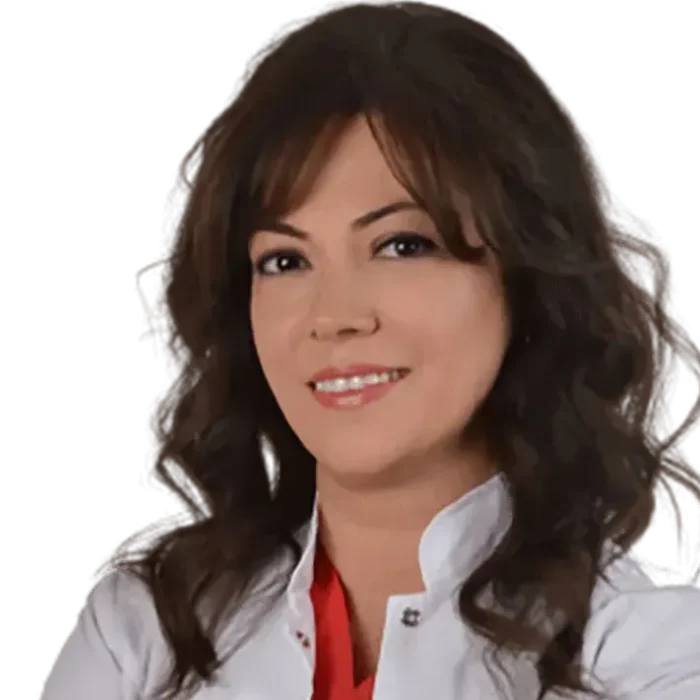
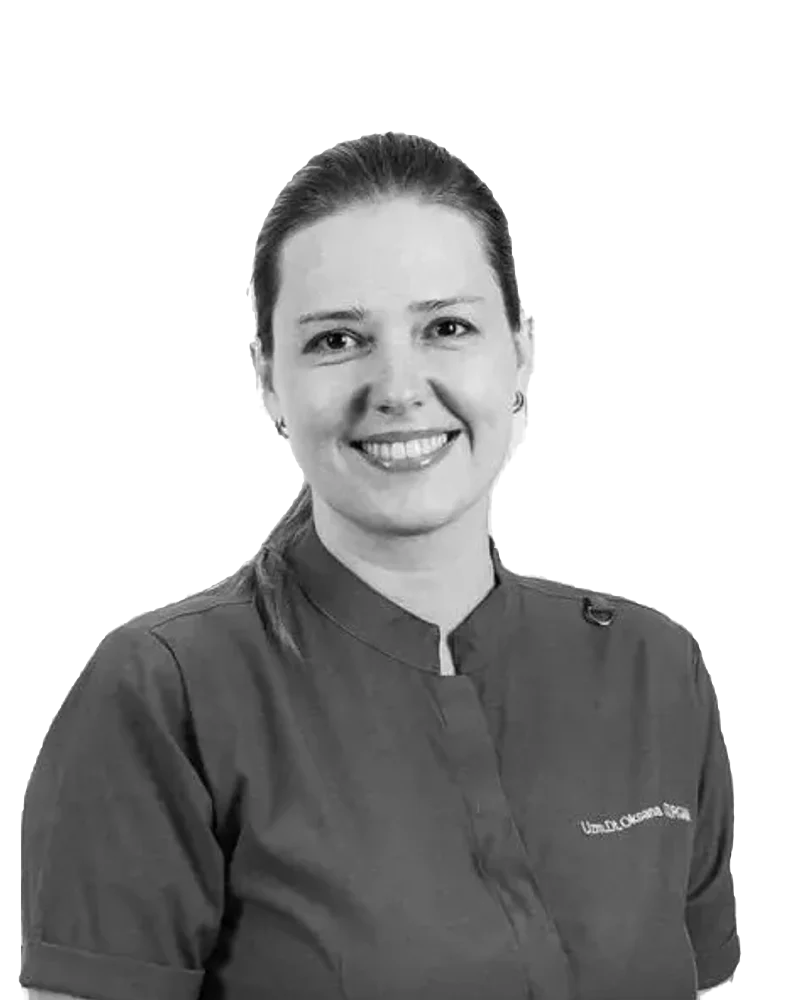
Dr Oksana Oturgan
17
yrs
Endodontics
// Specialist Dentist

Oksana Oturgan

Endodontics
TDA Registration
49737
Graduated
2009
Publications
1
// ABOUT

BIOGRAPHY

Dr Oksana Oturgan was born in Russia in 1987. In 2009 she graduated first in her class from the Ural State Medical Academy Faculty of Dentistry.

After deciding to continue her career in Turkey, she chose Marmara University for her specialisation and completed her endodontics residency there between 2015 and 2019. She then completed a PhD in endodontics at Istanbul Medipol University Faculty of Dentistry between 2021 and 2026, writing her thesis on the measurement of apical sealing in teeth with wide apices under the supervision of Prof. Mahir Günday. She regards having trained in the dental traditions of two different countries as an advantage that broadens her professional outlook.

Micro-endodontics sits at the centre of her clinical work: she focuses on microscope-assisted root canal treatment, the renewal of previous root canal treatments (retreatment), MTA applications, vital pulp therapy and regenerative endodontics. She considers working under magnification indispensable, since the details the naked eye misses often decide the fate of a treatment.

She regularly attends advanced training programmes in endodontics and restorative dentistry, and closely follows developments in the techniques and materials of her field. She is a member of the Turkish Endodontic Society and the European Society of Endodontology (ESE).

Russian is her native language; she also speaks Turkish and English. Welcoming a significant share of patients from abroad in their own language, and running the whole treatment process in it, is a natural part of her international practice.

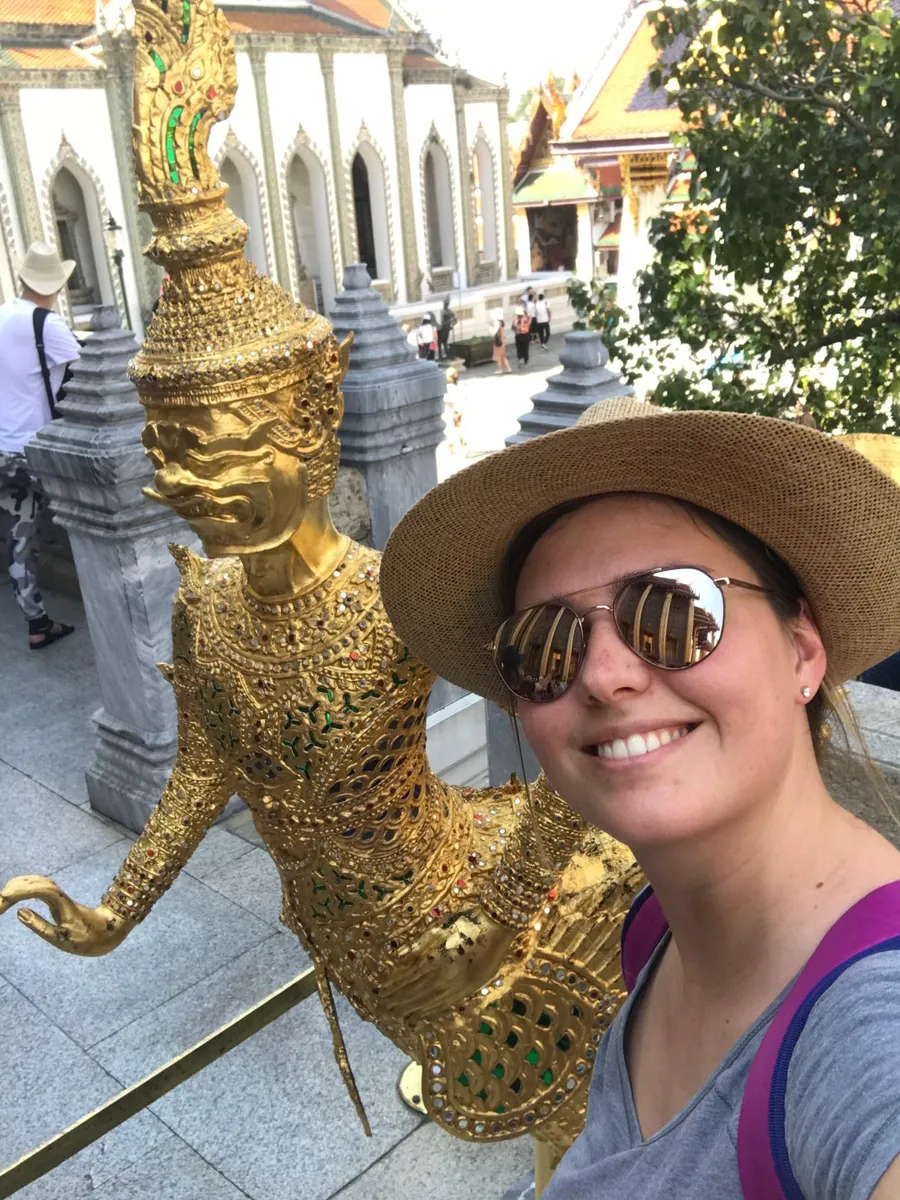
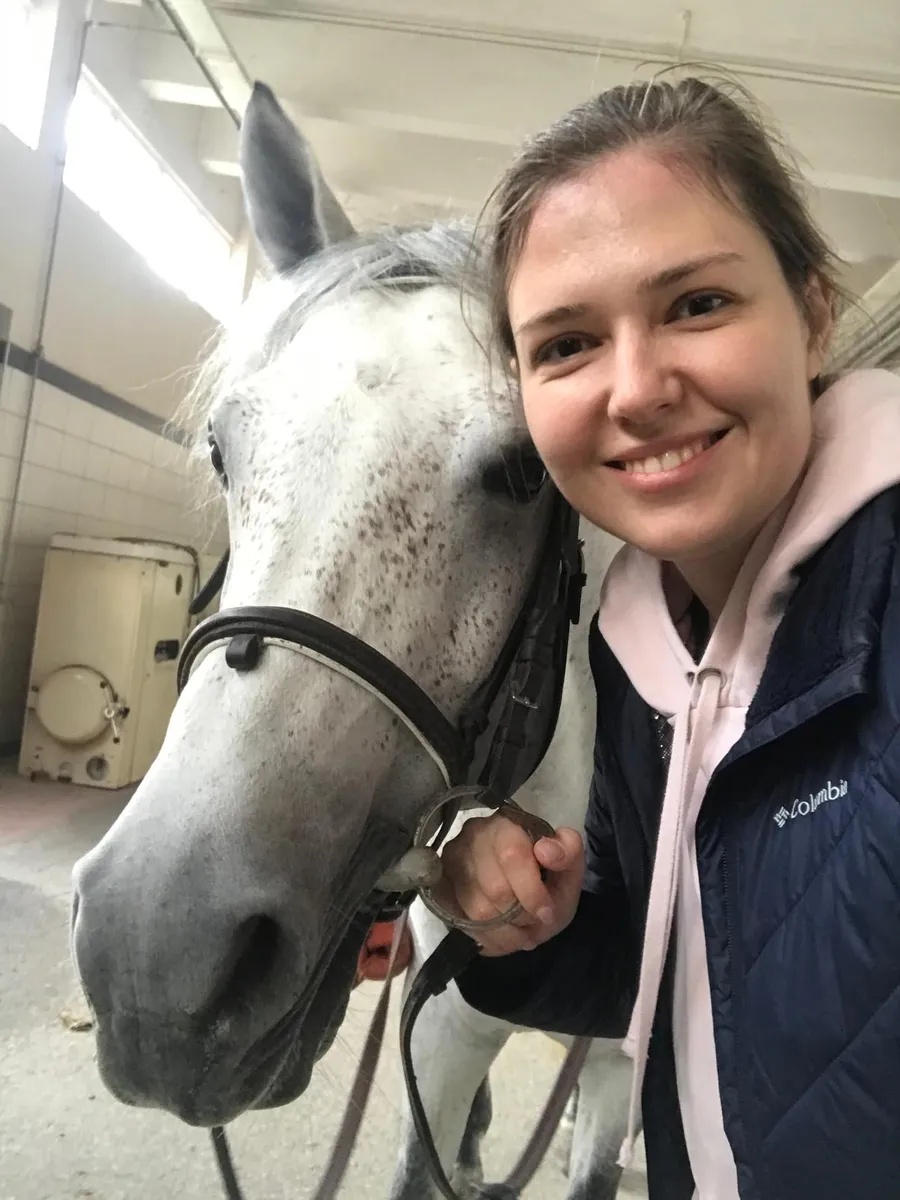
Outside dentistry she enjoys reading, trekking, yoga and pilates; she is interested in psychology and personal development, and travels both in Turkey and abroad.

// IN THEIR OWN WORDS

THE INTERVIEW

Coming soon
Frequently asked

When will my treatment be finished?

It is the question I hear most often in the surgery, and my answer is always the same: I tell the truth. The length of a root canal treatment is set by the state of the tooth, not by the calendar; some teeth are finished in a single session, in others we have to wait between sessions to see how the infection behaves. I tell the patient my estimate and what it depends on, and I never make the process sound shorter than it is.

The second most common question is "when is my next appointment?". That one is answered not by me but by my colleagues at the front desk; I pass the treatment plan to them and they arrange the appointments around the patient’s own schedule.

Common misconception

An infected tooth has to be extracted

This is the misconception I meet most often in my field. When an infection shows at the tip of the root, many patients, and sometimes the dentist they saw before, assume the tooth can no longer be saved.

Yet an infection can heal with a well-performed root canal treatment. Once the canals are cleaned and filled, the body completes the healing in the bone by itself. The only thing I ask of the patient is to come back for a check-up six months later; at that visit we see the healing together on the X-ray.

Case

The fifteen-year-old who kept the tooth she was told to lose

A fifteen-year-old girl came to me having been told that there was a cyst on her tooth and that it had to be extracted. I assessed the tooth under the microscope and decided that a root canal treatment was possible instead of an extraction.

We completed the treatment under the microscope. At her six-month check-up the tooth had healed completely. Losing a tooth at that age can be the first link in a chain that lasts for decades; our patient instead started her orthodontic treatment with her own tooth, and happily.

Case

The child who could supposedly only be treated under anaesthesia

For a child patient with an intellectual disability, the family had been told that treatment could only be done under general anaesthesia. For some children that really is the only way; but I did not want to decide without trying first.

We worked with a rubber dam, the thin latex sheet that isolates the tooth being treated from the rest of the mouth. It protects both the child and the working field, and lets us carry out the treatment in a much calmer setting. We completed the dental treatments this way, without sedation, successfully.

Where I say no

When a crown or veneer is requested on a healthy tooth

Sometimes patients come wanting crowns or veneers on perfectly healthy teeth. Both of these treatments require removing tooth structure; I do not think it is right to cut a healthy tooth for its appearance alone, and I say so plainly.

In those situations I try to persuade the patient towards orthodontics. Once the teeth are properly aligned, the look they were after is very often achieved without touching the tooth at all, and the patient keeps their own tooth exactly as it is.

Coming soon
IN THEIR OWN HAND
Nothing compares to your own tooth.
Dr Oksana Oturgan
Oksana Oturgan

More thanjust a doctor

Oksana Oturgan
Oksana Oturgan
Oksana Oturgan
Oksana Oturgan
Oksana Oturgan
Oksana Oturgan
Oksana Oturgan
Oksana Oturgan
Oksana Oturgan
Oksana Oturgan
Oksana Oturgan
Oksana Oturgan
Oksana Oturgan
Oksana Oturgan
// Verifiable Credentials

Publications (1)

  1. 01

    Thesis · Measurement of apical sealing in teeth with wide apices. Supervisor: Prof. Mahir Günday.

It begins with a conversation

Meet Dr Oksana Oturgan.

WhatsApp

Not sure which treatment fits? Tell us what’s wrong →