Skip to content
MosdentISTANBUL 1992
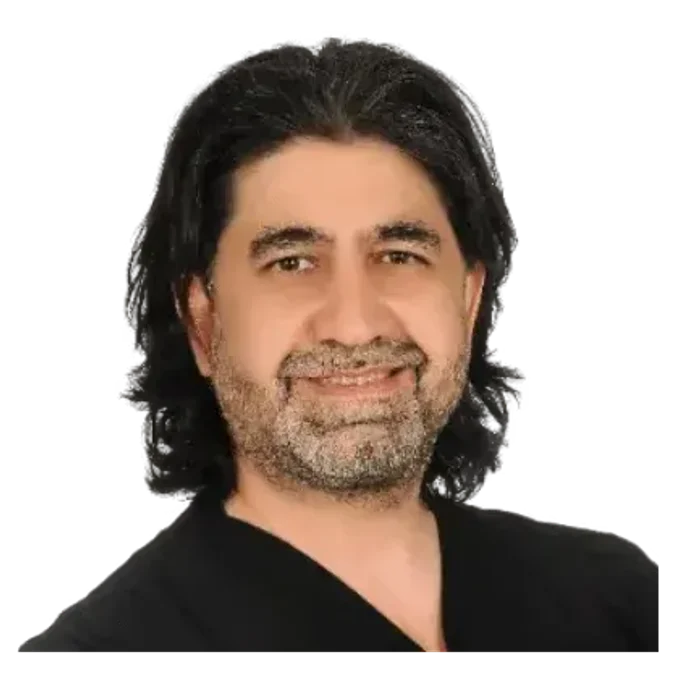
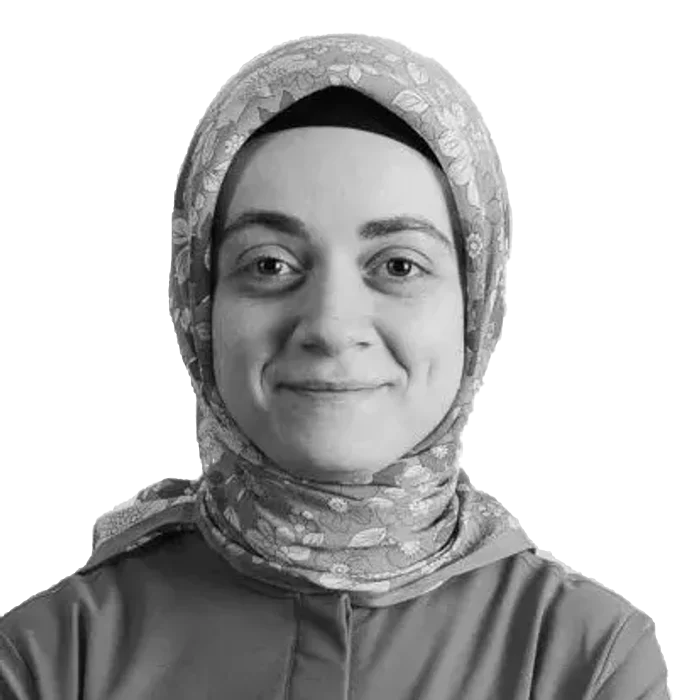
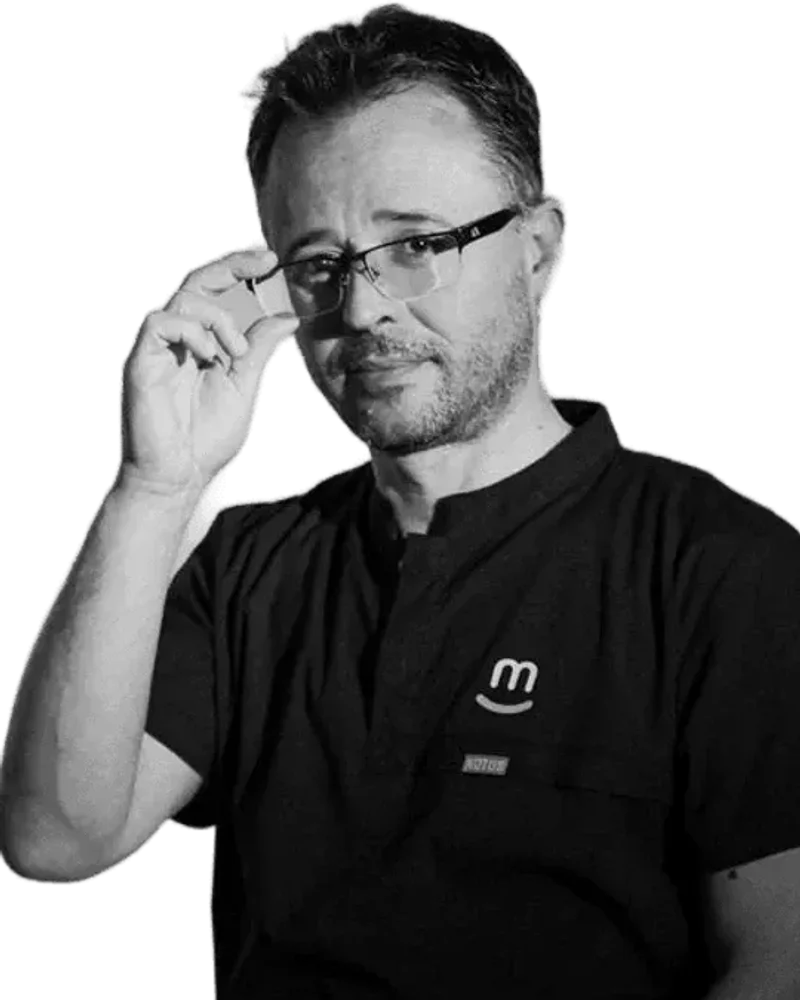
Dr Anıl Çetin, PhD
Endodontics · PhD
// Dentist, PhD

Anıl Çetin

Endodontics · Restorative Dentistry
TDA Registration
24934
Graduated
2000
// ABOUT

BIOGRAPHY

Dr Anıl Çetin was born in Kırklareli in 1977. He studied on the English-track programme of Marmara University Faculty of Dentistry, which he began in 1995 and completed in 2000.

After graduating, he worked as a research assistant at the same faculty between 2002 and 2008, completing his doctorate during this period. His doctoral thesis examined, under laboratory conditions, microleakage in teeth restored with the open sandwich technique using different restorative materials. This interest in how restorative materials behave in the mouth still underpins his clinical decisions today.

Following his military service, he joined Mosdent in 2009. His clinical work centres on root canal treatments, micro-endodontics and the sound restoration of teeth after root canal therapy. Having practised at the same clinic for many years allows him to follow the long-term course of his treatments in his own patients.

Since 2021 he has also served as an assistant professor at Istanbul Gelisim University Faculty of Dentistry, where he heads the Department of Restorative Dentistry. He combines clinical practice with his academic role, and believes that working with students keeps his dentistry sharp.

A continuation of his doctoral research, his sole-authored article examining the microleakage of nanohybrid flowable composites in deep cavities was published in the Istanbul Gelisim University Journal of Health Sciences in 2020.

Having studied dentistry in English, he communicates with international patients directly in their own language; he sees patients in Turkish and English.

// IN THEIR OWN WORDS

THE INTERVIEW

Coming soon
Frequently asked

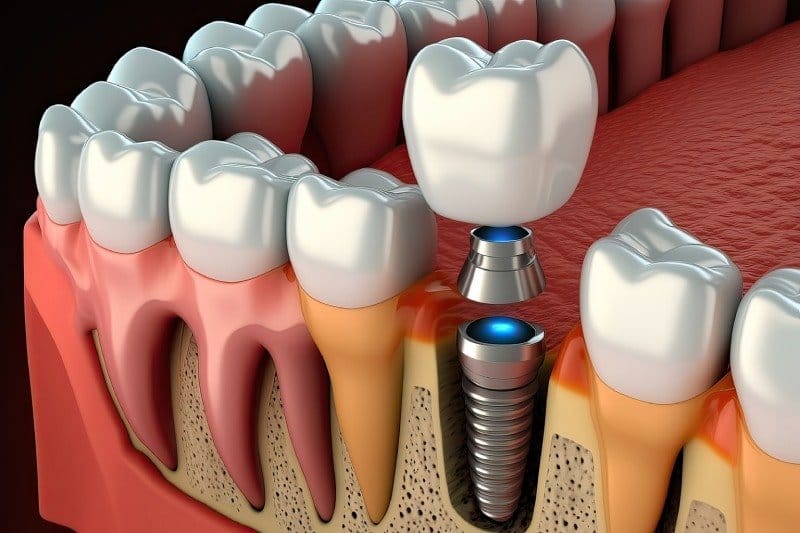
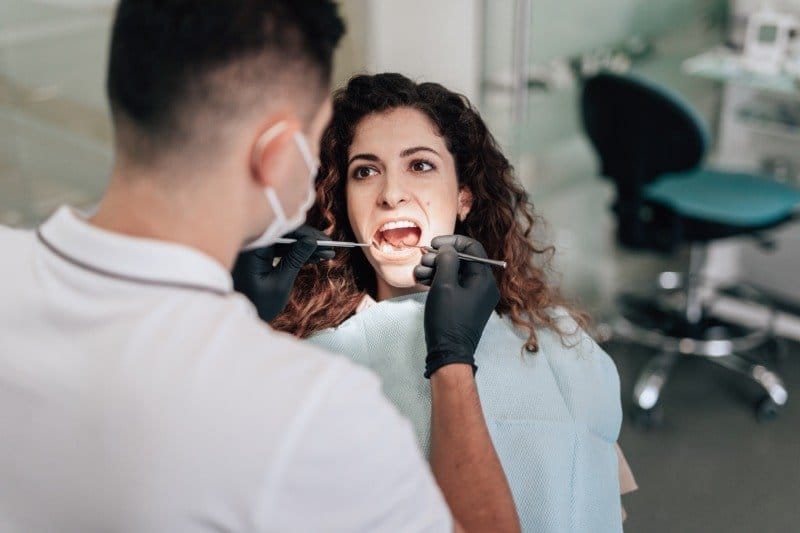
Which is the better choice, root canal treatment or extraction and an implant?

I hear this question almost every week, and my answer always starts the same way: let us look at the tooth first. A natural tooth that can be saved is not exactly matched by anything put in its place, in the relationship it has with the surrounding tissues or in how chewing feels. So I always begin the assessment from the possibility of keeping the tooth.

On the other hand, this does not mean every tooth must be saved under every circumstance. The amount of sound tissue remaining, the condition of the root, whether a sound restoration can be built on the tooth, and the patient's overall oral health have to be weighed together. In some situations an extraction, and the treatment planned to follow it, serves the patient better than insisting on a root canal.

In other words, the question has no general answer; it has an answer for your tooth. At the examination we talk openly through the advantages and the limits of both options for that particular tooth, and we make the decision together.
Common misconception

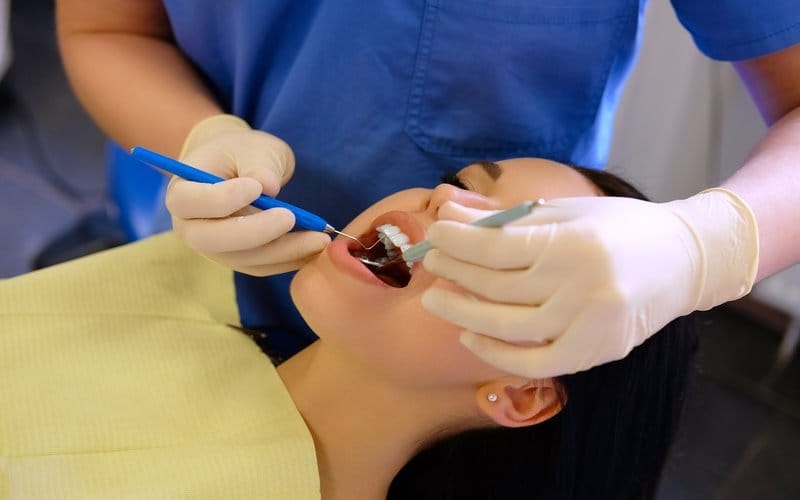
A root-treated tooth is a dead tooth; sooner or later it gets extracted anyway

The phrase 'dead tooth' creates an unfair despair in patients. In root canal treatment the vessels and nerve tissue inside the tooth are removed, that much is true; but the tooth keeps its relationship with the bone and supporting tissues around it and goes on doing its chewing work. What remains is not a structure that has lost its function, but a tooth cleared of infection and taken under protection.

One of the most important factors deciding the life of a root-treated tooth is the quality of the restoration built on top of it, and the patient's oral care. Properly restored and regularly checked, root-treated teeth can be used without trouble for many years. This is exactly what has interested me since my doctoral years: root canal treatment is not the end of a tooth, it is the beginning of the effort to keep it.

Case

The tooth of the patient who came for an extraction

One of our patients had booked the appointment for an extraction. The decision was already made as they sat down; they had suffered enough from this tooth and wanted to be rid of it. After the examination and the X-ray the picture looked different to me: the tooth had enough sound structure to be worth trying to save, and the source of the complaints looked treatable.

I did not press them; I described what I saw. We talked it through point by point: extraction was on the table too, but why trying root canal treatment first was reasonable, and how the process would go. They thought for a while and then said that if I was giving the tooth a chance, they would give it one as well.

We completed the treatment and the restoration on top of it. That tooth is still in place today, and we still see each other at the yearly check-ups. The reason I value this case is not the outcome but the process: whatever decision the patient arrives with, the clinician has to describe honestly what they see, and leave the last word with the patient.

Case

In the same chair, years later

Working at the same clinic for a long time has taught me something: the real test of a treatment is taken not on the day it ends but years later. One of our patients had not been seen for a long while after a root canal I had done years before. One day they came in with a complaint about an entirely different tooth.

When we opened the file we remembered the old treatment together. They said the tooth had never given them any trouble, which was why they had not come; then added with a laugh that they knew that was no excuse to stay away. We assessed the new complaint that day, and checked the old treatment as well.

For me these encounters are the most instructive moments of the profession. I see how a given approach and a given material stand up to the years not from a book but by following the same mouth. But in those same conversations I always repeat the same point: a tooth causing no trouble is not a reason to skip check-ups; most problems are seen by us before the patient feels them.

Where I say no

I do not perform root canal treatment on a tooth that cannot be restored

Even when a root canal is technically possible, if a sound, long-lasting restoration cannot be built on the tooth I do not recommend the treatment. In a tooth with severe loss of structure, a fractured root or walls too weakened to hold, a root canal does nothing but cost the patient time and hope.

In such a case I tell the patient plainly what I see: I can treat this tooth, but I do not believe it will benefit you. Then we talk through all the options, including extraction and what can be put in its place.

I still use the measure I learned in my years as a research assistant: the fact that a treatment can be done does not mean it should be done. The clinician's job is not to apply the technique at hand to every tooth, but to choose what will truly serve that tooth and that patient.

Coming soon
IN THEIR OWN HAND
I measure success not by how quickly a treatment is finished, but by whether it still holds years later. That is why, before touching a tooth, I focus on getting the diagnosis right and completing every step patiently, with the right material.
Dentist, PhD Anıl Çetin
Anıl Çetin

More thanjust a doctor

Coming soon
Coming soon
Coming soon
Coming soon
Coming soon
Coming soon
Coming soon
Coming soon
Coming soon
Coming soon
Coming soon
Coming soon
Coming soon
Coming soon
It begins with a conversation

Meet Dr Anıl Çetin, PhD.

WhatsApp

Not sure which treatment fits? Tell us what’s wrong →