Skip to content
MosdentISTANBUL 1992
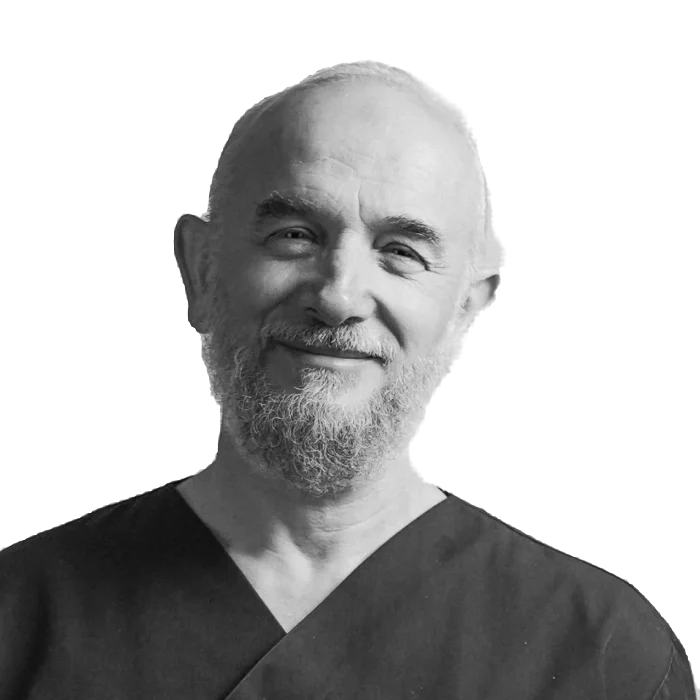
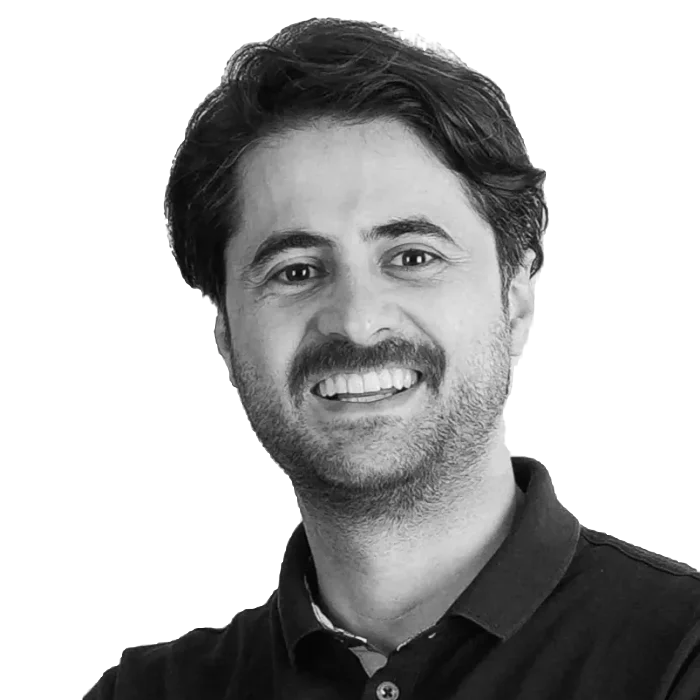
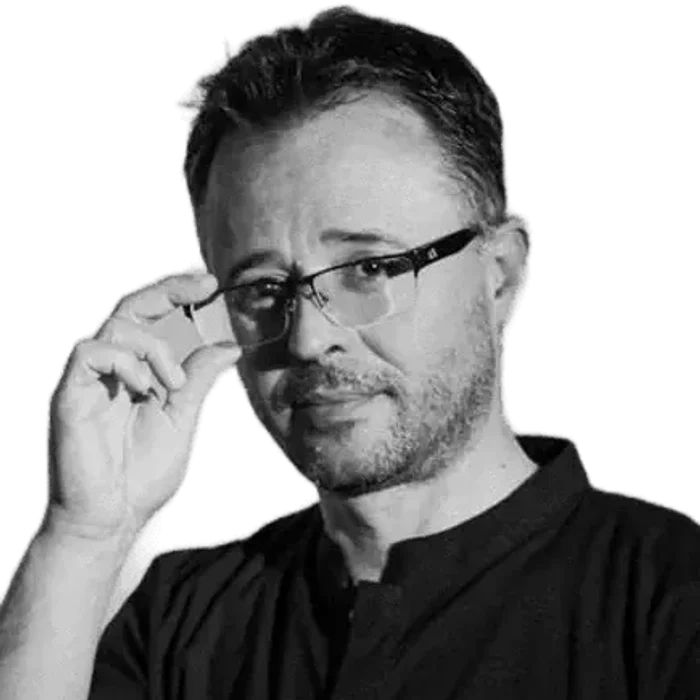
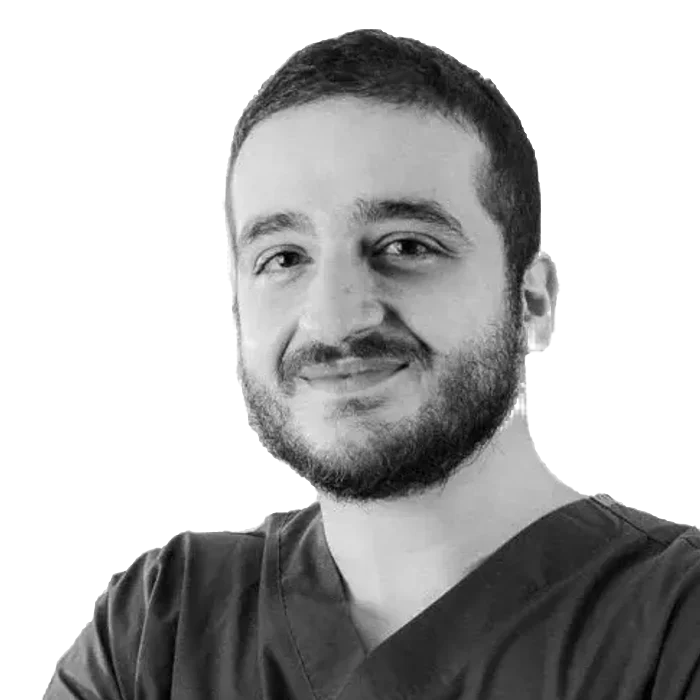
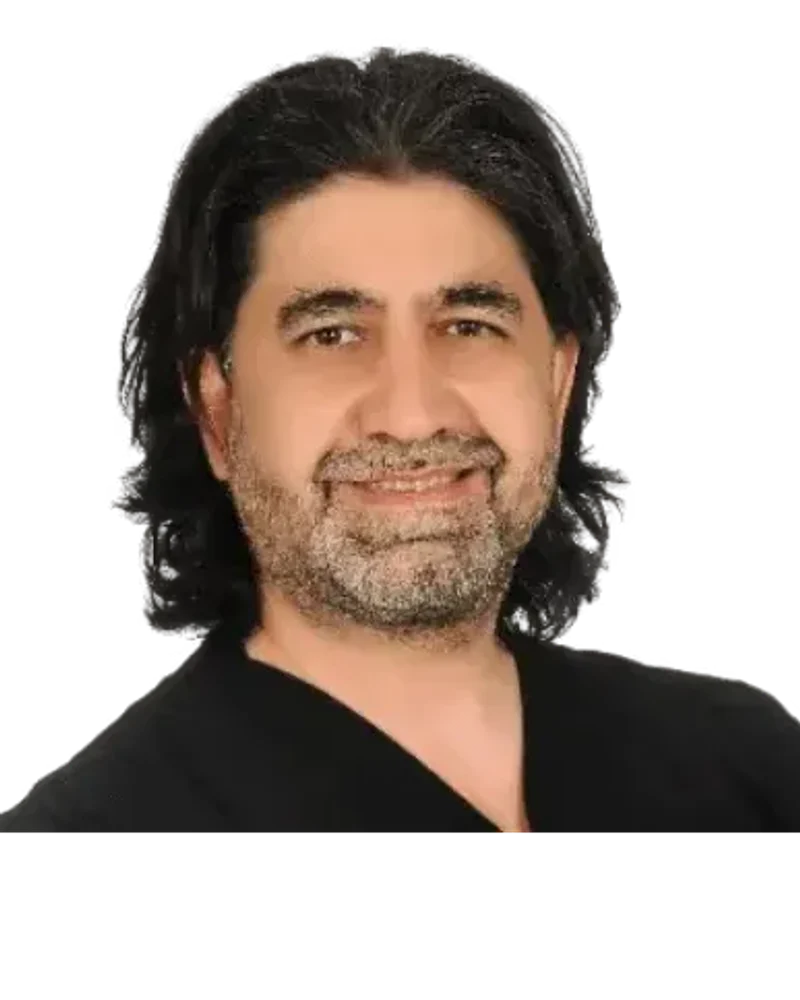
Ömer Faruk Şarkbay
34
yrs
Founder · 1992
// Dentist, PhD in Health Management

Ömer Faruk Şarkbay

Oral & Maxillofacial Surgery
55K+Implant Operations
TDA Registration
14123
Graduated
1991
Publications
31
// ABOUT

BIOGRAPHY

Dr. Ömer Faruk Şarkbay was born in Ankara in 1970 and graduated from Istanbul University Faculty of Dentistry in 1991, at the age of twenty-one and two years ahead of his peers. Within a year of graduating, in 1992, he co-founded Mosdent together with Dt. Hakan Kaval, and he has practised without interruption under the roof of the clinic he built ever since. The scale Mosdent has reached today is, in his eyes, still the continuation of the same simple idea: a dentist who knows his patient, and a patient who knows their dentist.

Across more than three decades of clinical work he has performed over fifty-five thousand implant operations, specialising where implantology meets smile aesthetics. To him an implant is never just a fixture, and smile design is never just a visual exercise; together they are parts of a coherent plan that fits the patient's facial features, age and character. He combines an artistic eye with scientific precision, aiming for smiles that look natural, balanced and unmistakably the patient's own.

He is a clinician who feeds his practice with academic curiosity. He holds a master's degree in business administration from Marmara University and completed an MSc in oral implantology at Bezmialem Vakıf University between 2013 and 2015. His MSc thesis investigated, in vitro, the temperature changes occurring in bone during osteotomies performed with different brands of implant burs; years later the same work was published in an international peer-reviewed implantology journal. He then earned his PhD in business administration at Istanbul Gelisim University, analysing in his doctoral thesis how lean management affects service quality in healthcare and the people receiving that care.

He currently serves as an assistant professor in the Department of Health Management at Istanbul Gelisim University's Faculty of Health Sciences, teaching courses such as health tourism, health economics, marketing in healthcare institutions and organisational behaviour in healthcare businesses, and supervising master's theses on healthcare administration, digital marketing and AI applications. He believes his mornings in the operating room and his evenings at the lectern feed each other: real problems seen in the clinic shape his research questions, and what he learns from research shapes his clinical processes.

His academic output spans a wide range. Alongside articles in peer-reviewed journals he has written books on lean management, innovation performance and neuropsychological applications in dental treatment, and he edited an international volume on next-generation treatment methods and destinations in dental health tourism. He is also among the inventors named in a published national patent application for a micro QR code based smart patient information, digital consent and treatment tracking system integrated into dental restorative procedures.

Today he works at Mosdent both as owner and founding partner and as an active clinician. A significant share of his patients are families he has come to know over the years; welcoming the children, and now even the grandchildren, of patients he once treated to the same chair is, to him, the finest report card this profession can give.

ACADEMIC

Dr. Şarkbay's academic work seeks scientific answers to questions born inside the clinic. His master's thesis examined the temperature changes caused in bone by implant drills of different brands, and the study was carried into the international peer-reviewed literature. He completed his doctorate on the effects of lean management in healthcare services.

Today he is the author of thirty scientific publications, from articles and books to book chapters and an edited volume; his work ranges from implantology to healthcare management, digital marketing and artificial intelligence applications. He edited an international book on dental health tourism, has supervised numerous master's and doctoral theses, and has filed a TURKPATENT application for a micro QR code based smart patient information system.

// IN THEIR OWN WORDS

THE INTERVIEW

Coming soon
Frequently asked

Am I too old for an implant, or is it still too early for me?

I hear this question from both ends. A patient in their seventies comes in saying their time has passed; a patient in their twenties keeps postponing because there is still plenty of time. I tell them both the same thing: what decides an implant is not the age on your identity card but the condition of your mouth and your general health.

In young patients the only real limit is that the growth of the jaws must be complete; while development continues we do not place implants, we wait. At an advanced age we assess the general state of health, the medications in use and the structure of the bone together. I never tell anyone yes or no without an examination and imaging; but I can comfortably say this: many of my patients who had resigned themselves to living with missing teeth for years, on learning after the assessment that an implant was still possible for them, regret nothing so much as the time they lost.

Common misconception

Implant treatment is very painful and a real ordeal

This belief usually feeds on memories of dentistry from forty years ago, or on stories that grow as they pass from ear to ear. Yet implant surgery is a planned, controlled procedure carried out under local anaesthesia; the patient feels no pain during the operation.

My own observation is this: a good share of my patients say afterwards, 'was this really what I was so afraid of?' Of course every surgical procedure has a healing period, and it varies from person to person; I never tell anyone they will feel nothing at all. But the fear itself is very often the hardest part of the treatment, and we shrink that fear together, by explaining step by step what we are going to do.

Case

The patient who sat in the same chair thirty years later

One day a patient I remembered from the clinic's earliest years walked through the door after many years, with a young man at his side. 'Doctor,' he said, 'this is my son. I have brought him to place his teeth in your hands.'

That day we talked far more than we treated. We spoke about the clinic in the nineties, the equipment of those days, the old armchairs in the waiting room. Then we moved on to his son's examination, and the father sat on the stool beside the chair he himself had sat in years before, and watched.

I think this is what does a person most good in this profession: seeing the success of a treatment not on an X-ray but in the second generation walking through the door years later. A patient entrusts you not with their teeth but with their trust; and that trust is not won once and for all, it has to be earned again at every appointment.

Case

The patient whose hand was always in front of their mouth in photographs

At the first examination a patient took out their phone and showed me their family photographs. A wedding, a holiday, a family gathering; the same pose in every one: smiling with a hand in front of the mouth. They said they had been like this in photographs for years, and that by now even their children were noticing.

We planned the treatment together; we talked through from the start what we would do and how long each stage would take. What I paid most attention to throughout was that the smile we produced should belong to their face, not to a magazine cover. When the treatment was finished they looked in the mirror for a long time, but that was not the real moment.

The real moment came months later, at a check-up, in a new photograph they showed me on their phone: a family dinner, everyone laughing, and both of their hands on the table. The product of our work is not porcelain or a screw; it is a person being able to look at their own photograph without flinching.

Where I say no

When I do not recommend treatment

The mouth is a whole, and if the ground is not ready even the best implant and the best design cannot last in it. I do not start implant surgery before gum disease has been treated and oral hygiene has reached a certain level; first we put the foundations right together, and only then do we talk about surgery.

Nor do I think it right to extract healthy, saveable teeth and replace them with implants simply because it is quicker or easier. Where a patient's own tooth can be kept alive, the best implant is that tooth; I say this openly to my patients, even when their request points the other way.

The clearest thing more than thirty years of experience has taught me is this: being able to perform a treatment is not sufficient reason to perform it. If I am not convinced that my patient will draw a real and lasting benefit from a treatment, saying so is the non-negotiable part of my job.

Coming soon
IN THEIR OWN HAND
Even after fifty-five thousand operations I still plan every case as if it were my first, because my measure is not how many procedures I have done, but how my patient lives with that smile years from now.
Dentist, PhD in Health Management Ömer Faruk Şarkbay
// MEMORY BOOK

Memory Book

Frames from the story of the clinic and the years.

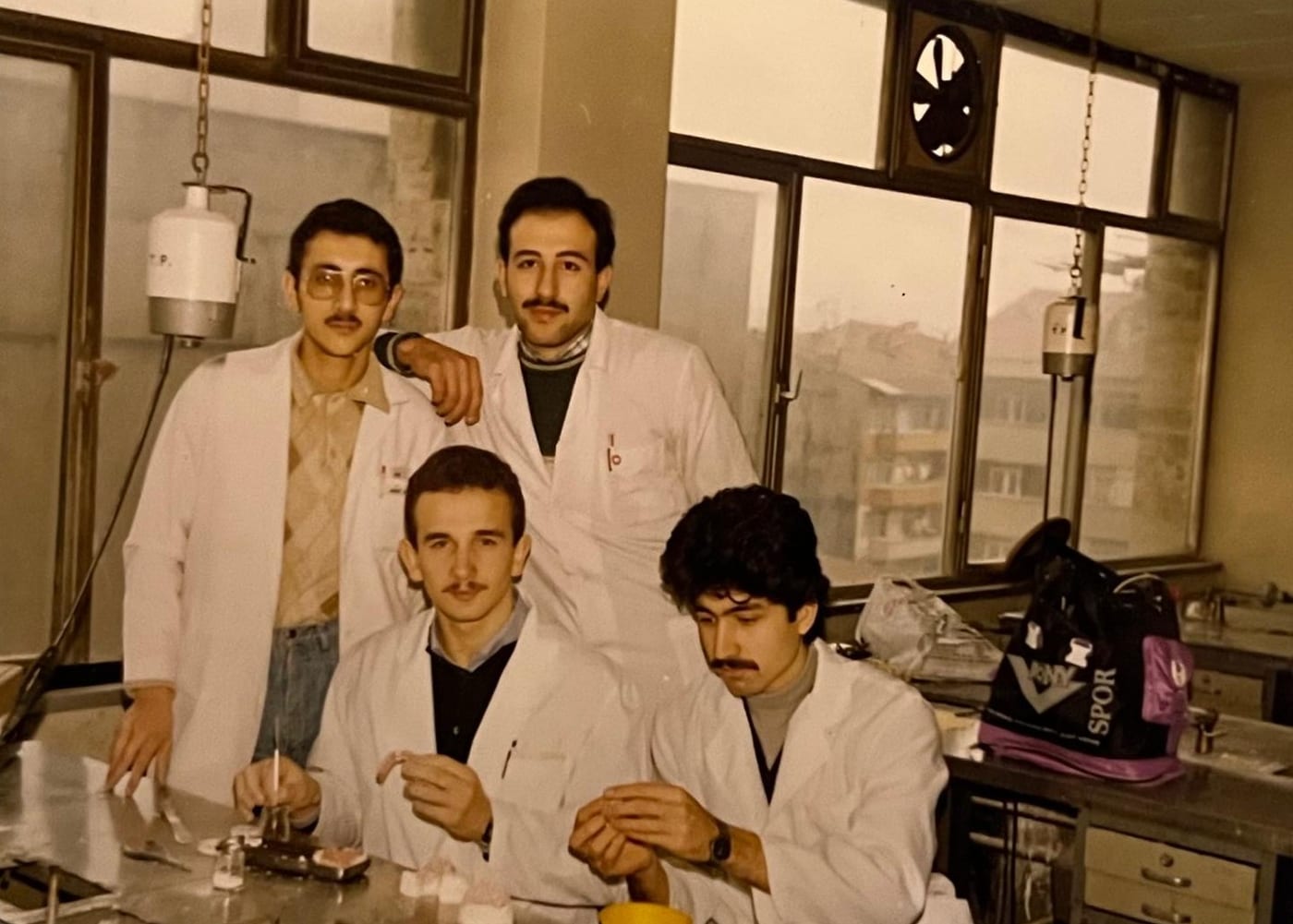
University · third year
1989 · University · third year
01
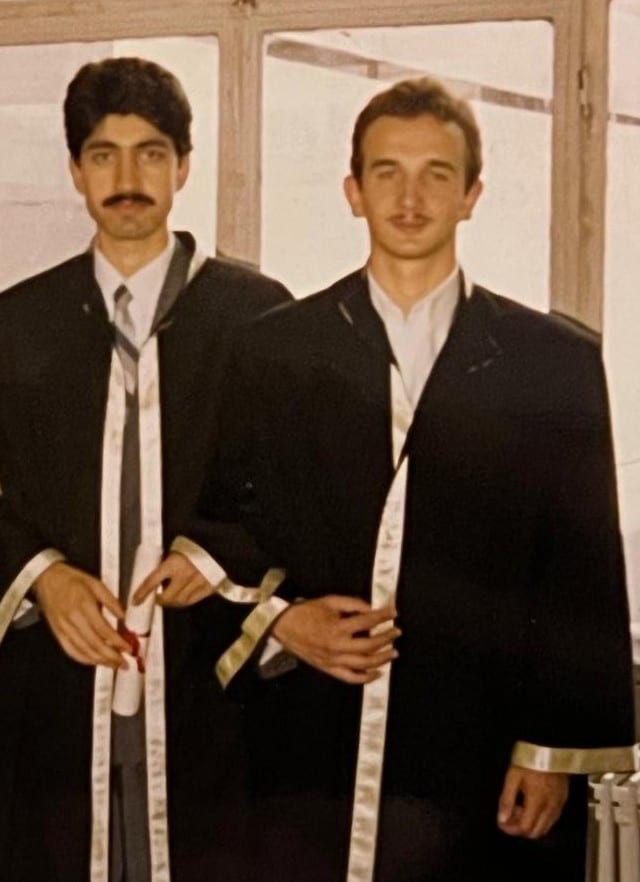
University graduation
1991 · University graduation
02
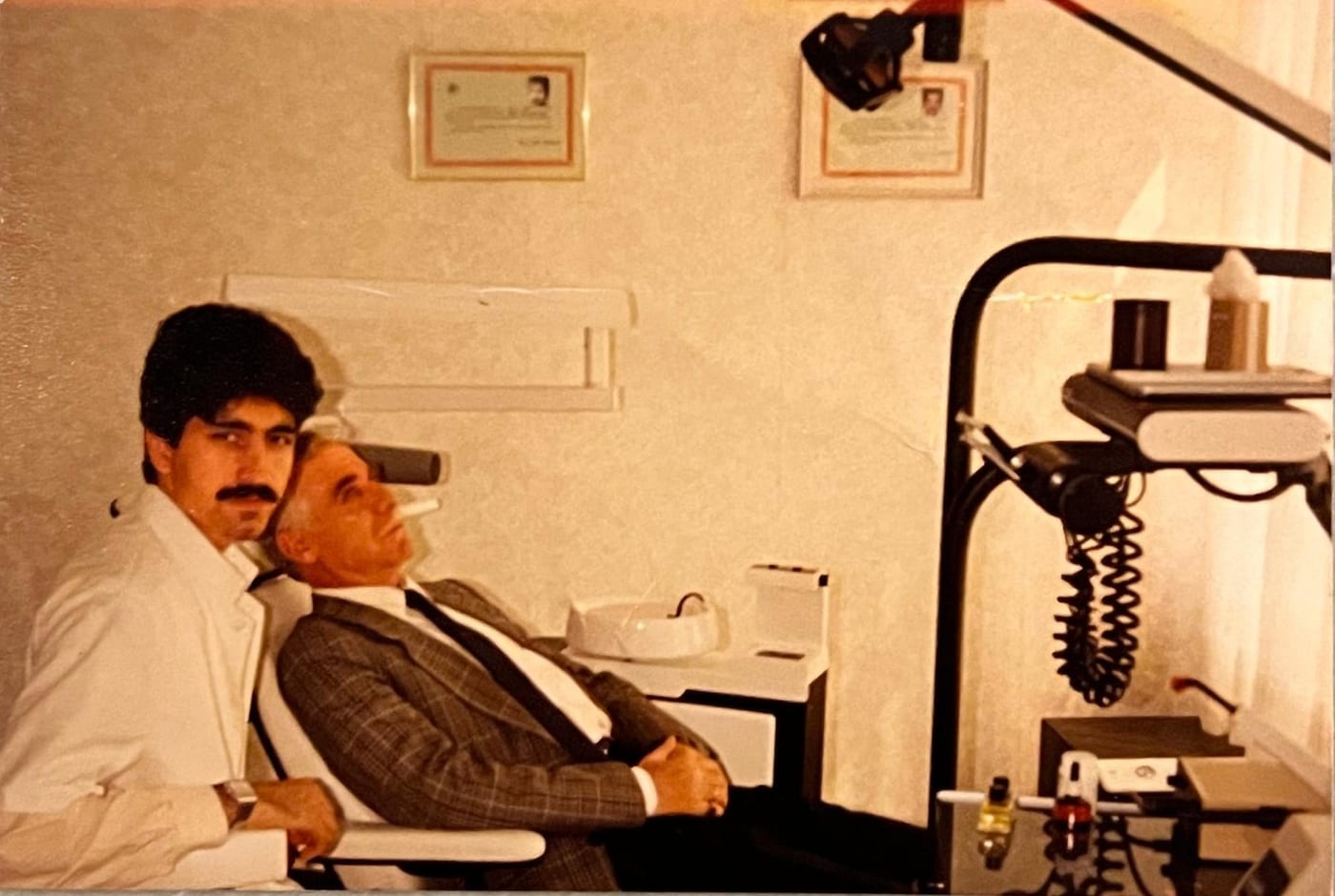
Our clinic's first patient · Ömer's father
1992 · Our clinic's first patient · Ömer's father
03
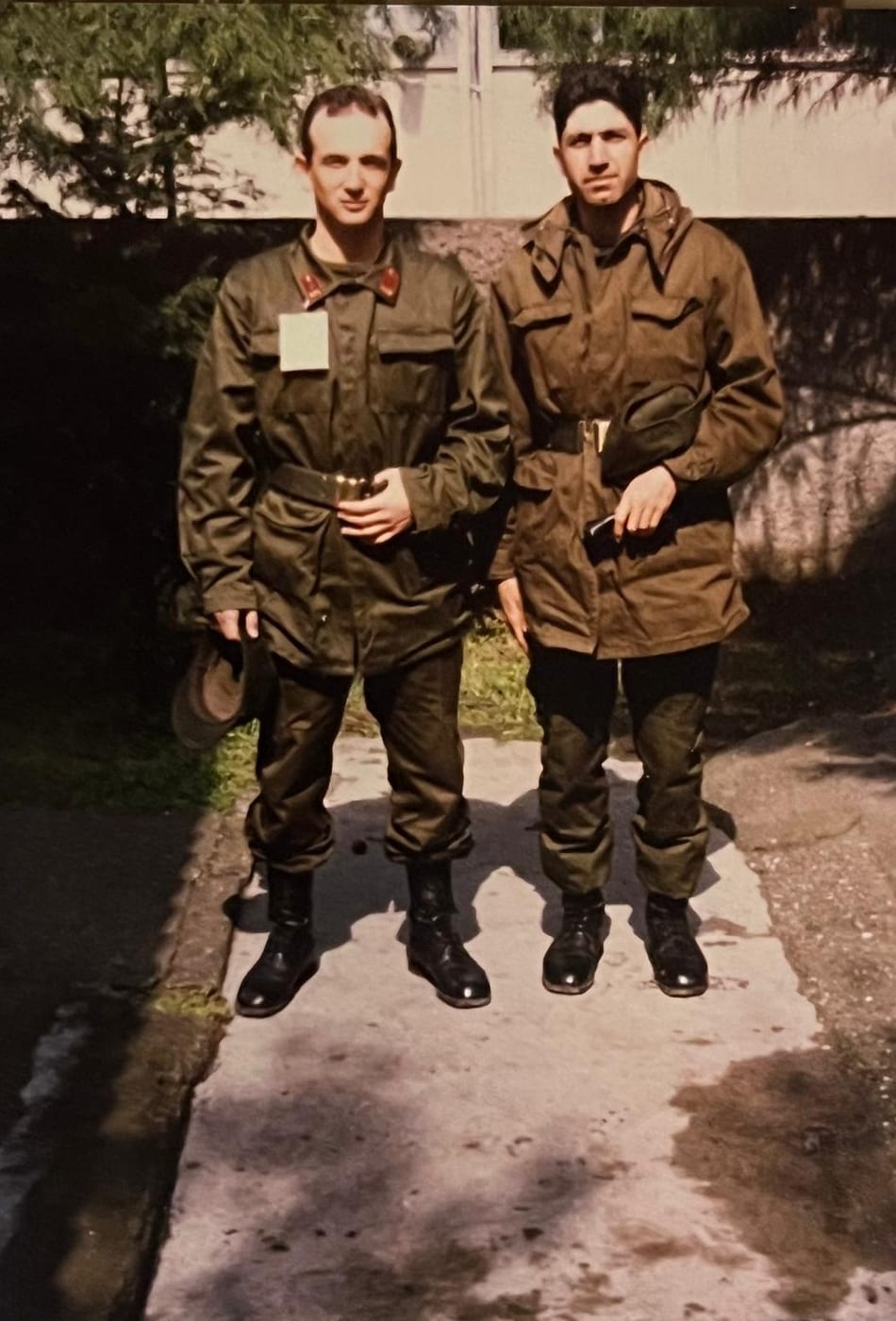
Together even in the army
1996 · Together even in the army
04
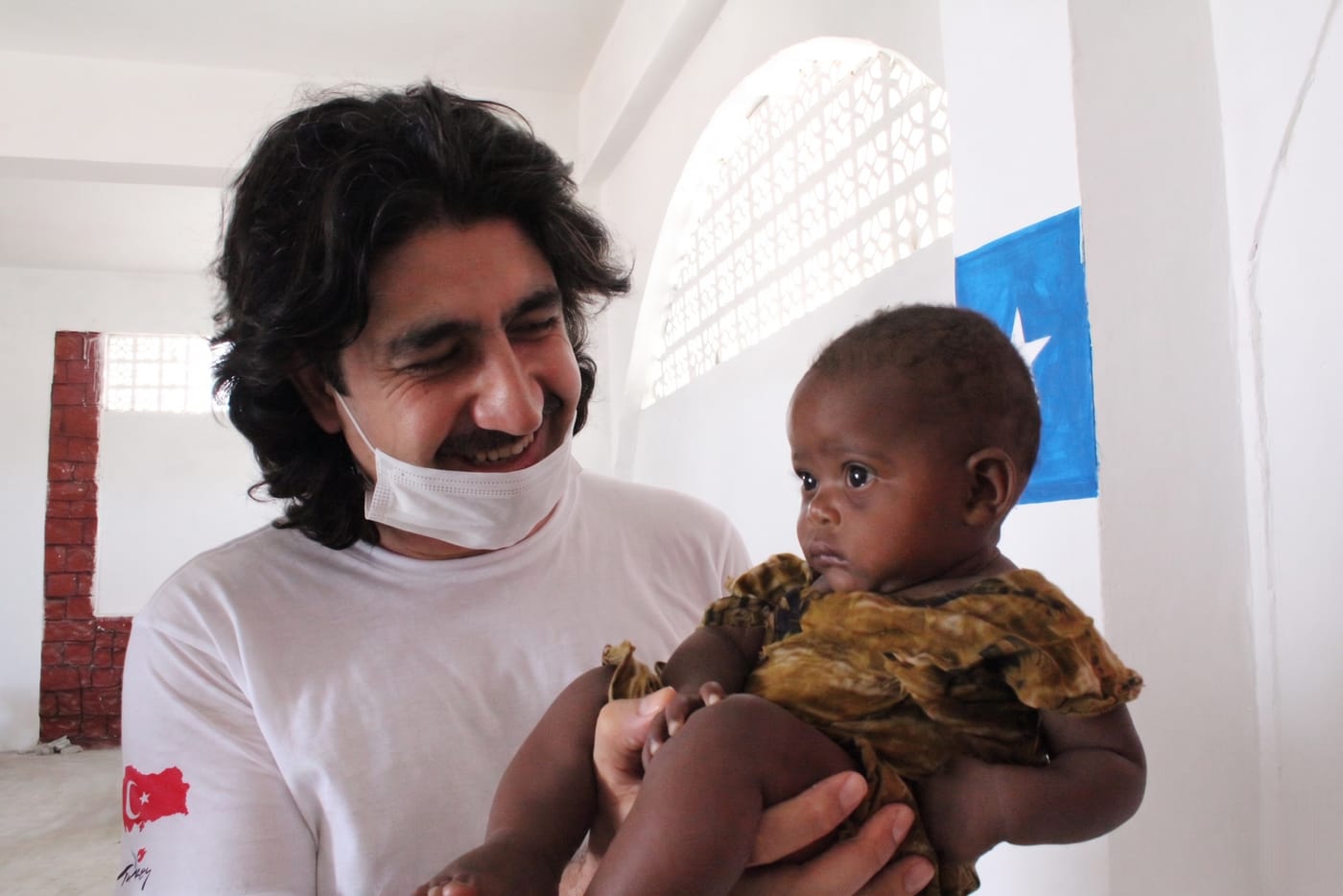
Ömer Faruk · Africa aid mission
2007 · Ömer Faruk · Africa aid mission
05
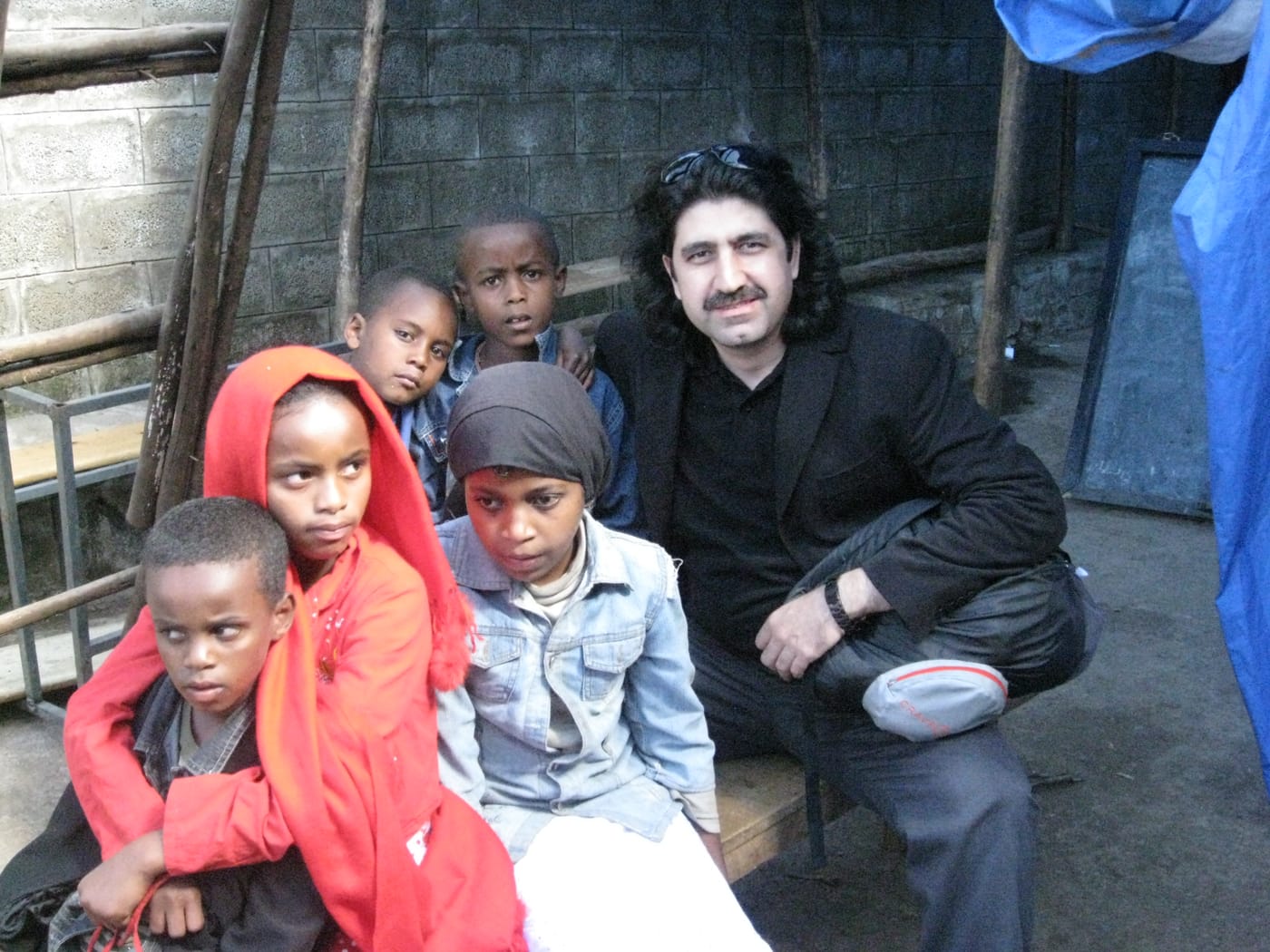
Ethiopia
2010 · Ethiopia
06
Africa aid mission
2010 · Africa aid mission
07
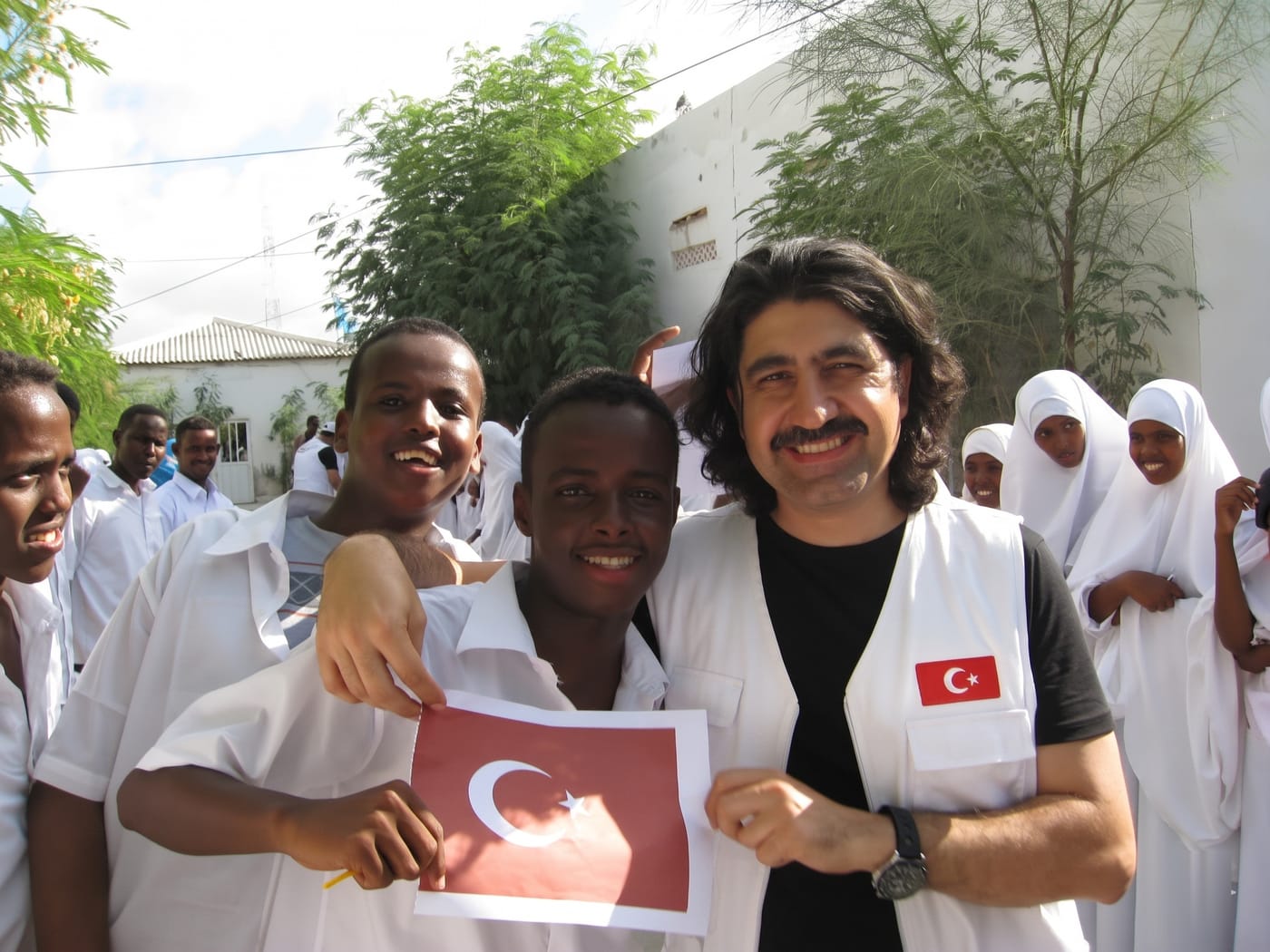
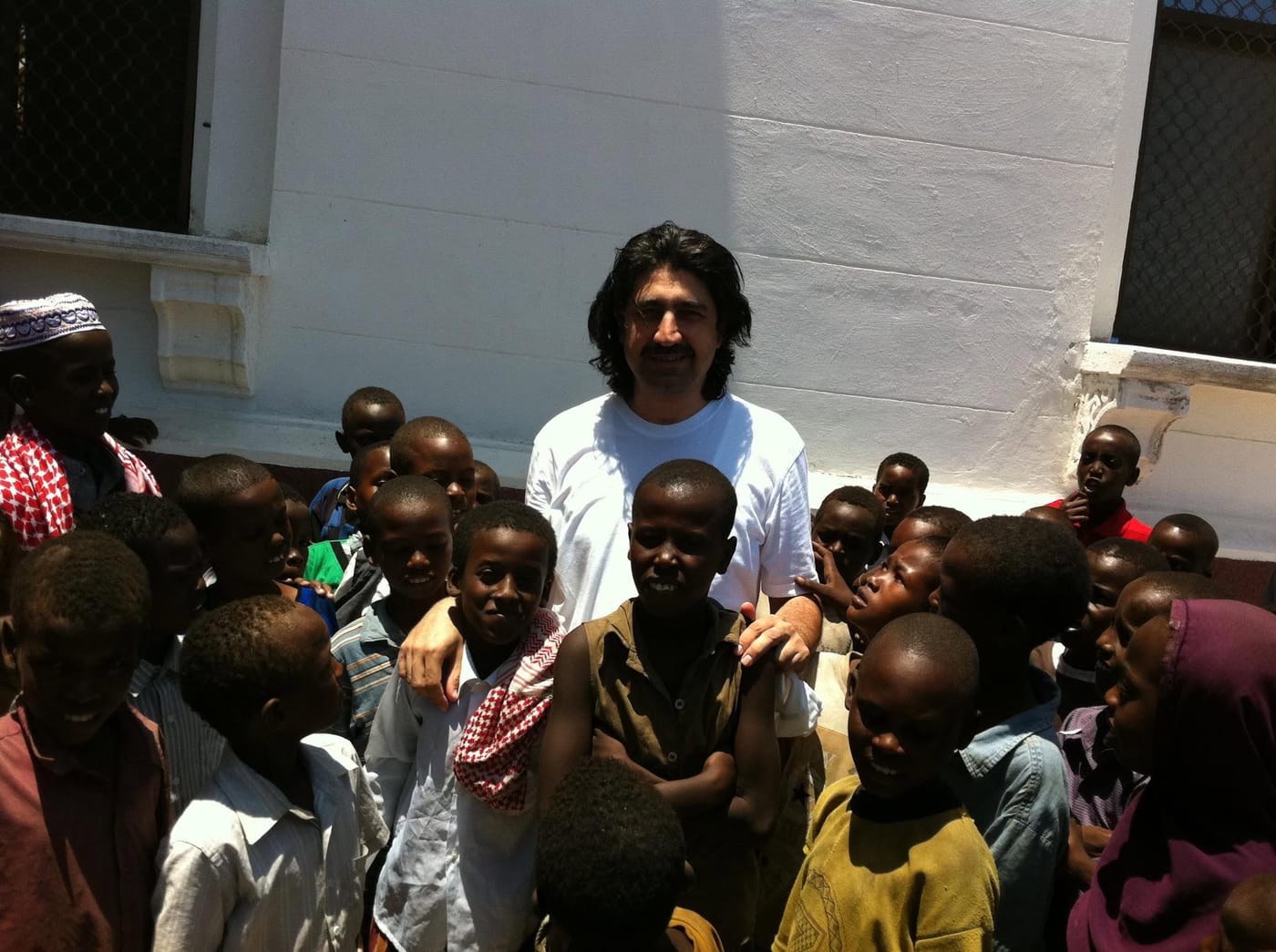
Somalia aid mission
2011 · Somalia aid mission
08

The complete list of scientific publications, with verifiable records.

// Verifiable Credentials

Publications (31)

Articles

20
  1. 01

    Başal M, Şarkbay ÖF, Kaya A. The link between emotional health and organizational performance in the healthcare sector: a policy- and management-oriented perspective on psychological risks, organizational behavior, and service quality. Front Psychol 2026;17:1799120. PubMed 42491726

    2026PubMed 42491726doi.org
  2. 02

    Başal M, Şarkbay ÖF. Safeguarding consumers in Web3-driven digital marketing: legal, governance, and financial policy challenges in the metaverse economy. Front Blockchain 2026;9:1726047

    2026doi.org
  3. 03

    Şarkbay ÖF, Kaya A. The effect of AI-supported knowledge sharing and ESG-focused human resources strategies on employee well-being and performance. Doğal Yaşam Tıbbı Dergisi 2026;7:96-107

    2026doi.org
  4. 04

    Başal M, Saraç E, Şarkbay ÖF. Intrinsic marketing activities in women’s cooperatives and employees’ entrepreneurship and its role in ensuring innovative behaviors. J Bus Adm Res 2026;15:23

    2026doi.org
  5. 05

    Conference paper · Şarkbay ÖF, Kaya A, Başal M, Deniz A. Organisational resilience and sustainable value creation: how prosocial motivation and psychological safety foster collective social benefits. 12th Congress on Organizational Behavior, Necmettin Erbakan University, Konya, 31 October - 1 November 2025

    2025sbf.gelisim.edu.tr
  6. 06

    Şarkbay ÖF, Mihmanlı A, Çora H. In-vitro investigation of bone temperature changes in osteotomies performed with different brands of implant burs. Int J Implant Dent 2025;11:11. PubMed 39934526

    2025PubMed 39934526doi.org
  7. 07

    Şarkbay ÖF. The effects of lean management on the service quality of businesses: an application in the health sector. IGUSABDER 2025;(27):1061-1076

    2025doi.org
  8. 08

    Şarkbay ÖF. The effects of developments in cloud technologies on the health sector. PEJOSS 2025;9(50):1-15

    2025doi.org
  9. 09

    Başal M, Şarkbay ÖF. Automatic ad optimization and budget estimation with artificial intelligence: health service. Economics World 2025;12(2):113-131

    2025doi.org
  10. 10

    Başal M, Karalinç T, Şarkbay ÖF, Bekun FV. Determining the mediating role of energy conservation on the effect of social marketing on green organizational behavior. Int Rev Manag Mark 2025;15:153-160

    2025doi.org
  11. 11

    Şarkbay ÖF. Analysis of the effects of digital transformation on business performance: the case of Istanbul Beylikdüzü organized industry. Journal of Business Research - Turk 2025

    2025doi.org
  12. 12

    Başal M, Süzen E, Şarkbay ÖF, Öztürk E, Keke ME. Sustainable supply chain training: digital tools for transportation modules. E3S Web Conf 2025;646:00041

    2025doi.org
  13. 13

    Yüceer B, Şarkbay ÖF, Başal M. The effect of consumer attitude on the effect of social media marketing on hospital promotion activities through content marketing. Open J Soc Sci 2024;12:375-391

    2024doi.org
  14. 14

    Şarkbay ÖF. The importance of quiet quitting in ensuring the work-life balance of health workers. Third Sector Social Economic Review 2024

    2024doi.org
  15. 15

    Başal M, Şarkbay ÖF, Kılıçaslan A. Brand equity in digital marketing: what does it mean in the health sector and how does it affect consumer decisions? E3S Web Conf 2023;402:13020

    2023doi.org
  16. 16

    Başal M, Şarkbay ÖF. The impact of lean supply chain strategy on consumers’ purchasing behavior: the case of dental hospitals. E3S Web Conf 2023;376:05026

    2023doi.org
  17. 17

    Başal M, Şarkbay ÖF, Akdüz H. The mediating role of management’s digital transformation in the effect of company website design. E3S Web Conf 2023;452:05018

    2023doi.org
  18. 18

    Şarkbay ÖF. The importance of talent management in ensuring employability. E3S Web Conf 2023;452:05017

    2023doi.org
  19. 19

    Şarkbay ÖF. Job satisfaction of emergency department staff and patient satisfaction: a private hospital case. JSHSR 2020;7:3085-3096

    2020doi.org
  20. 20

    Şarkbay ÖF. The effects of information technologies on the customer-oriented management approach. JSHSR 2020;7:1006-1022

    2020doi.org
It begins with a conversation

Meet Ömer Faruk Şarkbay.

WhatsApp

Not sure which treatment fits? Tell us what’s wrong →