Skip to content
MosdentISTANBUL 1992
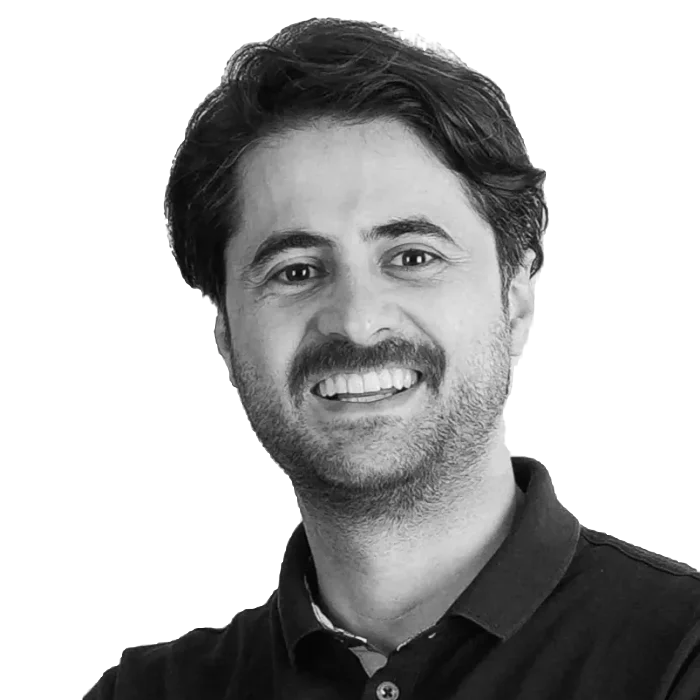
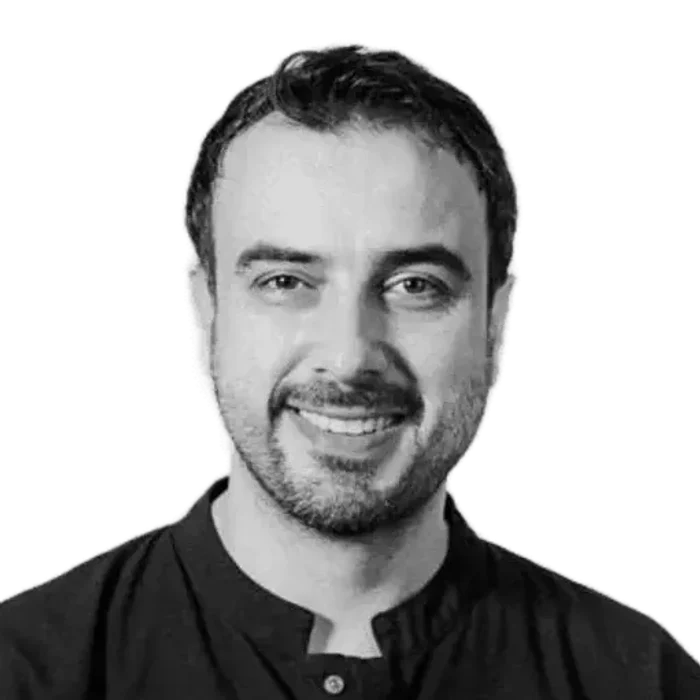
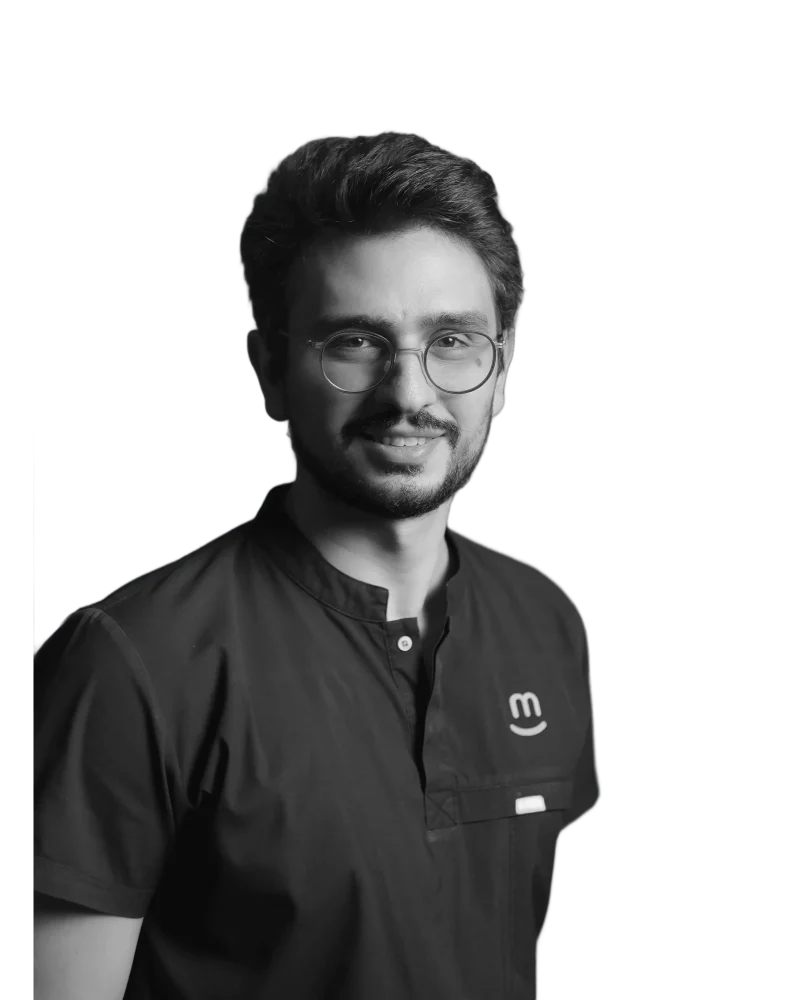
Dr Ferit Kaval, PhD
6
yrs
// Dentist, PhD

Ferit Kaval

Periodontics · Implantology
TDA Registration
50126
Graduated
2019
Publications
3
External Profile
// ABOUT

BIOGRAPHY

Chief Physician and Medical Director of Mosdent Oral & Dental Health Center; specialist in periodontology and implantology. Alongside his management duties he continues to see patients.

Born in Istanbul in 1993 and originally from Trabzon, he completed his secondary education at Istanbul Sabahattin Zaim High School.

He completed his doctorate in periodontology at Istanbul Medipol University Faculty of Dentistry. His doctoral thesis, supervised by Assoc. Prof. Nur Balcı, evaluated the NOD 1 and NOD 2 proteins across different periodontal conditions; the study was supported by the university’s Scientific Research Projects (BAP) grant. Around his graduation he also worked on endodontic topics including rotary systems, intracanal medicaments and GentleWave applications.

He is a member of the Turkish Society of Periodontology. He has extended his clinical training with the Perio Leaders Conference (2022) and advanced surgical techniques in implantology (2025), and uses air-flow applications routinely in periodontal treatment.

Outside dentistry he plays table tennis and enjoys fishing, cycling and calligraphy.

// IN THEIR OWN WORDS

THE INTERVIEW

Dentist, PhD Ferit Kaval
Frequently asked

Why do my gums bleed?

Bleeding gums are a sign of gum inflammation. The cause is usually an incorrect brushing technique, or brushing being skipped. Various systemic conditions may also play a part, but oral hygiene accounts for 90-95 per cent of these cases.

When brushing is inadequate, food collects between the teeth and especially between the tooth and the gum. Bacteria feed on glucose just as we do; they multiply around that debris and form first dental plaque and, in time, calculus. That is how gum inflammation begins.

So what do we do? First we remove the cause, the calculus: we determine which of scaling, curettage and flap procedures are needed, carry them out, and clear the inflamed tissue that has formed. Then we improve oral hygiene so that the same thing does not keep happening.

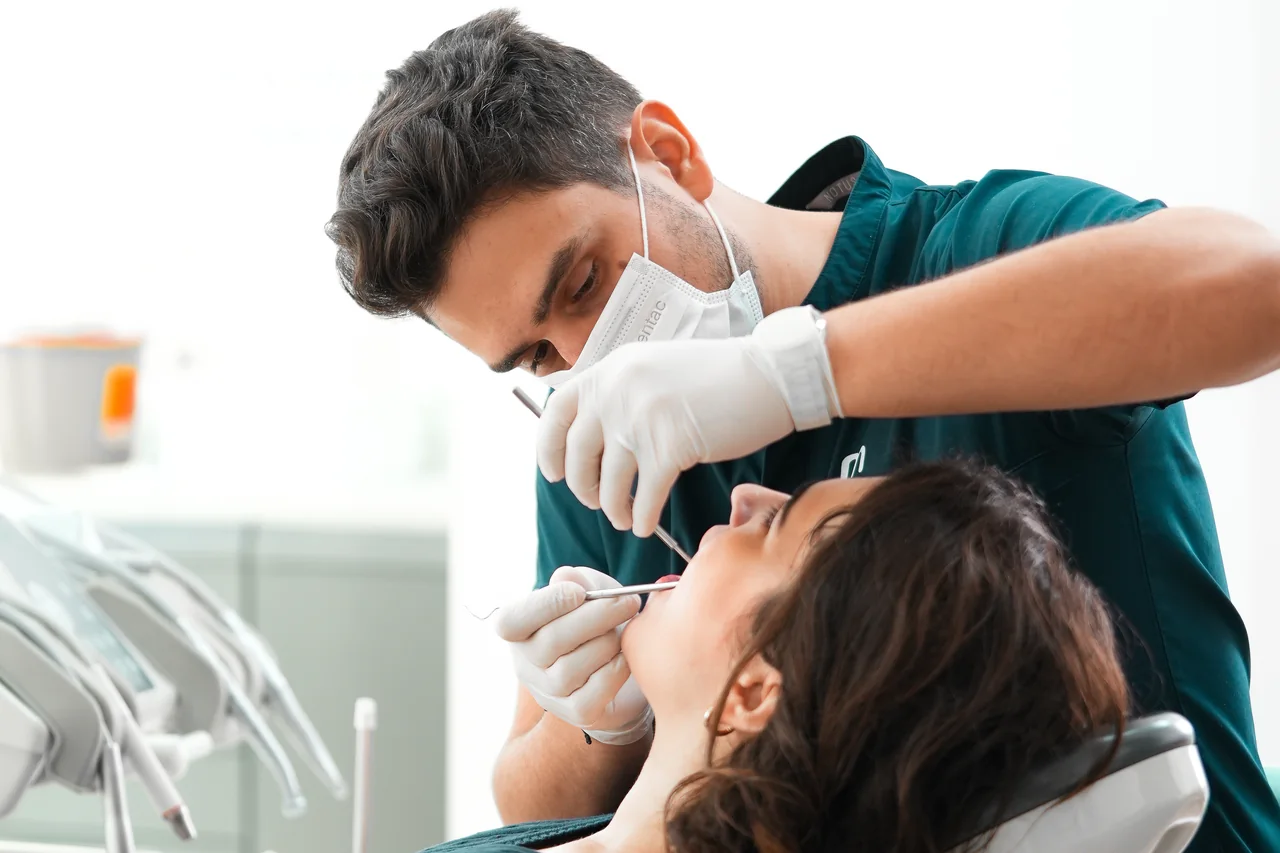
I prescribe a toothbrush and ask the patient to bring it to the follow-up appointment, where I demonstrate brushing hands-on. After that we maintain the result with scaling at least every six months and routine check-ups.

Common misconception

Scaling wears the teeth down and opens gaps between them

I hear this belief almost every week, and because it leads patients to postpone the cleaning for years, I make a particular point of addressing it. In scaling we take nothing from the tooth itself; we remove the calculus and bacterial plaque that have attached themselves to it. What is worn away is not the tooth but the agent of disease sitting on it.

So what about the gaps and spaces felt after a cleaning? They were not opened by the cleaning; they were already there. The calculus had filled those spaces, and the inflamed, swollen gum had covered them over. Once the deposits are gone and the gum returns to health, the picture the disease built up over the years comes into view. The cleaning does not create the problem; it makes the hidden problem visible.

What really does the damage is postponing the cleaning out of this fear. Every month the calculus stays, it goes on affecting the gum and the bone that carries the tooth. I tell my patients this: scaling is not the procedure that wears your teeth away, it is the procedure that protects the tissues carrying them; and done regularly, it gets shorter and more comfortable every time.

Case

The patient who thought bleeding was normal

A patient had come for an entirely different reason; during the examination I asked whether their gums bled when they brushed. 'Of course they bleed,' they said. 'Doesn't everyone's?' Since their youth they had accepted the bleeding they saw at every brushing as normal; it had never crossed their mind that it might be the sign of a disease.

That day, before the actual treatment, we sat down and talked. I explained that bleeding is the language of the gum, and that a healthy gum does not bleed with brushing. We did the cleaning, I prescribed a toothbrush and asked them to bring it along to the follow-up; at that session we practised brushing together at the sink.

When they came to the next check-up, their first words were 'it doesn't bleed any more when I brush'; they said it with pride, almost as an achievement. And they were right, because that result had been won not by me in the clinic but by them at home. Seeing that a symptom they had thought normal for years could actually be put right changed their whole relationship with their dental health.

Case

The patient who wanted only to talk first

A patient researching implant treatment for their missing teeth had set a single condition when booking the appointment: nothing would be done at the first session. What they had heard from people around them had confused them so much that they could not even face lying back in the chair. We agreed; at the first appointment I only examined, and we talked.

I took their questions one by one. I explained what we do and why, what happens at each stage, including the situations in which an implant is not suitable. I did not press a decision on them; I gave the information and left them time to think. A while later they called themselves and said they were ready.

What stays with me from this case is this: sometimes the first treatment is the conversation we have without picking up a single instrument. With a patient whose trust has been shaken by what they have heard, informing them and leaving the decision to them, rather than trying to win them over, is the soundest ground both for dentistry and for the relationship with the patient. Good treatment begins not with consent hurried along, but with a decision that has been properly digested.

Where I say no

When I do not recommend treatment

I do not recommend procedures that I do not believe will benefit the patient or genuinely help the tooth. Half a millimetre of gum recession that I consider stable, or arrested decay confined to the enamel without reaching the dentine, are examples.

I say the same when a patient asks for prosthetic treatment although orthodontics would achieve the desired result. In patients whose oral hygiene is very poor or whose diabetes is uncontrolled, I prefer to postpone surgical and prosthetic procedures until the picture improves.

With patients whose confidence in a procedure has been shaken by negative accounts from people around them, caution is needed; we talk through the expectation and the worry first.

Dentist, PhD Ferit Kaval
IN THEIR OWN HAND
Half of periodontal treatment happens in the clinic and the other half at the patient's home, in front of the mirror; that is why I never take a treatment on alone, I make my patient a partner in the process, and I build no lasting work in any mouth whose foundations have not first been restored to health.
Dentist, PhD Ferit Kaval
Ferit Kaval

More thanjust a doctor

Coming soon
Dr. Dt. Ferit Kaval
Dr. Dt. Ferit Kaval
Dr. Dt. Ferit Kaval
Dr. Dt. Ferit Kaval
Coming soon
Coming soon
Coming soon
Dr. Dt. Ferit Kaval
Dr. Dt. Ferit Kaval
Dr. Dt. Ferit Kaval
Dr. Dt. Ferit Kaval
Coming soon
Coming soon
// Verifiable Credentials

Publications (3)

Theses

01
  1. 03

    Doctoral thesis · Evaluation of nucleotide-binding oligomerisation domain-containing protein (NOD) 1 and NOD 2 in different periodontal conditions. Istanbul Medipol University, Department of Periodontology, 2026. Supervisor: Assoc. Prof. Nur Balcı.

    2026
It begins with a conversation

Meet Dr Ferit Kaval, PhD.

WhatsApp

Not sure which treatment fits? Tell us what’s wrong →