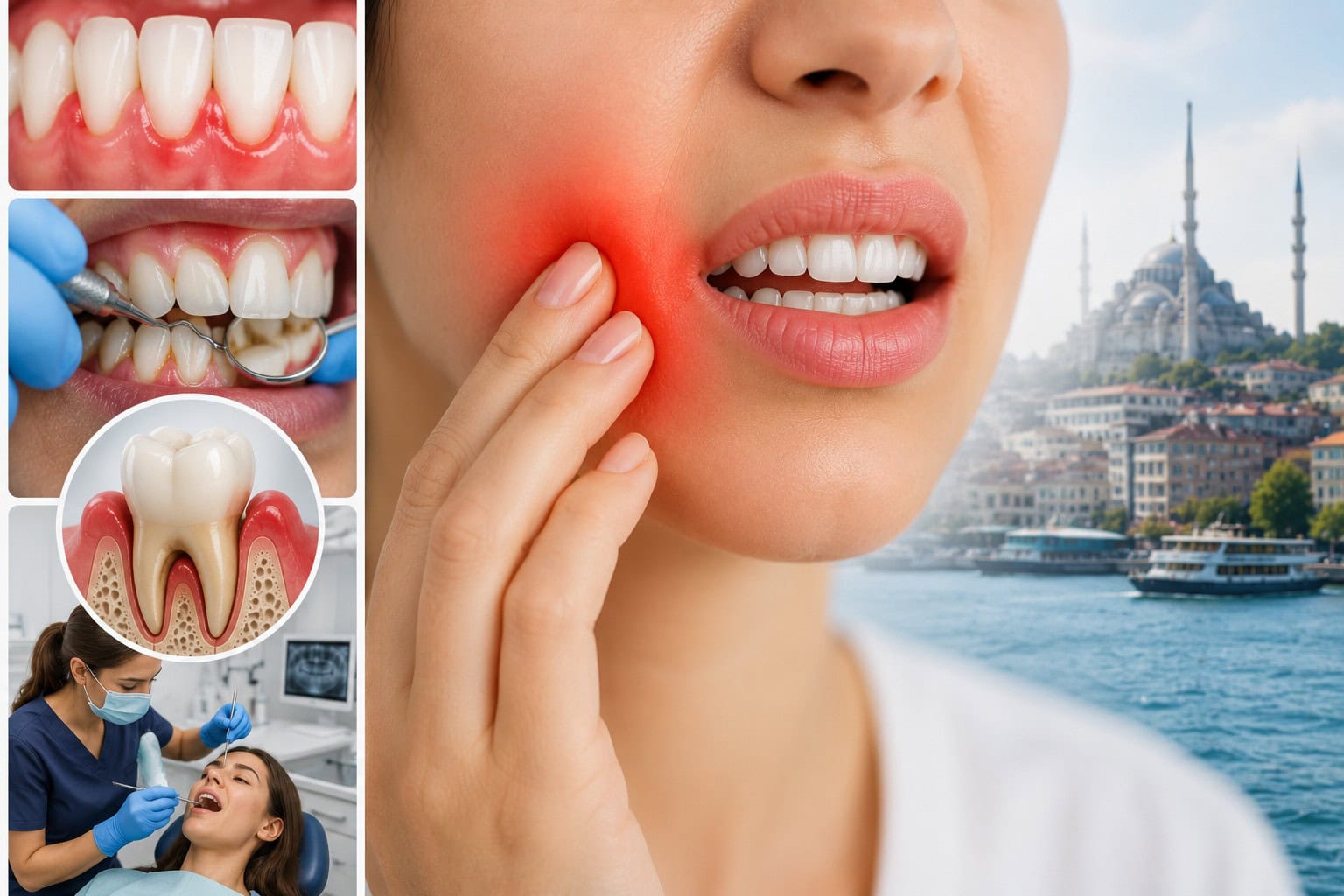
Painful Gums: Symptoms, Causes, and Expert Treatment in Turkey
Severe periodontitis is the sixth most prevalent condition worldwide, at 11.2 percent age-standardised prevalence across 72 studies and 291,170 people.
Clinical experience, misunderstood concepts and frequently asked questions. Notes from many years of practice.

Severe periodontitis is the sixth most prevalent condition worldwide, at 11.2 percent age-standardised prevalence across 72 studies and 291,170 people.

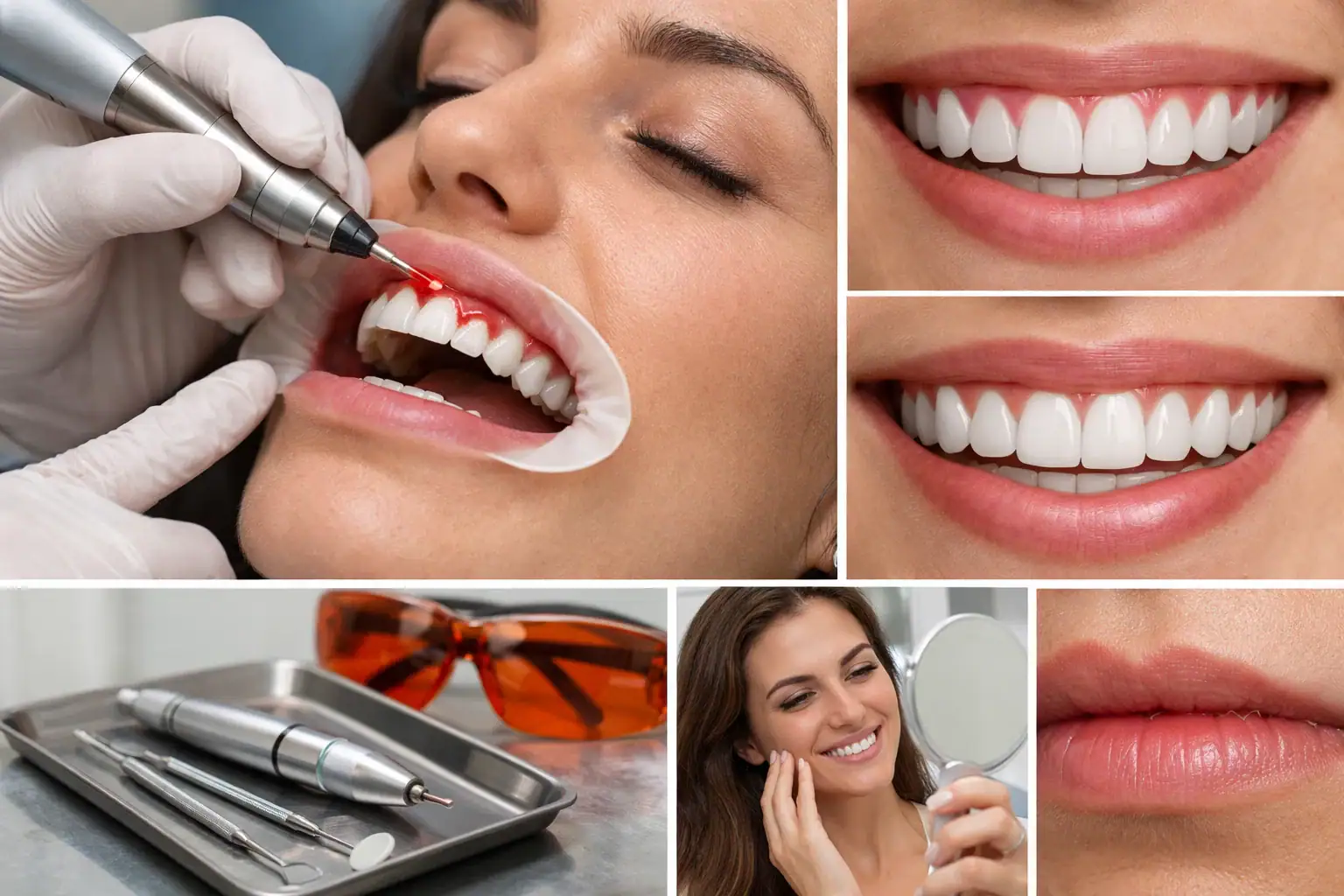
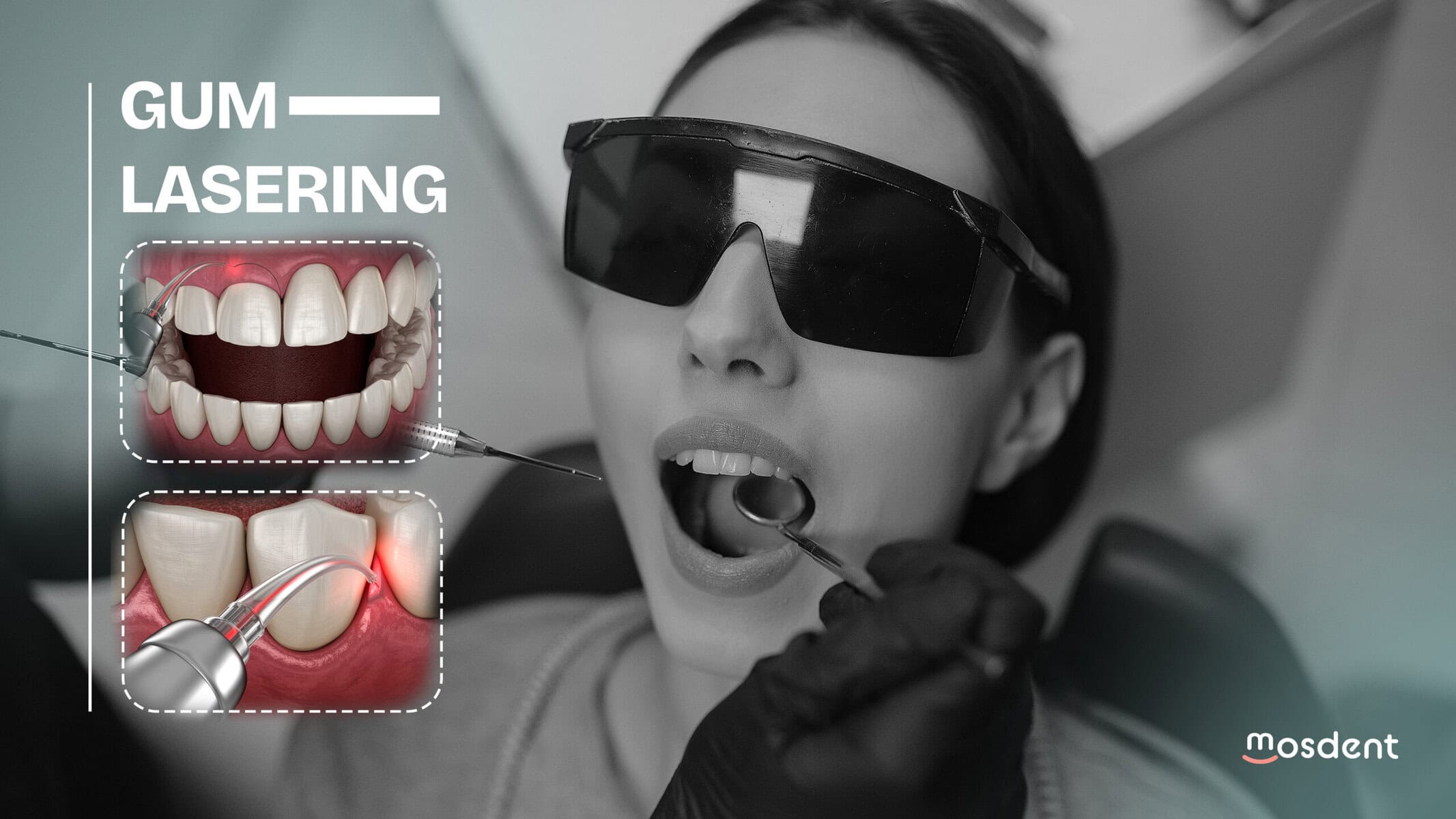
In gum enlargement from orthodontic treatment, a review of 7 randomised trials found significantly less pain and bleeding with diode laser than scalpel.

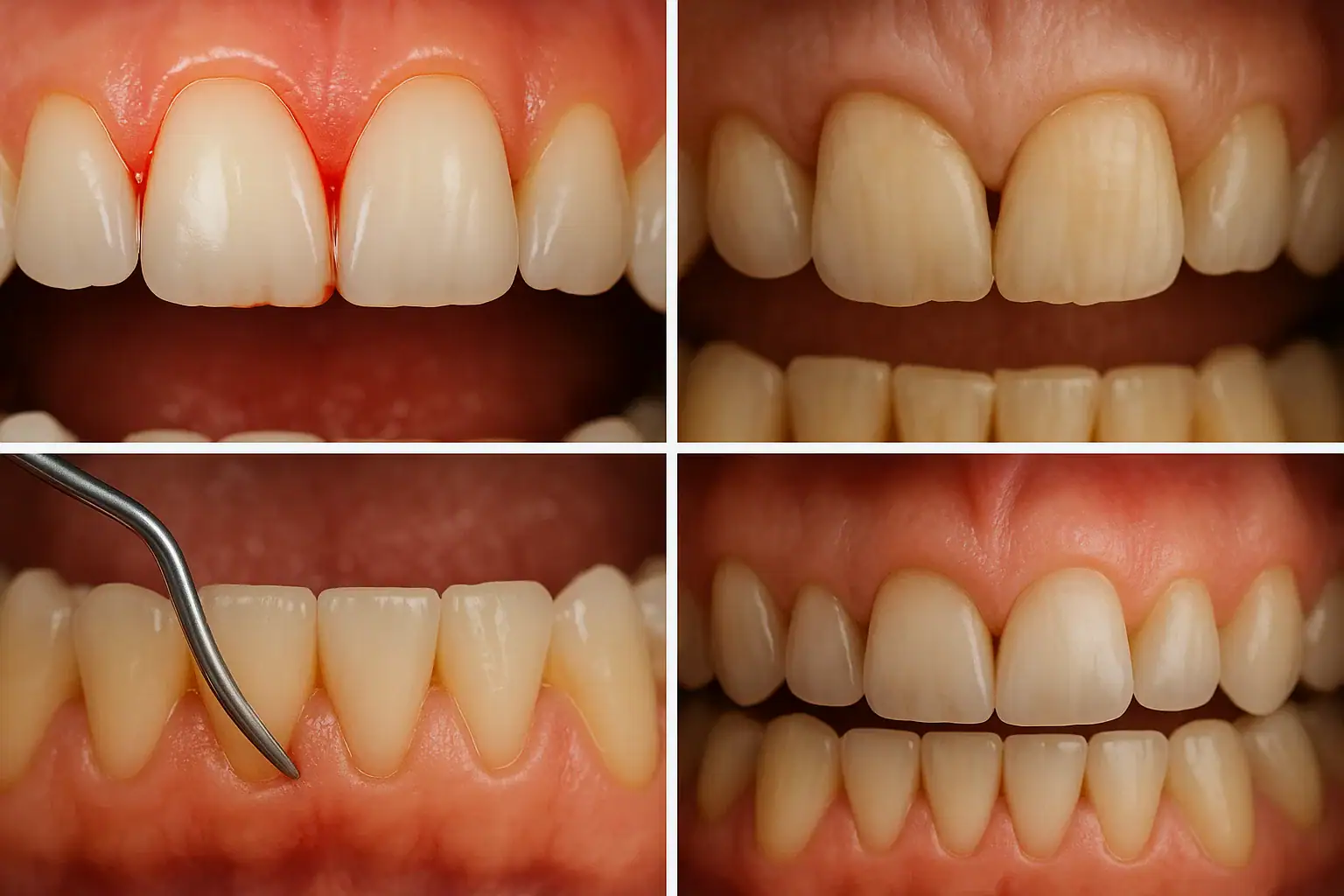
Gum recession affects about 50% of people aged 18 to 64 and 88% of those 65 and over. Bleeding can be reversed; receded gum does not grow back on its own.

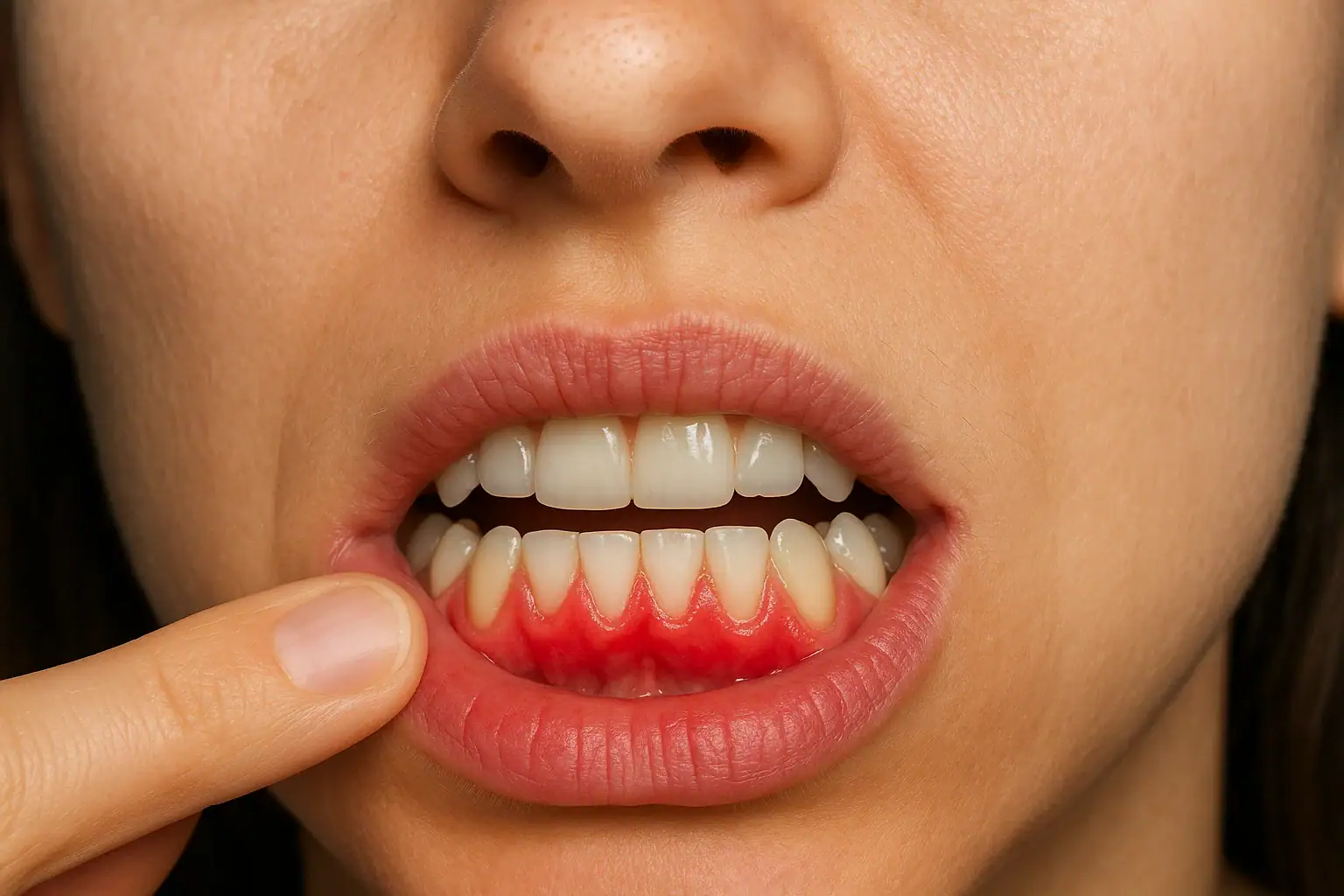
In NHANES 2009 to 2012, 46 per cent of US adults aged 30 and over had periodontitis and 8.9 per cent the severe form. Inflamed gums are the early, reversible end of a spectrum that ends in bone loss.

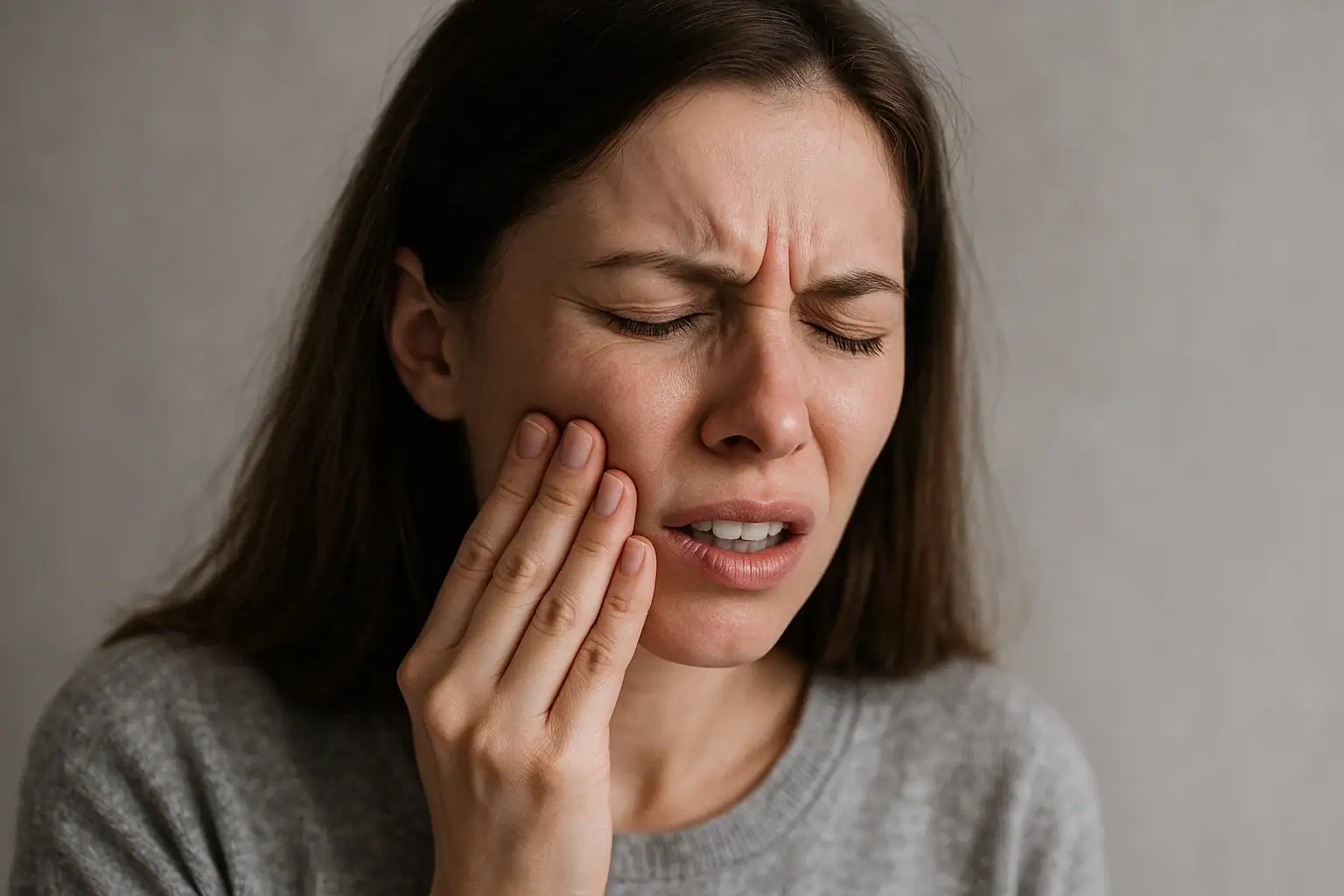
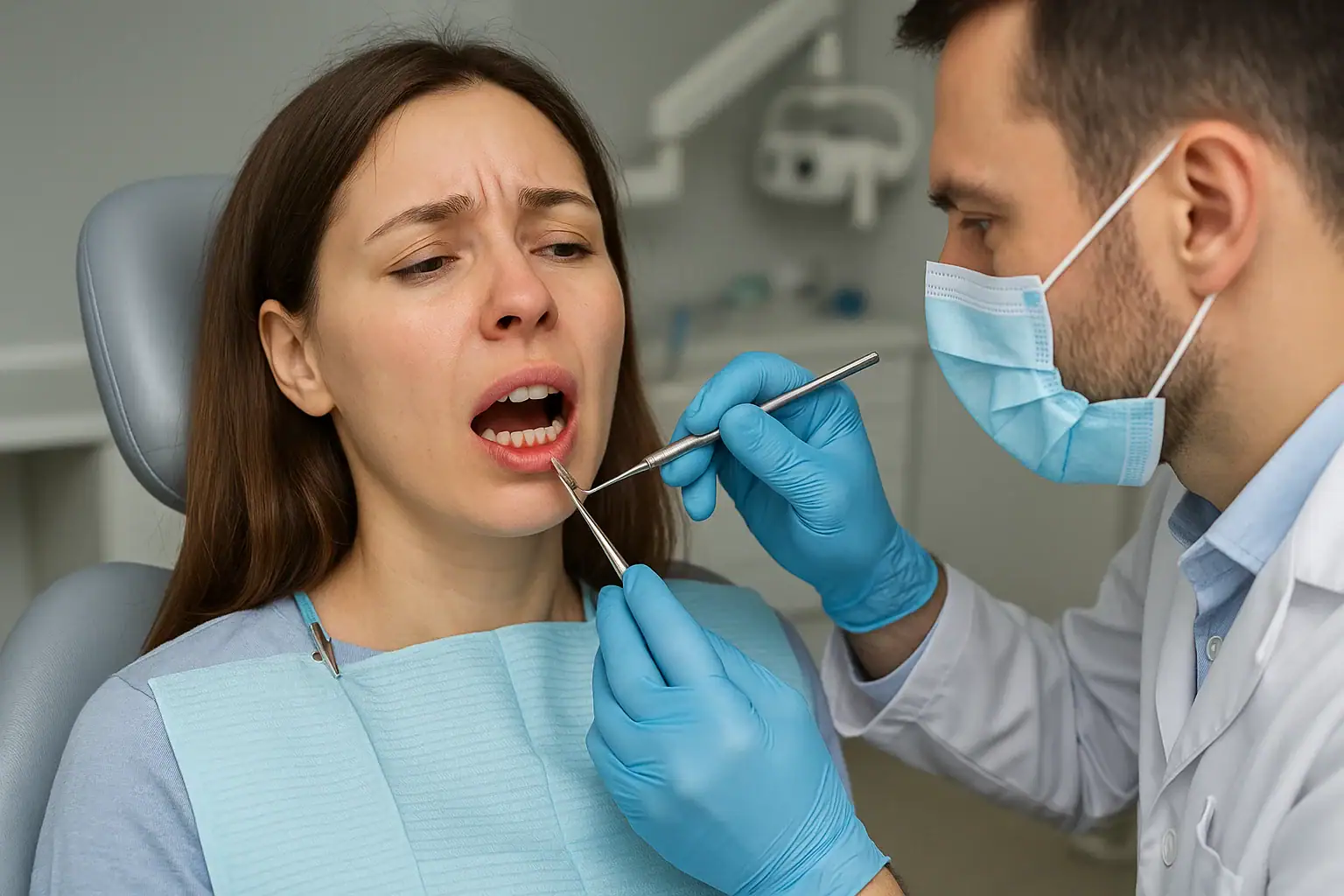
A network meta-analysis of 82 trials ranked ibuprofen with acetaminophen among the most effective options for pain after extraction. What helps at home.

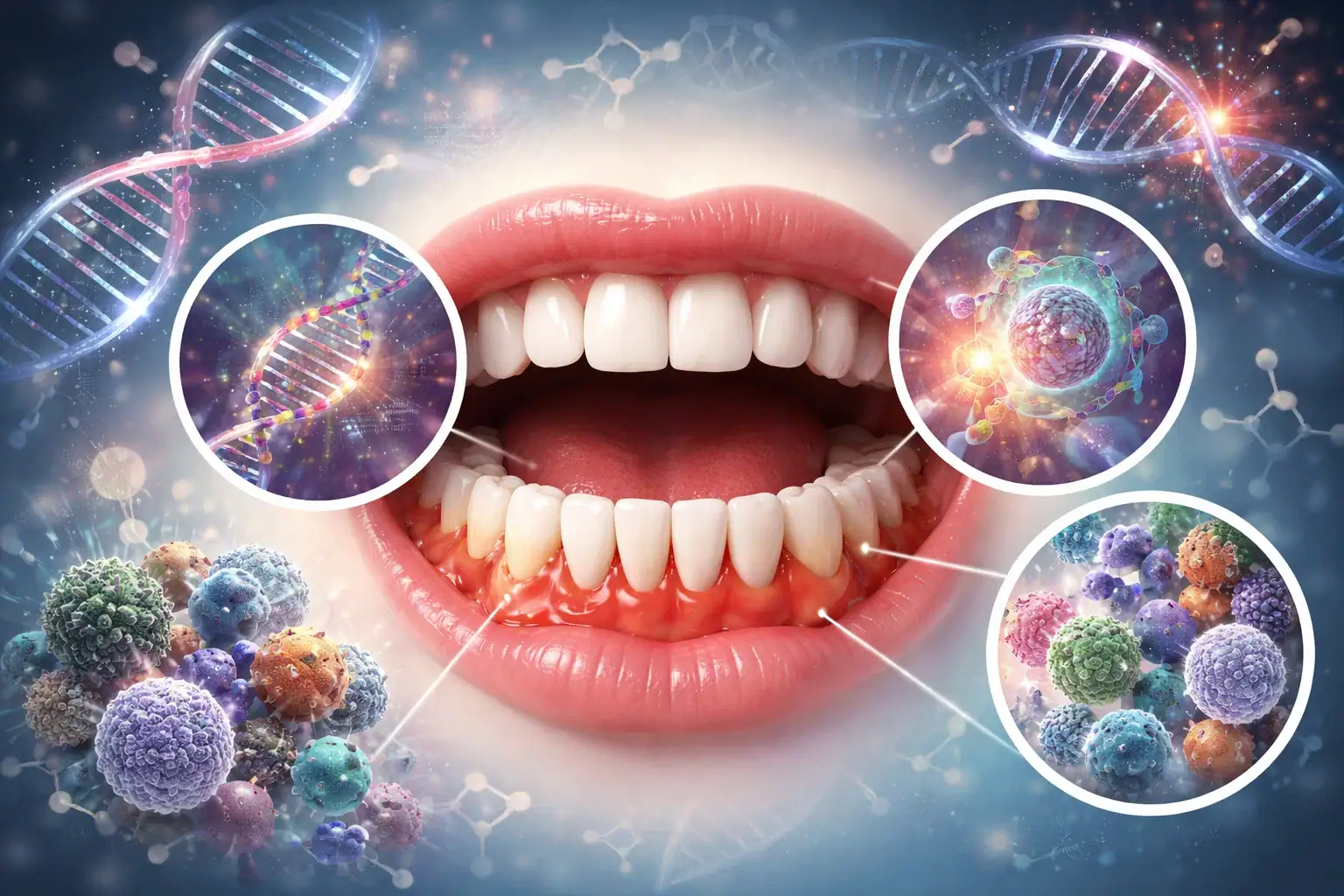
In a twin study of 117 adult pairs, about 50% of the variance in adult periodontitis was genetic. No heritable component was found for gingivitis.

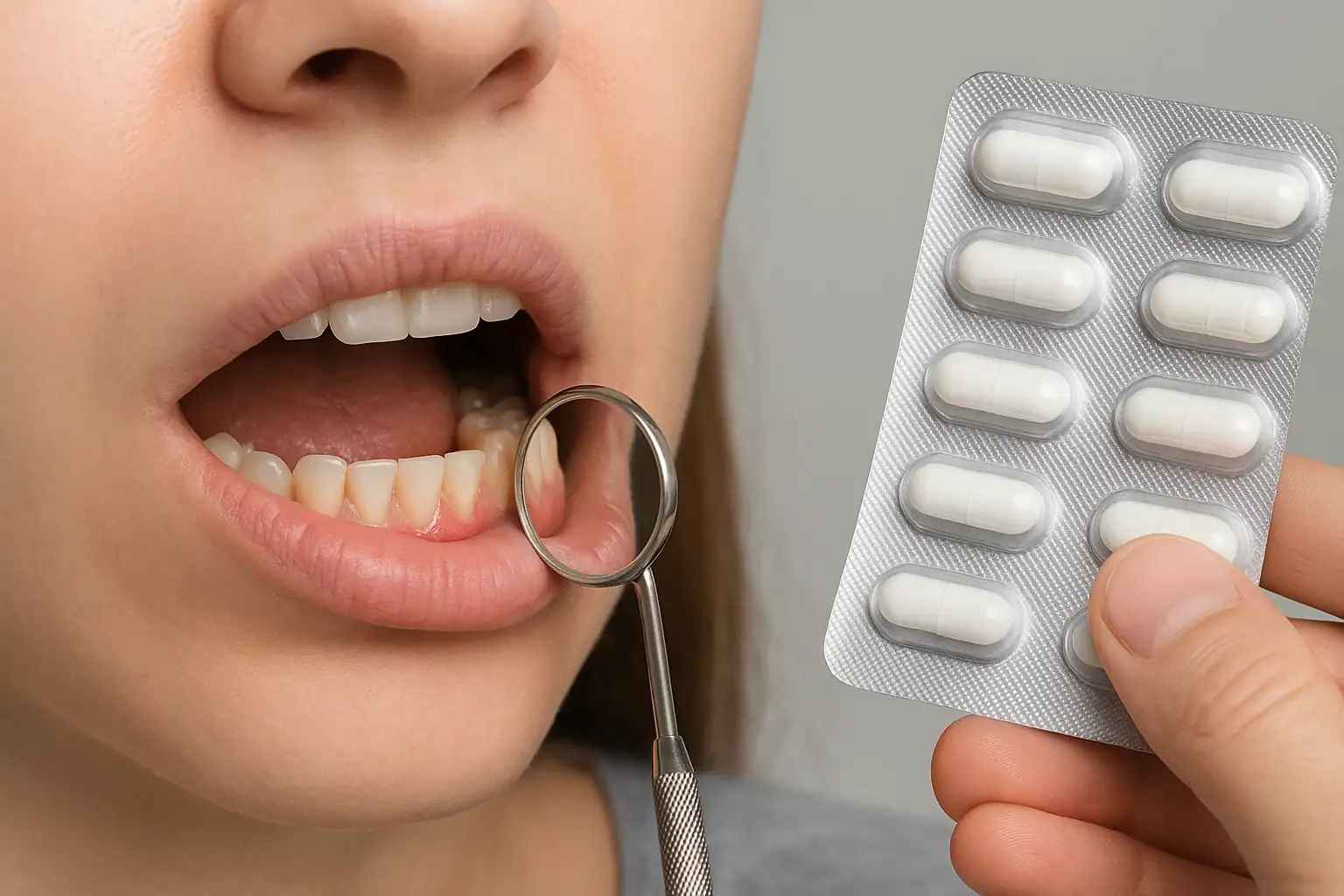
Antibiotics are not first-line for most gum infections: scaling clears gingivitis in 7 to 14 days. Abscess, fever, swelling or medical risk change that.

Laser gum contouring reshapes the gum line with a dental laser instead of a scalpel; in a randomised trial, no laser case needed stitches.

Across 51 studies and 5,345 participants, a chlorhexidine rinse lowered the Gingival Index by 0.21 on a 0 to 3 scale while increasing staining. Gingivitis is reversible and plaque removal is the treatment.