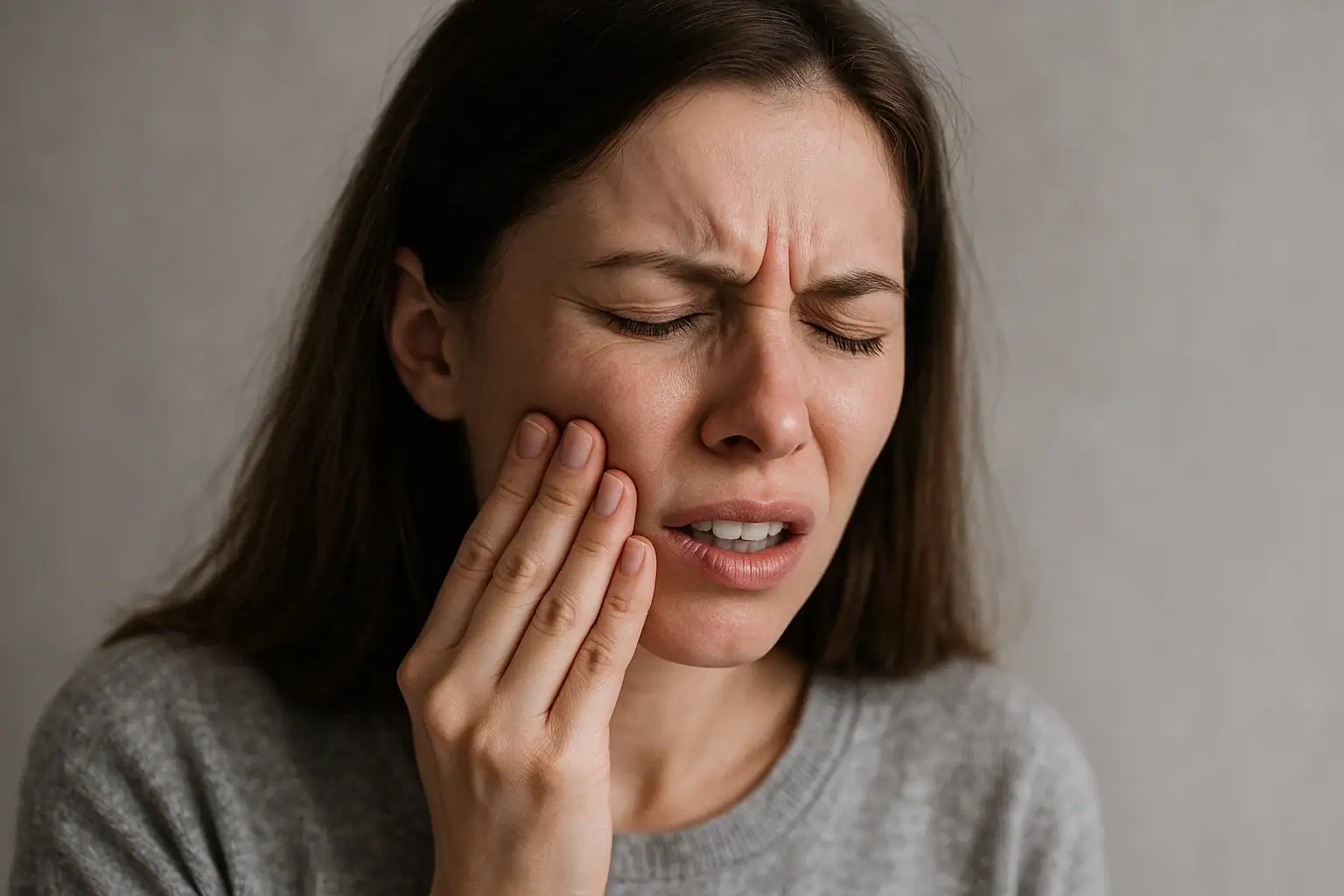
Tooth pain is nerve or gum irritation driven by decay, pulp inflammation, an abscess, a cracked tooth, gum disease or sinus pressure, and the fastest home relief combines an over-the-counter analgesic with a cold compress and a warm saltwater rinse. In a network meta-analysis of 82 randomised trials of acute pain after tooth extraction, ibuprofen 200 to 400 mg taken with acetaminophen 500 to 1,000 mg ranked among the most effective options at six hours, while codeine 60 mg and tramadol with acetaminophen were no better than placebo (PubMed 36631957). Home measures calm the symptom; only treating the source ends it.
- 01Ibuprofen 200 to 400 mg combined with acetaminophen 500 to 1,000 mg ranked among the most effective six-hour options for acute pain after tooth extraction across 82 randomised trials (PubMed 36631957).
- 02Oxycodone 5 mg, codeine 60 mg and tramadol 37.5 mg with acetaminophen 325 mg performed no better than placebo in the same analysis, so opioids are not the shortcut patients expect.
- 03A cold compress on the cheek for 15 to 20 minutes and a rinse of half a teaspoon of salt in warm water reduce swelling and bacterial load without touching the cause.
- 04Pain that lingers after hot or cold, radiates to the ear or jaw and wakes you at night points to the pulp, and that usually needs root canal treatment or extraction rather than another tablet.
- 05Facial swelling, fever or difficulty swallowing turns a toothache into a same-day emergency, because the infection has moved beyond the tooth.
Where Tooth Pain Comes From
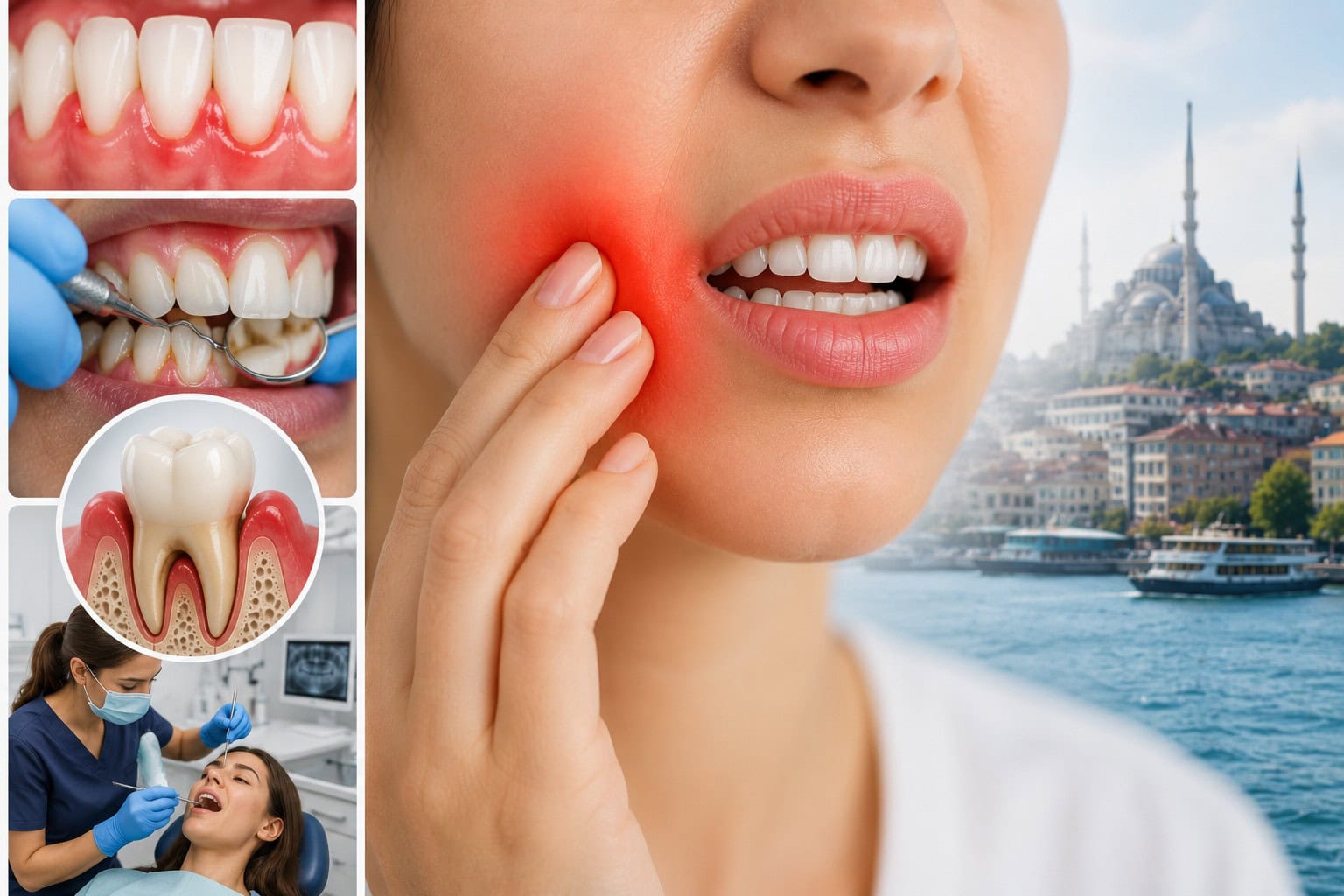
Tooth pain is a signal from the nerve inside the tooth or from the tissues around it, and the fastest way to calm it depends on which of these is irritated. Decay that has worn through enamel into dentin exposes the tooth to hot, cold and sugar. When a deep cavity or a knock reaches the pulp, the nerve itself becomes inflamed and the pain turns sharp and throbbing. An abscess at the root tip brings swelling and constant pain, and a cracked tooth hurts on biting. Gum disease and gum recession uncover sensitive root surfaces. Upper back teeth can also ache when a sinus infection presses on their roots.
Some mouth pain does not start in a tooth at all. A sore spot on the cheek, lip or tongue is often a mouth ulcer. For ulcers, the NHS lists pharmacy options such as a salt-water rinse, an antimicrobial mouthwash and a painkilling gel or spray, and notes that canker sores usually heal by themselves within a week or 2.
Home measures work on the symptom. They can bring pain down for hours and help you sleep, while a cavity, an inflamed pulp or an abscess stays in place until it is treated.
Pain Relievers With Measured Effect
For dental pain, an anti-inflammatory painkiller taken together with paracetamol (acetaminophen) is the non-prescription option with solid trial evidence behind it. A network meta-analysis of 82 randomised trials in patients who had teeth extracted found that ibuprofen 200 to 400 mg combined with acetaminophen 500 to 1,000 mg was among the options with the largest pain relief at 6 hours (PubMed 36631957). In the same analysis, oxycodone 5 mg, codeine 60 mg and tramadol 37.5 mg with acetaminophen 325 mg were no better than placebo (PubMed 36631957).
A separate meta-analysis of 20 placebo-controlled studies after wisdom tooth removal described a single dose of ibuprofen 400 mg as an effective pain reducer (PubMed 34850186). These trials measured pain after extraction, so they do not cover every kind of toothache, but they explain why dentists reach for anti-inflammatories first.
Stay within the dose on the packet and do not combine several products that contain the same ingredient, since many cold and flu remedies already include paracetamol. People with stomach ulcers, kidney disease or asthma triggered by anti-inflammatories, those taking blood thinners, pregnant women, children and older adults should check with a doctor or pharmacist before taking ibuprofen. Never place an aspirin tablet on the gum next to the tooth; it burns the soft tissue and works only when swallowed.
Cold, Salt Water and Other First Steps at Home
A cold compress and a warm saltwater rinse are home measures that are safe for nearly everyone while waiting for care. Wrap an ice pack in a cloth and hold it against the cheek over the painful tooth for 15 to 20 minutes. Cold reduces swelling and dulls the nerve signal.
For the rinse, dissolve half a teaspoon of salt in a glass of warm water, swish it gently around the sore area and spit it out. Salt water loosens trapped food and reduces the bacterial load. Some people also rinse with diluted hydrogen peroxide; if you use it, keep it diluted and never swallow it.
Stop chewing on the painful side and avoid very hot, very cold and sugary food and drink, the triggers an exposed or inflamed nerve reacts to. If a filling has fallen out or a broken tooth has left a sharp edge, dental wax from a pharmacy can cover it until your visit.
Heat is a different tool. A warm pack can relax tired jaw muscles when the ache comes from clenching, but on a tooth with an infection or an inflamed nerve it can make the throbbing worse. When the source is unclear, cold is the safer choice.
Why Night Pain Is Worse and How to Get Through It
Toothache often grows louder at night because lying flat sends more blood toward the head. The pulp sits in a rigid chamber with no room to swell, so the extra pressure presses directly on an inflamed nerve.
A few changes help you sleep. Take your painkiller shortly before bed so that it works while you are asleep instead of wearing off in the middle of the night. Prop your head up on an extra pillow to reduce the pressure in the tooth. Apply a cold compress before lying down, skip late sugary or acidic snacks, and brush and rinse gently so no food stays packed against the sore tooth.
If the pain spreads across several back teeth, feels worse in the morning and comes with a tired jaw or headache, grinding or clenching during sleep may be involved. A custom night guard made by a dentist spreads the biting force and protects the teeth, although it does not replace treatment for a cavity or crack.
Night pain that wakes you repeatedly is useful information for the dentist, because it points to the nerve inside the tooth.
Clove Oil and Other Natural Remedies
Clove oil has more research behind it than the other natural remedies people reach for. Its active compound, eugenol, has local anaesthetic and antibacterial action, and a little on a cotton ball held against the tooth can dull the nerve for a while. A systematic review of 21 studies on plant-based pain relief in dentistry named clove oil (eugenol) among the agents with the strongest analgesic properties, while calling for larger trials and standard preparations (PubMed 41322706). Keep it on the tooth, because undiluted oil can irritate the gum and cheek.
Other traditional remedies have thinner evidence. A cooled peppermint tea bag or a cold cucumber slice mainly works as a small cold compress. Aloe vera gel is soothing on irritated gums. Crushed garlic is often recommended, but raw garlic held against the gum can burn the tissue. Rinses with a few drops of tea tree or thyme oil in warm water must be spat out, and children should not use essential oils.
These remedies act on the sensation while the cause stays in place. As the oil washes away or the cold fades, the pain returns, so they work as a bridge to an appointment.
Signs the Pain Comes From the Nerve
Pain that lingers after hot or cold, spreads toward the ear, jaw or head, and wakes you at night usually comes from the pulp, the nerve and blood supply inside the tooth. A brief twinge that disappears as soon as the cold drink is gone is typical of exposed dentin and often settles with a filling or a desensitising treatment. A pain that keeps aching after the trigger, or throbs without any trigger, suggests the pulp is inflamed and may not recover.
While you wait, the same measures apply: the ibuprofen and paracetamol combination, a cold compress, avoiding hot, cold and sweet foods, and a little clove oil. They take the edge off without reversing inflammation that has reached the nerve. A pulp in this state usually needs root canal treatment, in which the inflamed tissue is removed and the canals are cleaned and sealed, or extraction when the tooth cannot be saved.
When a nerve problem is caught early, the tooth can often be kept; when it is left until the pain suddenly stops, the pulp may have died and infection can reach the bone around the root.
What the Dentist Does and Why Antibiotics Are Not Enough
The dentist finds the source and removes it, guided by the examination and X-ray. A cavity is cleaned and filled. An inflamed or infected pulp gets root canal treatment. A tooth too damaged to restore is extracted. Gum disease is treated with deep cleaning of the root surfaces, and a cracked or heavily filled tooth is often protected with a crown. Seeing how cavities develop from early spots explains why small problems are easier to treat.
Many people expect a course of antibiotics to settle a toothache, and the evidence does not support that for nerve pain. A Cochrane review of antibiotics for irreversible pulpitis found only one eligible trial, with 40 participants, and concluded there was not enough evidence to show whether antibiotics reduce pain compared with not taking them (PubMed 31145805). A review by the American Dental Association of pulp and root-tip infections found, from 3 trials, evidence of both benefit and harm from antibiotics over 7 days, along with potentially large harms at population level (PubMed 31761029).
Antibiotics still have a role when an infection is spreading with facial swelling or fever, and they are then given alongside dental treatment. On their own they leave the infected tissue inside the tooth or gum pocket, so the pain tends to return once the course ends.
Warning Signs and Preventing the Next Toothache
Facial swelling, fever, or difficulty breathing or swallowing alongside tooth pain means the infection has moved beyond the tooth and needs urgent dental or medical care the same day. Pain that lingers after hot and cold, radiates to the ear or jaw and wakes you at night should be seen within days, because a nerve problem rarely improves on its own. For children and older people, medicine doses should be set by a doctor or pharmacist.
Brushing morning and night with fluoride toothpaste and cleaning between the teeth daily with floss or small brushes removes the plaque behind both decay and gum disease. Keeping sugary and acidic snacks to mealtimes gives the enamel time to recover. Drinking water through the day supports saliva, and a night guard protects teeth from grinding.
Regular check-ups let the dentist spot a cavity while it is small and a crack before it reaches the nerve. At the visit, the dentist asks when the pain started, what triggers it, how long it lasts and whether it wakes you, then tests the tooth and takes an X-ray. Those answers point to the source and to the treatment that ends the pain.
Let's plan the right treatment together.
Free Assessment→- 1.Miroshnychenko A, Ibrahim S, Azab M, Roldan Y, Martinez JPD, Tamilselvan D, et al. Acute Postoperative Pain Due to Dental Extraction in the Adult Population: A Systematic Review and Network Meta-analysis. J Dent Res 2023;102:391-401. PubMed 36631957
- 2.Watson H, Hildebolt C, Rowland K. Pain Relief with Combination Acetaminophen/Codeine or Ibuprofen following Third-Molar Extraction: A Systematic Review and Meta-Analysis. Pain Med 2022;23:1176-1185. PubMed 34850186
- 3.NHS. Mouth ulcers. Page last reviewed 11 March 2024.
- 4.Reddy MS, Ramachandra SS, Shetty SR, Khazi SS, Ur Rahman Tippu MS, Narayanan LA, et al. Analgesic Efficacy of Phytotherapeutic Agents in Dental Pain Management: A Systematic Review. Int J Dent 2025;2025:5614623. PubMed 41322706
- 5.Agnihotry A, Thompson W, Fedorowicz Z, van Zuuren EJ, Sprakel J. Antibiotic use for irreversible pulpitis. Cochrane Database Syst Rev 2019;5:CD004969. PubMed 31145805
- 6.Tampi MP, Pilcher L, Urquhart O, Kennedy E, O'Brien KK, Lockhart PB, et al. Antibiotics for the urgent management of symptomatic irreversible pulpitis, symptomatic apical periodontitis, and localized acute apical abscess: Systematic review and meta-analysis-a report of the American Dental Association. J Am Dent Assoc 2019;150:e179-e216. PubMed 31761029
- 7.Balakrishnan PK, Kumar SM, Chippala P, Hegde C. An in vivo electromyographic evaluation of pain relief using different therapies in masticatory myalgia patients. J Korean Assoc Oral Maxillofac Surg 2020;46:321-327. PubMed 33122456
- 8.Durham J, Al-Baghdadi M, Baad-Hansen L, Breckons M, Goulet JP, Lobbezoo F, et al. Self-management programmes in temporomandibular disorders: results from an international Delphi process. J Oral Rehabil 2016;43:929-936. PubMed 27727477