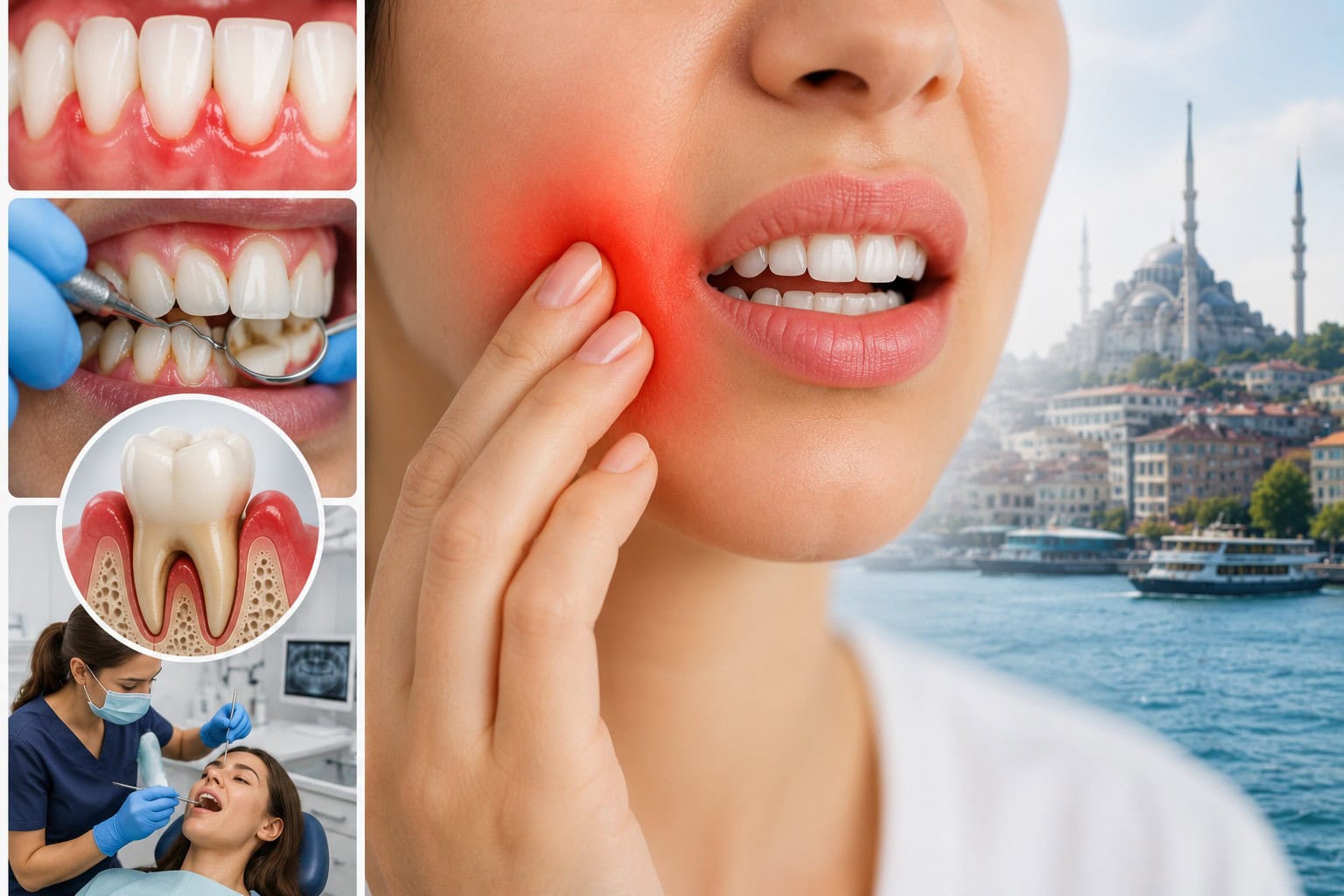
Gum disease is infection and inflammation of the tissues that hold the teeth in place, starting as gingivitis, which is reversible, and progressing to periodontitis, which destroys the supporting bone. It begins with dental plaque that is not removed and hardens into calculus, so the two levers are daily brushing and interdental cleaning plus professional cleaning below the gumline. The burden is large: 1.1 billion prevalent cases of severe periodontitis worldwide in 2019, with age-standardised prevalence up 8.44% since 1990 (PubMed 34101223). Red, swollen gums that bleed on brushing are the earliest sign.
- 01Severe periodontitis affected 1.1 billion people worldwide in 2019, and age-standardised prevalence rose 8.44% between 1990 and 2019 rather than falling (PubMed 34101223).
- 02Gingivitis and periodontitis are stages, not synonyms: gingivitis is inflammation that reverses with plaque control, while periodontitis has already destroyed attachment and bone and does not reverse on its own.
- 03Plaque left on the tooth hardens into calculus that brushing cannot remove; scaling and root planing below the gumline is the professional step that follows.
- 04Antibiotics are an adjunct, not a substitute: added to subgingival debridement they gave a mean extra pocket depth reduction of 0.448 mm in short-term and 0.485 mm in long-term studies across 28 studies, with more frequent adverse events (PubMed 31994207).
Gum health often takes a backseat in our daily oral care routine . Yet, the truth is healthy gums are essential for overall wellness. Gum diseases can sneak up on you, leading to discomfort and even tooth loss if left untreated. Understanding how these conditions develop empowers you to take charge of your oral hygiene.
Recognizing the signs in advance, whether occasional twinges or persistent inflammation, is crucial. The good news? There are plenty of effective strategies for gum disease prevention and treatment that fit naturally into your lifestyle. Let's explore how you can keep your gums happy and healthy!
/ How Gum Diseases Develop
What Are Gum Diseases and How Do They Develop?
Gum diseases , primarily gingivitis and periodontitis, are infections that affect the tissues surrounding your teeth. They develop when plaque, a sticky film of bacteria, builds up on your teeth and gums.
If not removed through regular brushing and flossing, plaque can harden into tartar. This hardened substance is far more challenging to eliminate without professional help. The presence of tartar leads to inflammation in the gum tissue.
Poor oral hygiene is a significant contributor, but other factors like smoking, hormonal changes, and certain medical conditions can also play a role. Genetics may increase susceptibility, too.
Recognizing these risk factors in advance can make all the difference in maintaining healthy gums. Taking proactive steps ensures you're effectively combating symptoms and addressing root causes.
Symptoms of Gum Diseases: What to Watch For?
Gum diseases can sneak up on you. It's essential to recognize the symptoms early for effective gum disease prevention.
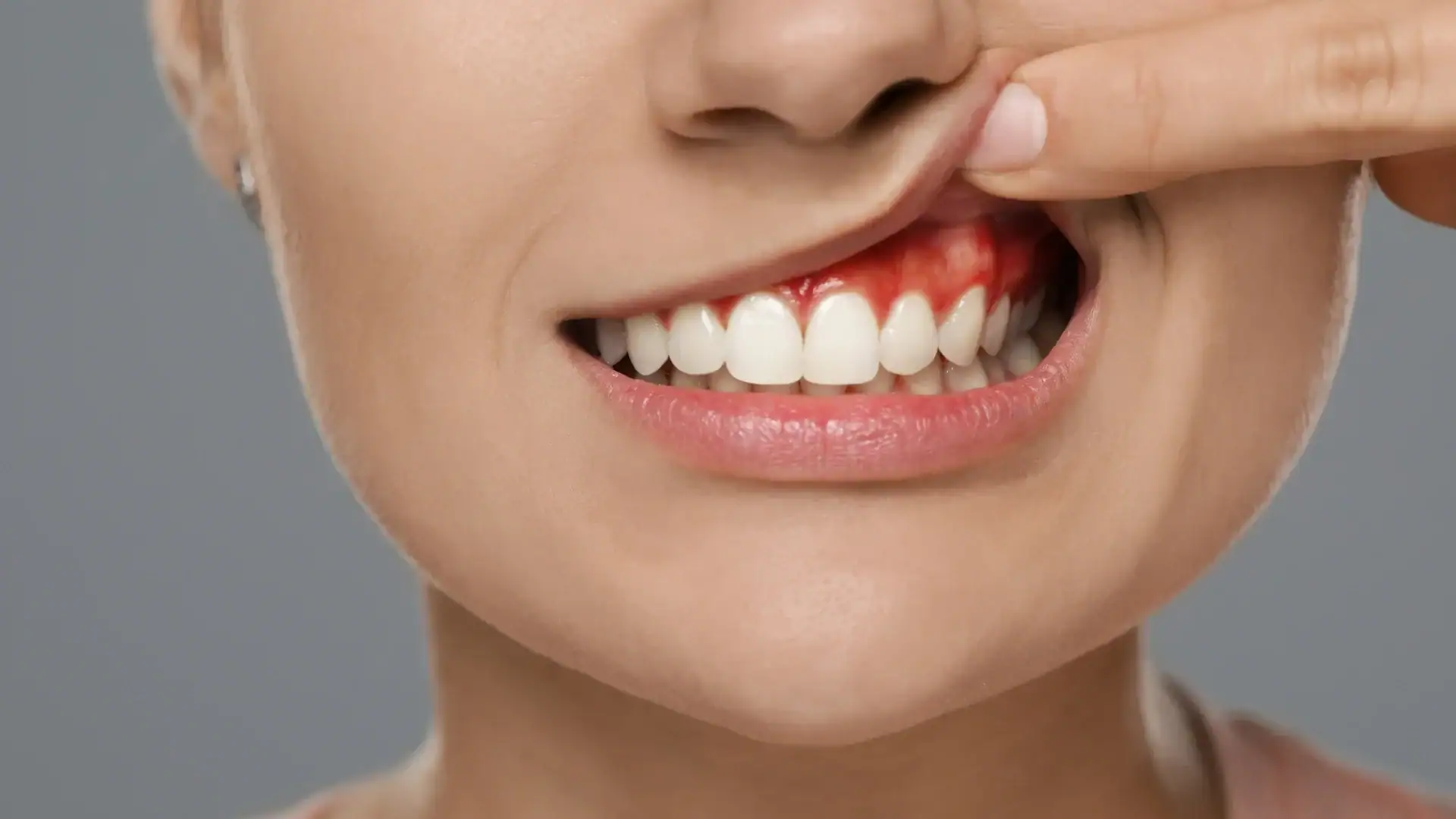
One of the first signs is swollen or red gums. If your gums bleed while brushing or flossing, that's another red flag. Please don't ignore it; this could indicate gingivitis.
Pay attention to persistent bad breath as well. Bad breath isn't just a nuisance; it may signal an underlying issue with your gums.
You might also notice changes in how your teeth fit together when you bite down. This shift can happen due to gum recession, which exposes more of the tooth and root.
Take note if you're experiencing tooth sensitivity, particularly around the gum line. This discomfort often arises from inflammation and should not be dismissed lightly.
Keep these symptoms in mind and consult your dentist if any arise. Early intervention is vital in preserving periodontal health!
/ Gum Disease Prevention Habits and Professional Treatment Methods
Ways to Prevent Gum Diseases: Daily Habits for Healthier Gums
Maintaining healthy gums starts with your daily habits. Brushing twice a day is non-negotiable. Use fluoride toothpaste to strengthen enamel and combat plaque buildup effectively.
Flossing should be part of your routine as well. It removes food particles stuck between teeth, reducing the risk of gum disease. Consider floss picks or water flossers if traditional methods aren't for you.
Watch what you eat, too. Incorporate more fruits and vegetables into your diet while eliminating sugary snacks. Foods rich in vitamin C can boost gum health significantly.
Don't forget about hydration! Drinking plenty of water helps wash away food debris and bacteria that linger after meals.
Regular dental check-ups are essential to catch any issues early. These visits provide professional cleanings beyond what you can achieve at home, ensuring optimal periodontal care throughout the year.
Professional Treatment Methods for Gum Disease
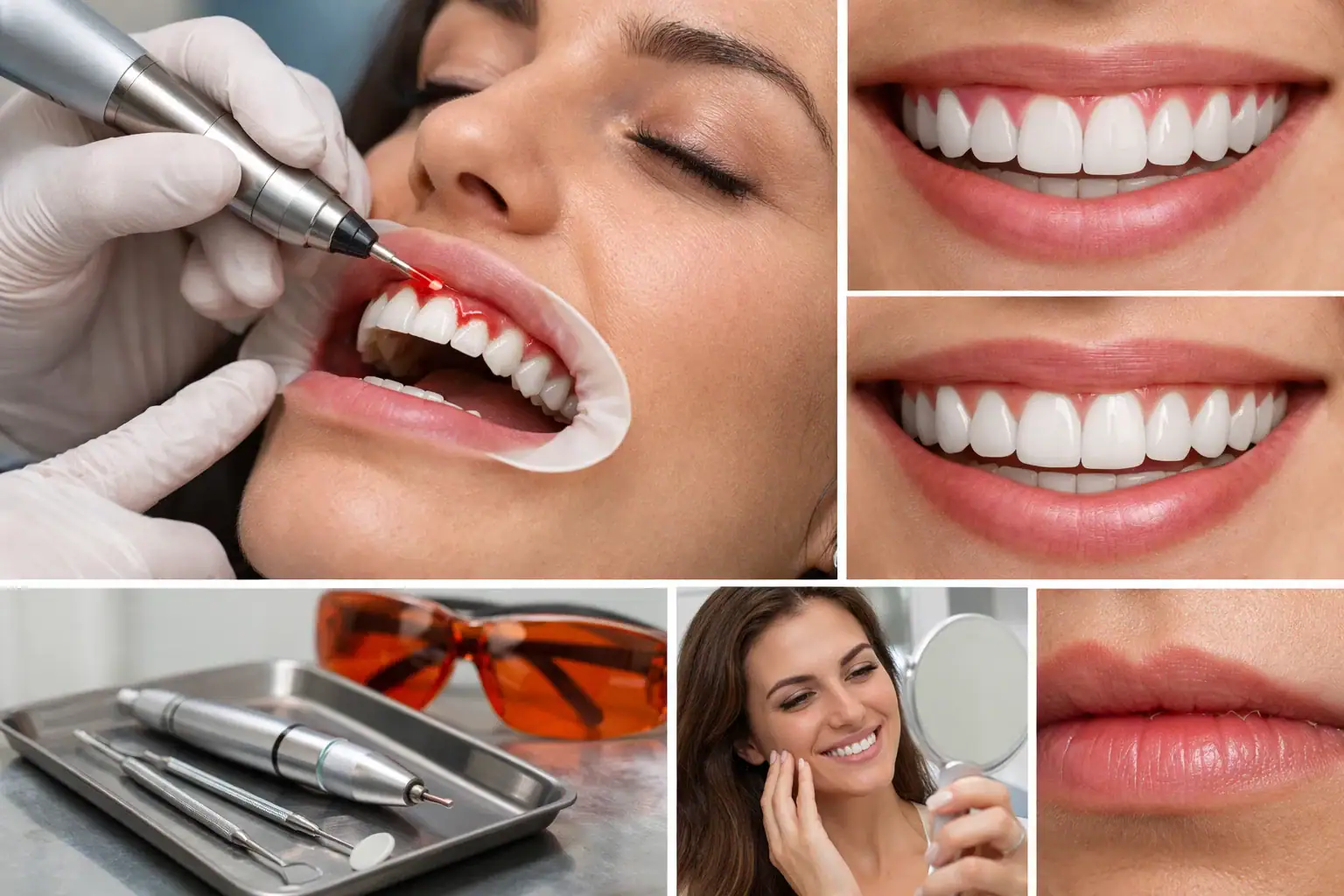
When gum disease progresses, professional treatment becomes essential. Dentists typically start with a deep cleaning procedure called scaling and root planing. This technique removes plaque and tartar from below the gumline.
In more advanced cases, periodontal surgery may be necessary. Surgery can involve flap surgery to reduce pocket depth or bone grafts to regenerate lost tissue. Such methods aim to restore gums' health and integrity.
Antibiotics might also play a role in treatment. They help combat the bacteria causing inflammation and infection in your gums. Your dentist may prescribe topical treatments for targeted relief.
Regular check-ups post-treatment are crucial for maintaining oral health. These visits allow professionals to monitor changes and provide tailored advice on care routines that effectively support gum recovery. Keeping up with dental appointments ensures lasting results from initial treatments.
/ Home Remedies and Natural Tips for Maintaining Gum Health
Maintaining healthy gums is essential for overall oral health. You can incorporate several home remedies and natural tips into your daily routine to support gum health.
First, oil pulling has gained popularity as a simple technique that may help reduce plaque and bacteria in the mouth. Swishing coconut or sesame oil around your mouth for 15-20 minutes each morning can promote healthier gums.
Another effective method is using saltwater rinses. Mixing half a teaspoon of salt in a glass of warm water creates an easy rinse that can soothe inflamed gums and help keep infections at bay. This practice can be beneficial after meals or when you feel discomfort in your gums.
Herbs such as neem and sage have long been associated with promoting oral health due to their antimicrobial properties. You might consider chewing on fresh neem leaves or brewing sage tea to strengthen your gums naturally.
A diet rich in vitamins C and D plays a significant role, too. Citrus fruits, leafy greens, nuts, fish, and dairy products boost immunity and contribute to gum tissue repair.
Staying hydrated helps maintain saliva production, a natural defence against harmful bacteria buildup in the mouth. Ensure you're drinking enough water throughout the day and limiting sugary snacks that contribute to plaque formation.
By integrating these habits into your lifestyle and regular dental check-ups, you'll enhance your efforts towards effective gum disease prevention and treatment while ensuring long-lasting periodontal care.
Let’s plan the right treatment together.
Free Assessment→- 1.Chen MX, Zhong YJ, Dong QQ, Wong HM, Wen YF. Global, regional, and national burden of severe periodontitis, 1990-2019: An analysis of the Global Burden of Disease Study 2019. J Clin Periodontol 2021;48:1165-1188. PubMed 34101223
- 2.Teughels W, Feres M, Oud V, Martín C, Matesanz P, Herrera D. Adjunctive effect of systemic antimicrobials in periodontitis therapy: A systematic review and meta-analysis. J Clin Periodontol 2020;47 Suppl 22:257-281. PubMed 31994207