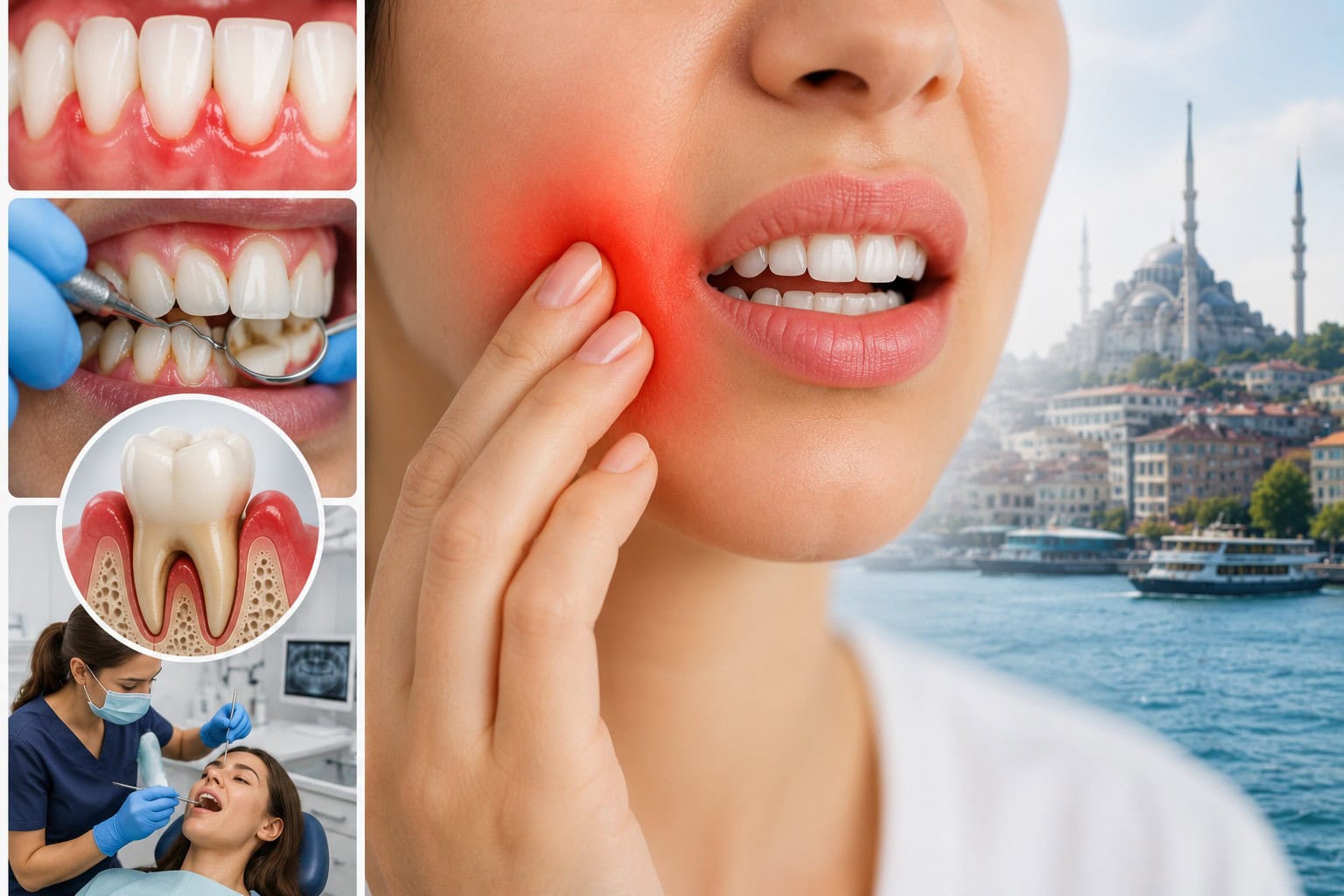
Inflamed gums, clinically gingivitis, are a reversible inflammation of the gum tissue driven by accumulated dental plaque and tartar, showing as redness, swelling, tenderness and bleeding on brushing, with no loss of attachment or bone yet. The scale is large: the Global Burden of Disease 2021 analysis estimated 3.69 billion people affected by the main oral conditions, and put severe periodontitis, the irreversible stage gingivitis can progress to, at an age-standardised prevalence of 12,500 per 100,000 population (PubMed 40024264). Mechanical plaque removal is the treatment; a chlorhexidine rinse is an adjunct, not a substitute (PubMed 28362061).
- 01Gingivitis is defined by inflammation without attachment loss: redness, swelling and bleeding on probing are reversible, while periodontitis involves irreversible loss of the soft tissue and bone that support the tooth.
- 02Severe periodontitis had an age-standardised prevalence of 12,500 per 100,000 population in 2021, and the main oral conditions together affected 3.69 billion people, with only small changes recorded between 1990 and 2021 (PubMed 40024264).
- 03Chlorhexidine rinse is an adjunct with a limited effect on gingivitis: across 51 studies and 5,345 participants it reduced the Gingival Index by 0.21 on a 0 to 3 scale after 4 to 6 weeks, an amount the reviewers judged not clinically relevant, while producing a large reduction in plaque (PubMed 28362061).
- 04The same review found a large increase in extrinsic tooth staining after four weeks or more of chlorhexidine use, standardised mean difference 1.07 with 95 percent CI 0.80 to 1.34, alongside taste disturbance and mucosal irritation (PubMed 28362061).
- 05Interdental cleaning added to brushing may reduce gingivitis but the evidence is weak: flossing lowered the gingival index by a standardised mean difference of 0.58 at one month across 8 trials and 585 participants, rated low certainty (PubMed 30968949).
Gum inflammation, medically known as gingivitis, is a frequent disease that affects the soft tissue around your teeth. It represents the mildest form of gum disease and can appear due to multiple factors, showing one or various of the following signs and symptoms:
- Redness
- Swelling
- Tenderness
- Bleeding when touching or brushing
- Mild pain or discomfort
Although gum inflammation is common and treatable, it should not be ignored as it can quickly progress into periodontitis, causing irreversible damage to the bone and gums.
/ Common Causes of Inflamed Gums
There are multiple factors that can cause gum inflammation. Furthermore, some people can have one or numerous factors inducing gingivitis at the same time. Here, you have the most frequent ones:
Dental Plaque and Tartar
Despite having multiple other possible factors, poor oral hygiene is still the most frequent cause of inflamed gums. Plaque and tartar accumulation eventually lead to the distinctive swelling, redness, and bleeding that appears in gingivitis. This reaction is caused by the acidic residues produced by harmful bacteria in the dental plaque that feeds from food leftovers and the damage done by the tartar inside the gum pockets.
When you don’t brush and floss effectively, bacteria sticks to your teeth’s surface and, sometimes, below the gumline. If plaque is not properly removed daily, it hardens into tartar, inducing even more plaque accumulation and inflammation.
Hormonal Changes
Hormonal shifts during pregnancy, puberty, or menopause usually increase blood flow into the body’s mucosa. This natural body reaction translates into your gums, making them more sensitive and prone to inflammation.
In pregnant women, gum inflammation tends to appear at the end of the first trimester and worsens over time until delivery. However, it also subsides naturally a few weeks after labor. Something similar happens in puberty.
Nonetheless, while these hormonal changes are expected and physiological, they’re a powerful reminder to keep your oral hygiene in top shape to avoid gum disease and protect your teeth and gums from further damage.
Medical Conditions
Some medical conditions such as diabetes, autoimmune diseases or immunodeficiencies can also increase the risk of gum inflammation. Diabetes is tightly related to chronic inflammation and reduced healing capacity. As a result, patients with diabetes heal slower and are more prone to gum disease.
On the other hand, some medications can also induce gum inflammation as they can reduce saliva production and stimulate excessive gum growth.
/ Additional Causes and Signs of Inflamed Gums
Smoking
Smoking reduces oxygen flow in the bloodstream, hindering the healing capacity of your gums. As a result, smokers have thinner and weaker gum tissue, increasing the risk of gum disease.
Additionally, smoke works as a chronic irritant, constantly damaging the gums and leading to eventual inflammation.
Dental Appliances and Misalignment
Dental appliances like braces, dentures, or other poorly adapted prosthetic restorations can trap plaque and cause mechanical irritation, leading to inflamed gums. Also, crowded or misaligned teeth can create hard-to-clean areas where plaque and tartar can accumulate and grow, inducing even further inflammation.
First Manifestations
Early signs typically include redness, swelling, and mild tenderness. These are the first signs to look for and the perfect time to take action before the problem worsens. Another crucial sign to look for is bleeding during brushing, flossing, or eating.
Other symptoms include persistent bad breath, bad taste, and mild discomfort when chewing.
Advanced Symptoms
When gingivitis is not properly addressed, it turns into periodontitis. This advanced form of the disease leaves irreversible damage and multiple complications that can lead to complex and expensive dental treatment. In consequence, ignoring early symptoms can escalate into the following signs:
- Your gums may start receding, exposing the root surface and making your teeth look longer.
- Pus and other fluids may start appearing in the gumline of infected teeth.
- Your teeth may start to feel loose and hurt when eating.
In any of these cases, you should seek immediate dental attention as they’re a clear sign of advanced gum disease.
/ Home Tips to Deal With Gum Inflammation
Although advanced stages of the disease require the strict intervention of a professional dental team, there’s much you can do at home to prevent or treat gum inflammation. Next, you have some valuable tips you can make at home to improve your gum’s health:
Improve Oral Hygiene
Good oral hygiene is the foundation for excellent gum health. Being consistent and effective is also essential to maximize your hygiene routine and prevent the most common issues.
You should brush your teeth at least twice daily with fluoride toothpaste and a soft-bristled toothbrush. If you’re using a hard-bristled toothbrush thinking that it can remove more debris, you could be doing more harm than good as hard-bristles can damage the gum and cause irritation, recession, and enamel wear.
Additionally, integrate dental floss or water flossing into your daily routine as it is indispensable for cleaning the areas between your teeth. Moreover, flossing helps remove plaque and food debris from interdental spaces, reduces the risk of tartar formation, and helps fluoride reach hard-to-reach tooth surfaces.
Use Salt Water or Antibacterial Rinses
Saltwater rinses, using 1/2 teaspoon of salt in a cup of warm water, can help reduce gum inflammation and may help control bacteria and soothe tissues. Over-the-counter alcohol-free antibacterial mouthwashes, particularly those with chlorhexidine or cetylpyridinium chloride, can help manage gum inflammation and aid your body in the healing process.
However, remember that over-the-counter products do not replace professional dental treatment. If the problem persists or you notice any of the advanced signs mentioned above, schedule a visit with your dentist as soon as possible.
Improve your Diet and Hydration
What you eat plays a vital role in your gum health. Reducing sugary foods and drinks can help your body deal with inflammation better and faster, as sugar feeds the bacteria that cause gum disease. You can also consider increasing the intake of vitamin C-rich foods, such as oranges and bell peppers, to support your immune system and tissue repair.
On the other hand, staying hydrated helps maintain saliva production, helping your body to naturally fight harmful bacteria in your mouth.
/ Professional Treatment for Inflamed Gums
When to See a Dentist
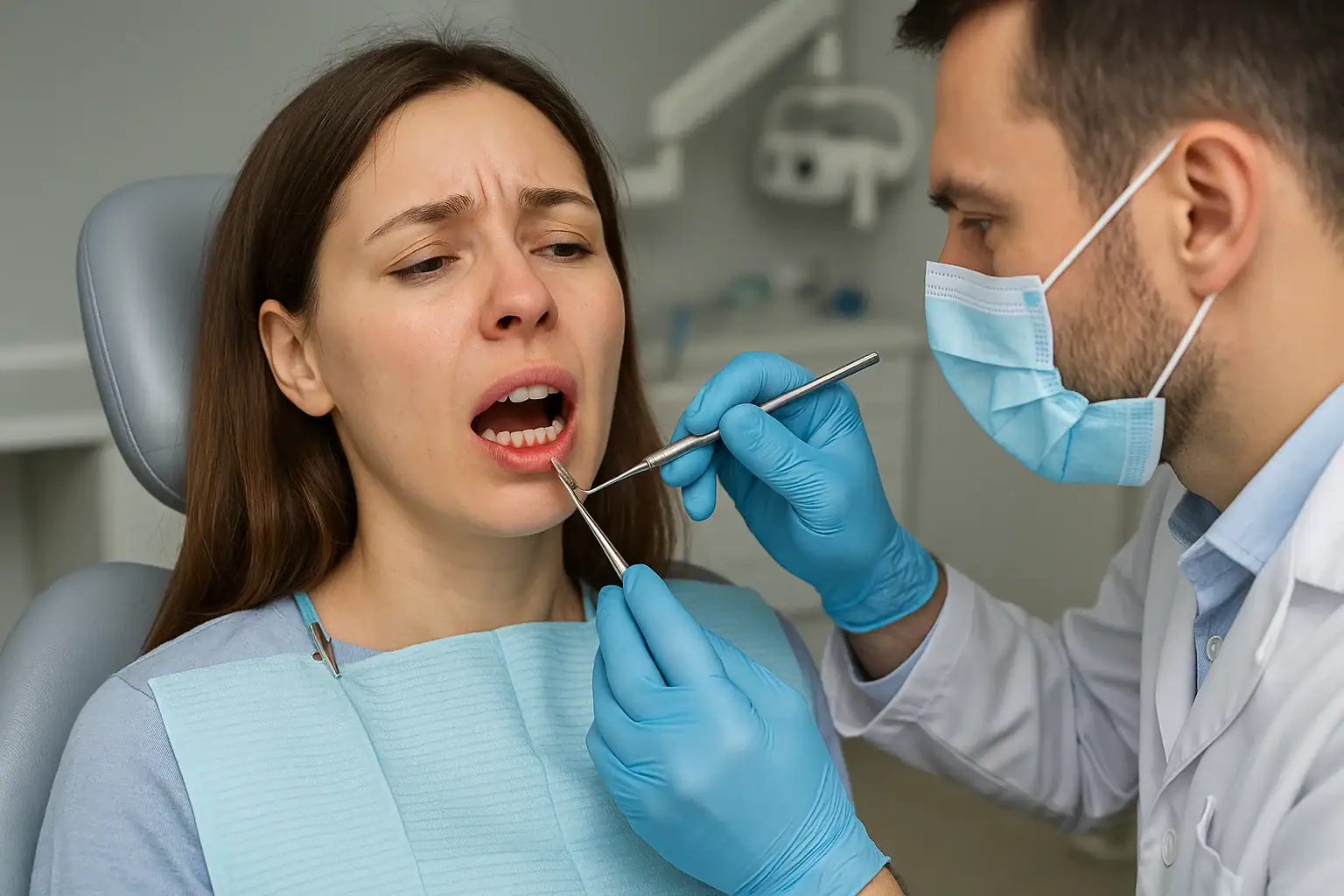
Any sign of gum inflammation is a good reason worthy of mentioning to your dentist. However, you should be aware of deep gum pockets, loose teeth, recurring infections, and other signs and symptoms associated with gum disease. Keep in mind that gum inflammation progresses rapidly and, most times, without evident warning signs until it’s too late. As a result, frequent dental check-ups are excellent to catch up on early signs and address the issue without complications.
In-Office Treatments
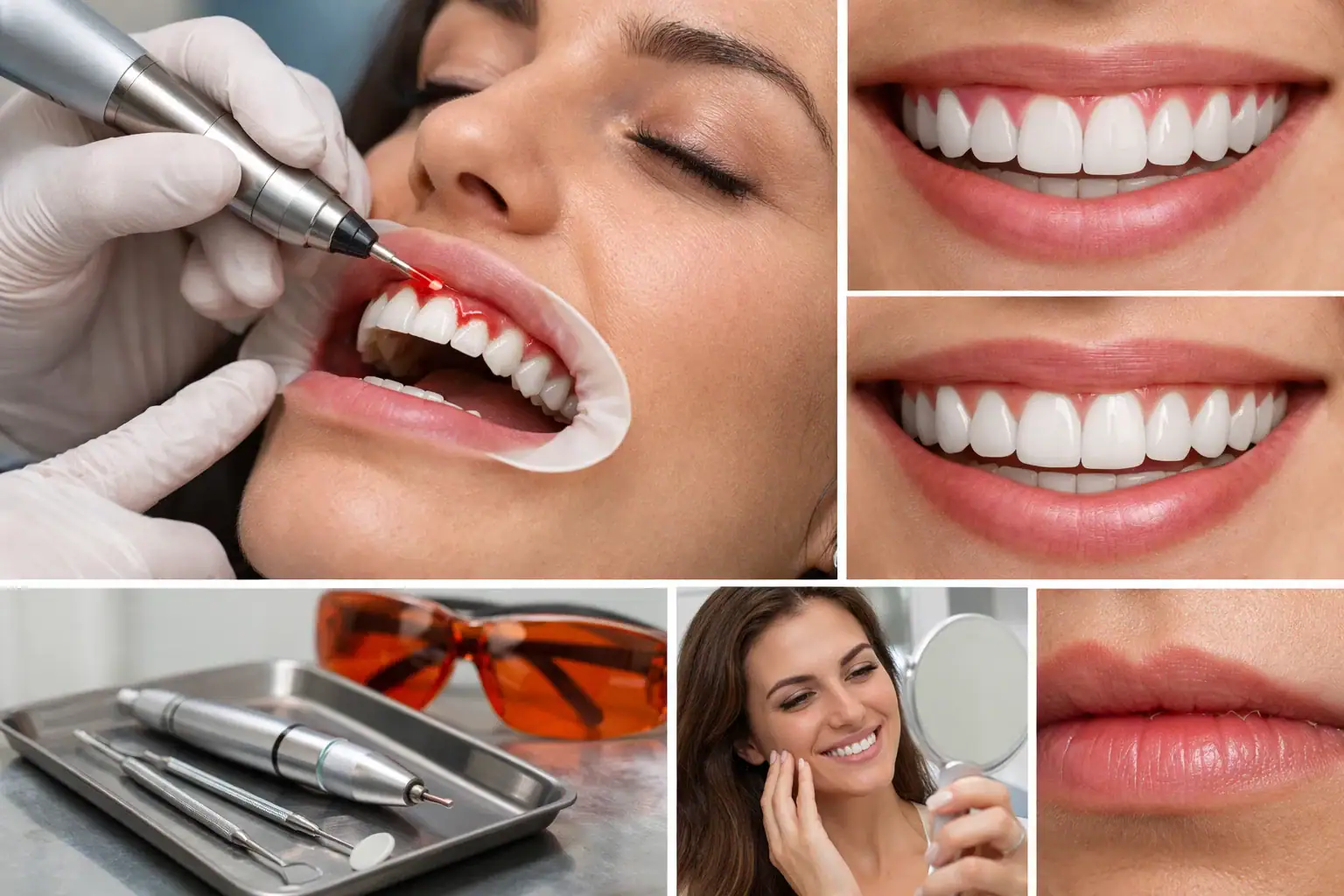
Dental tartar can only be removed by a professional during a dental cleaning. Therefore, if you have accumulated plaque and tartar, you’ll require prophylaxis to bring your teeth and gums back into good shape. In advanced cases, you might require scaling and root planing, which is a deep cleaning below the gumline.
In cases with large pockets and pus, your dentist may recommend topical or oral antibiotics to treat the infection. Also, some advanced stages of the disease can require surgical intervention such as gum flaps or bone grafts to repair bone damage.
Ongoing Maintenance
Your gum health depends on your commitment and consistency. Even after the treatment, it’s essential to maintain regular dental visits as frequently as your dentist suggests. During your visits, your dentist may recommend a personalized oral care routine and specialized tools or products to keep your gum in great shape.
/ Inflamed Gum Around One Tooth and How to Get Rid of Inflamed Gums
If gum inflammation appears in just one tooth, it may indicate the presence of food particles or foreign objects trapped under the gumline. Stuff like popcorn husks, seeds, or fibrous meat can get trapped under the gumline or between teeth, causing irritation and localized swelling. While this issue can sometimes be solved with conventional hygiene tools, it’s usually better to schedule a dental visit to let a professional handle it.
Cracked Tooth or Poorly Fitted Restoration
Another possible cause for localized gum inflammation is a cracked tooth or a failed dental restoration, such as a poorly fitted dental crown or a dislodged composite. These issues can lead to abscesses if not addressed in time. Your dentist will need to examine the area closely and probably take an X-ray to determine the cause and establish a treatment plan.
Here’s a quick takeaway:
- Keep an excellent oral hygiene routine, using the appropriate tools and techniques.
- Avoid skipping flossing and brushing to prevent plaque and tartar formation.
- Use a water flosser or electric toothbrush if you feel uncomfortable with your dexterity.
- Quit or reduce smoking to enhance healing and prevent irritation.
- Stay hydrated and introduce foods rich in calcium, vitamin C, vitamin D, and antioxidants to your diet to strengthen your immune system.
- Attend your routine check-ups and cleanings to detect gum inflammation and early issues.
Let’s plan the right treatment together.
Free Assessment→- 1.Trends in the global, regional, and national burden of oral conditions from 1990 to 2021: a systematic analysis for the Global Burden of Disease Study 2021. Lancet 2025;405:897-910. PubMed 40024264
- 2.James P, Worthington HV, Parnell C, Harding M, Lamont T, Cheung A, et al. Chlorhexidine mouthrinse as an adjunctive treatment for gingival health. Cochrane Database Syst Rev 2017;3:CD008676. PubMed 28362061
- 3.Worthington HV, MacDonald L, Poklepovic Pericic T, Sambunjak D, Johnson TM, Imai P, et al. Home use of interdental cleaning devices, in addition to toothbrushing, for preventing and controlling periodontal diseases and dental caries. Cochrane Database Syst Rev 2019;4:CD012018. PubMed 30968949