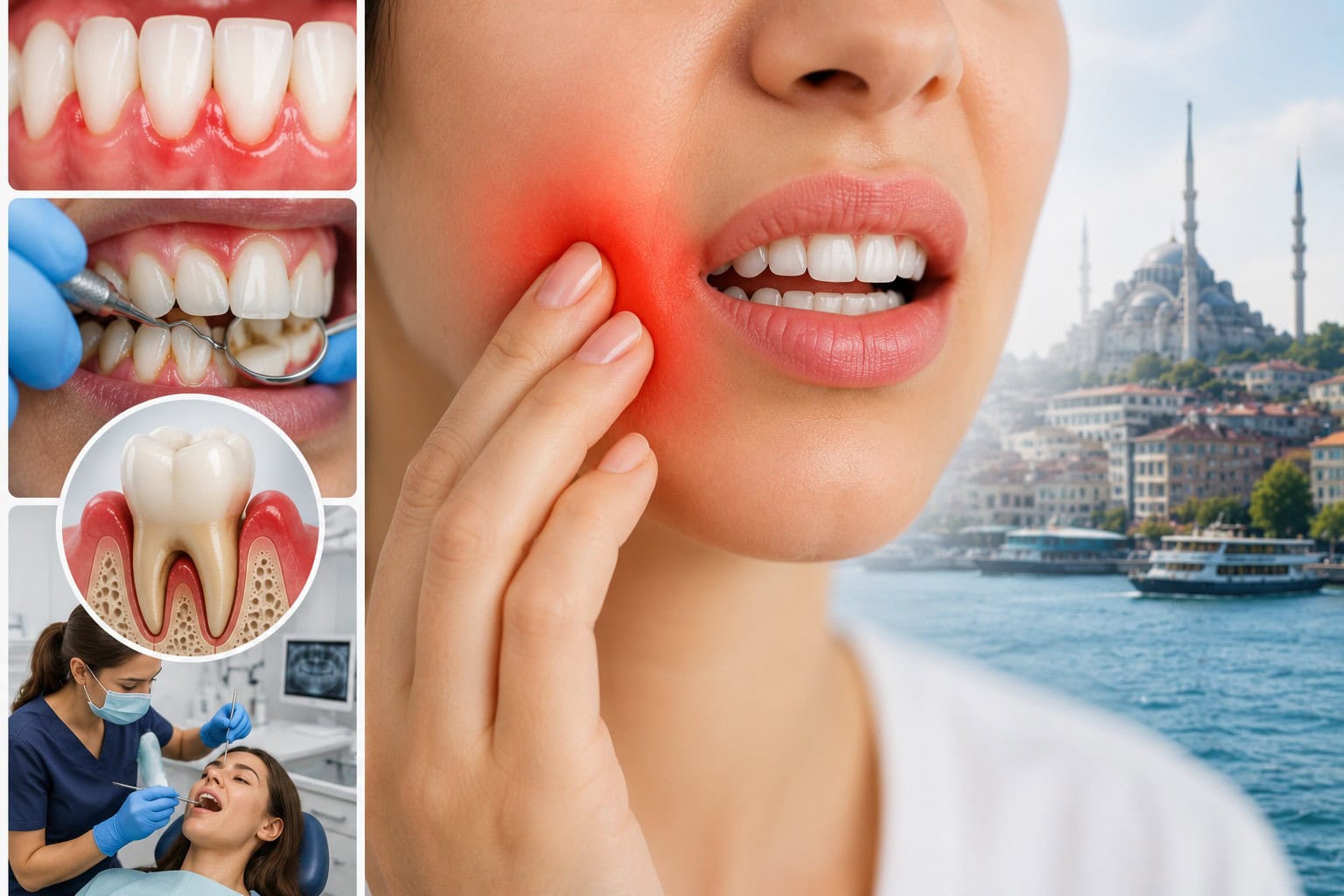
Inflamed gums, clinically gingivitis, are gum tissues that have turned red and swollen and bleed on brushing because plaque bacteria have been sitting along the gumline. Gingivitis is reversible once the plaque and tartar are removed; left alone it can progress to periodontitis, which destroys the attachment and bone around the teeth and does not reverse. In NHANES 2009 to 2012, 46 per cent of US adults aged 30 and over already had periodontitis and 8.9 per cent had the severe form (PubMed 25688694). Bleeding during pregnancy is common rather than unusual: pooled bleeding on probing reached 67 per cent (PubMed 35998741).
- 01Gingivitis is inflammation limited to the soft tissue and reverses with plaque control; periodontitis involves attachment and bone loss and does not reverse, which is why the early bleeding stage is the one worth acting on.
- 0246 per cent of US adults aged 30 and over had periodontitis in NHANES 2009 to 2012, with 8.9 per cent in the severe category and prevalence rising steadily with age (PubMed 25688694).
- 03Pregnancy shifts the numbers sharply: across 20 studies, pooled prevalence was 67 per cent for bleeding on probing, 42 per cent for pockets of 4 mm or deeper and 40 per cent for periodontitis (PubMed 35998741).
- 04Antibiotics are an adjunct, not the treatment: added to subgingival debridement they produced 0.45 mm extra pocket depth reduction short term and 0.49 mm long term, with more frequent adverse events (PubMed 31994207).
- 05Home measures such as saltwater rinses, aloe vera gel or oil pulling are supportive only; hardened tartar below the gumline is removed mechanically and nothing rinsed or swished dissolves it.
/ Understanding Inflamed Gums
Inflamed gums are linked to gum health and overall oral hygiene.
Gum health plays a critical role in maintaining overall oral hygiene. When gums become inflamed, it can indicate a range of underlying issues, from mild irritation to the early stages of periodontal disease. But what exactly are inflamed gums, and how do you treat them effectively?
Did You Know? The CDC estimates that nearly half of adults aged 30 and older show signs of gum disease, often starting with inflamed gums.
What Are Inflamed Gums?
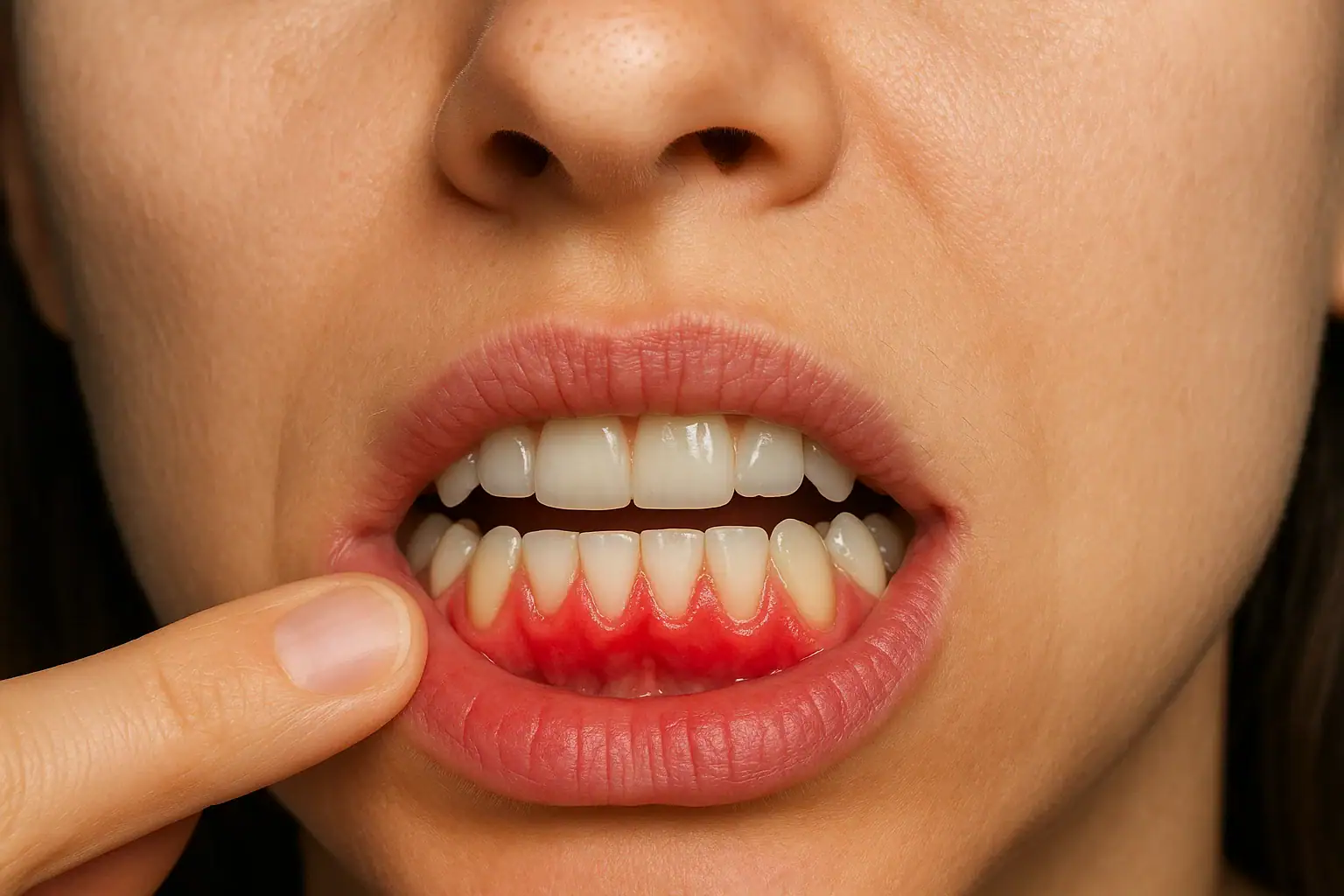
Inflamed gums, medically referred to as gingivitis, occur when the soft tissue around the teeth becomes swollen, red, and irritated. This condition can range from mild inflammation to more serious gum disease if left untreated.
Common Signs of Inflamed Gums
- Red or dark red gums
- Swelling or puffiness
- Tenderness or pain when touched
- Bleeding during brushing or flossing
- Persistent bad breath
- Gum recession in advanced cases
Clinical Tip: In some cases, inflammation may be present without visible signs. Routine dental checkups are crucial for early detection.
/ Causes of Inflamed Gums
Understanding why gums are inflamed is the first step toward healing. Here are the most common reasons behind inflamed gums :
1. Poor Oral Hygiene
Plaque buildup due to inadequate brushing or flossing is the most common cause of gum inflammation. The bacteria in plaque irritate the gum tissue.
2. Gingivitis and Periodontitis
Gingivitis is the early stage of gum disease. If untreated, it can progress to periodontitis, which can cause bone loss and tooth loss.
3. Hormonal Changes
Hormonal fluctuations during pregnancy, menstruation, or menopause can increase gum sensitivity and inflammation. After menopause, bone health is part of the picture too: pooled data from 28 observational studies showed that women with postmenopausal osteoporosis had a share of sites bleeding on probing 12.71 percentage points higher than women without it. After menopause, bone health is part of the picture too: pooled data from 28 observational studies showed that women with postmenopausal osteoporosis had a share of sites bleeding on probing 12.71 percentage points higher than women without it.
Pregnancy Gingivitis affects up to 70% of pregnant women due to hormonal changes.
4. Smoking and Tobacco Use
Tobacco limits oxygen in the bloodstream, impairs immune response, and increases susceptibility to gum infections.
5. Nutritional Deficiencies
Deficiencies in vitamin C, vitamin D, and calcium can impair gum health and healing.
6. Ill-Fitting Dental Appliances
Braces, dentures, or retainers that don’t fit properly may irritate gum tissue and lead to inflammation.
7. Medications and Dry Mouth
Certain medications (e.g., antihistamines, diuretics) reduce saliva flow, causing dry mouth and increasing bacterial activity in the mouth.
8. Underlying Health Conditions
Diseases such as diabetes, leukemia, and autoimmune disorders can contribute to chronic gum inflammation.
/ Professional Inflamed Gums Treatment and Initial Home Care
Inflamed gums can be managed with professional treatment, home support, and timely dental evaluation.
How to Treat Inflamed Gums: Proven Treatment Options
1. Professional Dental Cleaning
Removing tartar buildup through professional cleaning is essential to treating inflamed gums.
2. Improved Oral Hygiene Routine
Brushing
- Use a soft-bristled toothbrush
- Brush at least twice a day
- Angle brush at 45° to the gumline
Flossing
- Floss daily to clean between the teeth and under the gums
Mouthwash
- Use antibacterial or chlorhexidine mouthwash to eliminate harmful bacteria
3. Saltwater Rinses
Mix 1/2 teaspoon of salt in a glass of warm water and rinse your mouth twice daily to reduce swelling and kill bacteria.
4. Antibacterial Medications
Topical or oral antibiotics may be prescribed in moderate to severe cases.
5. Scaling and Root Planing
A deep cleaning procedure to remove plaque from beneath the gumline and smooth root surfaces.
6. Laser Gum Therapy
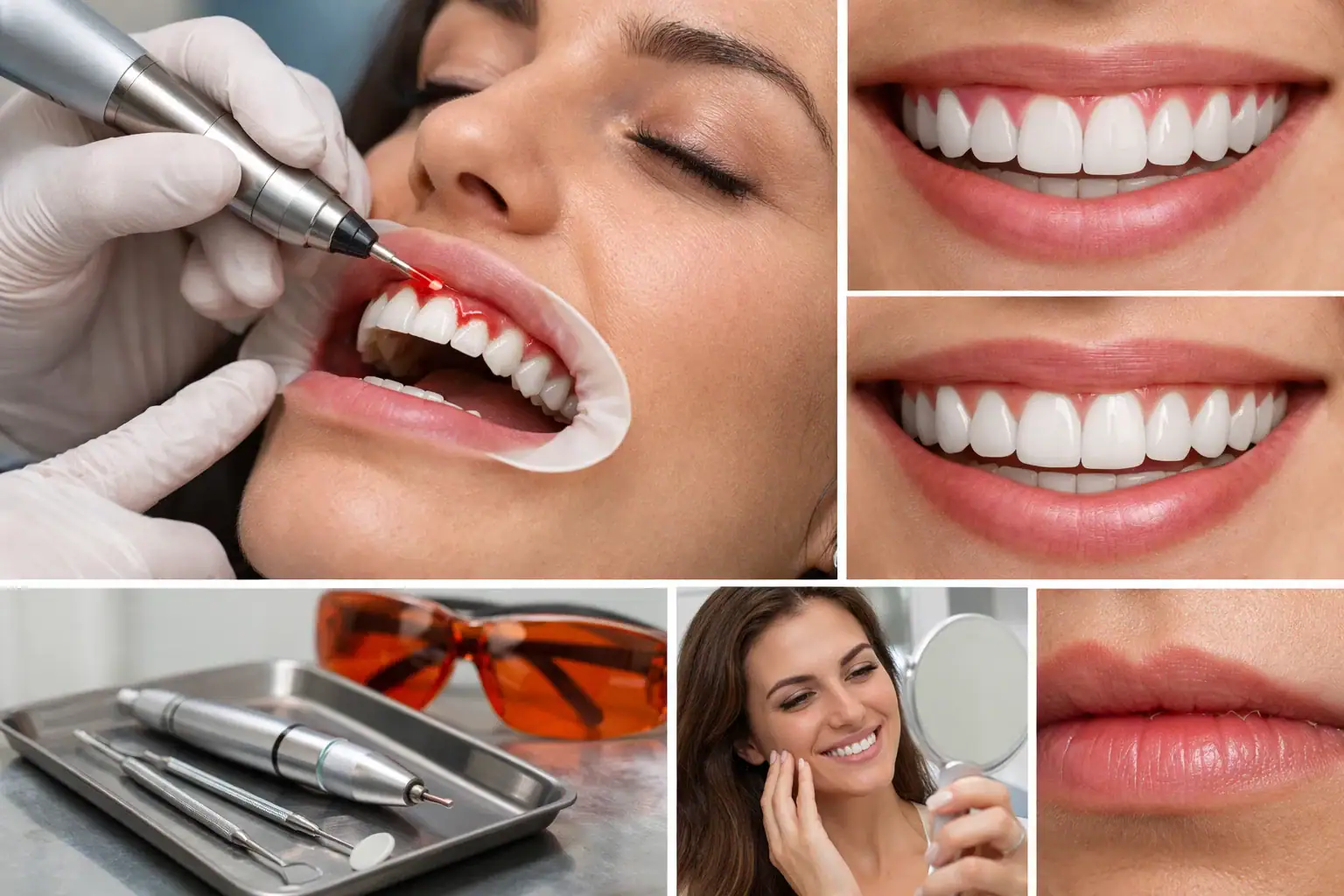
Minimally invasive treatment using lasers to remove infected tissue and promote healing.
How Do I Get Rid of Inflamed Gums at Home?
These natural remedies can be helpful for mild gum inflammation:
1. Aloe Vera Gel
Apply directly to the gums to soothe inflammation.
/ Inflamed Gums Home Care and Warning Signs
Inflamed gums require home care habits and attention to warning signs.
2. Green Tea
Drink regularly to reduce inflammation thanks to its antioxidant properties.
3. Turmeric Paste
Apply to gums for its curcumin content, a powerful anti-inflammatory agent.
4. Hydrogen Peroxide Rinse (Diluted)
Mix 1 part hydrogen peroxide with 2 parts water. Swish gently but do not swallow.
5. Oil Pulling
Swish coconut or sesame oil in the mouth for 10–15 minutes daily to reduce bacteria.
⚠️ Note: These methods are supportive. Persistent gum issues require professional dental care.
How to Heal Inflamed Gums Fast
- Maintain excellent oral hygiene
- Use a water flosser for gentle interdental cleaning
- Avoid sugary, acidic foods and beverages
- Stay hydrated
- Quit smoking
- Replace your toothbrush every 3 months
- Sleep with a humidifier if you experience dry mouth
When to See a Dentist
See a dental professional if symptoms persist for more than a week or worsen.
Urgent Symptoms:
- Bleeding that won’t stop
- Pus around the gums
- Loose or shifting teeth
- Pain while chewing
- Gums pulling away from the teeth
/ FAQs About Inflamed Gums
How do I get rid of inflamed gums?
Brush, floss, and rinse with antibacterial mouthwash daily. Schedule a dental cleaning and follow your dentist’s recommendations.
How to treat inflamed gums naturally?
Try saltwater rinses, aloe vera, turmeric, green tea, and oil pulling as complementary remedies.
Why are my gums inflamed all of a sudden?
Sudden inflammation may stem from new dental appliances, stress, hormonal shifts, or a lapse in oral care.
How to get rid of inflamed gums fast?
Consistent brushing and flossing, combined with professional care and anti-inflammatory rinses, can produce results within a few days.
How to heal inflamed gums permanently?
Adopt long-term healthy habits, visit your dentist regularly, and address any underlying health conditions.
Conclusion: Don’t Ignore the Warning Signs
Inflamed gums are not just a minor annoyance, they are a red flag for deeper oral health issues. Whether caused by poor hygiene, systemic conditions, or hormonal shifts, prompt action can prevent complications.
By adopting a preventive care routine, using treatment for inflamed gums, and consulting with dental professionals, you give your gums the best chance of staying strong and healthy.
✅ Healthy gums are essential for a confident, pain-free smile. Start taking care of them today!
Let’s plan the right treatment together.
Free Assessment→- 1.Eke PI, Dye BA, Wei L, Slade GD, Thornton-Evans GO, Borgnakke WS, et al. Update on Prevalence of Periodontitis in Adults in the United States: NHANES 2009 to 2012. J Periodontol 2015;86:611-22. PubMed 25688694
- 2.Chen P, Hong F, Yu X. Prevalence of periodontal disease in pregnancy: A systematic review and meta-analysis. J Dent 2022;125:104253. PubMed 35998741
- 3.Teughels W, Feres M, Oud V, Martín C, Matesanz P, Herrera D. Adjunctive effect of systemic antimicrobials in periodontitis therapy: A systematic review and meta-analysis. J Clin Periodontol 2020;47 Suppl 22:257-281. PubMed 31994207
- 4.Qi J, Chen J, Pang Y, Guo Y, Chen G, Liu Y, et al. Association between periodontal disease and osteoporosis in postmenopausal women: A systematic review and meta-analysis. Heliyon. 2023;9(11):e20922.