
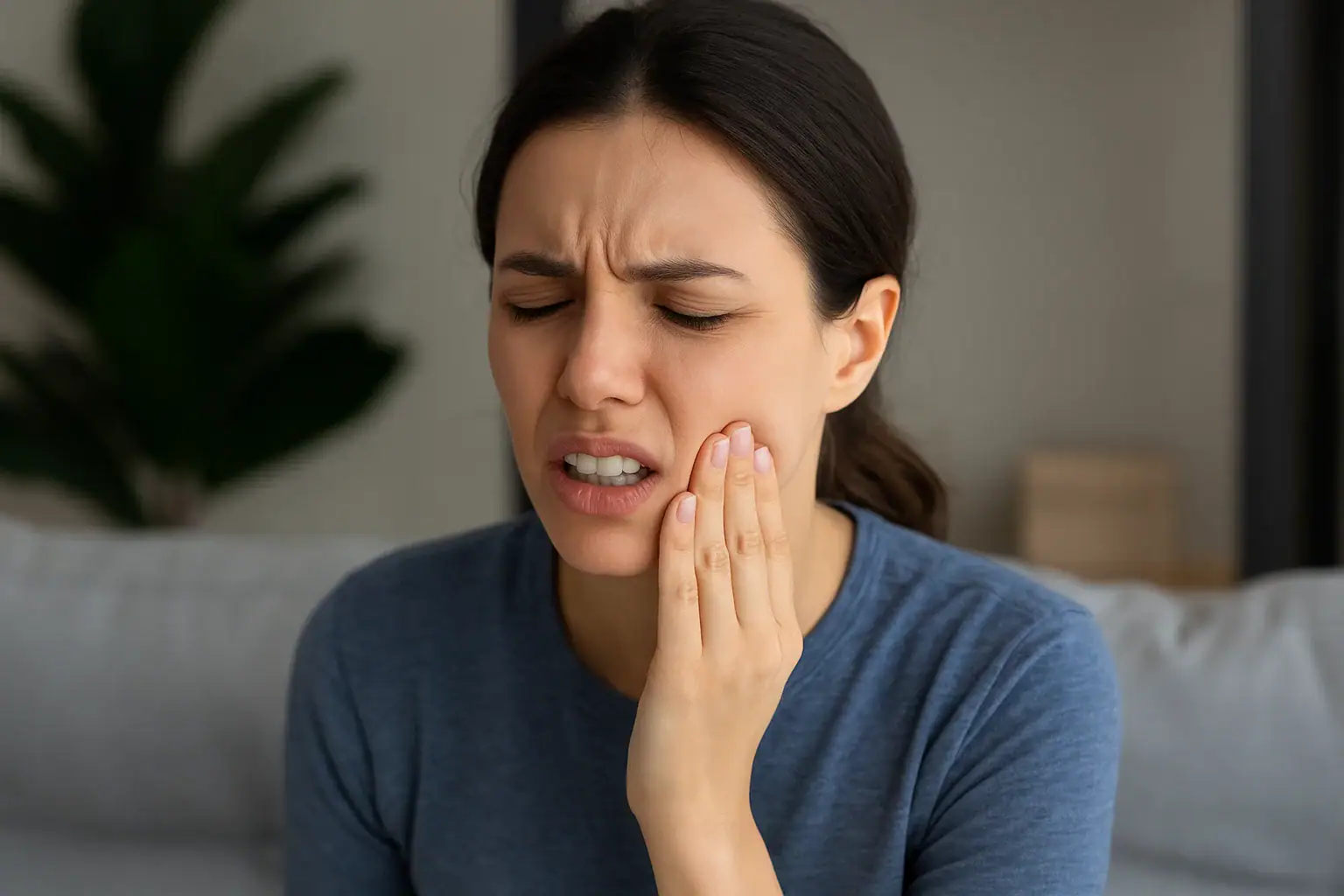
Tooth pain is a symptom rather than a diagnosis: it signals that enamel, dentin, pulp, gum or a neighbouring structure such as the maxillary sinus has been irritated or infected. Its causes range from decay and cracked teeth to sinus infection, hormonal change and vitamin deficiency, each with its own trigger pattern. Dentin hypersensitivity alone, the sharp zing to cold or sweets, has a pooled prevalence of 11.5% across 77 studies (PubMed 30639724). Pain that lasts longer than one to two days, or arrives with swelling or fever, needs a dental examination rather than another painkiller.
- 01Thirteen separate mechanisms sit behind the same complaint and they do not share one fix: decay needs a filling, bruxism needs a night guard, and sinus-driven pain needs the sinus treated rather than the tooth.
- 02Dentin hypersensitivity is the most common source of the short, sharp zing to cold or sweets; pooled prevalence is 11.5% (95% CI 11.3-11.7) across 77 studies, with an unweighted average of 33.5% (PubMed 30639724).
- 03Pain in all teeth at once usually points away from any single tooth: grinding, acid reflux, severe gum inflammation or stress clenching. Global bruxism prevalence is 22.22%, sleep bruxism 21% and awake bruxism 23% (PubMed 39064299).
- 04Pain on biting down localises the problem to one tooth: a crack, a dental abscess, a worn filling or crown, or a tooth that has become loose.
- 05The threshold for booking an appointment is concrete: pain lasting more than one to two days, severe or throbbing pain, swelling or fever, or visible damage to a tooth.
Tooth pain can strike suddenly or develop gradually over time, and it can range from a dull ache to a sharp, stabbing sensation. Whether it happens when you bite down, eat sweets, or even when you're sick, understanding the root causes of dental discomfort is the first step toward relief.
/ Common Causes of Tooth Pain
Common causes of tooth pain are outlined through the dental conditions below.
1. Tooth Decay (Cavities)
Tooth decay is one of the most frequent causes of tooth pain. When plaque accumulates on your teeth and isn't removed, it produces acids that erode enamel. If left untreated, the decay reaches the dentin and pulp, leading to sensitivity and pain.
Symptoms:
- Sharp pain when eating sweets
- Pain when drinking hot or cold beverages
2. Gum Disease (Gingivitis & Periodontitis)
Gum infections can cause your teeth to ache, especially when the supporting bone starts deteriorating.
Symptoms:
- Swollen, red, or bleeding gums
- Bad breath
- Receding gum line
3. Tooth Sensitivity
Tooth sensitivity is often caused by worn enamel, exposed dentin, or gum recession.
Triggers:
- Eating sweets
- Hot or cold drinks
- Brushing too hard
4. Dental Abscess or Infection
An abscess is a pus-filled infection caused by bacteria inside the tooth or gum.
Symptoms:
- Severe, persistent toothache
- Swelling in the face or jaw
- Fever
- Foul taste in the mouth
5. Cracked or Fractured Teeth
Even tiny cracks in teeth can lead to pain, especially when biting down.
Causes:
- Grinding teeth
- Chewing hard objects
- Trauma to the mouth
6. Impacted Wisdom Teeth
Wisdom teeth that don't emerge properly can push against other teeth, causing pain and misalignment.
Symptoms:
- Pain in the back of the mouth
- Swelling
- Headaches
7. Orthodontic Treatments
Braces and other appliances can cause discomfort as teeth shift into position.
/ Additional Dental and Health-Related Causes of Tooth Pain
Additional causes of tooth pain are outlined through health-related and treatment-related situations below.
8. Sinus Infections (When You're Sick)
Tooth pain during illness is often due to sinus pressure. The roots of upper teeth sit close to the sinuses.
Symptoms:
- Pain in upper molars
- Congestion
- Facial pressure
9. Psychological Factors: Stress and Clenching
Stress can cause involuntary clenching or grinding of the teeth ( bruxism ), leading to widespread dental pain.
Signs:
- Jaw soreness upon waking
- Flattened teeth surfaces
- Frequent headaches
10. Enamel Erosion from Diet or Acid Reflux
Highly acidic foods and beverages, or medical conditions like GERD, can erode enamel and increase tooth sensitivity.
Common culprits:
- Citrus fruits
- Soda and energy drinks
- Stomach acid exposure
11. Tooth Pain After Dental Procedures
Some people may experience temporary pain after dental treatments such as fillings, crowns, or root canals .
Causes:
- Nerve irritation
- Bite misalignment
- Inflammation around the treated tooth
12. Hormonal Changes and Tooth Pain
Hormonal fluctuations, particularly during pregnancy, menstruation, or menopause, can lead to gum sensitivity and discomfort.
Symptoms:
- Swollen or bleeding gums
- Increased plaque buildup
- Gum soreness
13. Vitamin Deficiencies
Lack of essential nutrients like vitamin C, vitamin B12, or calcium can compromise oral health. For recurrent aphthous ulcers, the link has been measured: in a meta-analysis of nine case-control studies, deficiencies of vitamin B12 (odds ratio 3.75), folic acid (7.55) and ferritin (2.62) were significantly more common in patients than in controls. For recurrent aphthous ulcers, the link has been measured: in a meta-analysis of nine case-control studies, deficiencies of vitamin B12 (odds ratio 3.75), folic acid (7.55) and ferritin (2.62) were significantly more common in patients than in controls.
Signs:
- Bleeding gums
- Mouth ulcers
- Tooth mobility
/ Tooth Pain Patterns and Treatment Options
Tooth pain patterns can vary by trigger and related symptoms.
When All Teeth Hurt Suddenly
Sudden pain in all teeth is often linked to:
- Bruxism (Teeth Grinding): Wears down enamel and stresses jaw muscles.
- Acid Reflux: Stomach acids can erode enamel.
- Severe gum infection or inflammation.
- Clenching from stress or anxiety.
Why Do My Teeth Hurt When I Bite Down?
Pain when biting is typically associated with:
- Cracked teeth
- Dental abscesses
- Worn fillings or crowns
- Loose teeth
Why Do My Teeth Hurt When I Eat Sweets?
Sensitivity to sugar usually indicates:
- Early stages of decay
- Exposed dentin
- Micro-cracks in enamel
Why Do My Teeth Hurt When I'm Sick?
Sickness-related tooth pain is usually due to:
- Sinus infections
- Dehydration
- Dry mouth (reduces natural protection against bacteria)
- Fever-related clenching
How to Treat and Prevent Tooth Pain
Immediate Relief
- Over-the-counter pain relievers
- Cold compress on the outside of the jaw
- Rinsing with warm salt water
Long-Term Solutions
- Professional cleaning and check-up
- Fillings or root canal for decay or infection
- Desensitizing toothpaste for sensitivity
- Night guards for bruxism
- Antibiotics for infections
- Stress management techniques like meditation or physical activity
/ Dental Consultation and FAQs
Dental consultation and FAQs can help frame persistent tooth discomfort and next steps.
When to See a Dentist
You should consult a dentist if:
- Pain lasts more than 1–2 days
- Pain is severe or throbbing
- You have swelling or fever
- There is visible damage to a tooth
FAQs
Q: Why do all my teeth hurt suddenly?
A: This could be due to bruxism, gum disease, or acid erosion.
Q: Why do my teeth hurt when I bite down?
A: Likely causes include cracks, infection, or faulty restorations.
Q: Why do sweets make my teeth hurt?
A: You may have sensitivity or early tooth decay.
Q: Can being sick cause tooth pain?
A: Yes, especially if sinus pressure is involved.
Q: Can stress really cause tooth pain?
A: Yes, stress-induced clenching and grinding are leading causes of widespread dental discomfort.
Tooth pain is your body’s way of signaling that something needs attention. Whether it's decay, sensitivity, or a sinus issue, proper diagnosis and timely dental care can prevent minor issues from becoming major problems. If you’re experiencing persistent tooth discomfort, don’t delay. Schedule a dental consultation and take the first step toward a pain-free, healthy smile.
Let’s plan the right treatment together.
Free Assessment→- 1.Favaro Zeola L, Soares PV, Cunha-Cruz J. Prevalence of dentin hypersensitivity: Systematic review and meta-analysis. J Dent 2019;81:1-6. PubMed 30639724
- 2.Zieliński G, Pająk A, Wójcicki M. Global Prevalence of Sleep Bruxism and Awake Bruxism in Pediatric and Adult Populations: A Systematic Review and Meta-Analysis. J Clin Med 2024;13. PubMed 39064299
- 3.Chen H, Sui Q, Chen Y, Ge L, Lin M. Impact of haematologic deficiencies on recurrent aphthous ulceration: a meta-analysis. Br Dent J. 2015;218(4):E8.