A dead tooth, clinically a non-vital tooth, is a tooth whose pulp nerve and blood supply have died, usually after deep decay, trauma or repeated restorative insult; the crown often turns grey, brown or yellow as blood cells break down inside the pulp chamber. Treatment is root canal therapy or extraction. Pooled data from 63 longitudinal studies place the success of primary root canal treatment at 68% to 85% under strict radiographic criteria (PubMed 17931389), while 14 studies put tooth survival after treatment at 86% to 93% over 2 to 10 years (PubMed 20158529). Some dead teeth stay painless, so diagnosis relies on testing.
- 01Non-vital means the pulp has lost its nerve and blood supply: the tooth stays in the socket but no longer responds to thermal or electric pulp testing.
- 02Primary root canal treatment succeeded in a pooled 68% to 85% of cases under strict radiographic criteria across 63 longitudinal studies, and the reported success rates had not improved over four decades (PubMed 17931389).
- 03Tooth survival after non-surgical root canal treatment was 86% at 2-3 years, 93% at 4-5 years and 87% at 8-10 years across 14 studies (PubMed 20158529).
- 04A crown restoration placed after root canal treatment was the single strongest factor improving tooth survival in the same review, ahead of proximal contacts and tooth type (PubMed 20158529).
- 05Discoloration does not date the problem and pain does not measure it: some non-vital teeth are entirely asymptomatic, which is why percussion, thermal and electric pulp tests plus radiographs are used.
Introduction and Dead Tooth Definition
Teeth are living structures made up of nerves, blood vessels, and connective tissue, protected by hard enamel and dentin layers. But what happens when a tooth "dies"? A dead tooth, also known as a non-vital tooth, can pose significant health risks if left untreated. Whether you've noticed discoloration or are experiencing unexplained tooth pain, understanding the signs and treatment of a dead tooth is crucial.
Definition of a Dead Tooth
A dead tooth is a tooth in which the nerve and blood supply, located in the pulp, have died. This condition is also referred to as a non-vital tooth. When the nerve dies due to decay, trauma, or infection, the tooth no longer has access to oxygen or nutrients, essentially becoming non-living.
What Does a Dead Tooth Look Like
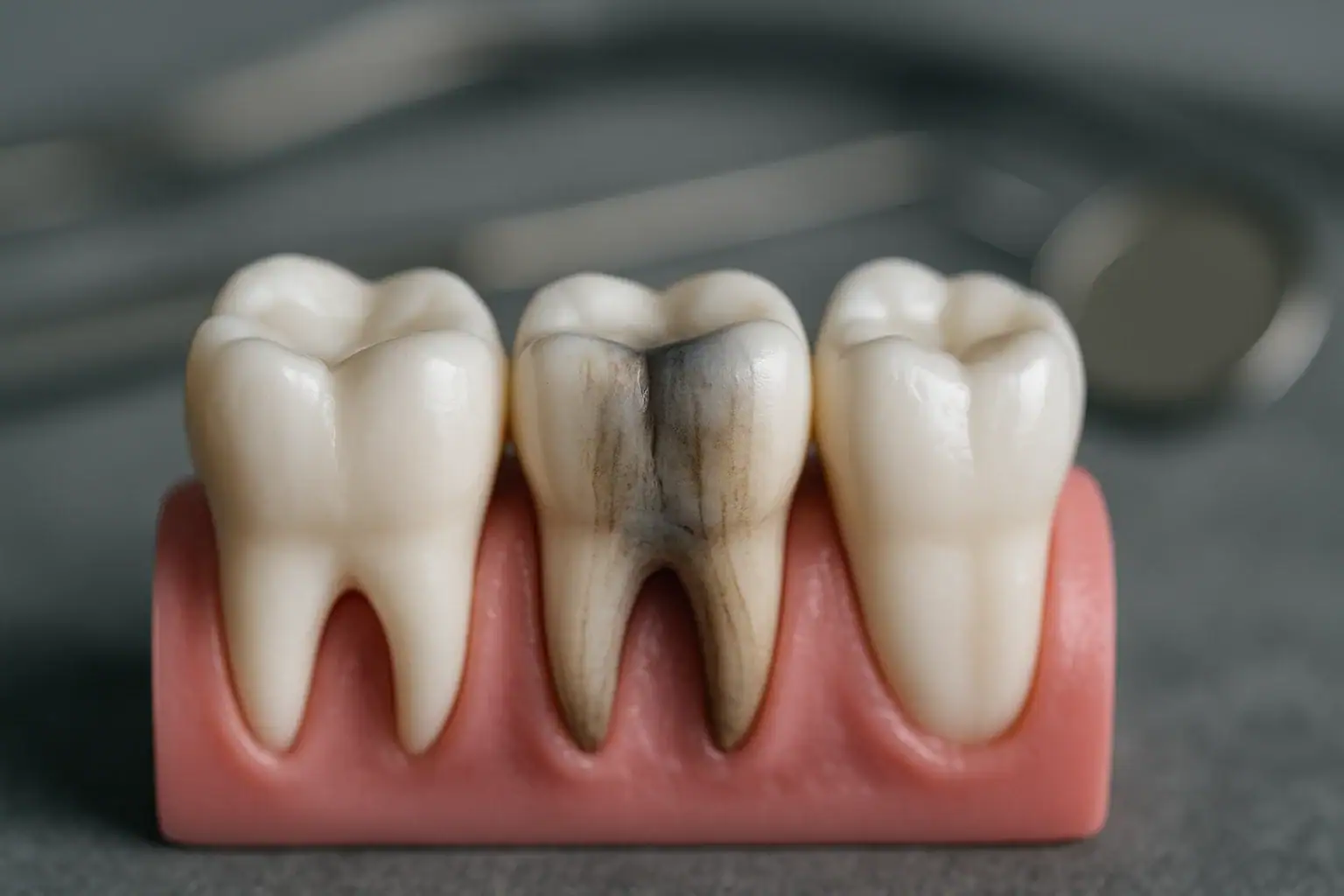
One of the most visible signs of a dead tooth is discoloration. A healthy tooth is typically white or off-white, but a dead tooth may appear:
- Yellow, gray, or brown
- Darker than surrounding teeth
- Dull or lifeless in appearance
The discoloration is caused by the breakdown of red blood cells inside the pulp, similar to the bruising process in soft tissue.
Common Causes of a Dead Tooth
Several factors can lead to the death of a tooth.
Untreated Tooth Decay
Deep decay that reaches the pulp can introduce bacteria, leading to infection and pulp necrosis. If cavities are not treated early, the bacteria can penetrate deep into the tooth, eventually killing the nerve.
Dental Trauma
Physical injury, such as a sports accident or car crash, may sever the blood supply to the tooth, causing it to die. Even minor trauma that seems insignificant at first can cause delayed nerve death.
Children and teens who are active in sports are at higher risk of dental trauma. Mouthguards should be worn during high-impact activities.
Repeated Dental Procedures
Multiple restorations or aggressive drilling can stress the pulp, eventually leading to necrosis. This is more likely in teeth that have had large fillings or crowns placed without adequate protection.
Grinding or Clenching (Bruxism)
Constant pressure and micro-trauma may gradually lead to pulp damage. People who grind their teeth can develop small fractures that allow bacteria to enter the pulp.
Orthodontic Movement
In rare cases, excessive force during orthodontic treatment (like braces or aligners) can disrupt the blood supply to the tooth, resulting in pulp death.
Dead Tooth Symptoms and Diagnostic Tests
Early detection of a dead tooth can prevent complications. Watch for these key dead tooth symptoms :
- Tooth discoloration (gray, black, or brown)
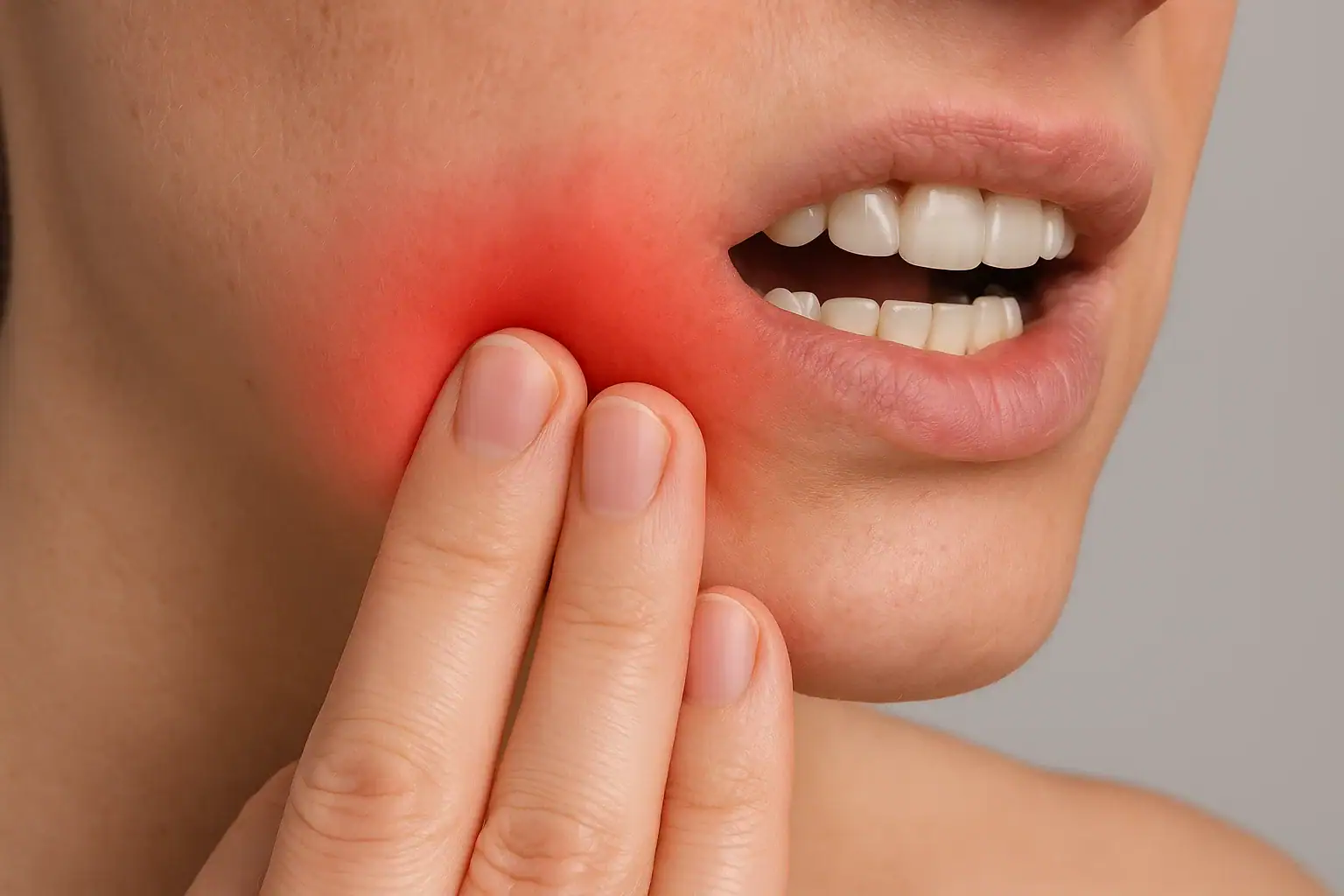
- Pain or discomfort, especially when chewing
- Swelling or abscess around the tooth or gums
- Foul odor or taste, due to bacterial infection
- Loose tooth or mobility
- Pimple-like bump on the gums (fistula)
Notably, some dead teeth are completely asymptomatic, meaning no pain or visible signs are present, which makes regular dental checkups even more important.
How to Tell If a Tooth Is Dead
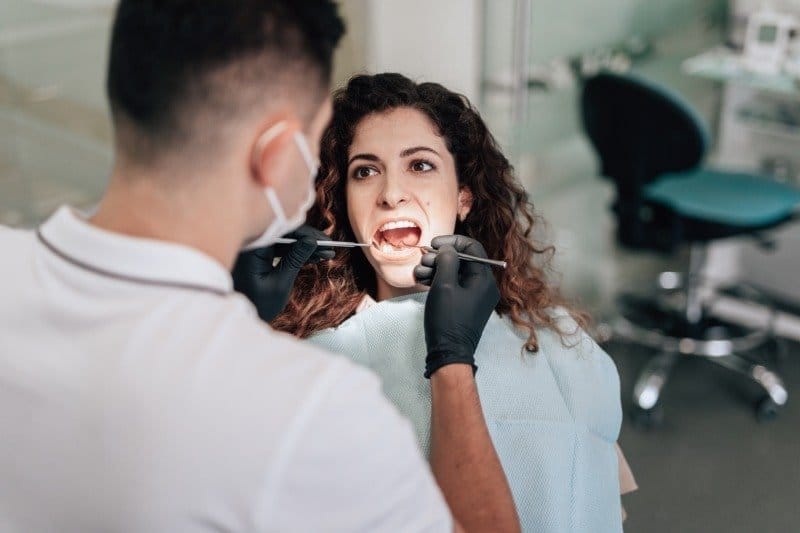
Dentists use several methods to diagnose a non-vital tooth.
Percussion Testing
Tapping the tooth can reveal sensitivity or pain indicating inflammation or infection in the periodontal ligament.
Thermal Testing
Applying hot or cold to the tooth helps assess nerve response. A lack of response may indicate necrosis.
Electric Pulp Testing
A small electric current checks for nerve vitality. A non-responsive tooth suggests nerve death.
X-Rays
Radiographs can detect signs of decay, bone loss, or abscess formation. A dark shadow around the root tip is a common indicator of a dead tooth.
How Long a Dead Tooth Can Stay in Your Mouth and Related Risks
You might wonder, how long can a dead tooth stay in your mouth without causing issues? The answer varies. In some cases, a dead tooth may remain in the mouth for months or even years, especially if it is asymptomatic. However, this is not advisable.
Risks of Keeping a Dead Tooth Untreated
- Spread of infection to the jawbone
- Formation of painful abscesses
- Damage to surrounding teeth and tissues
- Tooth loss or need for extraction
- Sinus complications (in upper teeth)
- Systemic infection risks
Keeping a dead tooth in place without proper evaluation can silently lead to bone loss, gum disease and, less often, complications that spread beyond the mouth.
Can a Dead Tooth Kill You
While it's rare, a dead tooth can lead to life-threatening complications if the infection spreads beyond the mouth. This is especially true if an abscess is left untreated, potentially resulting in:
- Sepsis, a systemic inflammatory response to infection
- Brain abscess
- Endocarditis (infection of the heart lining)
So to answer the question: Can a dead tooth kill you? Technically yes, though it is rare where routine dental care is available. Still, it shows why early intervention matters.
Dead Tooth Treatment Options
Depending on the severity and patient preference, several treatment options exist.
Root Canal Therapy
Root canal therapy is a common and effective method to save a dead tooth. The procedure follows these steps.
- The infected pulp is removed.
- The inside of the tooth is cleaned and disinfected.
- The canal is filled and sealed.
- A crown may be placed for protection and aesthetics.
Pooled data from 63 longitudinal studies place the success of primary root canal treatment at 68% to 85% under strict radiographic criteria (PubMed 17931389). In a separate review of 14 studies, a crown restoration after root canal treatment ranked first among the conditions that improved tooth survival (PubMed 20158529).
Tooth Extraction
If the tooth cannot be saved, extraction may be the remaining option. A dental implant, bridge, or partial denture can replace the missing tooth to maintain chewing function and aesthetics.
Dead Tooth Filling
In very early cases where the tooth has died but remains structurally sound, a dead tooth filling may be considered as a temporary or cosmetic solution. However, without a root canal, this option is not long-term.
Cosmetic Restoration After Treatment
Dead teeth can affect your smile aesthetics. Cosmetic solutions include the following.
- Porcelain or ceramic crowns for color matching and durability
- Veneers to improve surface appearance
- Internal bleaching, a technique to whiten the tooth from the inside after root canal treatment
These treatments restore both function and confidence.
Prevention: How to Avoid a Dead Tooth
While not all causes can be avoided, there are steps you can take to reduce your risk:
- Maintain excellent oral hygiene with twice-daily brushing, daily flossing, and regular fluoride use.
- Visit your dentist at the interval they recommend for checkups and cleanings.
- Wear a mouthguard during sports or nighttime if you grind your teeth.
- Treat cavities early before they reach the pulp.
- Avoid sugary snacks and acidic drinks, which contribute to decay.
A dead tooth is more than a cosmetic concern; it is a warning sign of underlying dental problems that need prompt attention. Whether caused by trauma or infection, a dead tooth can lead to serious health risks if ignored. Early diagnosis, treatment (like a root canal or extraction), and ongoing oral care can help protect your smile and overall health.
If you suspect you have a dead tooth, don't delay. Schedule an appointment with your dentist and discuss the course of action suited to your situation.
Let's plan the right treatment together.
Free Assessment→- 1.Ng YL, Mann V, Rahbaran S, Lewsey J, Gulabivala K. Outcome of primary root canal treatment: systematic review of the literature - part 1. Effects of study characteristics on probability of success. Int Endod J 2007;40:921-39. PubMed 17931389
- 2.Ng YL, Mann V, Gulabivala K. Tooth survival following non-surgical root canal treatment: a systematic review of the literature. Int Endod J 2010;43:171-89. PubMed 20158529
- 3.Mainkar A, Kim SG. Diagnostic Accuracy of 5 Dental Pulp Tests: A Systematic Review and Meta-analysis. J Endod 2018;44:694-702. PubMed 29571914