A rotten tooth is a bacterial infection that begins when acid produced from sugary and starchy food dissolves the enamel and then the dentin beneath it, leaving black or brown cavities that can reach the pulp. Severity is graded on the ICDAS scale from 0 for a healthy tooth to 6 for deep caries with dentin damage, and treatment follows that grade: a simple filling takes 20 to 40 minutes, root canal treatment usually needs one to two sessions, and getting a crown takes a few days. Untreated caries in permanent teeth is the most prevalent condition worldwide, affecting 2.4 billion people (PubMed 25740856).
- 01Decay is a process rather than an event: oral bacteria turn sugars and starches into acid, the acid weakens enamel, and the weakened enamel finally breaks down into a cavity.
- 02ICDAS grades caries from 0 (healthy) through 1 to 2 (early lesion) and 3 to 4 (enamel breakdown) up to 5 to 6 (deep caries reaching dentin), and the grade decides the treatment.
- 03Chair time scales with the grade: 20 to 40 minutes for a simple filling, one to two sessions for root canal treatment, and usually a single session for an extraction.
- 04Untreated caries in permanent teeth affects 2.4 billion people worldwide, with prevalence peaking at ages 25 and 70 (PubMed 25740856).
- 05Early childhood caries has a pooled global prevalence of 48 percent among preschool children, which is why decayed baby teeth are not left untreated (PubMed 33735529).
/ Rotten Teeth and Tooth Decay
Rotten Teeth Are Not Just an Oral Problem
Rotten teeth are not just an aesthetic problem, they are a common disorder that can have serious consequences on oral and dental health. They manifest themselves with symptoms that directly affect daily life, such as bad breath, toothache, and difficulty chewing. But most importantly, if not diagnosed and treated early, they can lead to bigger problems such as root canal treatment, tooth loss, and jaw bone loss.
What is a Rotten Tooth?
A rotten tooth is an infection caused by bacteria that occurs as a result of acid erosion of tooth enamel. The outer layer of the tooth, the enamel, and the dentin underneath it, dissolve over time, creating black or brown holes in the tooth. If left untreated, this condition can progress to the pulp tissue and cause serious pain.
How Does Tooth Decay Occur?
The process of tooth decay generally works as follows:
Bacteria in the mouth convert sugary and starchy foods into acid.
This acid attacks the tooth enamel and weakens it.
Over time, the enamel layer breaks down and cavities form.
Basic causes:
Inadequate oral hygiene
Excessive sugary food consumption
Lack of saliva (dry mouth)
Genetic predisposition
What are the symptoms of rotten teeth?
- Sensitivity to hot and cold
- Tingling with sugary foods
- Black, brown spots on the surface of the teeth
- Bad breath
- Toothache, especially at night
- Pain while chewing
What are the Types of Tooth Decay?
- Enamel Decay
- Dentin Decay
- Pulp Decay
- Root Decay
/ Tooth Decay Treatment, Prevention and Health Effects
Tooth Decay Treatment: Effective and Current Methods
Filling Treatment
This is a simple and effective method applied in early stage decays. Decayed tissue is cleaned and the cavity is closed with aesthetic filling materials.
Root Canal Treatment (Endodontic Treatment)
This is applied if the decay has reached the nerve tissue of the tooth. The infected pulp is cleaned, the root canals are filled and the tooth is saved.
Crown (Coating) Application
If the decay is large and there is serious material loss in the tooth, the entire tooth is restored with porcelain or zirconia coating .
Tooth Extraction
If the tooth cannot be saved, it is extracted. The gap can then be restored with an implant or bridge prosthesis.
How Long Does Tooth Decay Treatment Take?
The duration of treatment varies depending on the severity of the decay and the method chosen:
- Simple fillings: 20–40 minutes
- Root canal treatment : 1–2 sessions
- Crown application: a few days
- Tooth extraction: usually one session
Ways to Prevent Tooth Decay
- Brushing teeth twice a day
- Using dental floss and interdental brush
- Avoiding sugary foods
- Having a dentist check-up every 6 months
- Using fluoride toothpaste
Tooth Decay in Children: The Importance of Early Intervention
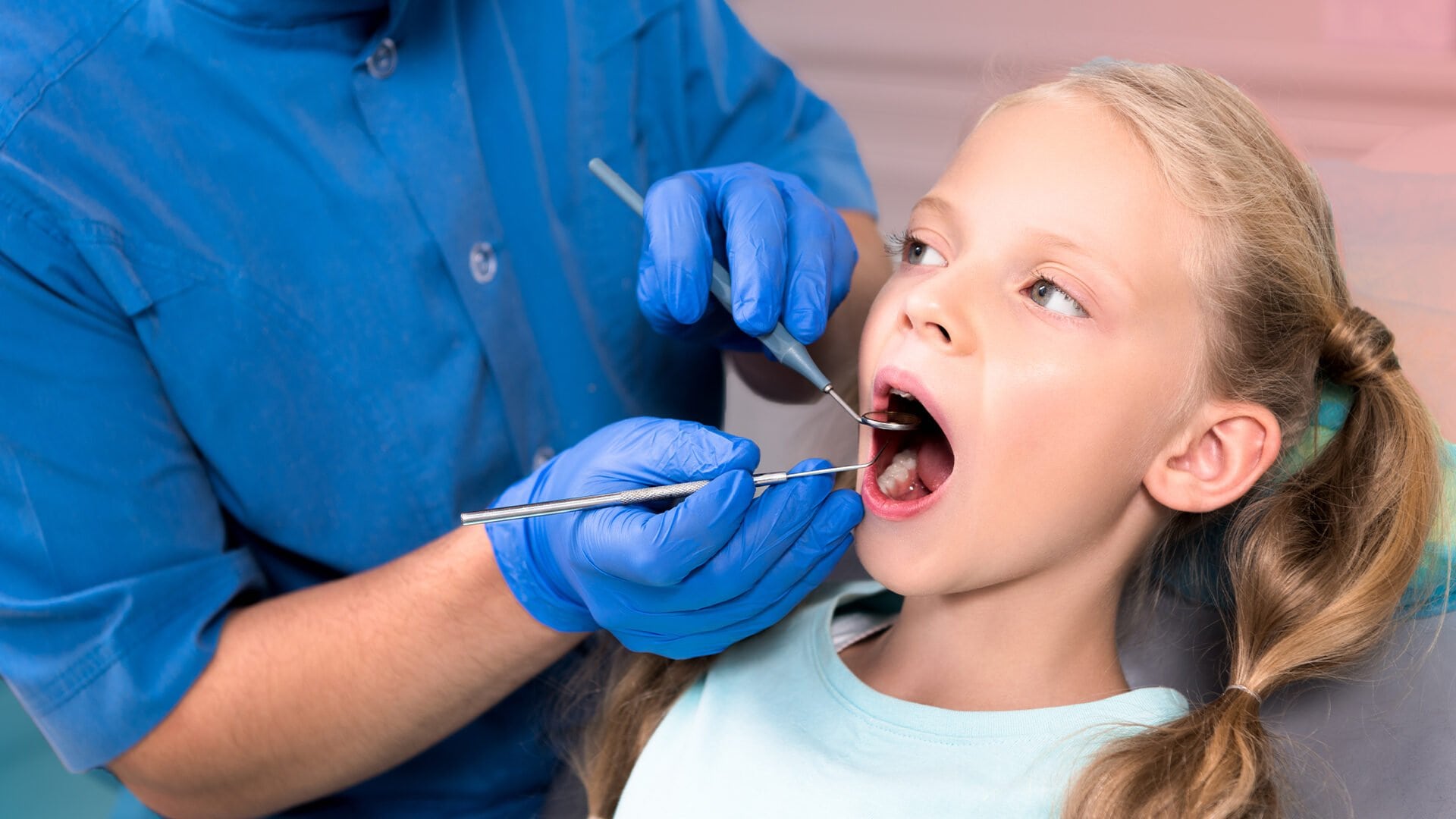
Children's tooth decay progresses rapidly when it starts in baby teeth. Therefore, children should gain oral hygiene habits at an early age and regular dentist check-ups should not be neglected.
What Happens If Tooth Decay Progresses?
Untreated decayed teeth can, over time:
- Kill the living tissue of the tooth
- Spread to neighboring teeth
- Lead to abscess and cyst formation
- Increase the risk of systemic infection
How Does Tooth Decay Affect Extraoral Health?
Tooth decay does not only remain in the mouth. It can trigger many ailments, including infections, heart disease, diabetes control disorders, and immune system problems.
/ Tooth Decay Facts and Prevention
Tooth Decay and Treatment During Pregnancy
Hormonal changes during pregnancy increase the risk of gum bleeding and decay. Treatment is safest in the 2nd trimester. Local anesthesia and x-ray procedures can be performed with the necessary precautions.
The Effect of Nutrition on Tooth Decay
Carbohydrate-heavy, sugary and acidic foods trigger tooth decay. Fibrous vegetables, water consumption and sugar-free chewing gum can reduce decay.
Preventive Effect of Fluoride on Caries
Fluoride allows tooth enamel to remineralize. Fluoride toothpaste and professional fluoride applications are effective in preventing caries.
Methods for Noticing Tooth Decay at Home
Discoloration, sensitivity, small cavities and bad breath in the tooth can be signs of caries. However, a dentist should be consulted for a definitive diagnosis.
Caries Classification (ICDAS System)
ICDAS is an international system that rates the severity of caries:
- 0: Healthy tooth
- 1-2: Early lesion
- 3-4: Enamel collapse and moderate caries
- 5-6: Deep caries and dentin damage
Common Misconceptions About Tooth Decay
“If the tooth does not hurt, there is no decay.” → False
“If baby teeth decay, there is no need for treatment.” → False
“Decay only occurs with sugar.” → Incomplete information
“Rinsing the mouth is enough.” → False
Tooth Decay and Genetic Predisposition
In some individuals, saliva structure, tooth enamel thickness and jaw structure may be more prone to decay. Regular care is even more important for these individuals.
Post-Caries Aesthetic Approaches
After treatment, tooth discoloration or deformity may occur. A natural appearance can be restored with aesthetic applications such as teeth whitening, bonding, and laminate.
/ Frequently Asked Questions (FAQ)
Does a decayed tooth heal on its own? No, professional treatment is required.
Should a painless decay be treated? Yes. Decay can progress.
Does tooth decay cause bad breath? Yes.
How long does it take for decay to develop in children? It can develop within weeks.
Don't Let Decayed Teeth Reduce Your Quality of Life
Decay can affect children and adults alike, and it can be prevented with treatment. Early diagnosis matters most in children's teeth. For a healthy smile, do not neglect your oral care.
Let’s plan the right treatment together.
Free Assessment→- 1.Kassebaum NJ, Bernabé E, Dahiya M, Bhandari B, Murray CJ, Marcenes W. Global burden of untreated caries: a systematic review and metaregression. J Dent Res 2015;94:650-8. PubMed 25740856
- 2.Uribe SE, Innes N, Maldupa I. The global prevalence of early childhood caries: A systematic review with meta-analysis using the WHO diagnostic criteria. Int J Paediatr Dent 2021;31:817-830. PubMed 33735529